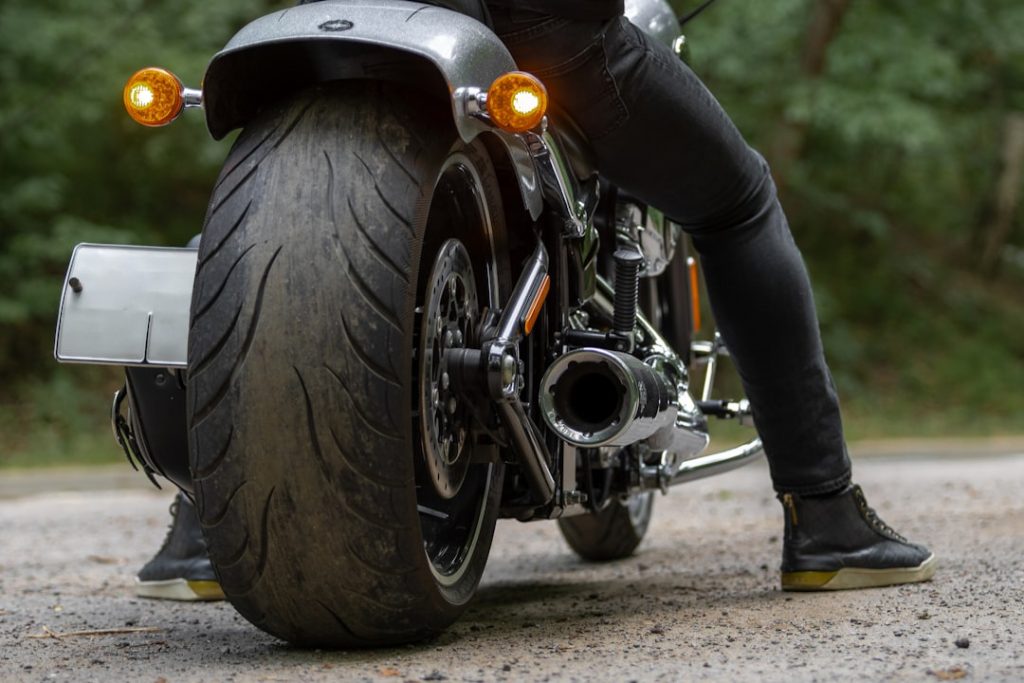
Have you ever faced a sudden flat tire while riding your motorcycle? It’s frustrating and can ruin your plans in an instant.
You might be wondering, “Can you patch motorcycle tires and get back on the road quickly? ” The answer isn’t as simple as you think. Knowing when and how to patch your tire can save you time, money, and stress.
You’ll discover the key facts about motorcycle tire repair that every rider should know. Keep reading to find out if patching your tire is the right choice for you.

Credit: www.amazon.com
When To Patch A Motorcycle Tire
Patching a motorcycle tire can save money and extend its life. You must know when it is safe to patch. Not all tire damage can be repaired.
This guide helps you understand when to patch your tire. Check the damage and tire condition before deciding.
Identifying Repairable Damage
Some tire damages can be fixed by patching. Small punctures in the tread area are usually repairable. Cuts, sidewall damage, or large holes are not safe to patch.
- Punctures less than 1/4 inch (6 mm) in diameter
- Damage located on the tread surface only
- No damage to the tire’s inner lining
- No sidewall or shoulder cuts
- Damage not near the bead area
Tire Condition Check
Before patching, check the tire’s overall condition. Look for wear, cracks, and age. A damaged tire with low tread or dry rot should not be patched.
| Condition | Patchable? |
| Good tread depth | Yes |
| Minor puncture in tread | Yes |
| Sidewall damage | No |
| Cracks or dry rot | No |
| Large cuts or holes | No |
| Damage near bead | No |
Safety Considerations
Safety must come first. A poorly patched tire can fail and cause accidents. Only patch tires that meet repair criteria. If unsure, replace the tire.
Follow these safety tips when patching:
- Use a professional patch kit or visit a tire shop
- Do not patch multiple punctures close together
- Check tire pressure regularly after patching
- Replace tire if patch does not hold air

Credit: www.reddit.com
Tools And Materials Needed
Patching motorcycle tires is possible with the right tools and materials. You need to prepare before starting the repair.
This guide explains what to gather for a successful tire patch job. Knowing the tools helps you fix the tire safely.
Tire Repair Kits
Tire repair kits include the basic items needed to patch a motorcycle tire. These kits are compact and easy to carry.
- Rubber plugs or patches
- Reaming tool to clean the puncture
- Insertion tool for placing the plug
- Rubber cement or vulcanizing glue
- Utility knife or scissors
Additional Equipment
Besides the kit, extra equipment improves the quality of the repair. These tools help prepare and finish the tire patch.
| Equipment | Purpose |
| Air compressor or pump | Inflate tire after repair |
| Tire pressure gauge | Check proper tire pressure |
| Gloves | Protect hands during repair |
| Rags or towels | Clean tire surface |
| Soapy water spray | Detect leaks after patching |
Choosing Quality Materials
Selecting good materials ensures your tire patch lasts longer. Low-quality parts may cause failure or leaks.
Look for these qualities in your materials:
- Strong rubber that matches tire type
- Reliable adhesive that bonds well
- Tools that fit your tire size
- Durable plugs or patches
Step-by-step Patching Process
Fixing a motorcycle tire with a patch is possible if the damage is small. You need to follow each step carefully to make sure the patch holds well. This guide explains how to patch your tire safely.
Keep in mind that not all punctures can be repaired. Check your tire’s condition before starting the patching process.
Locating The Puncture
First, find where the tire is leaking air. This will help you know where to apply the patch.
You can use soapy water or listen for hissing sounds to locate the hole. Mark the spot clearly once found.
- Inflate the tire slightly
- Spray soapy water around the tire
- Look for bubbles forming on the hole
- Mark the puncture with chalk or tape
Preparing The Tire Surface
Clean the area around the puncture well. A clean surface helps the patch stick better.
Use sandpaper or a tire buffer to roughen the spot. Remove any dirt or grease before applying glue.
- Use a clean cloth to wipe the area
- Sand the surface lightly to make it rough
- Remove dust with a dry cloth
Applying The Patch
Apply rubber cement or glue to the prepared spot. Wait a few minutes for it to become sticky.
Place the patch on the glued area and press it firmly. Make sure there are no air bubbles under the patch.
- Spread glue evenly on the roughened area
- Wait 3 to 5 minutes for the glue to get tacky
- Place the patch carefully on the puncture
- Press down hard for a few minutes
Sealing And Finishing
Check if the patch is fully sealed around the edges. Use a roller or your fingers to press down again.
Let the patch dry for the time recommended by the glue manufacturer before inflating the tire.
- Press the edges firmly with a roller
- Clean off any excess glue
- Wait at least 30 minutes before inflating
- Test the tire for leaks after patching
Common Mistakes To Avoid
Patching motorcycle tires can save money and time. Doing it wrong causes problems.
Learn common errors that reduce patch success. Fixing these helps keep your ride safe.
Ignoring Tire Damage Limits
Every tire has limits for repairable damage. Patching large cuts or sidewall damage is unsafe.
- Do not patch holes bigger than 1/4 inch (6mm).
- Avoid patching damage near the tire edges or sidewalls.
- Replace tires with deep or multiple punctures.
- Check the tire manufacturer’s repair guidelines.
Incorrect Patch Application
Applying a patch poorly causes leaks or failure. Clean and roughen the area before patching.
| Common Application Errors | Impact |
| Not cleaning the puncture area | Patch won’t stick well |
| Skipping roughening the surface | Reduced patch adhesion |
| Using too little or too much glue | Leaks or patch lifting |
| Not pressing patch firmly | Air can enter under patch |
Using Improper Tools
Right tools make patching easier and safer. Avoid cheap or wrong items.
- Use a proper tire rasp or sandpaper to roughen the surface.
- Apply rubber cement designed for tire repair.
- Use a patch kit made for motorcycle tires.
- Press patches with a roller or flat tool, not fingers.
When To Replace Instead Of Patch
Not all motorcycle tire damage can be safely fixed with a patch. Some situations need a full tire replacement. Knowing when to replace your tire keeps you safe on the road.
This guide covers key signs that mean you should replace your tire rather than patch it. Look out for these conditions to avoid accidents and poor performance.
Large Or Sidewall Damage
Damage to the sidewall or large holes are unsafe to patch. The sidewall supports the tire’s structure and flexes while riding. A patch here will not hold properly.
- Cracks or cuts longer than a few millimeters on the sidewall
- Large punctures or tears in the tread area
- Bulges or bubbles caused by internal damage
In these cases, replace the tire. Riding on a patched sidewall can cause sudden tire failure.
Multiple Punctures
One small puncture can often be patched safely. Multiple punctures reduce the tire’s strength. Too many repairs make the tire unsafe.
| Number of Punctures | Action Needed |
| 1 | Patch possible if puncture is small and in tread |
| 2-3 | Inspect carefully; replacement recommended in most cases |
| More than 3 | Replace tire for safety reasons |
Always check puncture locations. Sidewall punctures cannot be patched safely even if only one.
Tire Age And Wear
Tires wear out over time. Old or worn tires lose grip and strength. Patching an old tire is not safe.
- Tread depth below 2mm
- Cracking or dry rot on the rubber
- Visible cords or fabric inside the tire
- Tire older than 5 years, even if tread looks okay
Replace tires that show these signs. Patching will not restore worn rubber or internal damage.
Maintaining Tire Safety Post-repair
Fixing a motorcycle tire can save money and extend its life. After a repair, it is important to keep the tire safe and reliable. This guide covers key steps to maintain tire safety after patching.
Regular checks and good habits help prevent further damage and keep you safe on the road.
Regular Pressure Checks
Check your tire pressure often after a repair. Proper pressure keeps the tire stable and reduces the risk of failure. Use a reliable gauge to check the pressure when the tire is cold.
- Check pressure before every ride.
- Follow the motorcycle maker’s pressure guide.
- Adjust pressure if carrying extra weight.
- Use air from a trusted source to avoid contamination.
- Replace the valve cap after checking pressure.
Monitoring For Leaks
Watch for leaks around the repaired area. Leaks can cause sudden pressure loss and affect riding safety. Use simple tests to find leaks early.
| Test Type | How to Do It | What to Look For |
| Soap Water Test | Apply soapy water to the patch area. | Look for bubbles indicating air escape. |
| Visual Check | Inspect the patch for cracks or loose edges. | Check for any damage or lifting. |
| Pressure Drop Test | Measure tire pressure twice, hours apart. | Pressure drop means a slow leak. |
Safe Riding Practices
After patching a tire, ride carefully to avoid stress on the repair. Safe riding helps the patch hold and prevents new damage.
- Ride at moderate speeds, especially on rough roads.
- Avoid sharp turns and sudden stops.
- Do not overload the motorcycle beyond its limit.
- Watch for road hazards like nails or glass.
- Have your tire inspected by a professional regularly.

Credit: www.amazon.com
Frequently Asked Questions
Can You Safely Patch A Motorcycle Tire?
Yes, you can safely patch a motorcycle tire if the puncture is small and on the tread. Avoid patching sidewall damage as it compromises safety. Always inspect the tire thoroughly before patching.
How Long Does A Patched Motorcycle Tire Last?
A patched motorcycle tire can last several thousand miles if repaired properly. However, monitor it regularly for leaks or damage to ensure safety on the road.
When Should You Avoid Patching Motorcycle Tires?
Avoid patching tires with large punctures, sidewall damage, or multiple holes. In these cases, replace the tire to maintain optimal safety and performance.
What Tools Are Needed To Patch Motorcycle Tires?
To patch a motorcycle tire, you need a tire plug kit, tire levers, a reamer, lubricant, and an air pump. These tools help ensure a secure and lasting repair.
Conclusion
Patching motorcycle tires is possible, but caution is needed. Not all punctures can be safely patched. Small holes, away from the sidewall, are usually fixable. Always check the tire’s condition before patching. A professional repair offers peace of mind. Remember, safety comes first on the road.
Regular tire checks prevent unexpected issues. Investing time in maintenance pays off. Keep your rides smooth and secure. Know when to patch and when to replace. Your safety matters most. Stay informed and ride safely.