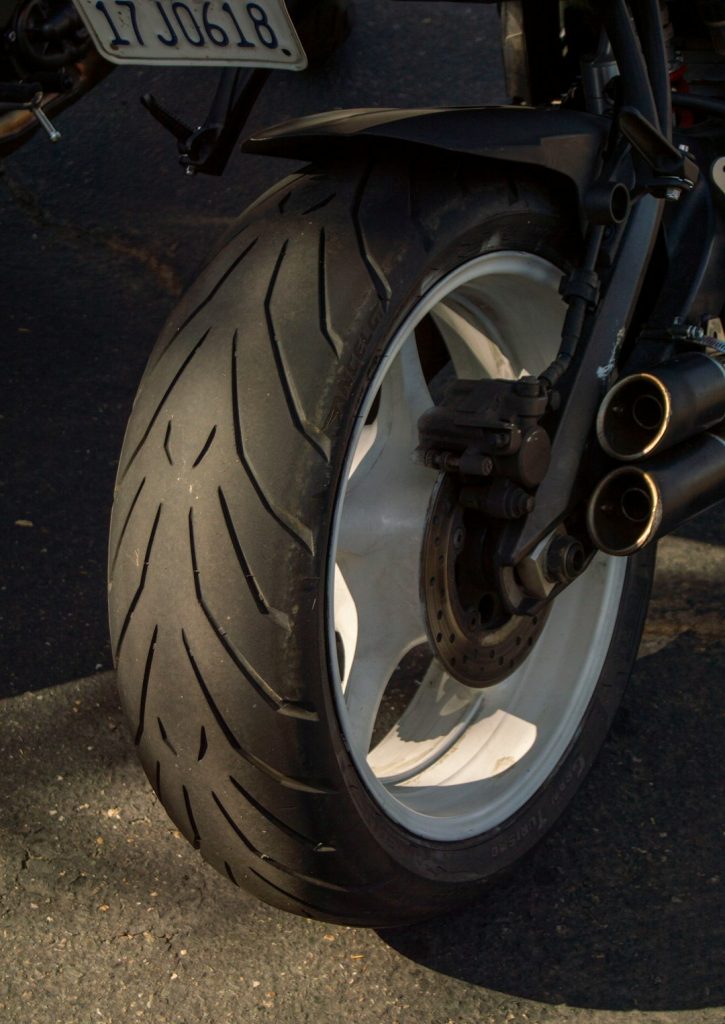
Have you ever felt that sudden panic when you find a nail stuck in your motorcycle tire? You might wonder, “Can a motorcycle tire be plugged, or do I need a full replacement?” This question is more common than you think, and the answer could save you time, money, and a lot of hassle.
Before you make any decisions, it’s important to understand when plugging is safe and effective—and when it might put your safety at risk. Keep reading to discover what you really need to know about plugging motorcycle tires and how to handle this tricky situation with confidence.
When To Plug A Motorcycle Tire
Punctures in motorcycle tires can happen anytime. Knowing when to plug a tire helps keep you safe on the road.
Not all tire damage can be fixed with a plug. Learn which damage types are suitable and when to seek professional help.
Types Of Tire Damage Suitable For Plugging
Tire plugs work best for small punctures caused by nails or screws in the tread area. These holes are usually less than 1/4 inch wide.
- Small punctures in the tread area only
- Damage that does not affect the tire sidewall
- Leaks caused by objects still lodged in the tire
- Non-complex holes with clean edges
Situations That Require Professional Repair
Some tire damages are unsafe to fix with a simple plug. These need professional repair or replacement to ensure safety.
| Damage Type | Reason | Recommended Action |
| Sidewall punctures | Sidewalls flex and cannot hold plugs | Replace tire |
| Large holes over 1/4 inch | Too big for a plug to seal | Professional patch or replace |
| Multiple punctures close together | Weakens tire structure | Replace tire |
| Damage to tire beads | Beads seal tire to rim | Professional repair or replace |
| Visible tire damage or cuts | May cause blowouts | Replace tire |

Credit: www.bikesales.com.au
Tools And Materials Needed
Fixing a motorcycle tire with a plug requires the right tools and materials. Using proper equipment helps ensure the repair is safe and effective.
Before starting, gather all necessary items. This preparation makes the process smoother and faster.
Essential Plug Kit Components
A good plug kit has several key parts. These help you safely plug the tire and prevent air leaks.
- Rubber plug strips or plugs
- T-handle insertion tool
- T-handle reaming tool to clean the hole
- Rubber cement or adhesive
- Utility knife to trim excess plug
Additional Safety Gear
Wear safety gear to protect yourself. This gear helps avoid injuries during the repair.
| Safety Item | Purpose |
| Gloves | Protect hands from sharp objects and chemicals |
| Eye protection | Shield eyes from debris and rubber cement |
| Protective clothing | Keep skin safe from dirt and chemicals |
Step-by-step Plugging Process
Fixing a motorcycle tire with a plug can be done if the puncture is small. This guide shows you how to plug a tire safely.
Follow these steps carefully to stop air from leaking and get back on the road quickly.
Locating The Puncture
First, find where the tire is losing air. Look for nails, screws, or sharp objects stuck in the tire.
Spray soapy water on the tire surface and watch for bubbles. Bubbles show where air is escaping.
Preparing The Tire Surface
Remove the object causing the puncture with pliers. Clean the area around the hole well.
Use a reamer tool to make the hole smooth and ready for the plug. This helps the plug fit tightly.
Inserting The Plug
Thread the plug strip through the insertion tool. Push the plug firmly into the hole until only a small part remains outside.
Pull the tool out carefully, leaving the plug inside the tire. The plug will fill the hole and stop air leaks.
Sealing And Testing
Trim any extra plug material sticking out from the tire surface. Press the plug to seal it tightly inside.
Inflate the tire to the recommended pressure. Spray soapy water on the plug area and check for bubbles to confirm the seal.
Risks Of Plugging A Motorcycle Tire
Plugging a motorcycle tire can seem like a quick fix for a flat. It can save time and money at first. But there are risks that come with plugging tires. These risks can affect your safety on the road.
It is important to know when plugging a tire is safe and when it is not. This helps you avoid accidents and tire damage. Always think about the long-term effects of plugging your motorcycle tire.
Potential Safety Hazards
Plugging a motorcycle tire can cause several safety problems. A plug may not hold well under high speeds or heavy loads. This can lead to sudden air loss while riding.
Plugging also weakens the tire’s structure. The repair area may fail, causing a blowout. This is very dangerous because it can cause loss of control.
- Risk of sudden air leaks or blowouts
- Weakened tire sidewall or tread area
- Possible loss of tire balance and handling
- Reduced tire lifespan and reliability
When Plugging Is Not Recommended
Do not plug a tire if the damage is too large or in the sidewall. Sidewall plugs are unsafe because this part flexes a lot. The plug can fail quickly and cause accidents.
If the tire has multiple punctures or is very old, plugging is not a good idea. Also, tires with deep cuts or damage near the bead should not be plugged. Replace the tire instead of repairing it in these cases.
- Damage larger than 1/4 inch (6 mm) in diameter
- Punctures in the sidewall or shoulder area
- Multiple punctures close together
- Old or worn-out tires with low tread depth
- Damage near the tire bead or edges
Alternatives To Plugging
Motorcycle tires can sometimes get punctured. Plugging is one way to fix small holes. There are other ways to repair or replace the tire too.
Choosing the right repair method keeps your ride safe. Let’s look at other options besides plugging a tire.
Using Patch Repairs
Patch repairs fix the inside of the tire. A rubber patch covers the hole from the inside. This stops air from leaking out.
Patch repairs work well for small punctures. They are stronger than plugs alone. Patches also help keep the tire balanced.
- Remove the tire from the wheel
- Clean and roughen the area around the hole
- Apply rubber cement and place the patch inside
- Press the patch firmly and let it dry
- Reinstall the tire on the wheel
Replacing The Tire
Sometimes the damage is too big to repair safely. In these cases, replacing the tire is best. A new tire gives you full safety and performance.
Look for cracks, sidewall damage, or large holes. These problems mean the tire must be changed. Riding on a bad tire can cause accidents.
- Check tire wear and damage regularly
- Buy the right size and type for your motorcycle
- Have a professional install the new tire
- Balance the tire after installation
- Keep proper tire pressure for safety
Maintenance Tips After Plugging
Fixing a motorcycle tire with a plug is a quick way to handle small punctures. After plugging, it is important to keep the tire in good condition. Regular checks and care help keep you safe on the road.
Below are some simple maintenance tips to follow after you have plugged your motorcycle tire. These tips help the repair last longer and avoid further damage.
Regular Tire Pressure Checks
Keeping the right tire pressure is key after a plug repair. Low pressure can cause the plug to fail or damage the tire more.
- Check tire pressure once a week using a reliable gauge.
- Inflate the tire to the pressure recommended by your motorcycle’s manual.
- Do not overinflate, as this can stress the tire and plug area.
- If you notice the tire losing pressure fast, have it inspected by a professional.
Monitoring For Leaks
After plugging a tire, watch for any air leaks to ensure the repair holds well.
| Leak Sign | What to Do |
|---|---|
| Hissing sound near plug | Apply soapy water to check bubble formation |
| Rapid pressure loss | Stop riding and have the tire checked immediately |
| Visible damage around plug | Replace the tire if the damage worsens |
| Uneven tire shape | Inspect for internal damage and consult a mechanic |
Legal And Warranty Considerations
Fixing a motorcycle tire with a plug may seem simple. But there are legal and warranty rules to think about. These rules protect you and your motorcycle’s safety.
Understanding manufacturer guidelines and how repairs affect warranty coverage is very important. This helps you avoid problems later on.
Manufacturer Guidelines
Most motorcycle makers give clear rules about tire repair. They often say when you can plug a tire and when you should replace it. Usually, plugs are only allowed for small punctures in the tread area. Repairs on sidewalls or large holes are not recommended.
- Check your owner’s manual for specific tire repair rules.
- Use only approved plug kits if allowed.
- Have a professional inspect the tire after plugging.
- Replace the tire if damage is too big or in the wrong area.
Impact On Warranty Coverage
Repairing a tire with a plug might affect your warranty. Some manufacturers may not cover tire damage after a plug repair. This can mean you pay for a new tire yourself.
| Warranty Condition | Effect of Plugging Tire |
| Small Puncture in Tread Area | Usually Allowed, Warranty Maintained |
| Large Hole or Sidewall Damage | Not Allowed, Warranty May Be Void |
| Improper Repair Method | Warranty Likely Voided |

Credit: www.reddit.com
Credit: www.fz09.org
Frequently Asked Questions
Can A Motorcycle Tire Be Safely Plugged?
Yes, a motorcycle tire can be safely plugged if the puncture is in the tread area. Plugging is a temporary fix and should be inspected by a professional. Avoid plugging sidewall damage as it compromises tire integrity and safety.
When Should You Avoid Plugging A Motorcycle Tire?
Avoid plugging if the puncture is on the sidewall or shoulder of the tire. Also, do not plug large holes or multiple punctures. In these cases, tire replacement is safer and more reliable than plugging.
How Long Does A Tire Plug Last On A Motorcycle?
A properly installed tire plug can last several weeks to months. However, plugs are considered temporary repairs. It’s best to have the tire professionally inspected and replaced if necessary for long-term safety.
Can I Plug A Motorcycle Tire Myself?
Yes, you can plug a motorcycle tire yourself with the right tools and instructions. However, professional repair is recommended for safety. Improper plugging can cause leaks or tire failure while riding.
Conclusion
Plugging a motorcycle tire can be a temporary solution. It’s best for small punctures. Always consider the tire’s condition. Safety should be your top priority. Regularly check your tires for any issues. Consulting a professional is wise. They can provide expert advice.
A well-maintained tire ensures a safe ride. Remember, tires are the only contact with the road. Choose quality and safety over quick fixes. Stay informed and ride safely.