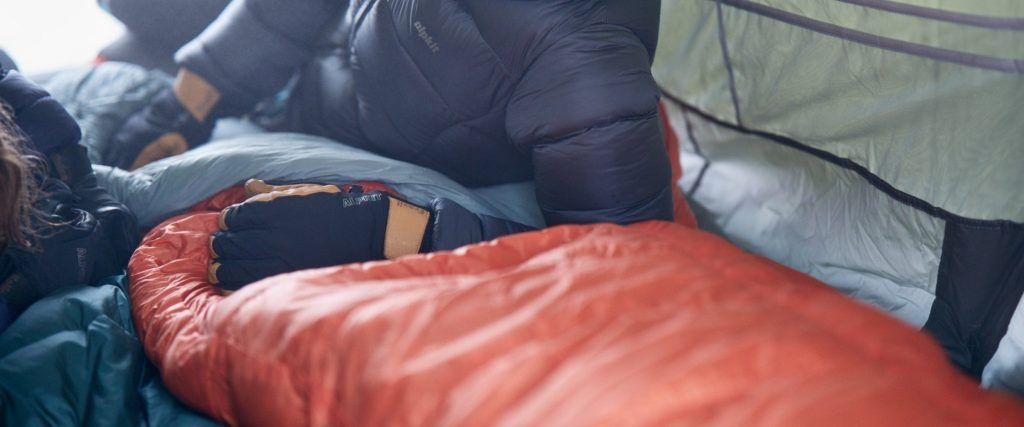
Are you tired of waking up feeling cold or uncomfortable inside your sleeping bag? Using a sleeping bag liner might be the simple solution you need.
It can add extra warmth, keep your sleeping bag clean, and even make packing up easier. But how exactly do you use a sleeping bag liner to get the best results? Keep reading, and you’ll discover easy tips that will transform your camping or travel nights into cozy, restful experiences.
Your next adventure deserves the comfort only a liner can provide.

Credit: www.amazon.com
Benefits Of A Sleeping Bag Liner
A sleeping bag liner is a useful camping accessory. It adds extra comfort and protection to your sleeping bag.
Many campers use liners to stay clean, warm, and keep their bags in good shape for longer.
Enhanced Comfort And Warmth
Sleeping bag liners add a soft layer between you and your sleeping bag. This makes sleeping more comfortable.
Some liners also help keep heat inside. This gives you extra warmth on cold nights.
- Soft fabric feels nice on the skin
- Extra layer traps body heat
- Can help you sleep better in cool weather
Improved Hygiene And Cleanliness
A liner keeps your sleeping bag clean by acting as a barrier. It stops dirt, sweat, and oils from reaching the bag.
You can wash liners more easily than full sleeping bags. This helps keep germs and bad smells away.
- Protects sleeping bag from sweat and dirt
- Easy to remove and wash regularly
- Helps prevent mold and bacteria buildup
Protection For Your Sleeping Bag
Using a liner reduces wear and tear on your sleeping bag. It stops sharp objects or rough clothing from damaging the bag’s fabric.
This protection helps your sleeping bag last longer and keeps it working well for many trips.
- Shields the sleeping bag’s lining from damage
- Reduces cleaning needs for the sleeping bag
- Extends the life of your sleeping bag
Types Of Sleeping Bag Liners
Sleeping bag liners add comfort and warmth inside your sleeping bag. They come in different materials. Each type has its benefits and uses.
Choosing the right liner can improve your camping experience. Here we explain four common types of liners.
Cotton Liners
Cotton liners are soft and breathable. They feel comfortable against your skin. Cotton is good for warm weather camping. It absorbs moisture but takes longer to dry.
These liners are easy to wash and durable. They add a layer of warmth without bulk.
Silk Liners
Silk liners are lightweight and smooth. They pack small and dry quickly. Silk helps keep your sleeping bag clean and adds some warmth.
- Soft and gentle on skin
- Lightweight and easy to carry
- Dries fast after washing
- Good for cool to mild temperatures
Fleece Liners
Fleece liners provide extra warmth. They are thicker and cozy. Fleece keeps you warm even if it gets damp. These liners are heavier and bulkier than silk or cotton.
Fleece works well in cold weather or for extra comfort.
Synthetic Liners
Synthetic liners dry quickly and resist moisture. They are strong and lightweight. These liners help keep your sleeping bag clean and add warmth.
| Feature | Benefit |
|---|---|
| Moisture resistance | Stays dry and comfortable |
| Lightweight | Easy to carry on trips |
| Durability | Lasts through many uses |
| Quick drying | Ready for next use fast |
Choosing The Right Liner
Sleeping bag liners add comfort and warmth to your sleep outdoors. Picking the right liner helps you stay cozy and clean. Consider your needs carefully before buying one.
This guide explains how to choose a liner based on climate, material, and size. Each factor affects your sleeping experience differently.
Considering Climate And Season
Climate and season affect how warm or cool your liner should be. Choose a liner that matches the weather you will face. Thin liners work well for summer. Thick liners add warmth in winter.
- Summer: Lightweight and breathable liners
- Spring/Fall: Medium thickness for mild warmth
- Winter: Heavy liners for extra insulation
- Tropical: Moisture-wicking and quick-dry fabrics
Material Preferences
Materials affect comfort, warmth, and ease of cleaning. Choose a material that fits your needs and budget.
| Material | Advantages | Disadvantages |
| Cotton | Soft and breathable | Heavy when wet, slow to dry |
| Silk | Lightweight and warm | Expensive and delicate |
| Fleece | Warm and quick-dry | Bulkier and heavier |
| Polyester | Durable and moisture-wicking | Less breathable |
Size And Fit
Size matters for comfort inside your sleeping bag. A proper fit helps keep warmth inside and stops bunching up.
- Check your sleeping bag size before buying a liner
- Choose a liner slightly smaller for a snug fit
- If you like more space, pick a liner that matches your sleeping bag size
- Consider length and width to avoid discomfort
Proper Use Of A Sleeping Bag Liner
A sleeping bag liner adds comfort and warmth to your sleep. It keeps your sleeping bag clean and extends its life. Using the liner correctly helps you stay cozy on camping trips.
Learn how to insert the liner, use it alone or with a sleeping bag, and layer for extra warmth. These tips make your outdoor sleep better and more comfortable.
How To Insert The Liner
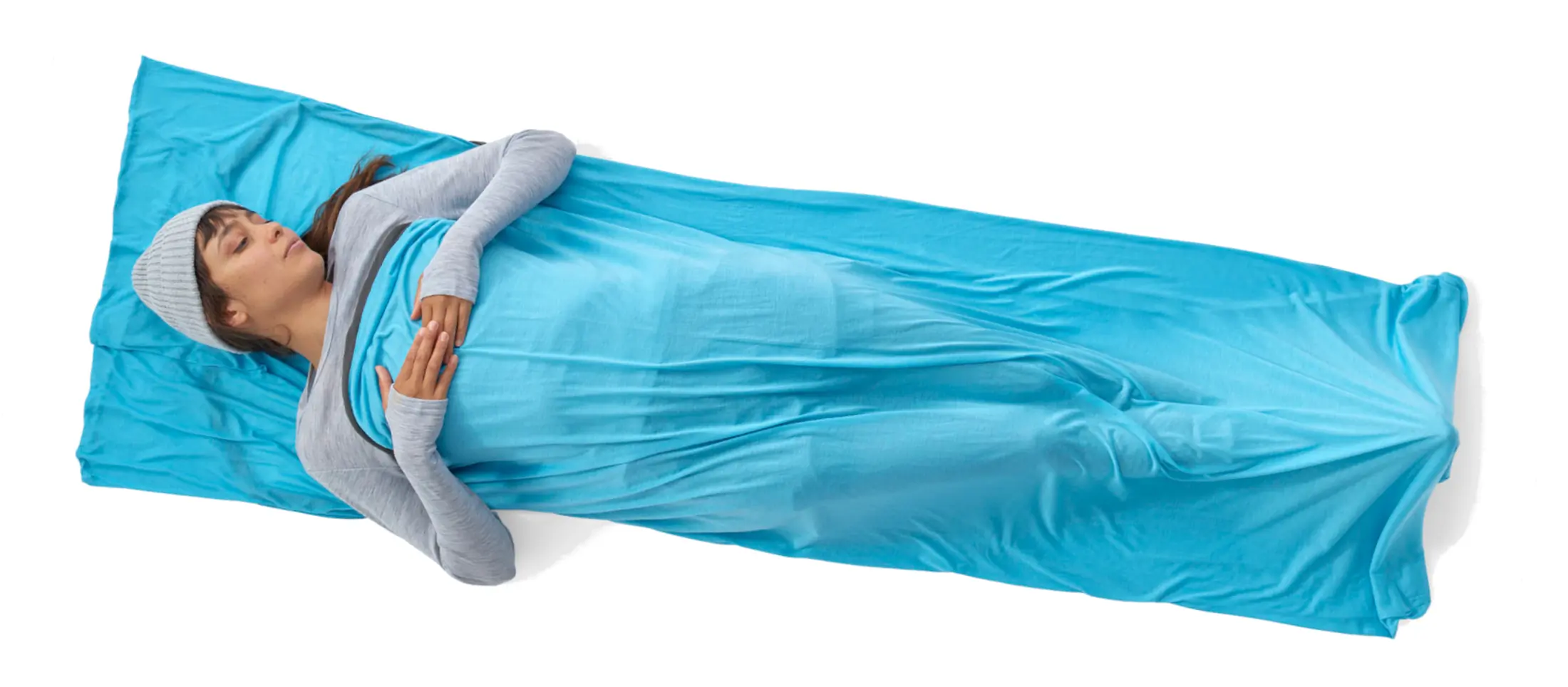
Open your sleeping bag fully before placing the liner inside. Spread the liner evenly to cover the entire inner surface. Make sure the liner is flat and smooth to avoid wrinkles.
Align the liner’s opening with the sleeping bag’s zipper. Tuck the liner edges inside the sleeping bag to keep it in place. Close the zipper slowly, checking that the liner does not get caught.
Using The Liner Alone Or With A Sleeping Bag
Use the liner alone in warm weather. It works like a lightweight blanket or sheet. The liner is easier to carry and dries faster than a sleeping bag.
In cold weather, use the liner inside your sleeping bag. The liner adds a layer of insulation and keeps the bag clean. You can wash the liner more often than the sleeping bag.
- Use liner alone in hot climates or indoors.
- Use liner inside sleeping bag for added warmth.
- Choose liner fabric based on weather (cotton, silk, fleece).
- Wash liner regularly to maintain hygiene.
Layering Techniques For Extra Warmth
Layer your sleeping bag liner with other fabrics to stay warm on cold nights. You can add fleece liners or thermal blankets inside your sleeping bag along with the liner.
| Layer | Purpose | Material |
|---|---|---|
| Base Layer | Skin comfort | Silk or cotton liner |
| Middle Layer | Extra warmth | Fleece or wool blanket |
| Outer Layer | Protection | Sleeping bag shell |
Adjust layers depending on the temperature. Remove or add middle layers to keep comfortable. Layering lets you use your sleeping gear in different weather conditions.
Maintenance And Care
Taking care of your sleeping bag liner helps it last longer. Proper maintenance keeps it clean and comfortable.
Simple steps like cleaning, drying, and storing can protect the fabric and shape.
Cleaning And Washing Tips
Wash your sleeping bag liner gently to avoid damage. Use mild detergent and cold water to keep it soft.
Hand washing is best. If you use a machine, choose a gentle cycle with no spin.
- Use mild soap or detergent
- Wash in cold water
- Hand wash or use gentle machine cycle
- Do not use bleach or fabric softeners
- Rinse thoroughly to remove all soap
Drying And Storage Guidelines
Dry your liner by air drying. Avoid direct sunlight to keep colors from fading.
Store the liner loosely in a dry place. Avoid tight compression to keep the fabric fluffy.
- Air dry in shade
- Do not use high heat dryers
- Store in a breathable bag or loose sack
- Keep in a cool, dry area
- Avoid folding tightly for long periods
Repairing Minor Damages
Fix small tears quickly to prevent bigger holes. Use fabric glue or patches made for outdoor gear.
For small holes, sewing with a needle and thread can work well. Choose thread that matches the liner fabric.
- Clean the damaged area before repair
- Use fabric glue for quick fixes
- Sew small holes with strong thread
- Apply patches for larger tears
- Test repairs before using the liner again

Credit: www.amazon.com
Additional Comfort Tips
Using a sleeping bag liner can make your camping nights more comfortable. It adds extra warmth and keeps your sleeping bag clean.
Here are some tips to improve comfort when using a sleeping bag liner on your outdoor trips.
Combining With Sleeping Pads
A sleeping pad adds cushioning and insulation under your sleeping bag liner. This helps keep you warm and comfortable on hard or cold ground.
Choose a sleeping pad that fits your sleeping bag size. Use the liner inside the bag and place the pad underneath for best results.
- Inflatable pads offer good cushioning and pack small.
- Foam pads are durable and provide insulation.
- Combine pads and liners for extra warmth in cold weather.
Using With Pillows And Accessories
Adding a pillow inside your sleeping bag liner can improve neck support. You can use a small camping pillow or stuff a soft item inside the liner.
Other accessories like eye masks or earplugs help create a quiet and dark space for better sleep.
- Use a compressible pillow for easy packing.
- Place the pillow inside the liner to keep it clean.
- Carry earplugs to block noise and improve rest.
Managing Moisture And Odor
Sleeping bag liners can trap moisture from sweat or breath. Keep your liner dry to avoid odors and bacteria growth.
Wash your liner regularly and air it out after use. This keeps it fresh and extends its life.
- Use liners made of breathable materials like cotton or silk.
- Dry your liner fully before packing it away.
- Wash liners by hand or machine as per instructions.
- Store liners in a dry place between trips.
Credit: gearjunkie.com
Frequently Asked Questions
What Is A Sleeping Bag Liner Used For?
A sleeping bag liner adds extra warmth and comfort inside your sleeping bag. It keeps your bag clean and extends its life. Liners can also be used alone in warm weather for a lightweight option.
How Do I Choose The Right Sleeping Bag Liner?
Choose a liner based on material, size, and season. Cotton liners are breathable, silk liners are lightweight, and fleece liners provide extra warmth. Ensure the liner fits your sleeping bag properly for maximum comfort.
Can A Sleeping Bag Liner Improve Hygiene?
Yes, a sleeping bag liner protects your sleeping bag from dirt, sweat, and body oils. It is easier to wash the liner regularly, keeping your sleeping environment cleaner and fresher during camping trips.
How Do I Clean A Sleeping Bag Liner?
Most liners can be machine washed on a gentle cycle with mild detergent. Air dry or tumble dry on low heat. Always check the care label instructions to maintain the liner’s fabric quality and longevity.
Conclusion
Using a sleeping bag liner can enhance your camping experience. It adds warmth and keeps your sleeping bag clean. Liners are lightweight and easy to pack. They come in various materials to suit your needs. Silk, cotton, or synthetic, each has unique benefits.
Choose one based on your comfort and climate. Washing the liner is simpler than washing a sleeping bag. This extends the life of your sleeping bag. A small investment, yet valuable. So, when packing for your next adventure, remember to include a sleeping bag liner.
It’s a smart choice. Enjoy a cozy night’s sleep outdoors!