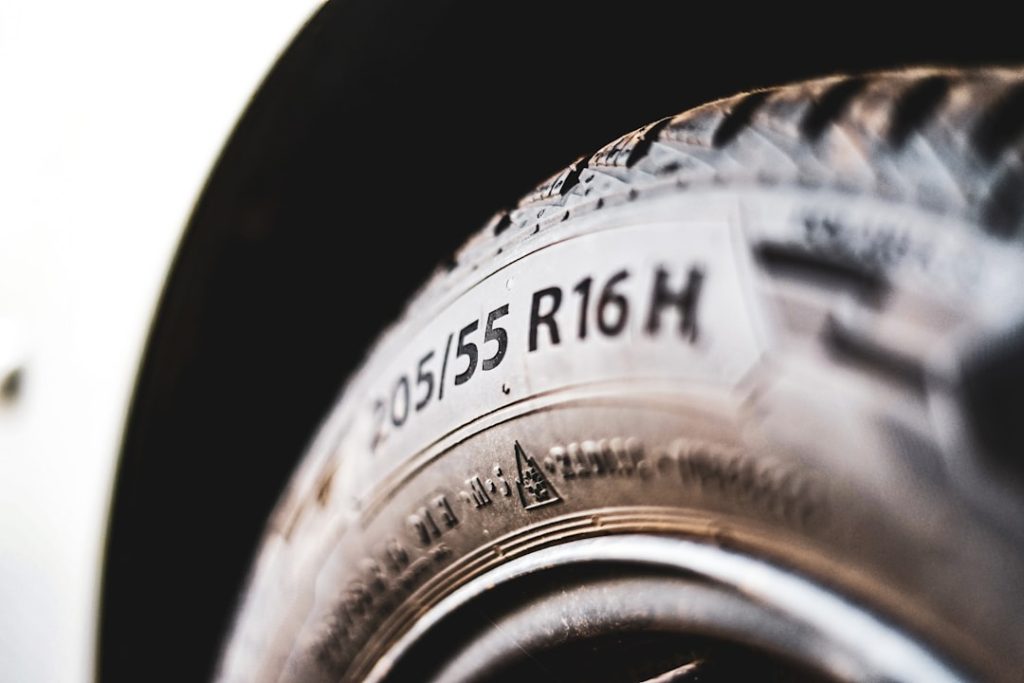
Have you ever looked at your car tires and wondered what those numbers and letters really mean? Knowing how to tell your car tire size is more important than you might think.
It helps you choose the right replacement tires, keep your car safe, and even improve fuel efficiency. You’ll learn a simple way to decode the tire size on your own. Stick with me, and by the end, you’ll feel confident reading any tire label like a pro.
Let’s get started!

Credit: www.counterman.com
Decoding Tire Size Codes
Car tires have codes on their sidewalls that tell you important details. These numbers and letters show the tire’s size and performance features.
Learning how to read these codes helps you pick the right tires for your car. It also ensures your safety and improves driving comfort.
Understanding Tire Width
Tire width is the first number in the code. It shows how wide the tire is from side to side.
The width is measured in millimeters. For example, a width of 205 means the tire is 205 millimeters wide.
Identifying Aspect Ratio
The aspect ratio is the second number after the slash. It shows the tire’s height compared to its width.
If the aspect ratio is 55, the height is 55% of the tire’s width. Smaller ratios mean shorter sidewalls.
Recognizing Rim Diameter
Rim diameter is the number after the aspect ratio. It tells you the size of the wheel the tire fits.
This size is measured in inches. A rim diameter of 16 means the tire fits a 16-inch wheel.
Spotting Load Index And Speed Rating
The load index is a number that shows how much weight the tire can carry. The higher the number, the heavier the load.
The speed rating is a letter that shows the maximum safe speed for the tire. Each letter matches a speed limit.
| Speed Rating | Max Speed (mph) |
|---|---|
| S | 112 |
| T | 118 |
| H | 130 |
| V | 149 |
| W | 168 |
| Y | 186 |
Locating Tire Size Information
Knowing your car’s tire size is important for safety and performance. You can find this information in a few places on your car and its documents.
Finding the right size helps you buy the correct tires. It also ensures your car handles well on the road.
Reading Sidewall Markings
The tire sidewall has numbers and letters showing the tire size. This information is easy to spot if you look closely.
The size looks like this: P215/65R15. Each part tells you something about the tire.
- Pmeans the tire is for a passenger car
- 215is the tire width in millimeters
- 65is the height of the sidewall as a percent of the width
- Rshows it is a radial tire
- 15is the wheel diameter in inches
Checking Vehicle Manual
Your car’s manual has all the tire size details. Look in the section about tires or vehicle maintenance.
The manual tells you the right tire size for your car and the right pressure to use.
- Find the tire size recommended by the manufacturer
- Check for any notes on tire types or sizes
- Use this size when buying new tires
Finding Size On Door Jamb Sticker
Open the driver’s side door and look at the door jamb. You will find a sticker with tire info there.
The sticker shows the tire size, recommended pressure, and load limits. It is easy to read and reliable.
- Locate the sticker near the door latch or frame
- Look for the tire size code on the sticker
- Use this size to match your tires correctly
Measuring Tire Size Manually
Knowing your car tire size helps you buy the right replacements. You can measure the tire size yourself without special tools.
This guide shows how to measure tire width, aspect ratio, and rim diameter by hand. Follow the steps carefully for accurate results.
Tools Needed For Measurement
Gather simple tools to measure your tire size correctly. These tools make the process easy and fast.
- Measuring tape or ruler
- Pen and paper to note measurements
- Flat surface to place the tire
- Caliper (optional for precise width)
Measuring Tire Width
The tire width is the distance from one sidewall to the other. Measure it in millimeters for accuracy.
Place the tire on a flat surface. Use a ruler or measuring tape to measure straight across the tread’s widest part.
Measuring Aspect Ratio
The aspect ratio is the tire’s sidewall height as a percentage of its width. You can measure it with a ruler and a simple calculation.
- Measure the sidewall height from the rim edge to the tread top.
- Measure the tire width.
- Divide the sidewall height by the width.
- Multiply the result by 100 to get the aspect ratio percentage.
Measuring Rim Diameter
Rim diameter is the size of the wheel the tire fits on. Measure it in inches across the rim’s inside edges.
| Measurement | How to Measure | Unit |
| Tire Width | Measure across the tire tread’s widest part | Millimeters (mm) |
| Aspect Ratio | Sidewall height divided by tire width times 100 | Percentage (%) |
| Rim Diameter | Measure inside edge to inside edge of the rim | Inches (in) |
Interpreting Metric And Imperial Units
Car tire sizes use both metric and imperial units. Knowing how to read them helps you find the right tires. Metric units use millimeters and imperial units use inches.
This guide explains how to understand these units on tire labels. You will learn to tell the difference and convert between them.
Understanding Millimeters Vs Inches
Tire width is usually shown in millimeters. This is the distance across the tire from sidewall to sidewall. For example, a tire width might be 205 mm.
The tire diameter often uses inches. This is the size of the wheel the tire fits on. For example, you might see a 16-inch diameter.
- Millimeters (mm) measure width and height of the tire.
- Inches (in) measure the wheel diameter.
- Metric sizes look like 205/55R16.
- Imperial sizes use formats like 31×10.5R16.
Converting Between Units
To convert millimeters to inches, divide by 25.4. To convert inches to millimeters, multiply by 25.4.
| Millimeters (mm) | Inches (in) |
|---|---|
| 25.4 | 1 |
| 50.8 | 2 |
| 127 | 5 |
| 205 | 8.07 |
| 255 | 10.04 |
Knowing these conversions helps you compare tire sizes. You can match metric and imperial tire sizes easily.
Common Tire Size Formats
Tire size is written in different formats. Each format shows key details about the tire. Knowing these helps you find the right tire for your car.
There are three common tire size formats. These are P-Metric, Euro-Metric, and LT or specialty tires. Each uses different codes and numbers.
P-metric Tires
P-Metric tires are common on passenger cars. The “P” stands for “Passenger.” These tires use a code that shows width, aspect ratio, and rim size.
For example, a tire size of P215/65R15 breaks down like this:
- P: Passenger tire
- 215: Width in millimeters
- 65: Aspect ratio (height to width)
- R: Radial construction
- 15: Rim diameter in inches
Euro-metric Tires
Euro-Metric tires look like P-Metric tires but do not have a “P” at the start. They are used on many European cars.
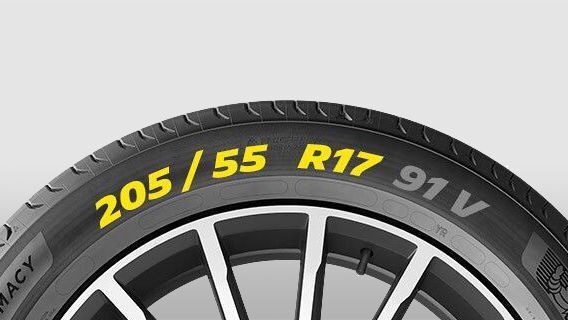
For example, 205/55R16 means:
- 205: Width in millimeters
- 55: Aspect ratio
- R: Radial tire
- 16: Rim size in inches
These tires may have a load index and speed rating after the size.
Lt And Other Specialty Tires
LT stands for Light Truck tires. These tires are stronger and used on trucks and SUVs. They have different codes.
A size like LT245/75R16 means:
- LT: Light Truck tire
- 245: Width in millimeters
- 75: Aspect ratio
- R: Radial construction
- 16: Rim diameter in inches
Other specialty tires include those for trailers and off-road use. They have unique codes to match their needs.
Credit: www.michelin.ca
Tips For Accurate Measurement
Knowing your car tire size helps you buy the right replacements. Accurate measurement keeps your vehicle safe and running well.
Use clear steps to measure tires correctly. This guide shows easy ways to check your tire size.
Measuring On A Flat Surface
Always measure your tire when the car is on a flat surface. This gives the most exact size reading.
Check that the tire is fully touching the ground. This prevents wrong size readings from uneven contact.
- Park your car on level ground
- Make sure tires are inflated to the right pressure
- Use a tape measure across the tire’s width and diameter
- Measure from edge to edge for width
- Measure the diameter from one side to the other through the center
Checking For Tire Wear
Look at your tire tread to see if it is worn out. Worn tires can change the size and affect safety.
Use a tread depth gauge or a simple coin test. Replace tires if the tread is too low.
- Inspect all around the tire for uneven wear
- Check if the tread depth is below 2/32 of an inch
- Look for cracks or bulges on the tire sidewall
- Replace tires that show signs of damage or wear
Verifying Multiple Tires
Measure all tires on your vehicle, not just one. Tires on the same axle should match in size.
Check tire sizes on each wheel to avoid handling problems. Replace or rotate tires as needed.
- Compare sizes of front and rear tires
- Ensure tire sizes match the vehicle’s recommended specs
- Check tire pressure on all tires before measuring
- Rotate tires regularly to promote even wear
Choosing The Right Replacement Tire
Choosing the right tire is important for safety and car performance. Tires come in many sizes and types. Knowing how to read your tire size helps you pick the best replacement.
This guide explains how to match tire size with your car’s needs. You will learn about manufacturer specs, performance needs, and when to ask a professional.
Matching Manufacturer Specifications
Your car’s manufacturer gives exact tire sizes for safety and fit. These sizes are on the tire sidewall or in the owner’s manual. Always pick tires that match these specs.
| Specification | Example Value | Meaning |
| Tire Width | 205 | Width in millimeters |
| Aspect Ratio | 55 | Height as a percent of width |
| Rim Diameter | 16 | Wheel size in inches |
| Load Index | 91 | Maximum load capacity |
| Speed Rating | V | Maximum speed capability |
Considering Performance Needs
Tires affect how your car handles in different conditions. Think about your driving style and weather. Choose tires that fit your needs for comfort, grip, and durability.
- All-season tires for varied weather
- Winter tires for snow and ice
- Performance tires for speed and handling
- Touring tires for a smooth ride
Consulting A Tire Professional
Tire experts can help you pick the right tire. They check your car’s needs and driving habits. They also ensure proper installation and maintenance advice.
Questions to ask a tire professional:
- What tire size fits my vehicle?
- Which tire type suits my climate?
- How often should I replace my tires?
- What is the best tire brand for my budget?

Credit: www.youtube.com
Frequently Asked Questions
What Do Numbers On A Car Tire Mean?
The numbers on a tire indicate its width, aspect ratio, and diameter. For example, “205/55R16” means 205mm width, 55% height, and 16-inch rim diameter.
How To Read Tire Size From The Sidewall?
Look at the sidewall lettering; tire size is usually in the format “XXX/XXRXX”. This shows width, height ratio, and rim size.
Why Is Tire Size Important For My Car?
Correct tire size ensures safety, optimal performance, and fuel efficiency. Using wrong sizes can cause handling issues and damage.
Can I Change My Tire Size Without Issues?
Changing tire size is possible but requires matching vehicle specs. Always consult your manual or a tire expert before switching.
Conclusion
Understanding car tire sizes is essential for safety. It ensures proper fit. Check the sidewall for numbers. These numbers tell you the size. Always match your car’s needs. Measure the width, aspect ratio, and diameter. Keep these in mind when shopping.
Right tire size boosts performance and safety. Avoid guesswork. Consult your car manual for guidelines. Now you’re ready to choose correctly. Safe driving starts with the right tires. Make informed decisions for better journeys. Stay safe, stay informed, and enjoy the ride.
Proper tire size means peace of mind. Happy driving!