If you want to catch more fish, knowing how to rig a fishing line with a sinker is a skill you can’t skip. Getting this right helps your bait sink to the perfect spot, making your fishing trip way more successful.
Whether you’re new to fishing or just want to improve, this simple trick can change your game. Keep reading, and you’ll learn easy steps that will boost your chances of landing that big catch. Let’s dive in and make your next fishing experience much better!

Credit: greatdaysoutdoors.com
Choosing The Right Sinker
Sinkers help your bait sink to the right depth. They keep the line steady in water. Choosing the right sinker improves your fishing success.
Pick a sinker that fits the water and fish you want. The right sinker depends on type, size, and fishing conditions.
Types Of Sinkers
There are many sinker types. Each type works best in certain situations. Knowing them helps you choose well.
- Split Shot:Small round sinkers easy to attach and remove. Good for light fishing.
- Egg Sinkers:Oval-shaped with a hole through the middle. They slide on the line and reduce tangles.
- Bank Sinkers:Teardrop shaped and heavy. They hold the line steady in strong currents.
- Pyramid Sinkers:Pointed shape to dig into sand or mud. Good for surf fishing.
- Bullet Sinkers:Shaped like a bullet and used with soft plastic baits. They slide through weeds easily.
Selecting Sinkers By Fishing Conditions
Pick sinkers based on water type, depth, and current. Weight and shape matter to keep bait in the right place.
| Fishing Condition | Recommended Sinker | Reason |
|---|---|---|
| Calm freshwater | Split Shot | Light weight, easy to cast |
| Flowing river | Bank Sinker | Heavy weight to hold line steady |
| Sandy beach | Pyramid Sinker | Pointed shape digs into sand |
| Weedy areas | Bullet Sinker | Shape slides through weeds |
| Deep water | Egg Sinker | Slides on line to reduce tangles |
Gathering Essential Tools
Before rigging a fishing line with a sinker, gather all the necessary tools. This preparation helps you work faster and fish better.
Having the right fishing line and rigging tools makes your fishing setup strong and effective.
Fishing Line Types
Choose the right fishing line for your sinker rig. Different lines work best for different fishing styles and conditions.
- Monofilament: Easy to handle and stretchable, good for beginners.
- Fluorocarbon: Almost invisible underwater and resistant to abrasion.
- Braid: Very strong and thin, good for heavy fish and deep water.
Additional Rigging Tools
Besides the fishing line and sinker, you need extra tools to set up your rig properly.
| Tool | Purpose |
|---|---|
| Sinkers | Weight to keep the bait near the bottom |
| Swivels | Prevents line twisting |
| Hooks | To catch the fish |
| Snippers or scissors | Cut the fishing line cleanly |
| Pliers | Help tie knots and remove hooks |
Preparing The Fishing Line
Before you rig your fishing line with a sinker, you need to prepare the line properly. This helps ensure your rig works well and catches fish.
Preparing the line includes measuring the right length and attaching the hook securely. These steps make your setup strong and ready for fishing.
Measuring And Cutting
First, measure the fishing line to the length you need. The length depends on where you will fish and what gear you use.
Use sharp scissors or line cutters to cut the line cleanly. A clean cut stops the line from fraying and makes tying easier.
- Measure at least 3 to 6 feet of line for most rigs
- Cut the line with sharp scissors or a line cutter
- Check the line for any weak spots before using it
Attaching The Hook
Attach the hook to the end of your fishing line using a strong knot. A good knot keeps the hook secure during fishing.
Make sure the hook faces the right way to catch fish easily. Tighten the knot firmly, but do not damage the line.
- Thread the line through the hook eye
- Tie a simple knot like the improved clinch knot
- Pull the knot tight and trim extra line
- Check the hook for sharpness before use
Credit: greatdaysoutdoors.com
Attaching The Sinker
Attaching a sinker to your fishing line helps your bait sink to the right depth. It also keeps your line steady in the water. This guide explains how to attach different types of sinkers safely and securely.
Using the right sinker and knot makes fishing easier. It improves your chances of catching fish. Learn how to use slip sinkers, egg sinkers, and secure knots below.
Using Slip Sinkers
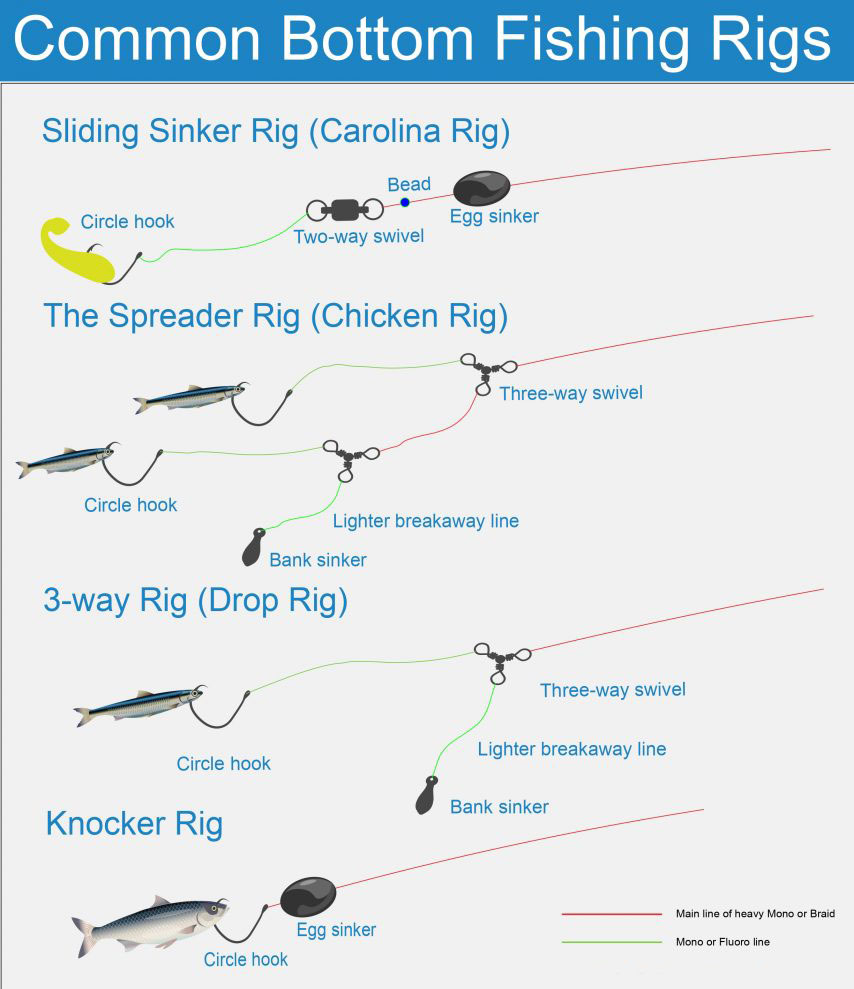
Slip sinkers slide freely on the fishing line. This lets fish bite without feeling the weight. To use them, thread the sinker onto the line first. Then add a bead to protect the knot from the sinker.
After the bead, tie your hook or swivel. The sinker will move between the rod tip and the hook. This setup works well for many fishing types.
Using Egg Sinkers
Egg sinkers have an oval shape and a hole through the center. They slide on the line like slip sinkers but are less likely to get stuck on rocks. Thread the egg sinker onto the line first.
Then add a bead to protect the knot. Tie your hook or swivel below. Egg sinkers work well in rivers and streams with rocky bottoms.
Securing With Knots
Use strong knots to keep the sinker and hook in place. The improved clinch knot and Palomar knot are popular choices. They hold well and are easy to tie.
- Thread the line through the hook or swivel eye
- Wrap the line around itself 5-7 times
- Pass the end back through the loop near the eye
- Tighten the knot by pulling the tag end and main line
- Trim the extra line close to the knot
Testing The Rig
After rigging your fishing line with a sinker, testing is important. It helps ensure the rig works well in the water.
Testing shows if your setup is balanced and ready for fishing. It also helps spot any problems early.
Checking For Movement
Hold the rig and gently shake it to check how parts move. The sinker should slide but not be loose.
Watch the hook and bait area too. They should move naturally without tangling the line.
- Make sure the sinker moves smoothly on the line
- Check if the hook stays in place during movement
- Look for any twisting or tangling of the line
Adjusting Sinker Placement
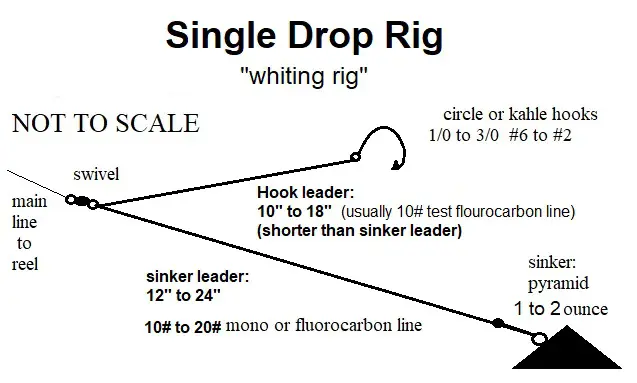
Move the sinker up or down the line to change how the rig behaves in water. This affects casting and bait presentation.
Try placing the sinker closer to the hook for slow sinking. Place it farther for faster sinking and longer casts.
- Closer sinker: slower sink, better for shallow water
- Farther sinker: faster sink, good for deep water
- Adjust until the rig feels balanced and easy to cast

Credit: mysterytacklebox.com
Tips For Successful Rigging
Rigging a fishing line with a sinker helps your bait reach the right depth. Doing it right improves your chances of catching fish.
Use simple techniques and avoid common errors to make your rig strong and effective.
Common Mistakes To Avoid
Using too heavy a sinker can scare fish away. Also, tying knots poorly may cause the line to break.
- Do not use a sinker heavier than needed for the water depth.
- Avoid loose knots; always pull tight and test strength.
- Keep the line free from twists to prevent tangles.
- Check your gear regularly for wear and tear.
Enhancing Bait Presentation
Presenting your bait naturally attracts more fish. The sinker should not block the bait’s movement.
| Tip | Explanation |
| Use a sliding sinker | Allows bait to move freely in water |
| Attach bait below the sinker | Keeps bait visible and natural |
| Choose light sinkers in clear water | Prevents scaring fish with heavy weight |
| Keep the rig simple | Reduces tangling and improves bait action |
Frequently Asked Questions
What Is The Purpose Of Using A Sinker In Fishing?
A sinker helps weigh down the fishing line to reach deeper water. It stabilizes the bait and improves casting distance. Using the right sinker increases your chances of catching fish effectively.
How Do You Attach A Sinker To A Fishing Line?
To attach a sinker, thread the line through the sinker’s hole or use a swivel. Secure it with a knot or clip. This setup keeps the sinker in place while allowing bait movement.
What Types Of Sinkers Are Best For Different Fishing?
Split shot sinkers work well for light freshwater fishing. Egg sinkers suit river currents, while pyramid sinkers hold in sandy or rocky bottoms. Choose based on water conditions and target fish species.
Can I Rig A Fishing Line With Multiple Sinkers?
Yes, multiple sinkers can balance the line weight and improve bait stability. Space them properly to avoid tangling. This technique is useful in strong currents or deep water fishing.
Conclusion
Rigging a fishing line with a sinker can be simple. Start with the right tools. Choose a sinker that matches your fishing conditions. Secure it properly for better control. This setup helps you fish at desired depths. Practice makes perfect, so try different techniques.
Experience will guide you to success. Remember to check your line for wear. Regular maintenance ensures a good catch. With patience and the right setup, fishing becomes more enjoyable. Now, you’re ready to hit the waters with confidence. Happy fishing!