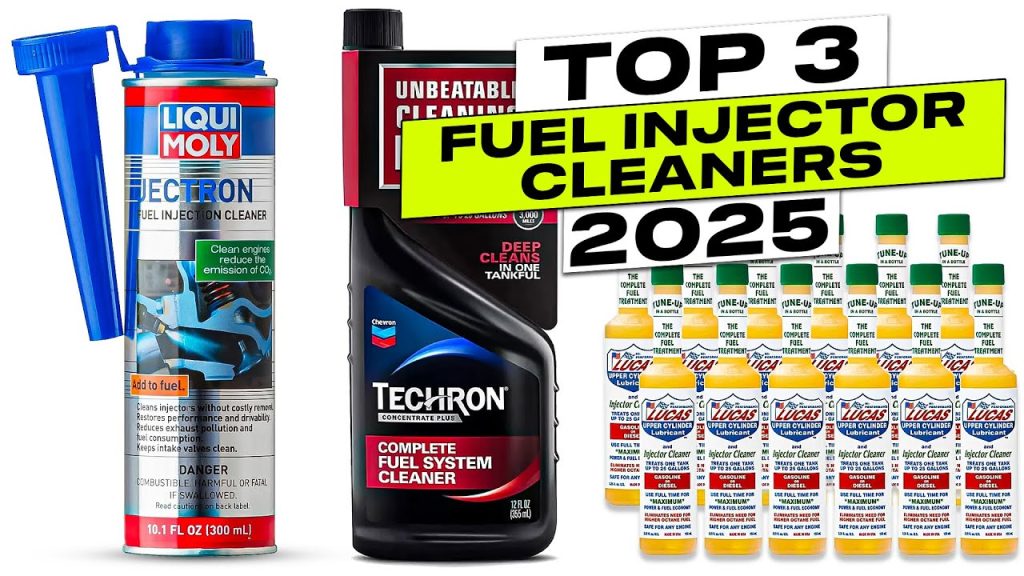
Are you wondering how to keep your car running smoothly without expensive repairs? Choosing the best fuel system cleaner can make a huge difference in your vehicle’s performance and fuel efficiency.
But with so many options out there, how do you know which one really works? You’ll discover the top fuel system cleaners that can save you money and protect your engine. Keep reading to find out which product fits your needs and gets your car back on the road with power and precision.
Why Fuel System Cleaners Matter
Fuel system cleaners help keep engines running smoothly. They remove dirt and buildup inside the fuel system. This cleaning improves how the engine works and saves money on repairs.
Using fuel system cleaners regularly can stop problems before they start. They help engines last longer and run better in daily driving.
Impact On Engine Performance
A clean fuel system means better engine performance. When fuel injectors and valves are clear, the engine burns fuel more efficiently. This leads to smoother starts and stronger power.
- Improves fuel efficiency
- Reduces engine knocking
- Increases horsepower
- Helps the engine run smoothly
Common Fuel System Issues
Fuel systems often face problems from dirt and deposits. These can block fuel flow and cause engine trouble. Knowing common issues helps prevent damage.
| Issue | Cause | Effect |
| Clogged Fuel Injectors | Dirt and carbon deposits | Poor fuel spray, weak engine power |
| Dirty Fuel Filter | Contaminants in fuel | Reduced fuel flow, engine stalls |
| Carbon Buildup on Valves | Incomplete combustion | Rough idling, loss of power |
Benefits Of Regular Cleaning
Cleaning the fuel system regularly keeps the engine healthy. It stops deposits from building up and reduces repair needs. This saves time and money in the long run.
- Extends engine life
- Improves fuel economy
- Reduces emissions
- Prevents costly repairs
Types Of Fuel System Cleaners
Fuel system cleaners help keep engines running smoothly by removing deposits. They improve fuel efficiency and reduce emissions.
Different types of cleaners work best for gasoline or diesel engines. Some require professional help for deep cleaning.
Additives For Gasoline Engines
Gasoline engine additives clean fuel injectors and intake valves. They prevent carbon buildup and improve engine performance.
- Fuel injector cleaners
- Octane boosters
- Intake valve cleaners
- Combustion chamber cleaners
Diesel Fuel Cleaners
Diesel fuel cleaners remove soot and deposits from injectors and fuel lines. They help reduce smoke and restore power.
| Type | Purpose | Benefit |
| Injector cleaner | Removes deposits | Better fuel spray |
| Fuel stabilizer | Prevents fuel breakdown | Longer storage life |
| Water remover | Eliminates water in fuel | Prevents corrosion |
Professional Cleaning Services
Professional services use machines to clean fuel systems deeply. They remove stubborn deposits inside injectors and intake valves.
- Fuel injector ultrasonic cleaning
- Intake manifold cleaning
- Throttle body cleaning
Key Features To Look For
Choosing the best fuel system cleaner can improve your vehicle’s performance. It helps remove deposits that block fuel flow and damage engine parts.
Knowing what features matter will guide you to the right product. Focus on cleaning power, vehicle compatibility, and ease of use.
Cleaning Power And Ingredients
Look for cleaners with strong detergents that dissolve carbon, gum, and varnish. Some use polyether amines, which clean fuel injectors well.
- Effective at removing fuel deposits
- Contains safe detergents like polyether amines (PEA)
- Does not harm engine seals or sensors
- Meets industry standards for fuel additives
Compatibility With Your Vehicle
Check if the cleaner works with your vehicle’s engine type. Some cleaners fit gasoline engines, others are for diesel. Using the wrong type can cause damage.
| Fuel System Cleaner | Compatible Engines | Not Recommended For |
| Type A Cleaner | Gasoline Engines | Diesel Engines |
| Type B Cleaner | Diesel Engines | Gasoline Engines |
| Universal Cleaner | Gasoline and Diesel | High-Performance Racing Engines |
Ease Of Use And Application
Choose a cleaner that is easy to add to your fuel tank. Some come in single-use bottles, others require measuring. Avoid products with complex steps.
- Simple pour-in formula
- Clear instructions on the label
- Works with full or near-empty tanks
- Requires no special tools or skills

Credit: www.reddit.com
Top Fuel System Cleaners In The Market
Fuel system cleaners help keep your engine running smoothly. They remove deposits and improve fuel efficiency. Choosing the right cleaner depends on your engine type and budget.
This guide covers the best fuel system cleaners for different engines. You will find options for gasoline, diesel, and budget-friendly choices.
Best Overall Cleaner
The best overall cleaner works well for many types of engines. It removes carbon buildup and restores engine power. It also reduces emissions and improves fuel economy.
This cleaner is easy to use and fits most fuel systems. It is a great choice if you want one product for regular maintenance.
Best For Gasoline Engines
Gasoline engines need cleaners that remove deposits from fuel injectors and intake valves. These cleaners improve engine performance and reduce knocking.
- Boosts acceleration and power
- Reduces rough idling
- Restores fuel efficiency
- Compatible with most gasoline engines
Best For Diesel Engines
Diesel engines require cleaners that handle soot and carbon deposits. These products clean fuel injectors and improve combustion. They also help lower smoke and emissions.
| Cleaner | Key Features | Use Frequency |
| Diesel Injector Cleaner A | Removes heavy deposits, reduces smoke | Every 5,000 miles |
| Diesel Fuel Treatment B | Improves fuel flow, cleans injectors | Before long trips |
| Diesel System Cleaner C | Restores engine power, lowers emissions | Monthly use recommended |
Budget-friendly Options
There are good fuel system cleaners that cost less but still work well. These options help maintain your engine without high prices. They are simple to use and safe for most engines.
- Affordable and effective
- Suitable for both gasoline and diesel engines
- Available in small bottles for occasional use
- Good for basic fuel system cleaning
How To Use Fuel System Cleaners
Fuel system cleaners help keep your engine running smoothly. They remove deposits and improve fuel efficiency. Proper use is important for best results.
Follow simple steps to prepare, apply, and maintain your fuel system cleaner. This guide covers key points for safe and effective use.
Preparation Steps
Before using a fuel system cleaner, check your vehicle’s fuel level. Most products require a nearly full tank. Read the product label carefully for any special instructions.
- Park your vehicle in a well-ventilated area.
- Turn off the engine and allow it to cool.
- Remove the fuel cap slowly to release pressure.
- Check the cleaner’s instructions for the correct dosage.
- Make sure you have the right type of cleaner for your fuel system.
Application Tips
Pour the recommended amount of cleaner directly into the fuel tank. Do not mix with other additives. Start the engine and drive normally to help the cleaner work through the system.
- Use a funnel to avoid spills when pouring cleaner.
- Do not overfill the fuel tank.
- Drive at least 20 miles after adding the cleaner.
- Avoid short trips right after application.
Frequency Of Use
Use fuel system cleaners regularly to keep your engine clean. The right frequency depends on your driving habits and product instructions.
| Usage Interval | Recommended For |
| Every 3,000 miles | Frequent city driving |
| Every 5,000 miles | Mostly highway driving |
| Before long trips | Prevent buildup on long drives |

Credit: www.ebay.ca
Signs Your Engine Needs Cleaning
Your car’s engine can get dirty over time. Fuel system deposits cause problems.
Cleaning the fuel system can help your engine run better and last longer.
Reduced Fuel Efficiency
If your car uses more fuel than before, dirt may block fuel flow. This lowers mileage.
A dirty fuel system makes the engine work harder and use more gas.
- More frequent trips to the gas station
- Noticeable drop in miles per gallon
- Engine feels less powerful during acceleration
Rough Idling And Stalling
Your engine should run smoothly when idle. If it shakes or stalls, it needs cleaning.
Fuel deposits can cause uneven fuel delivery, leading to rough idling or sudden stops.
- Engine shakes or vibrates when stopped
- Unexpected engine stall at stops or low speed
- Difficulty restarting the engine
Unusual Engine Noises
Strange sounds like knocking or pinging can mean the engine needs cleaning.
Dirty fuel injectors cause poor combustion, which makes unusual noises.
- Knocking or pinging sounds during acceleration
- Hissing or sputtering noises from the engine
- Inconsistent engine sounds at idle or low speed
Common Myths About Fuel Cleaners
Many drivers wonder if fuel system cleaners really work as promised. Some believe these products fix engine problems instantly. Others worry they might harm engine parts. Some think fuel cleaners are only for old cars.
Let’s clear up these common myths and explain the facts about fuel system cleaners.
Instant Engine Fix
Fuel system cleaners do not fix engine issues right away. They help remove deposits over time. Results depend on the condition of the engine and how often you use the cleaner.
- Clean fuel injectors slowly improve engine performance.
- Some problems need professional repair, not cleaners.
- Regular use can prevent buildup and keep the engine healthy.
Harmful To Engine Components
Some people think fuel cleaners damage engine parts. Most quality cleaners are safe when used as directed. They are made to protect and clean the fuel system without causing harm.
| Myth | Fact |
| Fuel cleaners corrode engine parts | Safe cleaners protect and clean without damage |
| They remove essential engine oils | They target fuel deposits, not engine oil |
| Can cause engine failure | Proper use reduces buildup, improving engine life |
Only Needed For Old Cars
Fuel cleaners help all cars, not just old ones. Newer engines can also build deposits over time. Using cleaners regularly keeps the fuel system clean and efficient.
- New cars benefit from cleaner fuel injectors.
- Prevents buildup that lowers fuel efficiency.
- Helps maintain smooth engine operation.
Credit: www.liqui-moly.com
Frequently Asked Questions
What Is The Best Fuel System Cleaner Brand?
The best fuel system cleaner brand depends on your vehicle and needs. Popular choices include Chevron Techron, Sea Foam, and BG 44K. These brands effectively remove deposits, improve engine performance, and reduce emissions, making them top picks among users and experts.
How Often Should I Use Fuel System Cleaner?
It’s best to use a fuel system cleaner every 3,000 to 5,000 miles. Regular use helps maintain engine efficiency, reduce fuel consumption, and prevent deposit buildup. Always follow the manufacturer’s recommendations for optimal results and vehicle safety.
Can Fuel System Cleaners Improve Engine Performance?
Yes, fuel system cleaners can improve engine performance. They remove carbon deposits from fuel injectors and intake valves, leading to smoother acceleration and better fuel economy. Using a cleaner regularly keeps your engine running efficiently and reduces emissions.
Are Fuel System Cleaners Safe For All Vehicles?
Most fuel system cleaners are safe for gasoline and diesel engines. However, always check product labels for compatibility with your vehicle type. Using a cleaner recommended by your car manufacturer ensures safety and avoids potential damage to engine components.
Conclusion
Choosing the best fuel system cleaner boosts your car’s performance. Consider your car’s specific needs and fuel type. Regular cleaning helps maintain engine efficiency. It also reduces emissions and improves mileage. Always follow the product instructions for best results. Reliable brands offer quality and safety.
Customer reviews can guide your choice. A clean fuel system extends your engine’s life. It ensures a smoother ride and fewer trips to the mechanic. Keep your car running at its best with regular maintenance. A small investment in a good cleaner can save money on repairs.