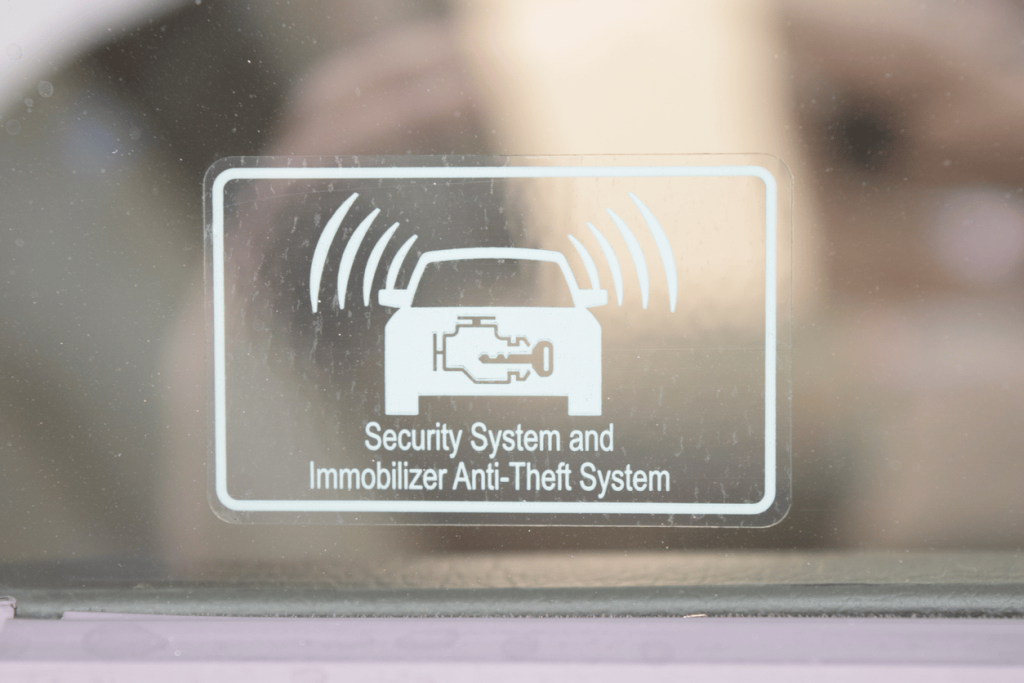
Have you ever wondered if car alarms really do their job? You might think that a loud alarm would scare off any thief, but does it actually stop them from breaking in?
Understanding how car alarms work can save your vehicle and give you peace of mind. You’ll discover the truth behind car alarms and whether they truly protect your car or just make noise. Keep reading to find out what really happens when your car alarm goes off—and what you can do to keep your car safe.

Credit: www.youtube.com
Effectiveness Of Car Alarms
Car alarms aim to protect vehicles from theft and break-ins. They create loud noises to scare off thieves and alert owners.
Still, their success depends on several factors. Understanding how alarms work and how thieves act helps evaluate their effectiveness.
How Car Alarms Work
Car alarms detect unauthorized actions like opening doors or breaking windows. They trigger loud sounds and flashing lights to attract attention.
- Motion sensors detect movement inside or near the car.
- Door sensors notice when doors open without a key.
- Glass break sensors respond to the sound of breaking windows.
- Shock sensors activate when the car is hit or shaken.
Common Theft Methods
Thieves use various methods to steal cars or items inside them. Knowing these methods shows the limits of alarms.
| Theft Method | Description |
| Forced Entry | Breaking windows or locks to open doors. |
| Hot Wiring | Bypassing ignition to start the car without a key. |
| Key Cloning | Copying electronic keys to unlock and start cars. |
| Towing | Dragging the car away without entering it. |
Alarm Response And Thief Behavior
When alarms sound, thieves often change their plans. Loud noises can make them leave quickly to avoid getting caught.
- Thieves may try to disable the alarm fast.
- Some ignore alarms if they think no one will respond.
- Others avoid cars with alarms altogether.
- Alarm noise can alert nearby people or police.
Limitations Of Car Alarms
Car alarms aim to protect vehicles from theft and damage. They make loud sounds to warn owners and scare off thieves. Despite this, car alarms have some limits that reduce their effectiveness.
Understanding these limits helps car owners know when alarms can work and when they might fail. The following sections explain common problems with car alarms.
False Alarms And Their Impact
False alarms happen when the car alarm sounds without any real threat. This can occur due to strong winds, passing trucks, or even small animals near the vehicle.
- Disturb neighbors and reduce trust in alarms
- Cause owners to ignore real alarms
- Waste police resources on false calls
- Lead to owners disabling alarms permanently
Alarm Disabling Techniques
Thieves use various methods to stop car alarms before stealing or damaging the car. Knowing these helps understand alarm limits.
| Technique | Description |
| Cutting Wires | Disconnecting alarm wires to silence the system |
| Signal Jamming | Blocking remote signals to prevent alarm activation |
| Battery Removal | Taking out the car battery to stop power to the alarm |
| Using Code Grabbers | Intercepting remote signals to unlock the car silently |
Situations Where Alarms Fail
Car alarms do not work well in some cases. These situations limit the protection alarms provide.
- Silent thefts where thieves do not touch the car
- When the owner forgets to arm the alarm system
- Damage caused by natural events like floods or storms
- Thieves breaking windows quickly before the alarm sounds
Alternative Theft Deterrents
Car alarms do not always stop thieves from stealing cars. Many drivers choose other ways to protect their vehicles. These tools can help prevent theft in different ways.
Using more than one theft deterrent increases the chance to keep your car safe. Here are some common alternatives to car alarms.
Steering Wheel Locks
Steering wheel locks physically block the steering wheel. This makes it hard for a thief to drive the car away. They are easy to use and visible to others.
Thieves often avoid cars with steering wheel locks. The lock adds extra time and effort to steal the car.
- Simple to install and remove
- Works as a strong visual deterrent
- Does not need power or batteries
Gps Tracking Systems
GPS tracking systems help find your car if it is stolen. The system sends location data to your phone or a monitoring center. This makes recovery faster and easier.
Some GPS trackers offer real-time tracking and alerts. This lets you act quickly if your car moves without permission.
- Track your car anytime
- Receive alerts on suspicious movement
- Helps police find your car
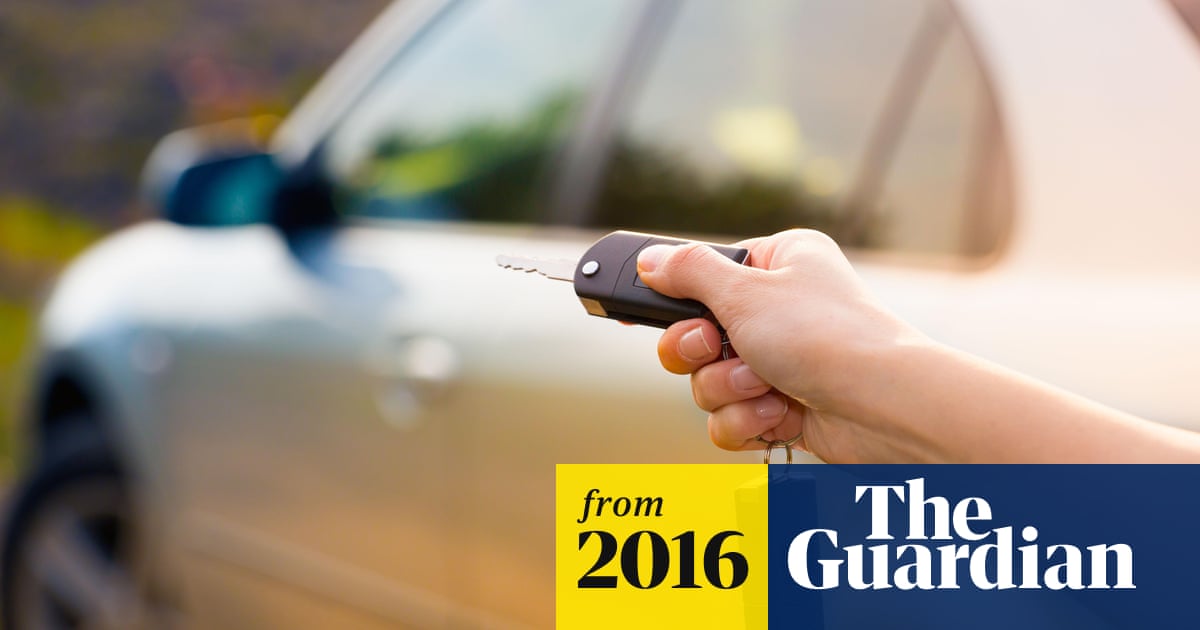
Immobilizers And Kill Switches
Immobilizers stop the engine from starting without the right key. Kill switches cut off important electrical parts to prevent theft. Both tools make it harder to steal the car.
They work quietly and do not alert others. Thieves may give up if the car will not start even after breaking in.
- Immobilizers need correct keys or codes
- Kill switches disable fuel or ignition
- Both increase theft difficulty
Credit: www.theguardian.com
Tips To Enhance Car Security
Car alarms can help protect your vehicle, but they work best with other safety steps. Using simple tips can make your car less attractive to thieves.
Here are some ways to improve your car’s security beyond just installing an alarm system.
Parking In Safe Locations
Where you park your car matters. Choose well-lit and busy areas. Avoid isolated spots that make it easy for thieves to work unnoticed.
- Park near entrances or security cameras
- Use parking lots with guards if possible
- Avoid parking behind large objects that block view
- Lock your car and close windows fully
Regular Maintenance Of Alarm Systems
Keep your car alarm in good shape by checking it often. Faulty alarms might not work or could give false alerts.
| Maintenance Task | Frequency |
| Test alarm sound and sensors | Every 3 months |
| Replace batteries in remote controls | Every 6 months |
| Check wiring and connections | Annually |
Combining Multiple Security Measures
Use more than one security tool for better protection. Car alarms work well with other devices and habits.
- Install steering wheel locks or tire locks
- Use GPS tracking devices
- Keep valuables out of sight
- Always lock doors and windows
- Consider immobilizers that stop the engine
Real Stories And Statistics
Car alarms are common tools used to prevent theft. Many drivers rely on them for protection. But do car alarms really stop thieves?
This section looks at real stories and data. We explore how alarms affect theft rates and expert views on car security.
Case Studies Of Alarmed Vehicles
Several case studies show mixed results for car alarms. In some cases, alarms scared off thieves quickly. In others, alarms made little difference.
- A city police report found 60% of alarmed cars avoided theft.
- Some thieves ignore alarms after repeated false triggers.
- Alarmed cars in busy areas had fewer break-ins than in isolated spots.
- Owner response time to alarms affects theft outcome.
Theft Rates With And Without Alarms
| Vehicle Type | Theft Rate with Alarm | Theft Rate without Alarm |
|---|---|---|
| Sedans | 2.5% | 5.8% |
| SUVs | 1.8% | 4.2% |
| Trucks | 3.0% | 6.0% |
The data shows cars with alarms have about half the theft rate. Alarms seem to lower the chance of theft but do not stop it completely.
Expert Opinions On Car Security
Security experts say alarms help but are not enough alone. They suggest using alarms with other tools for better safety.
- Alarms alert owners and scare thieves.
- Steering locks and immobilizers add extra protection.
- Parking in well-lit areas lowers theft risk.
- Regular maintenance of alarms prevents false alarms.

Credit: www.carparts.com
Frequently Asked Questions
Do Car Alarms Effectively Prevent Theft?
Car alarms can deter opportunistic thieves by drawing attention. However, determined criminals often ignore alarms or disable them quickly. Alarms work best combined with other security measures like steering locks or GPS tracking for improved vehicle protection.
How Loud Should A Car Alarm Be?
A car alarm should be loud enough to alert nearby people and discourage thieves. Typically, alarms emit sounds between 110 to 120 decibels. Excessively loud alarms may annoy neighbors, while too soft alarms may go unnoticed, reducing effectiveness.
Can Car Alarms Reduce Insurance Premiums?
Yes, some insurance companies offer discounts if a car has a reliable alarm system. Alarms lower theft risk, which insurers value. Check with your insurer to confirm eligibility and required alarm features for premium reductions.
Why Do Some Car Alarms Go Off Accidentally?
False alarms often occur due to sensitivity settings, weather, or vibrations from passing vehicles. Poor installation or faulty sensors also cause unintended triggers. Regular maintenance and proper adjustment help minimize false alarms and improve reliability.
Conclusion
Car alarms play a crucial role in deterring theft. They alert owners and scare off thieves. But, not all alarms are effective. Some are too sensitive or easily ignored. Regular maintenance can enhance their effectiveness. Ensure your alarm is well-installed and functioning.
Consider combining it with other security measures for better protection. Understanding your needs helps in choosing the right alarm. Stay informed and proactive. It can make all the difference in keeping your car safe. Remember, prevention is always better than cure.
Stay vigilant and protect your investment.