Setting up your fishing rod the right way can make all the difference between a frustrating day and an exciting catch. If you want to spend less time untangling lines and more time reeling in fish, this guide is for you.
You’ll learn simple steps to get your rod ready quickly and easily, even if you’re a beginner. By the end, you’ll feel confident and prepared to enjoy your next fishing trip. Keep reading to discover how to set up your fishing rod like a pro!
Choose The Right Rod And Reel
Setting up a fishing rod starts with picking the right rod and reel. This choice affects how well you fish.
Choose gear that fits your fishing style and the fish you want to catch.
Types Of Fishing Rods
Fishing rods come in many types. Each type suits different fishing needs and skill levels.
Some rods are best for small fish, while others work for big fish or long casts.
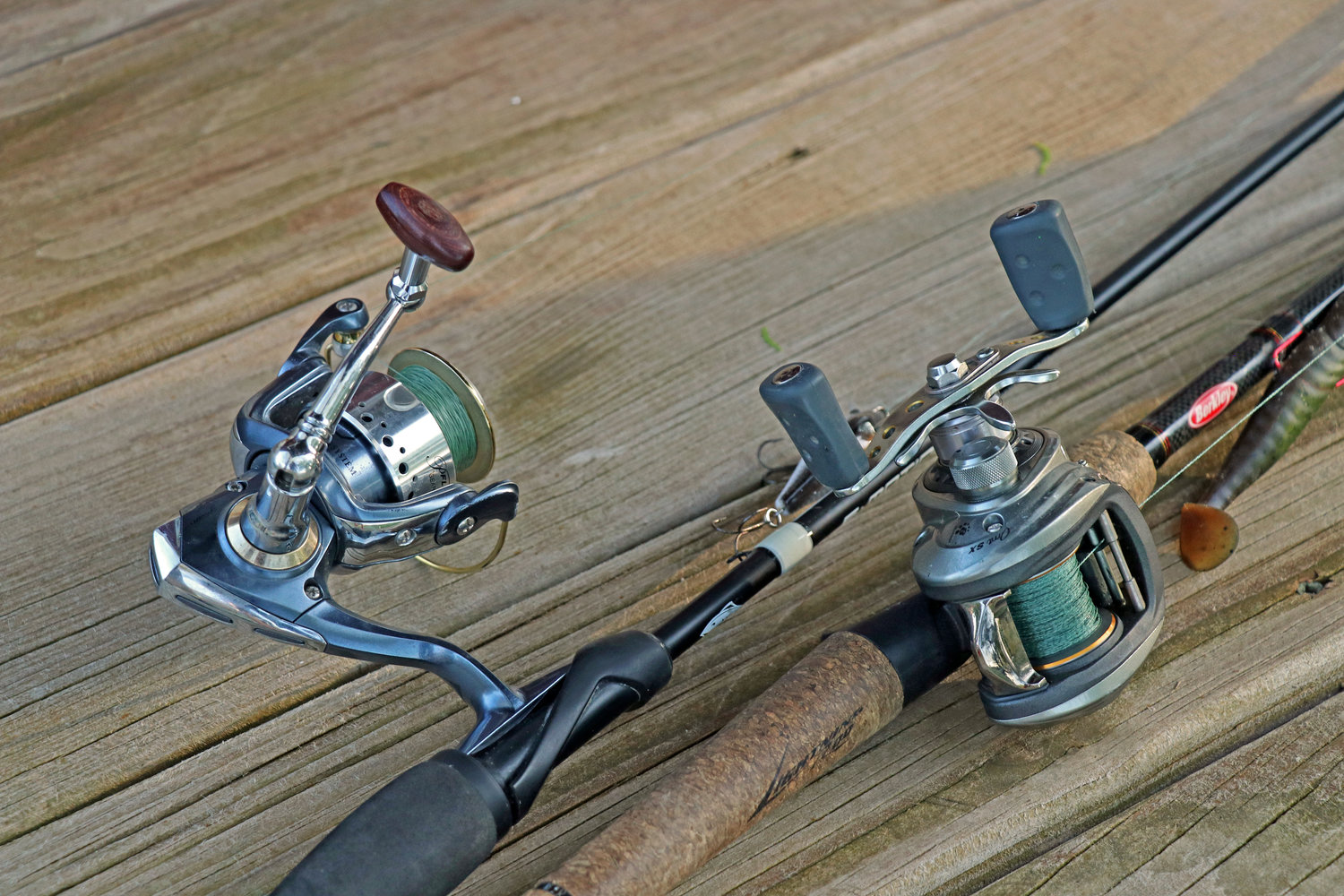
- Spinning Rods: Good for beginners and light fishing.
- Baitcasting Rods: Offer more control for experienced fishers.
- Fly Rods: Made for fly fishing in rivers and streams.
- Trolling Rods: Used for fishing from a moving boat.
Matching Reel To Rod
Pick a reel that fits your rod well. The reel and rod should balance together.
Spinning rods need spinning reels. Baitcasting rods need baitcasting reels.
- Spinning Reels: Easy to use and good for light lines.
- Baitcasting Reels: Offer accuracy and power for heavy fish.
- Fly Reels: Simple design for fly fishing setups.
Consider Fishing Environment
Think about where you will fish. Different places need different gear.
Freshwater fishing needs lighter rods. Saltwater fishing needs stronger, corrosion-resistant gear.
- Rivers and Streams: Use light to medium rods for small fish.
- Lakes and Ponds: Medium rods fit most fish types.
- Saltwater Beaches or Boats: Use heavy rods and reels that resist rust.
Assemble The Rod Components
Setting up a fishing rod is simple if you follow the right steps. Start by gathering all parts of the rod.
Careful assembly helps the rod work better and last longer. Take your time to put it together correctly.
Attach The Reel To The Rod
First, find the reel seat on the rod handle. This is where the reel will fit securely.
Slide the reel foot into the reel seat. Tighten the locking mechanism to hold it in place.
- Check that the reel does not wobble
- Make sure the reel handle is on the correct side
- Tighten screws or rings firmly but do not over-tighten
Secure The Rod Sections
If your rod has multiple sections, connect them carefully. Align the guides before joining each piece.
Push the sections together firmly. Avoid forcing them, as this can cause damage.
- Hold the thicker part of the section while joining
- Twist slightly to lock the pieces together
- Make sure each section fits snugly without gaps
Check For Proper Alignment
Look along the rod to check the line guides. They should form a straight line from the base to the tip.
If the guides are not aligned, the fishing line may not flow smoothly during casting.
- Turn the rod so all guides line up
- Adjust sections slightly if guides are off
- Ensure the tip guide is straight and secure
Spool The Line Correctly
Setting up your fishing rod starts with spooling the line correctly. This step helps you avoid tangles and line breaks while fishing.
Pay close attention to how you handle the line. Proper spooling makes casting and reeling smoother and more effective.
Select The Appropriate Fishing Line
Choose a fishing line that fits the type of fish you want to catch. Different lines have various strengths and uses.
Consider the line’s test strength and material. This will affect your fishing experience.
- Monofilament lines are flexible and easy to handle
- Fluorocarbon lines are less visible underwater
- Braid lines are strong and thin for heavy fishing
Thread The Line Through Guides
Start by pulling the line from the spool. Pass the line through each guide on the rod, starting from the tip.
Make sure the line runs smoothly without twisting. This helps prevent snags and improves casting distance.
- Check each guide for damage before threading
- Keep the line tight while threading
- Use the correct order from tip to reel
Wind The Line Evenly On The Reel
Hold the line tight and start turning the reel handle slowly. Wind the line evenly across the spool.
Even winding avoids clumps and tangles. Stop when the spool is nearly full but not overfilled.
- Keep steady tension on the line
- Fill the spool to about 1/8 inch from the edge
- Check for overlapping or loose loops
Credit: www.texaskayakfisher.com
Tie The Hook And Add Tackle
Setting up a fishing rod correctly helps you catch more fish. Two key parts are tying the hook and adding tackle.
These steps ensure your line is strong and your bait stays in place. Let’s look at how to do them right.
Choose The Right Hook
Pick a hook size that fits the fish you want to catch. Small hooks work for small fish, big hooks for bigger fish.
Match the hook shape to your bait. Circle hooks are good for live bait, while J-hooks work with many types.
- Small hooks: for panfish and trout
- Medium hooks: for bass and catfish
- Large hooks: for pike and saltwater fish
- Circle hooks: reduce fish injury
- J-hooks: versatile for many baits
Use Strong Knots
Tie the hook with a knot that will not slip or break. Strong knots hold your hook and bait firmly.
Try the improved clinch knot or Palomar knot. These knots are easy and very secure for fishing lines.
- Improved clinch knot: good for monofilament lines
- Palomar knot: strong and easy to tie
- Test knots before fishing to avoid losing fish
Attach Weights And Bobbers
Weights help your bait sink to the right depth. Bobbers keep your bait floating and show when a fish bites.
Attach weights above the hook. Place bobbers higher on the line so they stay visible on the water’s surface.
- Split shot weights: easy to add and remove
- Egg sinkers: slide on the line, good for deep water
- Bobbers: round or oval shapes, adjust depth by moving them
- Balance weights and bobbers for best bait position
Adjust The Drag System
The drag system controls how much resistance a fish feels when it pulls the line. Setting it correctly helps protect your fishing line and rod.
Knowing how to adjust the drag can make your fishing experience smoother and more successful.
Purpose Of Drag
The drag system lets the fishing line slip out under pressure. This prevents the line from breaking if a fish pulls hard.
It also tires the fish, making it easier to reel in.
Setting Drag For Different Fish
Different fish need different drag settings. Larger fish need stronger drag, while smaller fish need lighter drag.
- Light drag: for small fish like trout or panfish
- Medium drag: for medium fish like bass or walleye
- Strong drag: for large fish like catfish or pike
Testing Drag Tension
Test the drag tension before fishing. Pull the line by hand and feel the resistance.
| Drag Setting | How to Test | Result |
| Too Loose | Line pulls easily with little force | Line may slip too much, fish can take too much line |
| Ideal | Line pulls with firm resistance but moves smoothly | Line holds without breaking, fish tires out |
| Too Tight | Line barely moves or is hard to pull | Line may break under pressure |
Practice Casting Techniques
Learning to cast your fishing rod correctly helps you catch more fish. Practice makes your casting smoother and more effective.
This guide covers basic casting motions, how to control the line release, and ways to improve accuracy and distance.
Basic Casting Motions
Start by holding the rod firmly but not too tight. The casting motion should be smooth and controlled. Use your wrist and forearm to guide the rod backward and then forward.
- Keep your elbow close to your body
- Bring the rod back slowly to avoid tangles
- Snap the rod forward with a gentle flick of the wrist
- Follow through with your arm pointing toward the target
Controlling The Line Release
Control the line release by adjusting the reel and your hand. Let the line out smoothly to avoid tangles and improve casting distance.
| Action | How to Do It |
| Open the bail | Flip the bail arm to free the line |
| Thumb on spool | Lightly hold the spool with your thumb |
| Release line | Lift your thumb at the right moment to let the line fly |
| Close the bail | Turn the handle to close the bail and retrieve the line |
Improving Accuracy And Distance
Practice aiming at targets and varying your casting force. Use steady movements to increase accuracy and stronger flicks for distance.
- Choose a clear area free from obstacles
- Focus on a specific point to aim your cast
- Practice different casting speeds
- Keep your body balanced and relaxed
Maintain Your Fishing Rod
Keeping your fishing rod in good shape helps it last longer. Proper care improves your fishing experience.
Follow simple steps after each use to protect your rod from damage and wear.
Cleaning After Use
Clean your fishing rod after every trip. Dirt, salt, and debris can harm the rod and guides.
Use fresh water and a soft cloth to wipe the rod gently. Avoid harsh chemicals that can damage the finish.
- Rinse the rod with fresh water
- Use a soft cloth to clean dirt and salt
- Dry completely before storing
- Check guides for stuck debris
Storing Properly
Store your fishing rod in a dry, cool place away from direct sunlight. This prevents warping and fading.
Use a rod rack or holder to keep it straight. Avoid leaning it against walls or leaving it on the floor.
- Keep rods off the ground
- Use a rod rack or holder
- Store in a dry, shaded area
- Avoid extreme temperatures
Regular Inspections
Check your fishing rod often for any signs of damage. Look at the guides, reel seat, and rod blank.
Fix small problems early to avoid bigger damage. Replace broken parts as needed to keep your rod working well.
- Inspect guides for cracks or bends
- Check the reel seat for tightness
- Look for cracks or splinters on the rod
- Replace damaged parts promptly

Credit: fishgenix.com

Credit: www.battlbox.com
Frequently Asked Questions
How Do I Assemble A Fishing Rod Step-by-step?
First, connect the rod sections firmly. Attach the reel to the rod’s reel seat. Thread the fishing line through all guides. Tie a suitable fishing knot to secure the hook or lure. Finally, adjust the drag and test the setup.
What Type Of Fishing Line Is Best For Beginners?
Monofilament line is ideal for beginners. It is affordable, flexible, and easy to handle. This line suits most freshwater fishing situations. It also knots well and is more forgiving for new anglers.
How Do I Choose The Right Fishing Rod Length?
Choose rod length based on your fishing style and location. Shorter rods (5-6 feet) work well for close casting. Longer rods (7-9 feet) help with long-distance casting and control. Match the rod length to your fishing needs.
What Is The Correct Way To Thread A Fishing Rod?
Start threading the line through the tip-top guide. Then pass it through each guide toward the reel. Make sure the line sits inside each guide ring. This ensures smooth casting and prevents tangles.
Conclusion
Setting up a fishing rod is simple with practice. Start with the basics. Choose the right rod and reel. Match them properly for better results. Attach the fishing line securely. Add the hooks, sinkers, and bait. Practice casting in an open area.
This helps improve your skills. Always check the weather before fishing. Safety should be your top priority. Enjoy the peaceful time by the water. Fishing can be a relaxing hobby. Share your experiences with family and friends. Keep learning and exploring new fishing spots.
Happy fishing!