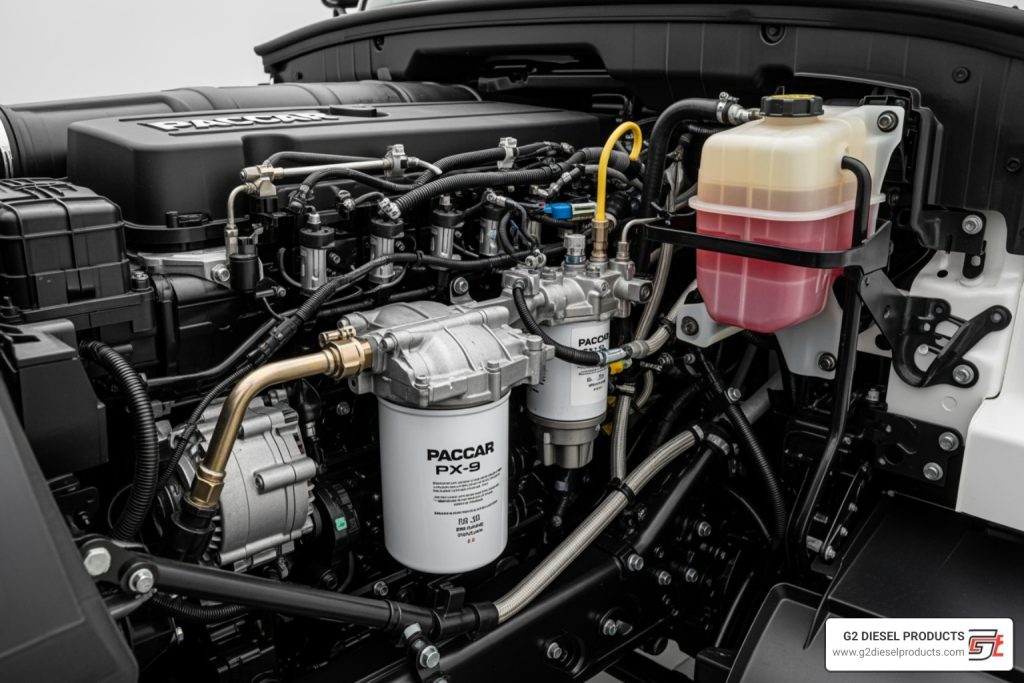
Are you having trouble starting your engine or noticing that your vehicle won’t run smoothly? The problem might be with your fuel system, and knowing how to prime it could save you time and money.
Priming the fuel system is a simple but crucial step to make sure fuel flows correctly to your engine. You’ll learn easy, step-by-step instructions to get your fuel system working like new again. Keep reading, and you’ll be ready to tackle this task confidently, even if you’re not a mechanic.

Credit: www.g2dieselproducts.com
Fuel System Basics
The fuel system moves fuel from the tank to the engine. It helps the engine run smoothly.
Priming the fuel system is important to start the engine without problems. It fills fuel lines with fuel.
Fuel System Components
The fuel system has parts that work together to deliver fuel. Each part has a simple job.
- Fuel Tank:Stores the fuel safely.
- Fuel Pump:Moves fuel from the tank to the engine.
- Fuel Filter:Cleans the fuel before it reaches the engine.
- Fuel Injectors or Carburetor:Sends the right amount of fuel into the engine.
- Fuel Lines:Carry fuel between parts.
Role Of Fuel Priming
Fuel priming removes air from fuel lines. Air can stop the engine from starting.
Priming fills the fuel system with fuel. It helps the pump and engine work right.
- Prevents air pockets in fuel lines.
- Makes starting the engine easier.
- Protects the fuel pump from damage.
- Ensures smooth fuel flow.
Signs Fuel Priming Is Needed
Fuel priming is important to get fuel flowing properly in the engine. It helps avoid starting problems and engine damage.
Knowing the signs that fuel priming is needed can save time and prevent costly repairs. Watch for these clear signals.
Engine Won’t Start
If your engine won’t start, it may need fuel priming. Without fuel, the engine cannot ignite or run.
Fuel lines can have air pockets or blockages that stop fuel flow. Priming clears these issues and helps start the engine.
- Engine turns over but does not fire
- Starter motor works but no ignition
- Fuel pump noise is weak or absent
Fuel Starvation Symptoms
Fuel starvation means the engine is not getting enough fuel. This causes poor performance and rough running.
Priming the fuel system can fix fuel starvation by ensuring steady fuel flow and pressure to the engine.
- Engine sputters or stalls while running
- Loss of power during acceleration
- Engine runs unevenly or hesitates
- Fuel gauge shows enough fuel but engine struggles
Tools And Materials Required
Priming the fuel system is important to start your engine smoothly. You need the right tools and materials before you begin.
This guide lists the basic equipment and safety gear you should have ready.
Basic Equipment List
You need some basic tools to prime the fuel system properly. These tools help you work safely and efficiently.
- Fuel primer pump or hand pump
- Fuel line or hose
- Wrenches or pliers for fittings
- Clean container for catching fuel
- Rags or towels for cleaning spills
- Flashlight for better visibility
- Owner’s manual for specific instructions
Safety Gear
Wear safety gear to protect yourself from fuel and accidents. Fuel is flammable and can irritate your skin.
Use this gear every time you work on the fuel system.
- Safety goggles to protect your eyes
- Gloves to keep your hands clean and safe
- Long sleeves to protect your arms
- Closed-toe shoes for foot protection
- Fire extinguisher nearby in case of fire

Credit: www.reddit.com
Step-by-step Fuel Priming Process
Priming the fuel system prepares your engine to start smoothly. It removes air and fills the fuel lines with gas. This process helps avoid engine stalls and hard starts.
Follow these simple steps to prime the fuel system correctly. This guide covers finding the primer pump and using manual and electric priming methods.
Locate The Primer Pump
The primer pump is often near the fuel filter or engine. It looks like a small bulb or button you can press or squeeze. You might see it on the fuel line or attached to the fuel filter housing.
Check your engine manual if you cannot find the primer pump. It will show the exact location and how to use it safely.
Manual Priming Techniques
Manual priming uses the primer bulb or lever to push fuel into the engine. You press or squeeze the bulb several times to move fuel through the lines. This removes air and fills the system.
- Locate the primer bulb or lever
- Squeeze or press it firmly several times
- Watch for fuel to flow and air bubbles to stop
- Stop priming once the bulb feels firm or fuel flows freely
Do not over-prime because it may flood the engine. If the bulb feels hard, the system is full.
Using Electric Primer Pumps
Electric primer pumps use a small motor to push fuel automatically. You usually activate them with a switch or key. The pump runs for a few seconds to fill the fuel lines.
- Turn the ignition to the “on” position without starting
- Activate the electric primer pump switch
- Run the pump for the recommended time, often 5 to 10 seconds
- Turn off the pump once fuel reaches the engine
Listen for the pump sound and watch for fuel flow. Do not run the pump too long to avoid flooding.
Troubleshooting Common Issues
Priming the fuel system is important for engine start and performance. Sometimes, problems stop the fuel from flowing well. Knowing how to find and fix these issues saves time and avoids damage.
This guide covers common problems like airlocks, leaks, clogged lines, and bad primer pumps. Each problem has simple checks and fixes.
Airlocks And Leaks
Airlocks happen when air gets trapped in the fuel system. This stops fuel from reaching the engine. Leaks let fuel escape, causing pressure loss and poor engine start.
Check all fuel lines and connections for cracks or loose fittings. Tighten clamps and replace damaged parts. To remove airlocks, open bleed screws or run the primer pump until fuel flows freely.
- Inspect fuel lines for cracks or holes
- Tighten all clamps and fittings
- Open bleed screws to release trapped air
- Use primer pump to push fuel through
Clogged Fuel Lines
Dirt and debris can block fuel lines. This stops fuel flow and causes engine problems. Check for slow or no fuel delivery signs.
Remove the fuel line and inspect it. Clean or replace if dirty. Use fuel filters to stop dirt from entering the system in the future.
- Remove and inspect fuel lines
- Clean or replace clogged lines
- Install or check fuel filters
- Keep fuel tanks clean
Faulty Primer Pump
The primer pump pushes fuel into the system before starting. A broken pump stops fuel flow and causes hard starts. Test the pump by pressing it and feeling for pressure.
If the pump feels soft or does not push fuel, it may need repair or replacement. Check for cracks or leaks on the pump body.
- Press the primer pump to check pressure
- Look for cracks or leaks on the pump
- Replace the pump if it is damaged
- Test fuel flow after repair
Credit: www.greentractortalk.com
Maintenance Tips For Fuel System
Keeping your fuel system in good shape helps your engine run smoothly. Regular care prevents problems and saves money.
This guide explains how to prime the fuel system with simple maintenance steps.
Regular Inspection
Check the fuel system often to find leaks or damage early. Look for cracks or loose parts in the fuel lines.
Inspect the fuel pump and connections for wear. Early fixes prevent bigger problems later.
- Look for fuel leaks or smells
- Check hoses for cracks or stiffness
- Ensure fuel pump works well
- Tighten any loose clamps or fittings
Cleaning Fuel Components
Clean parts like fuel injectors and carburetors to stop clogging. Dirt blocks fuel flow and reduces engine power.
Use safe cleaners and tools to remove buildup. Keep fuel system parts dry and free of debris.
- Remove dirt from fuel injectors
- Clean carburetor jets carefully
- Wipe down fuel tank openings
- Use approved fuel additives to clean internally
Replacing Filters
Fuel filters trap dirt and stop it from reaching the engine. Change filters on schedule for best results.
Old filters reduce fuel flow and strain the fuel pump. Use the correct filter type for your vehicle.
- Replace fuel filters every 12,000 to 15,000 miles
- Use filters recommended by the vehicle maker
- Check filters more often if driving in dusty areas
- Dispose of old filters properly
Frequently Asked Questions
How Do You Prime A Fuel System Safely?
To prime a fuel system safely, turn off the engine and release pressure. Use a manual pump or key ignition to circulate fuel. Follow vehicle-specific instructions and avoid sparks or open flames during the process.
Why Is Priming The Fuel System Important?
Priming removes air from fuel lines, ensuring proper fuel flow. It prevents engine stalling, hard starts, and damage to fuel components. This step is crucial after repairs or fuel system maintenance.
How Long Does It Take To Prime A Fuel System?
Priming typically takes 1 to 5 minutes, depending on vehicle type. It ends when fuel flows smoothly without air bubbles. Always check manufacturer guidelines for exact timing.
Can I Prime A Fuel System Without Special Tools?
Yes, some vehicles allow priming by turning the ignition key or using a manual pump. However, tools like a fuel pressure gauge may help confirm proper priming.
Conclusion
Priming the fuel system ensures smooth engine performance. It prevents air locks. A correctly primed system saves time and frustration. Follow each step carefully for best results. Always use clean, fresh fuel. Regular maintenance keeps your engine healthy. Simple checks can avoid big problems later.
Remember, practice makes perfect. Over time, you’ll get better and faster. Share this guide with friends who might need it. Keep your vehicle running smoothly with these easy tips. Stay safe on the road. Happy driving!