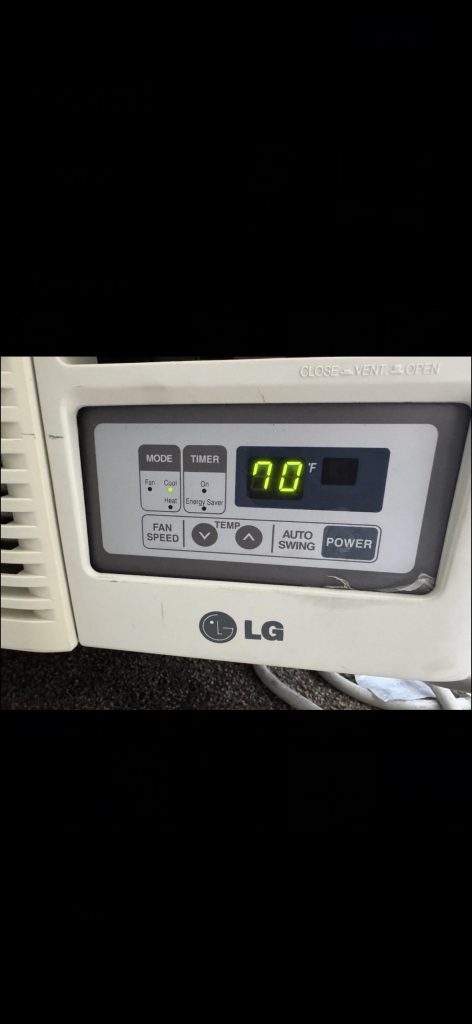
Have you ever wondered what temperature your air conditioner actually blows out? You might expect it to be freezing cold, but the truth is more interesting—and important for your comfort and energy bills.
Understanding how your AC works and the temperature it produces can help you set it just right. Keep reading to discover the facts behind your air conditioner’s cool air and how to make the most of it every time you turn it on.

Credit: northnjhvac.com
How Air Conditioners Cool Air
Air conditioners keep rooms cool by removing heat from the air. They use a special process to lower the air temperature.
This process involves changing the state of a cooling fluid and moving heat outside the building.
Basic Cooling Mechanism
An air conditioner pulls warm air from the room and passes it over cold coils. These coils have a cold liquid inside them.
As the air touches the cold coils, it cools down and the air conditioner blows this cooler air back into the room.
Role Of Refrigerants
Refrigerants are special liquids that absorb heat well. They change from liquid to gas and back during cooling.
When refrigerant evaporates, it takes heat from the air. When it condenses, it releases heat outside.
- Refrigerant evaporates inside the indoor coil, cooling the air.
- It then moves outside to release heat.
- The cycle repeats to keep the room cool.
Heat Exchange Process
Heat exchange happens in two main parts of an air conditioner: the evaporator and the condenser.
The evaporator coil inside the room absorbs heat from the air. The condenser coil outside releases the heat into the air.
- Warm indoor air passes over the cold evaporator coil.
- The refrigerant inside the coil absorbs heat and cools the air.
- Refrigerant carries heat to the outdoor condenser coil.
- Heat transfers from the refrigerant to outside air.

Credit: www.youtube.com
Typical Air Conditioner Output Temperatures
Air conditioners cool indoor spaces by blowing out cold air. The temperature of this air changes based on many things. Knowing typical output temperatures helps you understand how your AC works.
This guide explains the usual cold air temperature range. It also covers what affects air temperature and how indoor and outdoor temps play roles.
Average Cold Air Temperature Range
Most air conditioners blow cold air between 40 and 55 degrees Fahrenheit. This range keeps rooms comfortable and cool. The exact temperature depends on the unit and settings.
The air coming from the vents usually feels much colder than the room air. This is because the AC lowers the temperature by about 15 to 25 degrees below the room temperature.
- Typical output temperature: 40°F to 55°F (4°C to 13°C)
- Temperature drop from room air: 15°F to 25°F (8°C to 14°C)
- Depends on AC model and fan speed
Factors Influencing Air Temperature
The air temperature from an AC changes due to several factors. These include the AC’s power, the room size, and the air filter condition. Poor maintenance can reduce cooling efficiency.
Other things affect temperature output. These are the thermostat setting, outdoor temperature, and how often the AC runs. A dirty filter or blocked vents also lower cooling power.
- AC unit size and capacity
- Room size and insulation
- Thermostat temperature setting
- Cleanliness of filters and vents
- Outdoor temperature
Indoor Vs Outdoor Temperature Effects
Outdoor temperature impacts how cold the AC air can get. On very hot days, the AC must work harder to cool the air. This can raise the temperature of the air coming out.
Indoor temperature also matters. If the room is very hot, the AC will blow colder air to balance it. If the room is cooler, the AC output will be less cold to maintain comfort.
- Hot outdoor air makes cooling harder
- AC air temperature rises on very hot days
- Higher indoor temps cause colder air output
- Cool indoor temps reduce AC output chill
Setting Optimal Air Conditioner Temperature
Knowing the right temperature to set your air conditioner helps keep your home comfortable. It also saves energy and protects your health.
This guide explains the best temperature settings for air conditioners. It covers energy use and comfort tips.
Recommended Temperature Settings
The ideal temperature varies by season and personal preference. Most experts suggest a range that balances comfort and efficiency.
- Set your air conditioner to 78°F (26°C) when you are home and active.
- Raise the temperature to 85°F (29°C) or turn off the AC when you leave the house.
- Use a programmable thermostat to manage temperature changes automatically.
Energy Efficiency Considerations
Saving energy lowers your bills and helps the environment. Small changes in temperature settings can have a big impact.
| Temperature Setting | Energy Use Impact |
| 72°F (22°C) | High energy use, less savings |
| 78°F (26°C) | Moderate energy use, balanced savings |
| 85°F (29°C) | Low energy use, maximum savings |
Comfort And Health Factors
Comfort and health depend on temperature and humidity. Setting the AC too low can cause dryness and illness.
- Keep the temperature at a level that feels cool but not cold.
- Use a humidifier if the air feels too dry.
- Clean or replace filters regularly to improve air quality.
Common Issues Affecting Air Conditioner Temperature
Air conditioners must blow cool air to keep rooms comfortable. Sometimes, the air does not feel cold enough. This can happen for different reasons.
Knowing the common problems helps you fix the issue faster. Here are some frequent causes of poor cooling.
Dirty Filters And Coils
Filters and coils collect dust and dirt over time. This blocks airflow and reduces cooling efficiency. The air conditioner must work harder to cool the air.
- Dirty filters reduce air flow
- Clogged coils lower heat exchange
- Increased energy use and wear on parts
- Air may feel warmer than usual
Refrigerant Leaks
Refrigerant is the fluid that cools the air. Leaks cause low refrigerant levels. This stops the air conditioner from cooling well.
| Symptom | Effect |
| Low refrigerant | Less cool air |
| Ice on coils | Blocked airflow |
| High energy bills | Increased power use |
| Short cycling | System turns on/off fast |
Thermostat Malfunctions
The thermostat controls the air conditioner’s temperature. If it fails, the AC may not cool the room properly. Sometimes, it gives wrong readings.
- Thermostat shows wrong temperature
- AC runs too long or not enough
- Room stays too warm or too cold
- System does not respond to settings
Measuring Air Conditioner Output Temperature
Knowing the temperature that your air conditioner blows helps you check if it works well. Measuring this temperature is simple and shows if your AC cools the air properly.
This guide explains how to measure AC output temperature using easy methods. You will learn when to call a technician too.
Using A Thermometer
Use a digital or analog thermometer to measure the air coming from your AC vents. Place the thermometer close to the vent and wait for the reading to stabilize.
- Turn on the air conditioner and set it to cool mode.
- Hold the thermometer near the vent for about one minute.
- Note the temperature displayed on the thermometer.
Checking Airflow Temperature Difference
The difference between the room air temperature and the AC vent temperature shows how well the system works. A good air conditioner usually lowers the air temperature by 15 to 20 degrees Fahrenheit.
| Room Temperature (°F) | AC Vent Temperature (°F) | Temperature Difference (°F) |
| 80 | 60 | 20 |
| 75 | 58 | 17 |
| 85 | 65 | 20 |
When To Call A Technician
If your AC vent temperature is not at least 15 degrees cooler than the room, the system might have issues. Call a technician if you notice these problems:
- AC blows warm or only slightly cool air
- Unusual noises or smells from the unit
- Water leaks near the indoor unit
- Thermostat does not respond properly
Improving Air Conditioner Cooling Performance
Air conditioners cool the air by removing heat from inside your home. The temperature they blow out depends on the settings and the unit’s condition.
To keep your air conditioner working well, you need to care for it properly. Improving its cooling helps save energy and keeps your home comfortable.
Regular Maintenance Tips
Clean or replace air filters every month. Dirty filters block airflow and reduce cooling.
Check and clean the coils on your AC unit. Dust and dirt make it work harder and cool less.
- Change filters regularly
- Clear debris around outdoor unit
- Inspect coils and fins for dirt
- Schedule professional tune-ups yearly
Sealing And Insulating Spaces
Seal cracks and gaps around windows and doors. This stops cool air from escaping and warm air from entering.
Good insulation in walls and attics keeps your home cooler. It reduces the work your air conditioner must do.
- Use weatherstripping on doors and windows
- Seal gaps with caulk or foam
- Add insulation to walls and attic
- Cover windows with reflective films or curtains
Upgrading To Efficient Models
Older air conditioners use more energy and cool less. New models have better technology that cools efficiently.
Look for units with a high SEER rating. These models save energy and keep your home cooler.
- Choose ENERGY STAR® certified models
- Pick the right size for your home
- Consider units with smart thermostats
- Upgrade to inverter technology for better cooling
Credit: heatable.co.uk
Frequently Asked Questions
What Temperature Does An Air Conditioner Usually Blow?
An air conditioner typically blows air between 50°F and 60°F. This range effectively cools indoor spaces while maintaining comfort and energy efficiency.
How Does Air Conditioner Temperature Affect Cooling?
The blower temperature influences how fast a room cools. Lower temperatures provide quicker cooling but may increase energy use.
Can I Adjust The Air Conditioner’s Blowing Temperature?
Yes, you can set the desired temperature on the thermostat. Most units automatically regulate the air temperature to match your settings.
Why Does My Air Conditioner Blow Warm Air Sometimes?
Warm air can occur due to low refrigerant, dirty filters, or compressor issues. Regular maintenance prevents this problem.
Conclusion
An air conditioner’s temperature affects comfort and energy use. Most units blow between 60-70°F. This range ensures a cool, pleasant environment. Regular maintenance keeps the system efficient. Check filters and settings often. Adjust settings to save energy and costs. Understanding your unit helps in making smart choices.
Stay cool, save energy. Enjoy a comfortable home. Always remember to consult a professional for complex issues. They can provide expert advice and solutions. Keep your living space comfortable and efficient. With a little attention, your air conditioner works best.
Stay informed and enjoy the cool air.