Are you ready to boost your fishing game? Putting on new fishing line might seem simple, but doing it right can make all the difference between a great catch and a frustrating day by the water.
If your line is old, tangled, or worn out, it’s time for a fresh start. In this guide, you’ll learn step-by-step how to put on new fishing line quickly and correctly. Keep reading, and you’ll be casting with confidence in no time.
Choosing The Right Fishing Line
Choosing the right fishing line is important for a good fishing experience. The line affects how you cast, catch, and reel in fish. Different lines work better for different types of fishing.
This guide will help you understand the types of fishing lines, their strength, and how to match them with your reel and rod.
Types Of Fishing Lines
There are three main types of fishing lines: monofilament, fluorocarbon, and braided. Each has unique features that fit different fishing needs.
- Monofilament:Soft and stretchy. Good for beginners and general use.
- Fluorocarbon:Nearly invisible underwater. Best for clear water fishing.
- Braided:Very strong and thin. Works well for heavy cover and deep water.
Line Strength And Thickness
Line strength is measured in pounds (lb) and shows how much weight the line can hold before breaking. Thickness affects casting distance and sensitivity.
| Line Type | Typical Strength (lb) | Thickness (mm) |
|---|---|---|
| Monofilament | 4 – 20 | 0.20 – 0.40 |
| Fluorocarbon | 6 – 30 | 0.18 – 0.35 |
| Braided | 10 – 65 | 0.10 – 0.40 |
Matching Line To Reel And Rod
It is important to match your fishing line to your reel and rod. The reel’s capacity must hold the line length and strength. The rod’s power and action should fit the line strength for better control.
- Check the reel label for line capacity and recommended strength.
- Choose a rod with power that fits your chosen line strength.
- Use lighter lines for small rods and heavier lines for strong rods.
- Consider the type of fish and fishing conditions.
Preparing Your Equipment
Putting on new fishing line starts with getting your gear ready. Proper preparation helps your fishing work better.
Check your reel and spool before adding new line. Cleaning and inspection keep your setup smooth and strong.
Cleaning The Reel
Clean your reel to remove dirt and salt. This stops damage and keeps the reel turning freely.
- Wipe the reel with a soft cloth
- Use warm water and mild soap if needed
- Dry it completely before use
- Apply light oil to moving parts
Removing Old Line
Take off the old fishing line before putting on new. Old line can weaken your setup and cause tangles.
- Cut the old line near the spool
- Pull the line off carefully
- Check for any leftover line pieces
- Dispose of old line safely
Checking The Spool
Look over the spool for damage or dirt. A clean spool helps the line wind evenly.
| Spool Part | What to Check | Action Needed |
| Edges | Look for nicks or rough spots | Smooth with fine sandpaper |
| Center Hub | Check for dirt or rust | Clean and dry thoroughly |
| Drag System | Make sure it turns smoothly | Lubricate if needed |
Setting Up For Spooling
Putting new fishing line on your reel starts with good setup. Preparing the spool carefully helps the line go on evenly.
Taking time at the start can prevent tangles and make fishing more fun.
Attaching The Line To The Spool
First, secure the new line to the spool. Tie the line with a strong knot to keep it from slipping.
Make sure the knot is tight and close to the spool’s edge. This helps the line wrap smoothly.
Maintaining Line Tension
Keep the line tight as you spool it. Loose line can cause tangles and knots later.
Use your fingers or a cloth to hold the line firmly but gently as the spool turns.
- Tight line prevents loops and slack
- Even pressure helps layer the line neatly
- Too much pressure can damage the line
Using A Partner Or Line Holder
Having a partner hold the line spool makes spooling easier. They can keep the line tight and steady.
If alone, use a line holder or place the spool between heavy objects to stop it from spinning.
- Partner pulls line with steady tension
- Line holder stops spool from moving too fast
- Both methods reduce tangles and help control

Credit: www.youtube.com
Spooling The Line Correctly
Putting new fishing line on your reel needs care. Spooling the line right helps catch fish better. It also stops problems like tangles and weak spots.
Follow these tips to spool your fishing line properly. They will save you time and frustration on the water.
Winding Direction
Check how your reel winds the line. Most reels wind clockwise or counterclockwise. Match the line spool direction to your reel’s winding direction. This helps the line lay smooth and tight.
Avoiding Twists And Tangles
Twists and tangles weaken your line and cause frustration. Use these tips to avoid them:
- Let the line spool off the reel or pack slowly and evenly.
- Keep tension on the line while winding it onto the reel.
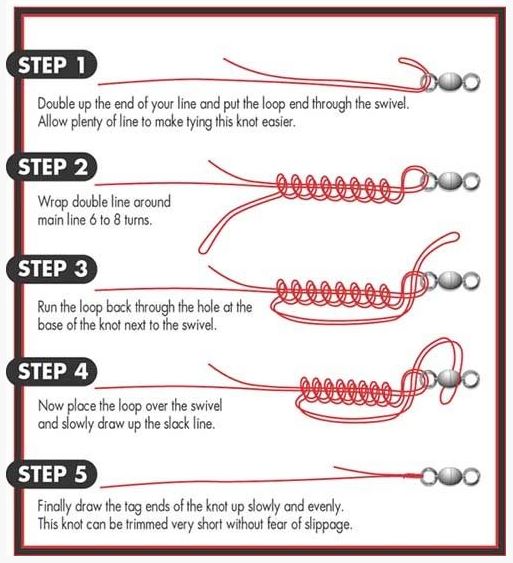
- Use a swivel if needed to stop the line from twisting.
- Check the line often for loops or knots.
Filling The Spool Properly
Fill the spool with line to the right level. Too little line lowers casting distance. Too much line can spill over and cause snags.
| Spool Size | Recommended Fill Level |
| Small (1000-2000 size) | About 1/8 inch from the edge |
| Medium (3000-4000 size) | About 1/4 inch from the edge |
| Large (5000+ size) | About 3/8 inch from the edge |
Finishing Touches
After you spool new fishing line onto your reel, the final steps ensure your setup works well. These finishing touches keep your line secure and ready for fishing.
Follow careful steps to secure the line, cut off extra length, and test your setup before you start fishing.
Securing The Line End
Make sure the line end is tied tightly to the reel spool. Use an improved clinch knot or an arbor knot. These knots stop the line from slipping during casting or retrieval.
- Thread the line through the spool eye.
- Wrap the tag end around the standing line 5 to 7 times.
- Pass the tag end through the loop near the eye.
- Pull the knot tight and trim the excess tag end.
Trimming Excess Line
Cut off extra line after tying. Leaving too much can cause tangles. Trim close to the knot but leave about 1/8 inch to prevent slipping.
| Tool | Purpose |
|---|---|
| Line Clippers | Cut line cleanly without fraying |
| Scissors | Trim excess tag ends carefully |
| Knife | For thicker lines or braid trimming |
Testing The Line Setup
Check your line setup to avoid problems on the water. Pull the line firmly to test the knot and spool tension. The line should not slip or loosen.
- Pull line to check knot strength.
- Turn the reel handle to confirm smooth winding.
- Cast a few times in an open area.
- Look for twists or tangles in the line.
- Adjust tension or re-tie knots if needed.
Common Mistakes To Avoid
Putting on new fishing line may seem easy. But many anglers make mistakes that cause problems later.
These errors can reduce your casting distance and cause line damage. Avoid these common problems for better fishing.
Overfilling The Spool
One common mistake is putting too much line on the spool. Overfilling can cause tangles and line breaks.
- Leave a small gap between the line and the spool edge.
- Do not fill the spool to the top.
- Check the spool capacity on your reel before adding line.
Loose Line Wrapping
Wrapping the line loosely on the spool leads to knots and uneven casting. Tight and even wrapping is key.
| Problem | Effect | Solution |
|---|---|---|
| Loose wrapping | Line slips and tangles | Keep tension on line while spooling |
| Uneven layers | Line snags on casting | Distribute line evenly across spool |
Ignoring Line Compatibility
Not all lines fit all reels. Using the wrong line type or strength causes damage and poor performance.
- Match line strength to your reel’s recommended range.
- Use line types suited for your fishing style.
- Check manufacturer guidelines before buying line.
Tips For Line Maintenance
Keeping your fishing line in good shape helps you catch more fish. Proper line care prevents breaks and tangles during fishing.
Follow simple habits to extend your line’s life and improve your fishing experience.
Regular Line Inspection
Check your fishing line before every trip. Look for nicks, frays, or discoloration. These signs weaken the line and can cause it to break.
- Run your fingers slowly along the line to feel for rough spots.
- Look closely for any cracks or worn areas.
- Replace the line if you spot damage or if it looks old.
- Keep an eye on the line near the reel and the rod guides.
Replacing Line Timely
Changing your line regularly keeps fishing smooth. Old line loses strength and may cause missed catches.
| Condition | Action |
| Line is discolored or brittle | Replace immediately |
| Line has nicks or frays | Cut damaged part or replace |
| After several fishing seasons | Change line for best performance |
Storing Your Reel Properly
Store your reel correctly to protect the line. Avoid heat, moisture, and dirt. These can weaken the line and reel parts.
- Keep the reel in a dry, cool place.
- Loosen the drag to reduce pressure on the line.
- Cover the reel to prevent dust and dirt buildup.
- Store reels vertically to avoid line tangles.
Credit: www.beadinggem.com

Credit: www.youtube.com
Frequently Asked Questions
How Do I Remove Old Fishing Line From My Reel?
Start by cutting the old line near the reel. Pull it out slowly to avoid tangles. Dispose of it properly to protect the environment.
What Type Of Fishing Line Should I Use?
Choose a line based on your fishing style. Monofilament is versatile and affordable. Braided line offers strength. Fluorocarbon is nearly invisible underwater.
How Do I Secure The New Line To The Reel?
Tie the line to the spool using an arbor knot. Make sure it’s tight to prevent slippage during casting or reeling.
How Much Fishing Line Should I Put On My Reel?
Fill the spool to about 1/8 inch below the rim. Overfilling causes tangles. Underfilling reduces casting distance and control.
Conclusion
Putting on new fishing line is simple with practice. Start by gathering your tools. Make sure your reel is clean. Follow each step carefully. This ensures a smooth fishing experience. Regularly check your line for tangles. Change it when necessary.
Proper maintenance extends your gear’s life. Enjoy the time spent fishing. Relax and connect with nature. Remember, practice makes perfect. Each time gets easier. Share your tips with fellow anglers. Happy fishing!