Have you ever gotten out of your car only to realize the headlights are still on? Leaving them on can drain your battery and leave you stranded.
But don’t worry—turning off your headlights is easier than you think. You’ll learn simple steps to make sure your headlights are off every time you park. Keep reading to save yourself from unexpected car troubles and protect your battery life.

Credit: www.youtube.com
Locating The Headlight Controls
Turning off your car headlights is important to save battery power. To do this, you first need to find the headlight controls.
The controls can be in different places depending on your car model. Knowing where to look helps you switch the lights off quickly.
Common Control Types
Headlight controls come in several common types. They usually include switches, knobs, or dials. Each type works a bit differently.
Some cars have simple on/off switches. Others use rotary knobs that turn to different settings. Some models use buttons for control.
- Switches: Flip up or down to change lights
- Knobs: Turn to select light modes
- Buttons: Press to toggle headlights
Dashboard And Steering Column Controls
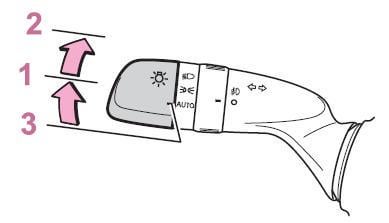
Many cars place the headlight controls on the dashboard or near the steering column. These spots are easy to reach while driving.
Dashboard controls may be a knob or switch on the left side of the steering wheel. Steering column controls often look like a stalk or lever.
- Dashboard controls: Usually a dial or switch near the driver’s side
- Steering column controls: A lever or stalk on the side of the steering wheel

Credit: www.youtube.com
Turning Off Manual Headlights
Manual headlights in a car require you to turn them off yourself. This is different from automatic lights that switch off on their own.
Knowing how to turn off manual headlights saves your car battery and keeps you safe.
Using The Headlight Switch
The headlight switch is usually on the dashboard or the steering column. It controls the main lights of the car.
- Find the headlight switch; it may be a knob or a lever.
- Turn the switch to the “off” position to stop the headlights.
- Some cars have a “parking lights” setting; make sure it is off too.
- If the switch has multiple settings, turn it until no lights are on.
Adjusting Dials And Knobs
Besides the main switch, some cars have dials or knobs to adjust light brightness. These must be set correctly to turn off headlights.
| Control | Function | Action to Turn Off |
|---|---|---|
| Dimmer Dial | Adjusts dashboard and headlight brightness | Turn fully down to lowest or off |
| Headlight Knob | Switches between headlight modes | Rotate to “off” position |
| Pull/Push Lever | Activates or deactivates lights | Push or pull to off setting |
Disabling Automatic Headlights
Automatic headlights turn on and off by themselves. They use sensors to detect light levels outside. Sometimes you need to turn them off manually.
This guide explains how the auto mode works and how to switch to manual mode.
How Auto Mode Works
Automatic headlights use light sensors to detect darkness. They switch on the headlights at dusk or in tunnels. The system helps save battery and improves safety.
- The sensor detects low light outside the car.
- The headlights turn on automatically.
- When light returns, the headlights switch off.
- Some systems adjust headlight brightness.
- The system works best in normal weather conditions.
Switching To Manual Mode
To disable automatic headlights, you must switch the control to manual mode. This lets you turn headlights off even in dark conditions.
| Action | Effect |
| Turn the headlight switch to “Off” | Headlights stay off until you turn them on again |
| Move switch from “Auto” to “Manual” | Disables automatic sensor control |
| Use dashboard controls if available | Some cars allow manual control via settings menu |
Check your car manual for exact switch location. Some cars have a dial or a button near the steering wheel.
Handling Daytime Running Lights
Daytime Running Lights (DRLs) help make your car visible during the day. They are not the same as regular headlights.
Knowing how to handle DRLs can improve safety and save battery power when needed.
Differences From Headlights
DRLs are lights that turn on automatically when the car moves. They are dimmer than headlights.
Headlights are brighter and used at night or in low visibility. DRLs do not light the road ahead well.
- DRLs turn on with the engine, headlights need manual control
- DRLs are dimmer, headlights are brighter
- DRLs improve visibility to others, headlights help you see the road
Turning Off Drls
Some cars let you turn off DRLs through the settings or controls. Check your car’s manual for details.
If your car does not allow turning off DRLs, you can try these options:
- Use the main light switch to turn on headlights; this may turn off DRLs
- Turn off the engine to stop all lights
- In rare cases, disable DRLs by removing a fuse (not recommended)
Troubleshooting Headlight Issues
Headlights are important for safe driving at night. Sometimes, headlights may not turn off as they should. This can drain your car battery or cause other problems.
Knowing how to fix headlight issues helps you avoid bigger repairs. Below are common problems and how to check for them.
When Headlights Won’t Turn Off
Sometimes, headlights stay on even after you switch them off. This can happen if the headlight switch is stuck or broken. It may also be caused by a faulty relay that controls the lights.
Check the headlight switch by turning it on and off a few times. If it feels loose or does not click properly, it might need replacing. Also, listen for clicking sounds from the relay when you turn the lights off.
- Inspect the headlight switch for damage
- Check the relay for clicking noise
- Look for stuck or broken switches
- Test the switch by turning it on and off
Checking For Electrical Problems
Electrical issues can cause headlights to stay on or work incorrectly. A bad wiring connection or a blown fuse may be the problem. Corroded terminals or damaged wires can also affect headlight function.
Use a multimeter to check for power at the headlight switch and fuse box. Look for blown fuses and loose wires. Clean any corroded terminals with a wire brush. Fix damaged wires to restore proper function.
- Check fuse box for blown fuses
- Inspect wiring for breaks or damage
- Clean corroded battery and terminal connections
- Use a multimeter to test electrical flow
Safety Tips For Headlight Use
Using headlights properly helps keep you and others safe on the road. Turning them off at the right time also protects your car’s battery.
Learn simple safety tips to avoid battery drain and ensure you stay visible to other drivers.
Avoiding Battery Drain
Leaving your headlights on can drain your car battery quickly. This may leave you stranded and cause extra repair costs.
- Always check that headlights are off before leaving the car.
- Use automatic headlight settings if your car has them.
- Turn off headlights when the engine is not running.
- Keep spare batteries or jumper cables in your car for emergencies.
Ensuring Visibility
Good visibility helps prevent accidents. Use headlights at dusk, dawn, and in bad weather to see and be seen.
| Condition | When to Use Headlights |
| Nighttime | Always turn on headlights |
| Rain or Fog | Use low beams for better visibility |
| Snow | Use headlights and fog lights if available |
| Sunset and Sunrise | Turn on headlights to be visible |

Credit: www.reddit.com
Frequently Asked Questions
How Do I Turn Off Car Headlights Manually?
To turn off car headlights manually, locate the headlight switch on the dashboard or steering column. Rotate or push the switch to the “off” position. Some cars require turning the key to the “off” position to fully power down the headlights.
Why Won’t My Car Headlights Turn Off?
If your headlights won’t turn off, the switch or relay may be faulty. Check for automatic headlight features or a timer that keeps them on. Consult a mechanic if the issue persists to avoid draining your battery.
Can Headlights Turn Off Automatically?
Yes, many modern cars have automatic headlights that turn off when the engine is off or after a delay. This feature prevents battery drain and enhances convenience. Check your vehicle’s manual to understand its automatic headlight settings.
What If My Headlights Stay On After Engine Off?
If headlights stay on after the engine is off, it may be due to a malfunctioning headlight switch or electrical issue. Turn the key to the off position and try manually switching the lights off. See a professional if the problem continues.
Conclusion
Turning off your car headlights is simple with practice. Familiarize yourself with the car’s controls. Look for the headlight switch near the steering wheel. Many cars have a knob or lever. Often labeled with symbols. Rotate or push to turn off.
Always ensure lights are off before leaving your car. This saves battery life. Keep the manual handy for any confusion. Regularly check for updates in car models. Newer models might have different systems. Safe driving starts with understanding your vehicle.
Now you can confidently manage your car’s headlights.