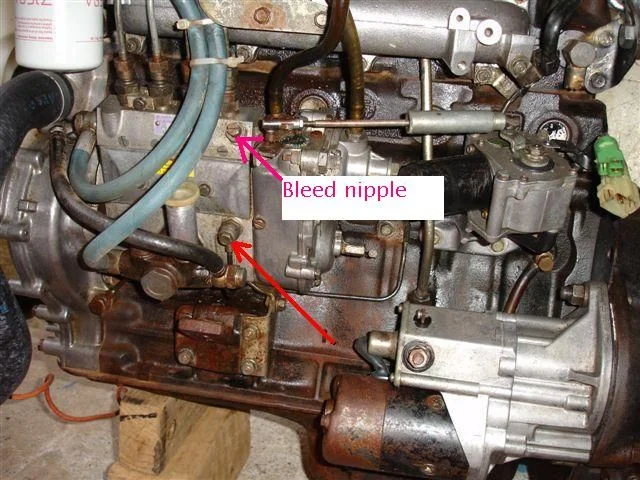
If your diesel engine is acting up or won’t start, the problem might be air trapped in your fuel system. Knowing how to bleed a diesel fuel system can save you time, frustration, and money.
In this guide, you’ll learn simple, step-by-step ways to get your engine running smoothly again. Whether you’re a seasoned mechanic or just starting out, this article will give you the clear instructions you need to fix the problem fast. Keep reading to take control of your diesel engine and avoid costly repairs.
Credit: www.4btswaps.com
Signs Of Air In Diesel Lines
Air in diesel fuel lines can cause serious engine problems. It blocks fuel flow and makes the engine run poorly.
Knowing the signs of air in the lines helps you fix the issue quickly. This keeps your diesel engine running smoothly.
Common Symptoms
Air in diesel lines shows up in many ways. You might hear strange noises or see the engine act up.
Look for these common symptoms to spot air in the fuel system:
- Hard starting or failure to start
- Engine sputters or stalls
- Irregular engine idle
- Loss of power during acceleration
- Fuel leaks or bubbles in the lines
- Unusual noises from the fuel pump
Impact On Engine Performance
Air in the diesel lines reduces fuel flow to the engine. This causes poor combustion and weak engine power.
The engine may run rough, lose speed, and use more fuel. These problems can damage the engine over time.
- Reduced engine power and efficiency
- Increased fuel consumption
- Engine hesitation or stalling
- Possible damage to fuel injectors
- Higher risk of engine failure
Tools Needed For Bleeding
Bleeding a diesel fuel system helps remove air from the lines. Air can stop the engine from running smoothly.
You need specific tools to do this safely and correctly. Using the right tools makes the job easier and faster.
Essential Equipment
You need a few key items to bleed a diesel fuel system. These tools help push out air and keep fuel flowing.
- Wrenches or spanners to open bleed screws
- Clear tubing to see air bubbles
- Fuel catch container to collect old fuel
- Hand pump or priming pump to move fuel
- Rags or cloths to clean spills
Having these tools ready before starting saves time and avoids mistakes.
Safety Gear
Safety gear protects you from fuel spills and fumes. Diesel fuel can irritate skin and eyes.
- Safety gloves to protect your hands
- Safety glasses to shield your eyes
- Protective clothing to avoid skin contact
- Well-ventilated area or mask to avoid fumes
- Fire extinguisher nearby in case of fire
Wear safety gear every time you work on the fuel system.
Preparing The Vehicle
Bleeding a diesel fuel system is important to keep your engine running well. You need to prepare the vehicle carefully before starting.
This guide helps you find the right parts and stay safe during the process.
Locating Fuel Components
Find the main parts of the fuel system before you begin. Knowing where each part is makes the job easier and faster.
- Locate the fuel tank where the diesel is stored.
- Find the fuel filter that cleans the diesel.
- Identify the fuel pump that moves diesel to the engine.
- Look for the bleed screw or valve on the fuel filter or pump.
- Check the fuel lines connecting these parts for leaks or damage.
Ensuring Safety Measures
Safety is very important before working on the fuel system. Diesel is flammable and can cause injury.
| Safety Step | Why It Matters |
| Wear gloves and safety glasses | Protect skin and eyes from diesel |
| Work in a well-ventilated area | Prevent breathing in harmful fumes |
| Keep open flames and sparks away | Stop fire or explosion risk |
| Have rags and a container ready | Clean spills quickly and safely |
| Turn off the engine and let it cool | Prevent burns and fuel flow |
Credit: www.defendersource.com
Bleeding Methods
Air can get trapped in diesel fuel systems. This stops the engine from running well. Bleeding removes the air and helps the engine start.
There are different ways to bleed a diesel fuel system. Each way uses different tools and steps.
Manual Priming Pump
A manual priming pump pushes fuel through the system. It helps remove air by forcing fuel along the pipes.
To use it, press the pump handle many times. Watch for bubbles in the fuel line. Stop when fuel flows without air.
- Locate the priming pump on the fuel system.
- Press the pump handle slowly and repeatedly.
- Check fuel lines for bubbles and leaks.
- Stop pumping when only fuel flows.
Bleed Screws Technique
Bleed screws let trapped air escape from the fuel system. They are small valves on fuel filters or pumps.
Open the bleed screw slightly. Pump fuel until no air bubbles come out. Then, close the screw tightly.
- Find the bleed screw on the fuel filter or pump.
- Loosen the screw carefully to let air out.
- Use the priming pump or crank engine to push fuel.
- Tighten the screw when fuel flows without air.
Using A Vacuum Pump
A vacuum pump pulls air out of the fuel system. It is useful for large or complex diesel engines.
Attach the vacuum pump to the fuel line. Turn it on to create suction. Watch fuel move and air escape until clear.
- Connect the vacuum pump to the fuel system.
- Start the pump to create suction.
- Observe fuel flow and air bubbles.
- Stop when only fuel flows through.
Step-by-step Bleeding Process
Bleeding a diesel fuel system removes air trapped in the fuel lines. Air can cause the engine to run poorly or not start. Follow these simple steps to bleed the system correctly.
Use basic tools and take safety precautions. This guide explains how to loosen bleed screws, pump fuel, and test the system.
Loosening Bleed Screws
Find the bleed screws on the fuel filter or injection pump. Use the correct wrench to loosen them slightly. Do not remove the screws completely.
Loosening allows trapped air to escape when fuel is pumped. Make sure you have a container or cloth to catch any spilled fuel.
Pumping Fuel
Use the hand primer pump or lift the fuel lever if your vehicle has one. Pump slowly to push fuel through the system. Keep pumping until fuel flows without air bubbles.
- Pump slowly and steadily
- Watch for clear fuel flow
- Stop if fuel leaks excessively
Tightening And Testing
Tighten the bleed screws after clear fuel flows. Use the wrench to secure them firmly but avoid overtightening. Start the engine and check for smooth running.
If the engine runs rough, repeat the bleeding process. Make sure no air remains in the system to avoid performance issues.
Troubleshooting Common Issues
Bleeding a diesel fuel system is important to keep the engine running well. Air in the system can cause problems. Knowing how to fix these common issues helps you save time.
This guide covers how to handle persistent air bubbles, engine not starting, and fuel leaks in the diesel system.
Persistent Air Bubbles
Air bubbles can stay trapped in the fuel lines after bleeding. This stops fuel flow and makes the engine run rough or stall.
Check for loose fittings or cracks in fuel lines. Tighten or replace any parts that let air enter the system.
- Inspect all fuel line connections for tightness
- Look for damaged or cracked hoses
- Repeat the bleeding process slowly to remove trapped air
- Use a clear hose to watch for bubbles during bleeding
Engine Won’t Start
If the engine does not start after bleeding, air may still be inside the fuel system or the fuel pump may fail.
Check the fuel filter for clogging. Replace it if dirty. Also, make sure the fuel tank has enough clean diesel.
- Verify fuel pump operation
- Replace clogged fuel filters
- Ensure fuel tank is filled with clean diesel
- Repeat bleeding to clear remaining air
Fuel Leaks
Fuel leaks cause air to enter the system and can be dangerous. Look for wet spots or smell diesel fuel around the engine.
Tighten all clamps and fittings. Replace any cracked or damaged fuel lines to stop leaks.
- Inspect all fuel lines and connections
- Tighten loose clamps and fittings
- Replace damaged hoses and seals
- Clean spilled fuel before testing the system
Maintenance Tips To Avoid Air Locks
Air locks in diesel fuel systems cause engine problems. They stop fuel flow and reduce performance.
Regular maintenance helps keep the fuel system clear and working well. You can avoid air locks by following simple tips.
Regular Fuel Filter Replacement
Fuel filters trap dirt and water that can block fuel flow. Replace the filter regularly to prevent clogs and air leaks.
Check the filter every 10,000 miles or as the vehicle manual suggests. Use the right filter type for your diesel engine.
Checking Fuel Lines
Fuel lines carry diesel from the tank to the engine. Look for cracks, leaks, or loose connections that can let air in.
- Inspect lines for damage or wear
- Tighten any loose fittings
- Replace cracked or brittle hoses
- Keep lines clean and free of debris
Proper Fuel Storage
Store diesel fuel in clean, sealed containers to avoid contamination and moisture buildup.
| Storage Tip | Reason |
|---|---|
| Use airtight containers | Prevents moisture entry |
| Keep fuel cool and shaded | Reduces fuel degradation |
| Avoid long storage times | Limits bacteria and algae growth |
| Clean containers regularly | Stops dirt contamination |

Credit: www.reddit.com
Frequently Asked Questions
What Is Diesel Fuel System Bleeding?
Diesel fuel system bleeding removes trapped air from the fuel lines. It ensures smooth engine start and prevents stalling. This process is vital after fuel filter changes or running out of fuel.
Why Is Bleeding A Diesel Fuel System Important?
Bleeding removes air pockets that block fuel flow. It improves engine performance and prevents damage. Without bleeding, the engine may misfire or fail to start.
How Do You Manually Bleed A Diesel Fuel System?
Locate the bleed screw on the fuel filter. Loosen it slightly and pump the primer bulb or hand pump. Tighten the screw once fuel flows without air bubbles.
How Often Should You Bleed A Diesel Fuel System?
Bleeding is necessary after fuel filter replacement or fuel depletion. Regular maintenance depends on vehicle use but generally occurs every 10,000 to 15,000 miles.
Conclusion
Bleeding a diesel fuel system can seem daunting. But it’s manageable. Follow the steps carefully. Use the right tools. Ensure your engine runs smoothly. Regular maintenance helps avoid fuel system issues. Check for leaks and air bubbles. Practice safety while working.
A well-maintained system boosts performance. You’ll save time and money. Your diesel engine will thank you. Keep these tips handy. Share your new knowledge with others. Encourage them to maintain their diesel systems too. Your efforts ensure a longer engine life.
Happy driving!