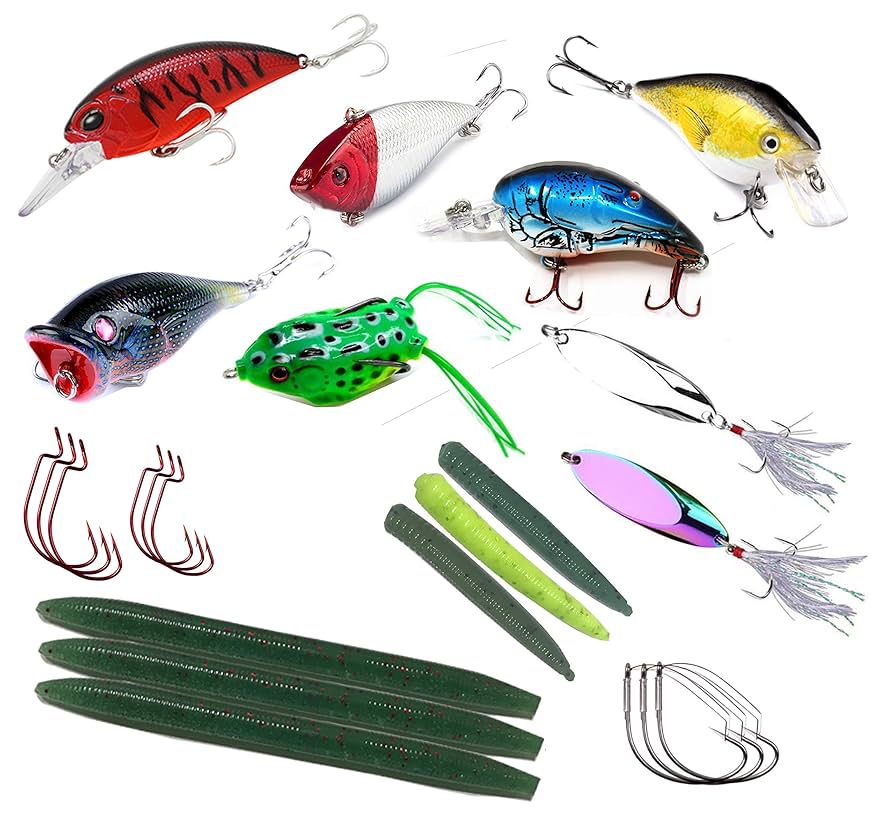
If you want to catch more bass, choosing the right lure is key. You might have tried different baits before but still wonder why the big bass keep slipping away.
The truth is, not all lures work the same, and knowing which ones to use can change your fishing game completely. You’ll discover the best lures that bass can’t resist. By the time you finish reading, you’ll have new tricks to attract more bites and reel in bigger fish.
Ready to improve your bass fishing success? Let’s dive in.
Best Lures For Bass Fishing
Bass fishing is popular among anglers of all skill levels. Choosing the right lure helps catch more bass. Different lures work well in different water and weather conditions.
This guide covers the best lures for bass fishing. Learn about hard baits, soft plastics, jigs, spinnerbaits, and finesse lures.
Top Hard Baits
Hard baits are solid lures that mimic small fish or prey. They are good for covering water fast and triggering aggressive strikes.
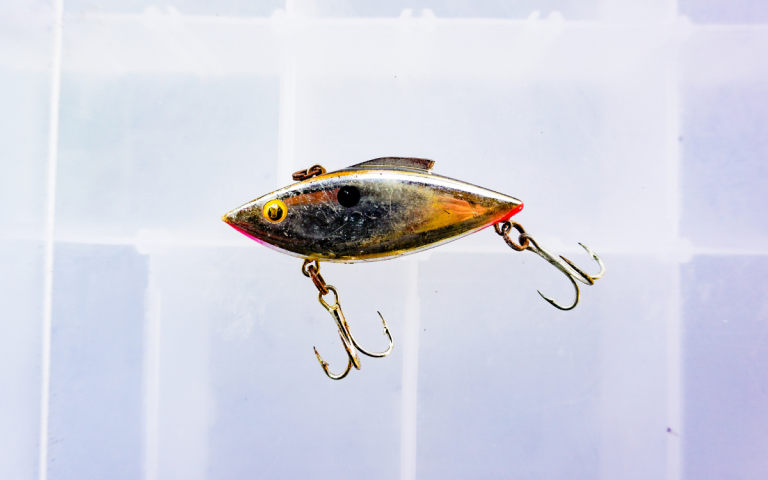
Common types include crankbaits, jerkbaits, and topwater lures. Each type moves differently to attract bass.
- Crankbaits:Dive to different depths and create vibration.
- Jerkbaits:Use a twitching motion to look like injured fish.
- Topwater lures:Float and make surface splashes to lure bass.
Effective Soft Plastics
Soft plastics are flexible lures that feel natural to bass. They can imitate worms, crawfish, or other prey.
Soft plastics work well with slow, subtle movements. They are great for fishing in heavy cover or clear water.
- Worms: Simple and effective, great for many situations.
- Crawfish: Mimic natural bass food near rocks.
- Creature baits: Bulkier, good for thick cover.
Popular Jigs
Jigs have a weighted head and a skirt or soft trailer. They work well near the bottom and in heavy cover.
Anglers use jigs to mimic crawfish or baitfish. They can be flipped or pitched into tight spots.
- Football jigs: Balanced for rocky bottoms.
- Flipping jigs: Compact for thick grass or wood.
- Swim jigs: Designed to move smoothly through water.
Versatile Spinnerbaits
Spinnerbaits have blades that spin and flash in the water. This attracts bass with movement and light reflection.
They work well in murky water and around structures like weeds or logs. Spinnerbaits are easy to use and cover water quickly.
- Willow blades: Fast, narrow flash and vibration.
- Colorado blades: Slow, wide vibration for murky water.
- Indiana blades: Blend of speed and vibration.
Finesse Lures For Tough Conditions
Finesse lures are small and subtle. They work well in clear water or when bass are less active.
These lures require slow, precise retrieves. They can help catch bass that ignore larger, louder baits.
- Small soft plastics like drop shot worms.
- Lightweight jigs with small trailers.
- Micro crankbaits or tiny spinnerbaits.
Credit: www.outdoorlife.com
Choosing Lures By Bass Behavior
Bass change their behavior depending on water temperature and environment. Choosing the right lure helps catch more fish. Understanding bass actions leads to better lure selection.
This guide shows which lures work best for different bass behaviors. Use it to match your lure to the bass’s mood and location.
Lures For Aggressive Bass
Aggressive bass attack with force. They react well to fast-moving lures. Use bright colors and noisy lures to get their attention.
- Topwater plugs like buzzbaits
- Spinnerbaits with flashy blades
- Crankbaits that dive fast
- Jerkbaits with quick jerks
Lures For Suspended Bass
Suspended bass stay off the bottom in open water. They move slowly and watch carefully. Use lures that hover or fall slowly to attract them.
| Lure Type | Action | Color |
| Suspending jerkbaits | Slow twitch | Natural hues |
| Soft plastic drop shots | Slow fall | Light colors |
| Swimbaits | Steady swim | Shad patterns |
Lures For Bass In Weeds And Cover
Bass hide in weeds and cover to avoid danger. Use lures that can move through plants without snagging. Bright colors help bass find the lure in thick cover.
- Weedless frogs for surface strikes
- Texas-rigged soft plastics
- Flipping jigs with weed guards
- Heavy spinnerbaits to cut weeds
Lures For Cold Water Bass
Cold water slows bass down. They bite less and move slower. Use smaller lures with slow, subtle actions to tempt bites.
- Small jigs with light trailers
- Slow-rolling spinnerbaits
- Drop shot rigs with soft plastics
- Finesse worms and tubes
Matching Lure Colors To Water Conditions
Choosing the right lure color is important for bass fishing. The water color changes how fish see the lure.
Matching lure colors to water conditions helps catch more bass. Different colors work best in different water types.
Bright Colors For Murky Water
Bright colors stand out in murky or stained water. Bass can see these colors better when water is cloudy.
Colors like chartreuse, bright orange, and hot pink work well. They catch the bass’s attention from far away.
- Chartreuse
- Bright orange
- Hot pink
- Fluorescent yellow
Natural Colors For Clear Water
In clear water, use natural colors that look like real baitfish. Bass can see well, so lures must look real.
Colors like brown, green, and silver match the fish’s natural food. These colors help bass bite more often.
- Brown
- Green
- Silver
- Olive
Using Contrasting Colors
Contrasting colors help lures stand out in different light and water. Use colors that create a strong outline.
Black and white or dark and light combos work well. These colors make the lure easy to see for bass.
- Black and white
- Blue and white
- Red and black
- Yellow and black

Credit: www.amazon.com
Tips For Using Bass Lures Effectively
Using the right bass lures is important, but how you use them matters a lot. This guide gives simple tips to help you fish better with bass lures.
Understanding how to move your lure and adjust it can increase your chances of catching bass. Pay attention to the weather and time of day too.
Retrieval Techniques
How you pull the lure back can make bass want to bite. Try different speeds and styles until you find what works.
- Slow retrieve to mimic injured prey
- Fast retrieve to trigger a chase response
- Stop-and-go to create sudden movements
- Twitching to imitate small fish actions
Adjusting Lure Depth
Bass stay at different depths depending on many factors. Adjust your lure depth to reach them.
| Technique | Effect |
| Adding weight | Makes lure sink deeper |
| Using floating lure | Keeps lure near surface |
| Changing retrieval speed | Controls how deep lure goes |
| Using diving lures | Targets specific depths |
Timing And Weather Considerations
Bass behavior changes with the weather and time of day. Knowing this helps you pick the right lure and method.
- Early morning or late evening for active bass
- Cloudy days increase bass movement
- Light rain can improve bass feeding
- Wind can push baitfish and bass to shore
Maintenance And Selection Tips
Choosing the right lures helps catch more bass. Taking care of your lures makes them last longer. This guide covers how to maintain and select lures for bass fishing.
Lure Care And Storage
Cleaning your lures after each fishing trip keeps them in good shape. Remove dirt, fish slime, and water to prevent rust and damage. Dry them well before storing.
Store lures in a cool, dry place. Use tackle boxes with compartments to keep lures organized and avoid tangles. This helps you find the right lure fast.
- Rinse lures with fresh water after use
- Dry lures completely before storage
- Use tackle boxes with separate compartments
- Keep lures away from direct sunlight
- Check hooks for rust and replace if needed
Building A Versatile Tackle Box
A good tackle box holds different types of lures for various bass fishing conditions. Include soft plastics, crankbaits, spinnerbaits, and jigs. This variety helps you fish in different waters and weather.
Organize lures by type and size. Keep extra hooks and weights handy. This setup lets you adapt quickly and fish longer without returning home.
- Soft plastics for slow, natural movement
- Crankbaits for covering water fast
- Spinnerbaits to attract bass with flash
- Jigs for fishing near cover and bottom
- Extra hooks and sinkers for quick changes

Credit: mysterytacklebox.com
Frequently Asked Questions
What Are The Best Lures For Bass Fishing Beginners?
Soft plastic worms, crankbaits, and spinnerbaits are great for beginners. These lures are easy to use and effective in various water conditions. They mimic natural prey, attracting bass efficiently.
How Do Crankbaits Attract Bass Effectively?
Crankbaits mimic injured baitfish with their wobbling action. Their vibrant colors and erratic movement trigger bass to strike. They are ideal for covering large water areas quickly.
When Should I Use Topwater Lures For Bass Fishing?
Use topwater lures early morning or late evening. Bass hunt near the surface during these times. These lures create splashes and noise, attracting aggressive strikes.
Which Lure Color Works Best For Bass Fishing?
Natural colors like green, brown, and black work well in clear water. Bright colors like chartreuse and orange are better for murky water. Match lure color to water clarity for best results.
Conclusion
Bass fishing can be exciting and rewarding. The right lure is key. Soft plastics work well in many situations. Crankbaits are great for covering water fast. Spinnerbaits attract bass with their flash and vibration. Topwater lures create thrilling strikes. Consider water conditions and bass behavior.
Experiment with different types to find what works best. Always be patient and observant. The right lure can make your fishing trip successful. Enjoy your time on the water and happy fishing!