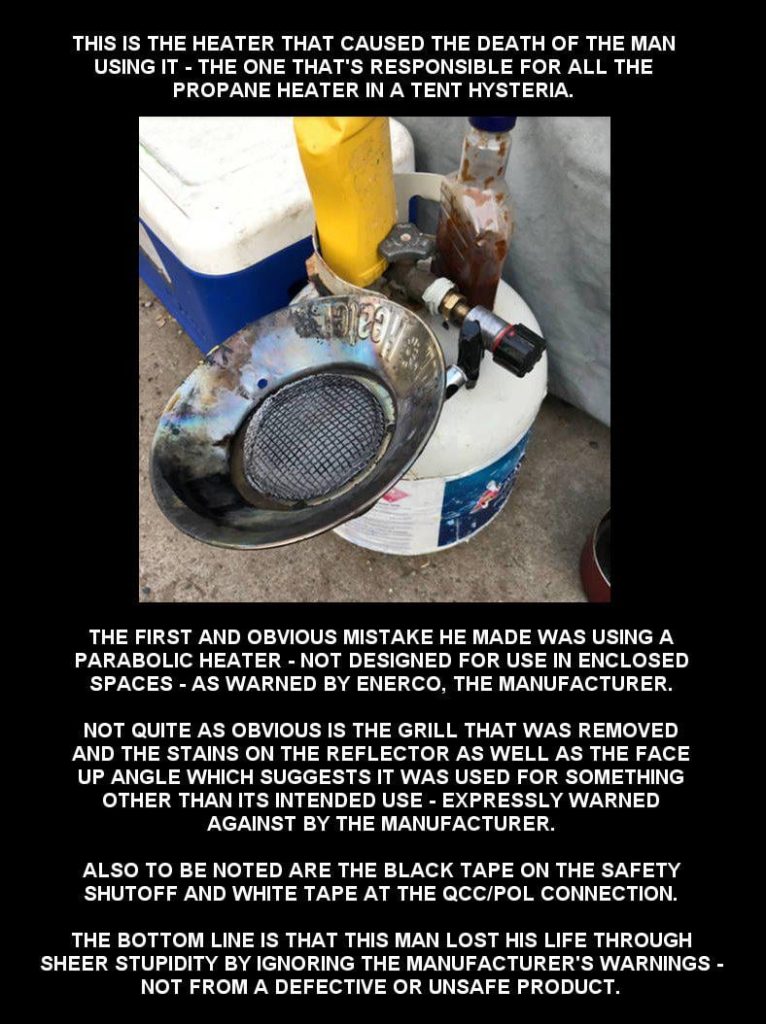
Are you planning a camping trip and wondering if Buddy Heaters are safe to use inside your tent? Staying warm is important, especially when the night gets chilly.
But your safety should always come first. Using a heater in a small, enclosed space can be risky if you don’t know the facts. You’ll discover exactly how Buddy Heaters work, what dangers to watch out for, and simple tips to keep you and your loved ones safe.
Keep reading to learn how to stay cozy without putting yourself in harm’s way.
Risks Of Using Buddy Heaters In Tents
Buddy heaters are popular for keeping tents warm. They use propane to create heat. But using them inside tents has risks that campers must know.
These heaters can cause serious problems like fire or poisoning. Understanding these risks helps you stay safe while camping.
Fire Hazards
Buddy heaters have an open flame or hot surface. This can catch tent fabric or gear on fire. Tents are often made of flammable materials.
Improper placement or accidental tipping can start a fire quickly. Always keep the heater away from walls and sleeping bags.
- Place heater on a flat, stable surface
- Keep at least 3 feet of space around heater
- Never leave heater unattended
- Use tents with fire-resistant material if possible
Carbon Monoxide Poisoning
Buddy heaters produce carbon monoxide (CO) gas. CO is invisible and smells like nothing. It can build up in tents and cause poisoning.
Symptoms include headache, dizziness, nausea, and confusion. High levels of CO can be deadly. Proper use reduces this risk.
- Never use heaters in fully closed tents
- Turn off heater before sleeping
- Use a CO detector if possible
- Keep some ventilation open for fresh air
Ventilation Concerns
Tents must have good airflow when using buddy heaters. Poor ventilation traps heat, gases, and moisture inside. This causes health risks and discomfort.
Ventilation helps remove dangerous gases and keeps air fresh. Without it, carbon monoxide can build up quickly in a small space.
- Keep tent vents or windows slightly open
- Avoid sealing the tent completely
- Check weather to prevent rain or cold drafts
- Balance safety and warmth carefully

Credit: www.youtube.com
Choosing The Right Buddy Heater
Buddy heaters are popular for warming tents during camping. Picking the right one is important for safety and comfort.
This guide helps you understand key factors before buying a buddy heater for your tent.
Fuel Types And Safety
Buddy heaters use different fuels like propane, butane, or natural gas. Each type has safety rules to follow.
- Propane is common but needs proper ventilation.
- Butane works well in warmer weather but may not perform in cold.
- Natural gas requires a steady supply and careful setup.
- Always store fuel tanks outside the tent.
- Check for leaks before lighting the heater.
Size And Heat Output
Choosing the right size heater depends on your tent’s space and how much warmth you need.
| Heater Size | Heat Output (BTU) | Best For |
| Small | 4,000 – 7,000 | Small tents or personal use |
| Medium | 7,000 – 10,000 | Medium-sized tents and groups |
| Large | 10,000+ | Large tents or very cold weather |
Safety Certifications To Look For
Safety certifications show the heater meets important safety rules. Look for these marks before buying.
- CSA certification means it passed Canadian safety tests.
- UL certification shows it meets US safety standards.
- ETL certification also confirms safety compliance.
- Check for oxygen depletion sensors and automatic shut-off features.
Safe Setup Practices
Using Buddy Heaters inside tents requires careful setup to avoid accidents. Safe placement and proper clearances keep everyone safe and warm.
Follow simple guidelines to reduce risks like fire and carbon monoxide poisoning. Proper preparation helps you enjoy heat safely.
Proper Placement Inside The Tent
Place the Buddy Heater on a flat, stable surface away from tent walls. Avoid placing it near sleeping bags or flammable materials.
- Keep the heater near the tent entrance for ventilation
- Do not block emergency exits with the heater
- Position the heater so heat spreads evenly inside the tent
Maintaining Clearances
Clearance space around the heater prevents fires and overheating. Maintain safe distances from all objects.
| Object | Minimum Clearance |
| Tent Walls | 3 feet (1 meter) |
| Sleeping Bags | 4 feet (1.2 meters) |
| Flammable Gear | 5 feet (1.5 meters) |
Using Heat-resistant Mats
Place a heat-resistant mat under the Buddy Heater. This protects the tent floor from heat damage and sparks.
Choose mats made from:
- Fiberglass
- Aluminum-coated fabrics
- Fire-retardant silicone
Make sure the mat is large enough to cover the heater’s base and some area around it.

Credit: www.reddit.com
Ventilation Strategies
Using Buddy Heaters in tents can be risky if you do not have good ventilation. Proper airflow helps keep the air fresh and safe. It lowers the chance of harmful gases building up inside the tent.
Good ventilation also helps control moisture and heat. This makes your tent more comfortable and reduces health risks.
Ensuring Adequate Airflow
Keep tent doors or windows open slightly to allow fresh air in. Air vents or mesh panels also improve airflow. Do not seal the tent completely when the heater is on.
Place the heater away from walls and fabrics to avoid blocking air paths. This helps air move freely and reduces the risk of carbon monoxide buildup.
- Open tent flaps or windows
- Use mesh vents if available
- Keep heater away from fabric walls
- Do not close the tent fully
Monitoring Oxygen Levels
Buddy Heaters use oxygen to burn fuel. Low oxygen levels can cause dizziness or worse. Watch for signs like headaches or trouble breathing.
Bring a portable oxygen monitor if possible. It can alert you if oxygen drops too low. Always leave your tent if you feel unwell or dizzy.
- Know the signs of low oxygen
- Use a portable oxygen monitor
- Leave tent if feeling dizzy or weak
Using Carbon Monoxide Detectors
Carbon monoxide is a dangerous gas made by heaters. It has no smell or color but can cause poisoning. Use a carbon monoxide detector inside your tent to stay safe.
Choose a battery-powered detector. Test it before each trip. If the alarm sounds, turn off the heater and get fresh air immediately.
- Use battery-powered carbon monoxide detectors
- Test detector before each use
- Leave tent if alarm sounds
- Turn off heater right away
Operational Safety Tips
Using Buddy Heaters in tents requires careful attention to safety. These heaters are useful but can be risky without proper use.
Follow simple safety tips to keep your camping experience safe and warm. Proper operation helps prevent accidents and hazards.
Never Leaving Heater Unattended
Always stay near the Buddy Heater while it is on. Leaving it alone can cause fires or carbon monoxide buildup. Keep children and pets away from the heater at all times.
Safe Refueling Procedures
Refueling the heater safely is very important. Always turn off the heater and let it cool before adding fuel. Refuel outside the tent to avoid spills and fumes inside.
- Turn off the heater and wait for it to cool.
- Refuel in a well-ventilated area outside your tent.
- Use only the fuel recommended by the manufacturer.
- Wipe away any spilled fuel immediately.
- Keep fuel containers away from heat sources.
Regular Maintenance Checks
| Check Item | What to Look For | Action Needed |
| Fuel Lines | Cracks or leaks | Replace if damaged |
| Heater Surface | Rust or dirt buildup | Clean regularly |
| Ignition System | Easy start and flame | Repair if ignition fails |
| Ventilation | Clear air flow | Remove blockages |
Emergency Preparedness
Using Buddy Heaters in tents can help keep you warm in cold weather. Safety is very important to avoid accidents.
Being ready for emergencies can save lives. Know what to do if something goes wrong with your heater.
Fire Extinguisher Availability
Always keep a fire extinguisher near your tent. Fires can start quickly when using heaters indoors.
Make sure the extinguisher is easy to reach and you know how to use it. Check it often to keep it ready.
- Use a fire extinguisher rated for small fires
- Place it close to your heater but not too close
- Teach everyone in the tent how to use it
- Check the pressure gauge regularly
First Aid For Carbon Monoxide Exposure
Buddy Heaters can produce carbon monoxide, which is dangerous. Know the signs of poisoning.
If someone feels dizzy, weak, or has a headache, get fresh air immediately. Call for medical help if needed.
- Move the person outside to fresh air
- Call emergency services if symptoms worsen
- Keep the person calm and still
- Do not use the heater until checked
Evacuation Plans
Have a clear plan to leave the tent fast if there is danger. Practice this plan with everyone.
Know where to go outside the tent to stay safe. Keep pathways clear for quick exit.
- Mark all exits clearly
- Keep flashlights near exits
- Plan a safe meeting spot outside
- Practice evacuation drills regularly
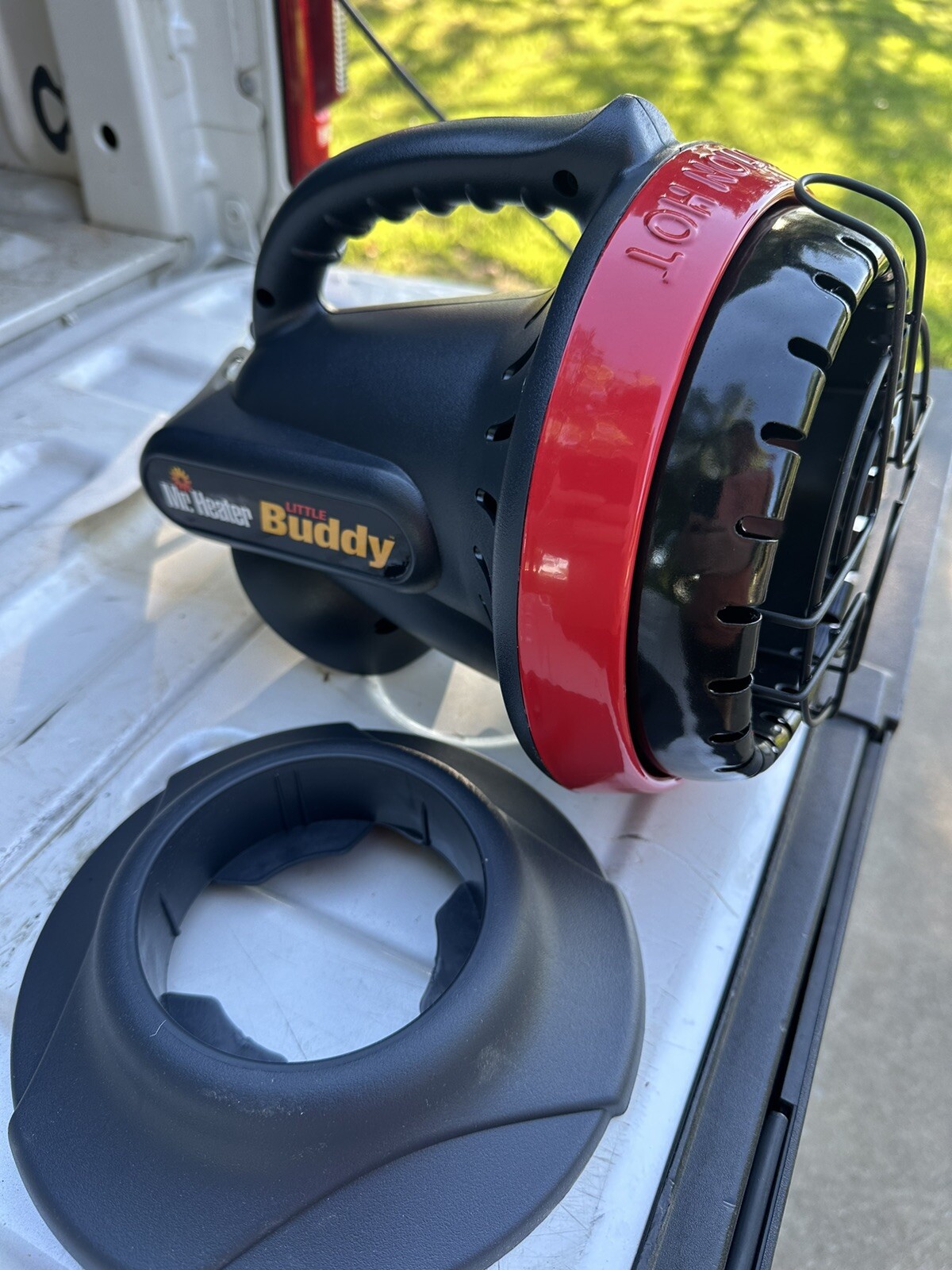
Credit: bexcodeservices.com
Frequently Asked Questions
Are Buddy Heaters Safe To Use Inside Tents?
Buddy Heaters can be safe if used properly. Always ensure proper ventilation to avoid carbon monoxide buildup. Keep the heater away from flammable materials and never leave it unattended. Following manufacturer guidelines reduces risks significantly.
How To Prevent Carbon Monoxide Poisoning With Buddy Heaters?
To prevent carbon monoxide poisoning, always use Buddy Heaters in well-ventilated spaces. Open a tent flap or window slightly to allow fresh air. Install a carbon monoxide detector if possible. Never use the heater while sleeping or in an enclosed tent.
Can Buddy Heaters Cause Tent Fires?
Yes, Buddy Heaters can cause fires if misused. Keep heaters away from flammable fabrics and objects. Use a heat-resistant mat under the heater. Never leave the heater unattended or operate it near sleeping bags or gear.
What Safety Tips Should I Follow With Buddy Heaters?
Always read and follow the manufacturer’s safety instructions. Ensure proper ventilation and keep the heater stable. Turn off the heater before sleeping or leaving the tent. Regularly inspect for leaks or damage to avoid hazards.
Conclusion
Buddy heaters can be safe for tents with care. Choose a well-ventilated space. Follow all safety guidelines for best results. Keep the heater away from flammable items. Always have a carbon monoxide detector. Check the heater’s condition before use. Never leave it unattended.
Keep children and pets away. Regular maintenance ensures safety. Stay warm, but always stay cautious. Safety first for an enjoyable camping experience.