
Is your grow tent getting too hot? If your plants are struggling in the heat, it’s time to take action.
You need to keep your grow tent cool to help your plants thrive and boost your harvest. But how do you do that without spending a fortune or making things complicated? This guide will show you simple, effective ways to cool your grow tent down.
By the end, you’ll have easy tips you can start using right away to create the perfect environment for your plants. Keep reading to learn how to beat the heat and grow healthier, happier plants.
Choosing The Right Location
Choosing where to place your grow tent affects its temperature. A cooler location helps plants grow well. Avoid spots that get too hot or dry.
Consider natural light and airflow when picking the location. These factors keep your grow tent cool and healthy.
Avoid Direct Sunlight
Direct sunlight raises the temperature inside your grow tent. The tent material can absorb heat and make it too warm for plants.
- Place the tent away from windows with strong sunlight.
- Use curtains or blinds to block sunlight during peak hours.
- Check the sun’s path in your area to avoid hot spots.
Use A Shaded Area
Shaded areas keep your grow tent cooler naturally. Shade helps reduce heat build-up and keeps air temperature steady.
| Type of Shade | Benefits |
| Tree Shade | Blocks direct sun, cools air around tent |
| Building Shadow | Provides long-lasting shade during the day |
| Shade Cloth | Easy to install, controls light and temperature |
Consider Indoor Placement
Indoor placement gives better control over temperature and light. It also protects the tent from weather changes.
Indoor spots to consider:
- Basements with cool air
- Rooms with air conditioning
- Closets or spare rooms with good ventilation
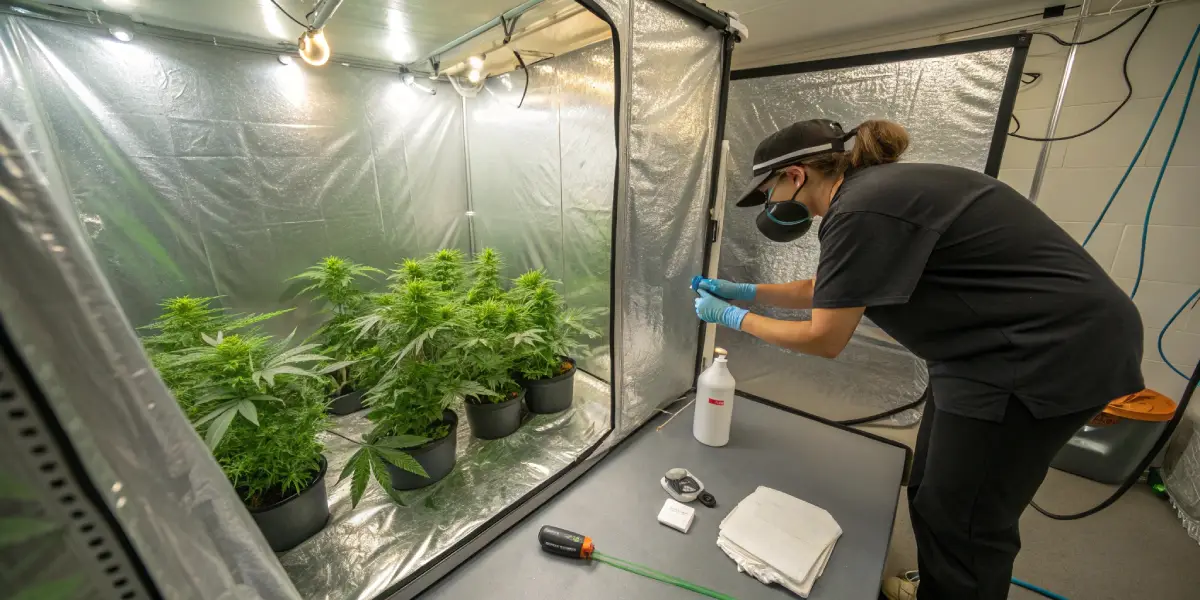
Credit: blimburnseeds.com
Improving Ventilation
Keeping your grow tent cool is key for healthy plants. Good ventilation helps control temperature and humidity. It also brings fresh air to your plants.
There are simple ways to improve airflow inside your grow tent. This guide covers three main methods to cool your grow space effectively.
Install Exhaust Fans
Exhaust fans remove hot air from the tent. Place the fan near the top where heat rises. This helps lower the temperature inside.
- Choose a fan size that fits your tent volume.
- Use a fan speed controller for better airflow control.
- Ensure the fan vents outside the grow area.
- Check that the fan runs quietly to avoid stress.
Use Intake Vents
Intake vents let fresh air enter the grow tent. They work with exhaust fans to keep air moving. Proper intake helps balance temperature and humidity.
| Vent Type | Placement | Purpose |
| Passive Vents | Bottom or sides | Allows air in without a fan |
| Active Intake Fans | Bottom or side | Pushes fresh air inside |
| Filtered Vents | Any intake point | Keeps out dust and pests |
Add Oscillating Fans
Oscillating fans circulate air inside the tent. They prevent hot spots and strengthen plant stems. Place them where air moves freely around plants.
- Position fans to cover all plant areas.
- Avoid pointing fans directly at plants to stop windburn.
- Use multiple small fans instead of one large fan.
- Adjust fan speed for gentle airflow.
Using Air Conditioning
Keeping a grow tent cool is important for healthy plants. Air conditioning is a strong way to control temperature inside the tent. This guide covers different air conditioning choices to help cool your grow tent effectively.
Each type of air conditioner has its own benefits and setup needs. Understanding them helps you pick the best option for your space and budget.
Portable Ac Units
Portable AC units are easy to move and install. They work well in small grow tents and rooms. These units draw warm air and push out cool air inside the tent.
- Place the unit near a vent or window to exhaust hot air outside.
- Ensure the hose is fully extended and not bent to improve airflow.
- Empty the water collection tray regularly to prevent leaks.
- Choose a unit with enough cooling power for your tent size.
Window Air Conditioners
Window air conditioners fit into window frames and cool the tent by blowing cold air inside. They are more powerful than portable units but need a proper window for installation.
| Feature | Benefit | Consideration |
|---|---|---|
| Installation | Fixed in place for steady cooling | Requires a window or opening |
| Cooling Capacity | Higher BTUs for larger tents | May use more electricity |
| Noise Level | Usually quieter than portable units | Depends on model quality |
Spot Cooling Options
Spot cooling uses smaller devices to cool specific areas inside the grow tent. This is useful for targeted heat control near plants or equipment that produce extra heat.
- Clip-on fans with cooling features
- Small evaporative coolers for dry climates
- Mini air conditioners designed for tight spaces
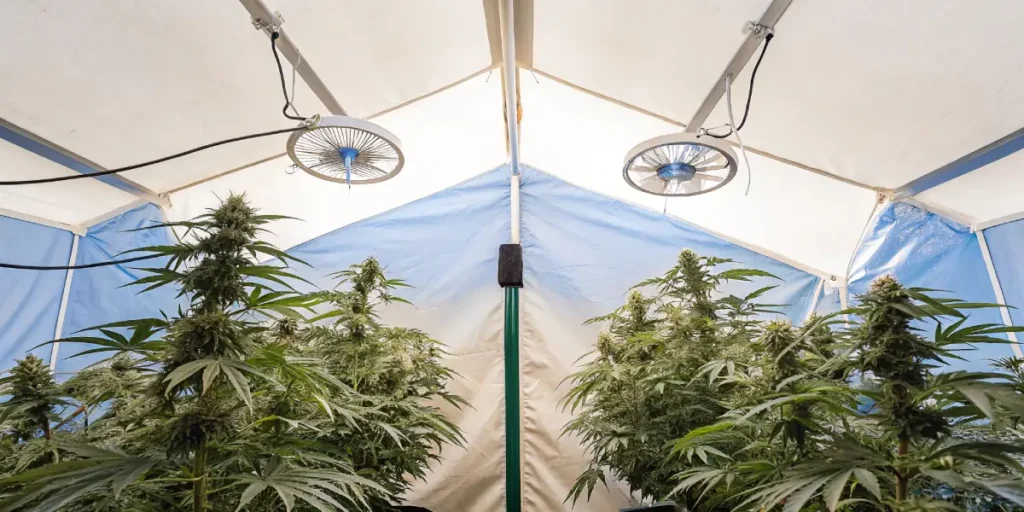
Credit: blimburnseeds.com
Managing Heat From Lights
Grow tents can get very hot because of the lights inside. Managing the heat helps plants grow better.
Using the right lighting and setup can lower the temperature in your grow tent.
Switch To Led Lights
LED lights produce less heat than other types of grow lights. They use less energy and stay cool.
Using LED lights helps keep your grow tent temperature lower and saves electricity.
Adjust Light Height
Raising your lights higher reduces heat near the plants. It gives better air flow around them.
Keep lights at the right distance to avoid burning plants and to lower heat in the tent.
- Measure distance between lights and plants
- Increase height if plants show heat stress
- Use adjustable hangers for easy changes
Use Reflective Materials
Reflective materials help spread light evenly without extra heat. They bounce light to dark spots.
Using materials like Mylar or white paint can reduce hot spots and help keep the tent cooler.
- Cover walls with reflective sheets
- Use white or silver colors inside the tent
- Avoid dark materials that absorb heat
Controlling Humidity Levels
Humidity control is important for a healthy grow tent. Too much moisture can harm plants and cause mold.
Keeping humidity balanced helps plants grow strong and prevents problems with pests and diseases.
Use Dehumidifiers
Dehumidifiers remove extra moisture from the air inside your grow tent. This keeps humidity at a safe level.
Choose a dehumidifier that fits the size of your tent. Place it where air can flow freely around it.
- Helps prevent mold and mildew
- Keeps plants healthy
- Works best with good air circulation
Monitor Moisture
Check humidity levels often using a hygrometer. This tool measures moisture in the air.
Keep a log of humidity to spot trends. Adjust your equipment to keep levels steady.
- Use digital or analog hygrometers
- Place sensors near plants
- Record readings daily for best results
Balance Humidity And Temperature
Humidity and temperature affect each other inside the grow tent. Managing both is key to plant health.
Use fans and vents to control heat. This also helps reduce excess moisture in the air.
- Keep temperature between 70-85°F
- Maintain humidity levels between 40%-60%
- Use exhaust fans to remove hot, moist air
Insulating The Grow Tent
Keeping a grow tent cool is important for healthy plants. Insulation helps control the temperature inside. It stops heat from coming in and cool air from escaping.
This guide covers three ways to insulate your grow tent. These methods improve temperature control and save energy.
Use Thermal Blankets
Thermal blankets trap air and block heat. Wrap these blankets around the grow tent walls to keep heat out. They also keep cool air inside the tent.
Choose blankets made from materials like foam or fiberglass. These materials have good insulation properties. Make sure the blankets cover all sides evenly for best results.
Seal Gaps And Cracks
Small gaps and cracks let heat enter and cool air escape. Check corners, zippers, and seams for openings. Use weather stripping or foam tape to seal these gaps.
- Inspect all edges of the grow tent carefully
- Apply sealing materials to any openings found
- Check seals regularly and replace worn-out parts
- Keep tent doors closed tightly during hot hours
Add Reflective Foil
Reflective foil bounces heat away from the tent. Line the outside walls with this foil to reduce heat absorption. It also helps reflect light back to your plants.
| Reflective Foil Type | Best Use | Cost |
| Mylar | High reflectivity, good for walls | Medium |
| Aluminum foil | Cheap option, less durable | Low |
| Reflective bubble wrap | Insulation plus reflection | High |
Monitoring Temperature Effectively
Keeping the right temperature in your grow tent is very important. It helps your plants stay healthy and grow well.
Using good tools to watch the temperature can stop problems before they start. This guide shows easy ways to do that.
Use Digital Thermometers
Digital thermometers give quick and exact temperature readings. They are easy to read and use in small spaces.
Place them where plants grow best. Check them often to keep the tent at the right heat.
- Choose models with clear screens
- Use waterproof types for humid tents
- Consider ones with remote sensors
Set Alerts And Timers
Alerts tell you if the temperature goes too high or low. Timers help control fans and lights to keep heat steady.
You can set alerts on some digital thermometers or use smart devices. Timers turn equipment on and off at set times.
- Alert for temperature above 80°F (27°C)
- Alert for temperature below 65°F (18°C)
- Timer to run fans for cool air every hour
Track Temperature Trends
Watching temperature over days helps you see patterns. This helps plan better cooling and heating.
Use devices or apps that log temperatures. Look for times when it gets too warm or cold.
- Record temperature at the same time daily
- Note changes after adjusting fans or lights
- Use data to choose the best cooling setup

Credit: canadagrowsupplies.com
Frequently Asked Questions
How Can I Lower Temperature Inside A Grow Tent?
Use ventilation fans to improve airflow. Add an exhaust fan to remove hot air. Place a small fan inside for circulation. Keep lights off during the hottest part of the day. Use reflective materials to reduce heat absorption.
What Is The Best Fan For Cooling A Grow Tent?
Choose an inline exhaust fan with variable speed control. It efficiently removes hot air and controls humidity. Oscillating fans help circulate air evenly. Ensure the fan size matches your tent volume for optimal cooling.
Can Led Lights Reduce Heat In Grow Tents?
Yes, LED lights produce less heat compared to HID lights. They are energy-efficient and emit minimal heat. Using LEDs helps maintain cooler temperatures and reduces the need for extra cooling equipment.
How Does Ventilation Affect Grow Tent Temperature?
Proper ventilation exchanges hot, stale air with fresh, cool air. It controls humidity and prevents heat buildup. Good airflow reduces plant stress and promotes healthy growth. Lack of ventilation causes overheating and poor plant health.
Conclusion
Keeping your grow tent cool is essential for plant health. Use fans for air circulation. Choose LED lights over heat-intensive options. Ventilation systems help remove hot air. Insulate your grow tent to maintain temperatures. Regularly monitor temperature and humidity levels.
Adjust settings as needed to keep plants thriving. Simple tweaks make a big difference. Remember, healthy plants need the right environment. Cooling your tent ensures successful growth. With these tips, your plants will flourish. A well-maintained environment means happy, thriving plants.
Happy growing!