Is your air conditioner not cooling like it used to? The problem might be your compressor, the heart of your AC system.
Knowing how to test an air conditioner compressor can save you time, money, and frustration. You’ll learn simple steps to check if your compressor is working properly or needs a fix. By understanding this crucial part, you can keep your home cool and comfortable without unexpected breakdowns.
Ready to take control of your AC’s performance? Let’s dive in.

Credit: www.acservicetech.com
Tools Needed
Testing an air conditioner compressor requires a few basic tools. A multimeterchecks electrical parts like the capacitor and winding resistance. A manifold gauge setmeasures the refrigerant pressure inside the system. A capacitor testerhelps test the start and run capacitors.
Safety is very important. Use insulated glovesto avoid electric shocks. Wear safety gogglesto protect your eyes from debris or refrigerant leaks. Always work in a well-ventilated areato avoid inhaling harmful gases. Make sure the power is turned offbefore starting any tests.
Pre-test Checks
Check the power supplyto the air conditioner first. Make sure the unit is plugged in securely. Look for any signs of damaged wiresor loose connections. Use a voltage tester to confirm the power is reaching the compressor. No power means the compressor will not work.
Next, do a visual inspectionof the compressor. Look for any oil leaksor physical damage. Check the compressor’s body for cracks or rust. Make sure the fan and motor are free of debris and can spin easily. Clean dirt and dust can cause problems.
- Verify power source and circuit breaker status
- Inspect wiring and connections for wear or damage
- Look for oil or refrigerant leaks on the compressor
- Check for dents, rust, or cracks on compressor body
- Ensure the fan blades move without resistance
Testing Methods
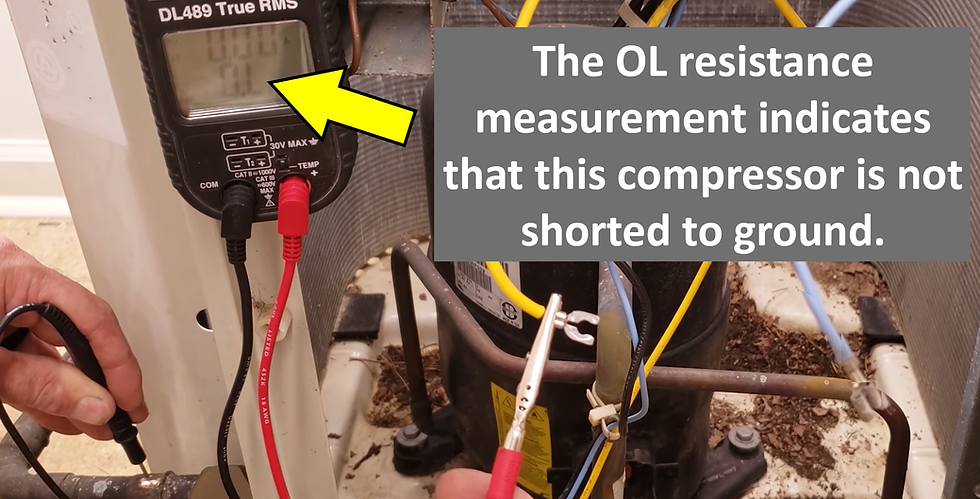
A multimeterhelps check if the compressor is working properly. Set the multimeter to the resistance or ohms mode. Test the compressor terminals by touching the probes to each terminal. A very high or infinite reading means the compressor may be bad. A low reading usually means it is okay.
To do a capacitor check, first turn off the power. Use the multimeter’s capacitance setting. Remove the capacitor and connect the probes to its terminals. A good capacitor shows a reading close to its rated value. If the reading is very low or zero, the capacitor is faulty.
Resistance measurement helps find problems inside the compressor. Check resistance between the common, start, and run terminals. Use the multimeter on the ohms setting. Compare the readings with the compressor’s manual. Significant differences or no reading may show a bad compressor.

Credit: www.achrnews.com
Interpreting Results
Normal readings for an air conditioner compressor show stable and balanced values. Check the resistance between terminals. Values should match the compressor’s specification sheet. A very high or low reading may signal a problem.
Signs of compressor failure include:
- Unusual noiseslike grinding or rattling.
- Overheatingor the compressor getting very hot.
- Tripping circuit breakersfrequently.
- Visible damagesuch as oil leaks or burnt wires.
- Failure to startor continuous running without cooling.
Common Issues And Fixes
Electrical problemsoften cause the compressor to stop working. Check for blown fusesor tripped circuit breakers. Wiring issues like loose connectionsor damaged wirescan prevent power flow. Test the capacitor, as a bad one may stop the compressor from starting. Use a multimeter to measure resistance and voltage. If readings are off, replace the faulty part.
Mechanical failures also affect compressor performance. Listen for unusual noiseslike grinding or rattling, which may mean worn bearings or broken parts. Low refrigerant levels cause the compressor to overheat and shut down. Check for leaks and refill refrigerant if needed. A stuck compressor clutch can stop operation; inspect and replace if necessary. Regular maintenance helps prevent these issues.

Credit: www.youtube.com
When To Call A Professional
Call a professional if the compressor makes strange noises like banging or grinding. These sounds often mean parts inside are broken. If the air conditioner does not cool at all, the compressor might be damaged. Professionals can test pressure and electrical parts safely.
Some signs need expert help:
- Compressor does not start or stops often
- Unit trips the circuit breaker
- Visible oil or refrigerant leaks
- Burning smell near the unit
Testing a compressor involves special tools and knowledge. Professionals know how to handle refrigerants safely. Trying to fix it alone can cause more damage or injury.
Frequently Asked Questions
How Do I Know If My Ac Compressor Is Faulty?
A faulty AC compressor often causes weak cooling, strange noises, or the unit not starting. Check for visible damage and test electrical continuity for accuracy.
What Tools Are Needed To Test An Ac Compressor?
You need a multimeter, clamp meter, and manifold gauge set to test the compressor’s electrical and pressure functions safely and accurately.
Can I Test An Ac Compressor Without Professional Help?
Yes, basic tests like checking electrical continuity and pressure can be done safely with the right tools and instructions.
How Long Does It Take To Test An Ac Compressor?
Testing an AC compressor typically takes 15 to 30 minutes, depending on the tests performed and experience level.
Conclusion
Testing your air conditioner compressor ensures smooth operation. Regular checks help avoid major issues. Listen for unusual noises. These might indicate problems. Check the compressor’s physical condition. Look for signs of wear or damage. Use a multimeter to test electrical components.
Remember to turn off power first. Follow the manufacturer’s guidelines for safety. Testing keeps your compressor efficient. A well-maintained air conditioner saves energy. It provides better cooling. Keep your home comfortable with regular maintenance. Simple checks make a big difference.
Stay proactive with your air conditioner care. Enjoy a cooler and more efficient space.