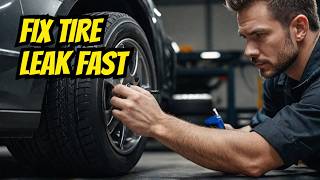
Is your car tire losing air but you’re not sure why? A slow leak can be tricky—it sneaks up on you, making your tire look fine until it suddenly feels flat.
If you want to avoid being stranded or spending extra money at the shop, fixing that slow leak yourself is easier than you think. You’ll learn simple, step-by-step ways to find and repair the leak quickly. Keep reading, and take control of your car’s safety and performance today.

Credit: www.crossroadshelpline.com
Identify The Leak
Finding a slow leak in your car tire is important to keep your tire safe. A slow leak can cause low pressure and unsafe driving.
Start by carefully checking the tire to find where the air escapes. Use simple tools and your eyes to spot the problem.
Check Tire Pressure
Use a tire pressure gauge to measure the air pressure. Compare it with the recommended pressure for your car.
Low pressure can mean a leak or a flat tire. Check the pressure regularly to see if it drops over time.
Inspect Tire Surface
Look closely at the tire surface for nails, screws, or sharp objects. These can cause slow leaks.
Check the sidewalls and tread for cracks, cuts, or bubbles. These signs can also lead to leaks.
Use Soapy Water Test
Mix water with some soap in a spray bottle or bucket. Spray or apply it on the tire surface and valve.
Look for bubbles forming. Bubbles mean air is escaping from that spot. Mark the spot to fix later.
- Spray soapy water on tire tread and sidewall
- Check around the valve stem carefully
- Watch for small bubbles forming
- Mark any spot with bubbles for repair
Gather Necessary Tools
Fixing a slow leak in your car tire requires some basic tools. Having everything ready saves time and effort.
Let’s look at the important tools you need to carry out a proper tire repair.
Tire Repair Kit Essentials
A tire repair kit has the main tools to fix a slow leak quickly. Each tool plays a key role in the process.
- Plug strips:Rubber strips to seal the hole inside the tire.
- Reamer tool:Cleans and widens the hole for easy plug insertion.
- Insertion tool:Pushes the plug strip deep into the puncture.
- Rubber cement:Helps seal the plug and holds it firmly in place.
- Gloves:Keeps your hands clean and safe while working.
Additional Helpful Items
Besides the repair kit, some extra items can make the job easier and safer.
| Item | Purpose |
| Jack | Lifts the car to remove the tire safely. |
| Lug wrench | Loosens and tightens the tire bolts. |
| Flashlight | Helps see clearly in low light conditions. |
| Air pump or compressor | Refills the tire with air after repair. |
| Tire pressure gauge | Checks if the tire pressure is correct after fixing. |
Prepare The Tire
Fixing a slow leak in a car tire starts with preparing the tire properly. This step helps ensure the repair lasts longer and works well.
Preparing the tire involves removing it safely and cleaning the damaged area. These actions make it easier to find and fix the leak.
Remove The Tire
First, park the car on a flat surface and apply the parking brake. Use a jack to lift the car and remove the tire with a wrench.
Take off the lug nuts carefully and pull the tire straight off. Place the tire on a clean surface to work on it.
Clean The Damaged Area
Check the tire for the leak spot and mark it. Use water and soap to clean the area around the leak well.
Remove any dirt, debris, or grease. Dry the area fully before starting the repair to help the patch stick better.
Apply The Repair
Fixing a slow leak in a car tire requires careful steps. You need to apply the repair properly to stop the air loss.
Follow these steps to insert the plug, seal the leak, and finish the repair cleanly.
Insert The Plug
First, push the repair plug into the hole in the tire. Use a special tool to help insert it fully.
The plug must go deep enough to fill the hole and stop air from escaping.
Seal The Leak
After inserting the plug, seal the area around it. This ensures no air can leak out.
Use rubber cement or a similar sealant to cover the plug and the hole.
- Apply the sealant evenly
- Make sure the plug is fully covered
- Wait a few minutes for the sealant to dry
Trim Excess Material
Once the plug is sealed, cut off any extra plug material sticking out of the tire.
Trim it close to the tire surface to avoid damage when driving.
Test The Repair
After fixing a slow leak in your car tire, you need to check if the repair worked. Testing the repair helps you avoid future problems on the road.
This guide explains how to reinflate the tire and check for any remaining leaks carefully.
Reinflate The Tire
Use an air compressor or a manual pump to put air back into the tire. Inflate it to the recommended pressure shown on your car’s door sticker or tire sidewall.
- Check the pressure with a tire gauge.
- Add air slowly to avoid overinflation.
- Stop when you reach the proper pressure.
Check For Remaining Leaks
After reinflating, find out if the tire still loses air. You can use soapy water to spot bubbles where air escapes.
| Step | Action | What to Look For |
| 1 | Apply soapy water to the repair area | Bubbles or foam forming |
| 2 | Listen carefully for hissing sounds | Air escaping |
| 3 | Check the tire pressure after 10 minutes | Pressure drop indicates a leak |

Credit: www.youtube.com
Prevent Future Leaks
Fixing a slow leak is important to keep your car safe. Preventing future leaks saves time and money. Good care helps tires last longer.
Regular checks and correct tire pressure stop leaks before they start. Learn simple tips to protect your tires.
Regular Tire Maintenance
Check your tires often for cuts, nails, or cracks. Look for uneven wear that can cause leaks. Clean tires keep them in good shape.
Rotate your tires every 6,000 miles to spread wear evenly. Replace tires that have deep damage or worn tread.
- Inspect tires monthly for damage
- Remove stones or nails carefully
- Keep tires clean from dirt and oil
- Rotate tires regularly for even wear
- Replace tires with deep cuts or cracks
Proper Inflation Tips
Check tire pressure at least once a month. Use a good gauge and check when tires are cold. Correct pressure reduces leaks and improves mileage.
Do not overinflate or underinflate tires. Follow the car manual for the right pressure. Adjust pressure with changes in weather.
- Check pressure monthly with a reliable gauge
- Measure when tires are cold for accuracy
- Use car manual for correct pressure
- Adjust pressure in hot or cold weather
- Keep pressure balanced on all tires

Credit: www.whocanfixmycar.com
Frequently Asked Questions
How Can I Identify A Slow Leak In My Car Tire?
A slow leak causes gradual air loss, making the tire feel underinflated. Check tire pressure regularly and inspect for nails or cracks. Listen for hissing sounds and look for bubbles when spraying soapy water on the tire. Early detection prevents further damage.
What Tools Do I Need To Fix A Slow Tire Leak?
You need a tire repair kit, including a plug, reamer, insertion tool, and rubber cement. A tire pressure gauge and air compressor are also helpful. These tools allow you to locate, clean, and seal the leak effectively at home or on the road.
Can I Drive Safely With A Slow Tire Leak?
Driving with a slow leak is risky as it lowers tire pressure, affecting handling and fuel efficiency. It may cause tire damage or blowouts. Fix the leak promptly or inflate the tire regularly until repaired to maintain safety and tire longevity.
How Long Does A Tire Plug Repair Last?
A tire plug repair can last several months to years if done correctly. It’s a temporary fix and not suitable for sidewall damage. For long-term safety, have the tire professionally inspected and replaced if necessary to avoid sudden failures.
Conclusion
Fixing a slow tire leak is easier than you think. Start with a thorough inspection. Look for any visible damage. Use soapy water for hidden leaks. Once you find the leak, patch it up. Follow the steps carefully. Safety is crucial when working on tires.
Regularly check your tires for leaks. This helps prevent bigger problems later. Always keep a tire repair kit handy. It saves you time and stress. Knowing how to fix a leak boosts your confidence. Keep your car running smoothly. Happy driving!