
Choosing the right fishing rod can turn your day on the water from frustrating to fantastic. You want a rod that feels just right in your hands, casts smoothly, and helps you reel in the big catch with ease.
But what exactly makes a good fishing rod? Understanding the key features will help you pick the perfect one for your style and skill level. Keep reading, and you’ll discover simple tips that can improve your fishing experience every time you head out.

Credit: anglersresource.net
Key Materials
Choosing the right material for a fishing rod is important. It affects strength, weight, and sensitivity.
Different materials suit different types of fishing. Knowing their features helps pick the best rod.
Graphite Vs Fiberglass
Graphite rods are light and very sensitive. They let anglers feel small bites easily.
Fiberglass rods are heavier but very strong. They handle rough use and big fish well.
- Graphite: light weight, high sensitivity, more expensive
- Fiberglass: durable, less sensitive, more affordable
Composite Rods
Composite rods mix graphite and fiberglass. They balance strength and sensitivity.
These rods work well for many fishing styles. They offer good control and durability.
- Good strength and flexibility
- Moderate weight and sensitivity
- Cost lies between graphite and fiberglass rods

Credit: www.battlbox.com
Rod Length
Rod length is an important factor in choosing a good fishing rod. It affects casting distance and control. The right length depends on the type of fishing and the environment.
Long rods help cast farther, while short rods give better accuracy. Understanding the differences helps pick the best rod for your needs.
Short Vs Long Rods
Short rods are usually under 6 feet long. They offer better control and are easier to handle in tight spaces. They are good for fishing in small rivers or near cover.
Long rods range from 7 to 12 feet or more. They allow longer casts and help keep the line off the water. Long rods work well for open water and surf fishing.
- Short rods: Better for accuracy and tight spots
- Long rods: Better for casting distance and open water
- Short rods: Easier to carry and maneuver
- Long rods: Can be harder to control in small areas
Choosing Length By Fishing Style
The fishing style helps decide the rod length. For example, fly fishing often uses longer rods. This helps with long, smooth casts.
Bass fishing usually uses medium rods, about 6 to 7 feet. This length balances control and casting distance for different spots.
- Fly fishing: Long rods (8-10 feet) for smooth casting
- Bass fishing: Medium rods (6-7 feet) for versatility
- Ice fishing: Very short rods (2-4 feet) for close control
- Surf fishing: Long rods (9-12 feet) for long casts
Rod Power
Rod power tells you how strong a fishing rod is. It shows how much force the rod can handle.
Choosing the right power helps you catch fish easily and avoid breaking your rod.
Light Power
Light power rods are thin and flexible. They are good for small fish and gentle fishing.
These rods help feel small bites and work well with light fishing lines.
Medium Power
Medium power rods are stronger and can catch bigger fish. They balance strength and sensitivity.
They work well for many types of fishing and fish sizes.
Heavy Power
Heavy power rods are very strong and stiff. They are made for big fish and tough conditions.
These rods handle heavy lines and strong pulls without breaking.
Matching Power To Target Fish
Pick a rod power that fits the fish size you want to catch. This helps you catch fish easier.
- Light power for small fish like trout or panfish
- Medium power for medium fish like bass or walleye
- Heavy power for large fish like catfish or pike
Rod Action
Rod action describes how much and where a fishing rod bends under pressure. It affects how the rod performs during casting and hooking fish. Choosing the right action helps improve your fishing experience.
There are three main types of rod action: fast, medium, and slow. Each type changes how the rod bends and reacts to fish and casting.
Fast Action
Fast action rods bend mostly near the tip. The rest of the rod stays stiff. This makes them very sensitive and quick to respond.
Fast action rods help you cast farther and hook fish quickly. They work well for big fish and heavy lures.
- Bends in the top 20% of the rod
- Good for long, accurate casts
- Strong hook sets with less rod flex
Medium Action
Medium action rods bend from the middle to the tip. They offer a balance of power and flexibility.
These rods cast well with many lure types. They give a smooth hook set and help keep fish on the line.
- Bends in the top 30-60% of the rod
- Versatile for different fishing styles
- Good for moderate casting distance
- Balanced hook setting power
Slow Action
Slow action rods bend along the entire length. They flex more and absorb pressure well.
These rods cast shorter distances but control light lures well. They give gentle hook sets and reduce line breaks.
- Bends from the base to the tip
- Best for light lures and small fish
- Shorter casts with more control
- Soft hook sets protect light lines
Handle Types
The handle of a fishing rod affects how comfortable and secure you feel while fishing. Choosing the right handle type helps you fish longer without strain.
Two popular handle materials are cork and EVA foam. Each offers different benefits for grip and comfort.
Cork Vs Eva Foam
Cork handles are made from natural bark. They look nice and feel warm. EVA foam handles use synthetic materials. They are soft and durable.
| Feature | Cork | EVA Foam |
| Weight | Light | Light to medium |
| Durability | Moderate | High |
| Grip When Wet | Good | Better |
| Comfort | Warm and natural | Soft and cushioned |
| Cost | Higher | Lower |
Comfort And Grip
A good fishing rod handle should offer firm grip and feel comfortable in your hand. This reduces fatigue and improves control.
- Look for handles that fit your hand size well.
- Choose materials that stay grippy even when wet.
- Consider the handle shape for your fishing style.
- Test the handle for comfort before buying.
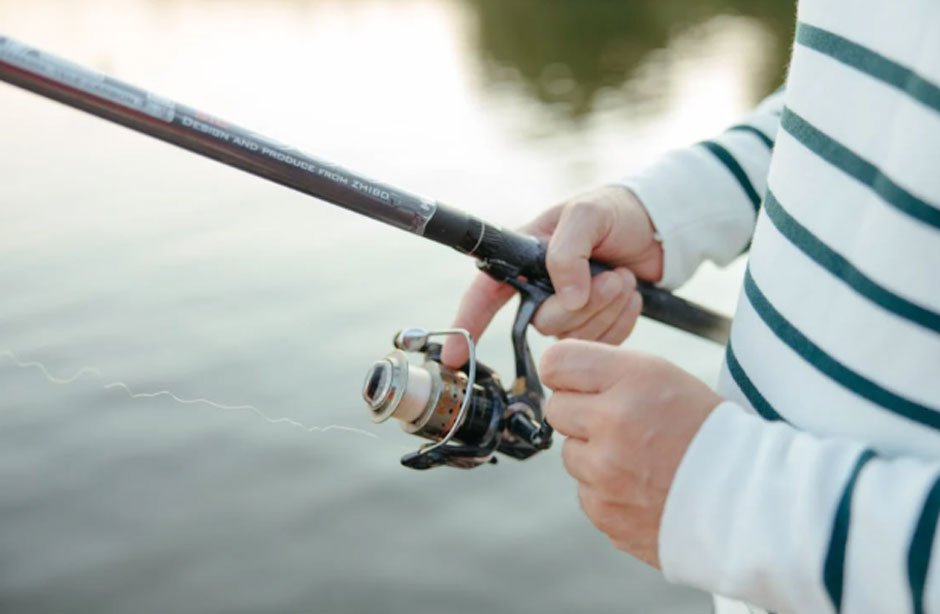
Credit: greenecodream.com
Guides And Reel Seats
Fishing rods have two key parts that affect how well they work. Guides help control the fishing line. Reel seats hold the reel tightly on the rod.
Choosing good guides and reel seats can make fishing easier and more fun. These parts also help the rod last longer.
Material And Durability
Guides are made from different materials like stainless steel, ceramic, or titanium. Strong materials last longer and resist rust.
Reel seats are usually made from plastic, aluminum, or graphite. Durable reel seats keep the reel secure and prevent damage.
- Stainless steel guides are strong but can rust.
- Ceramic guides reduce friction on the line.
- Titanium guides are light and very durable.
- Plastic reel seats are cheap but less strong.
- Aluminum reel seats are tough and light.
- Graphite reel seats are light and corrosion-resistant.
Impact On Performance
Good guides help the line move smoothly. This improves casting distance and accuracy. They also reduce line wear.
A strong reel seat keeps the reel steady. This helps you control the fish better. A loose reel seat can cause problems while fishing.
- Smooth guides make casting easier and farther.
- Durable guides prevent line breakage.
- Secure reel seats improve rod balance.
- Stable reel seats reduce hand fatigue.
Special Features
A good fishing rod has special features that help anglers catch fish more easily. These features improve the rod’s performance and comfort.
Two key features to consider are sensitivity enhancements and weight and balance. Both affect how well the rod works in different fishing situations.
Sensitivity Enhancements
Sensitivity helps you feel small bites and movements under water. Rods with sensitive tips give better control and faster reaction times.
- Thin rod tips made from carbon fiber increase sensitivity.
- Quality guides reduce line friction for better bite detection.
- Strong but light blank materials transmit vibrations well.
- Special coatings protect the rod while keeping it responsive.
Weight And Balance
Weight and balance affect how long you can fish without fatigue. A well-balanced rod feels natural and easy to control.
| Feature | Effect |
| Lightweight materials | Reduce arm strain during long use |
| Handle shape and size | Improve grip and comfort |
| Balanced weight distribution | Enhance casting accuracy and control |
| Reel seat position | Helps keep the rod steady in hand |
Budget And Brand
Choosing a good fishing rod depends on your budget and the brand you trust. Both factors affect the rod’s quality and performance.
It is important to find a balance between what you can spend and the brand reputation. This helps you get a rod that lasts and works well.
Cost Vs Quality
Fishing rods vary in price from very cheap to very expensive. Usually, higher cost means better materials and design.
Cheap rods may break easily or not perform well. More expensive rods often offer strength, light weight, and smooth action.
- Low cost rods suit beginners or casual use
- Mid-range rods balance price and durability
- High-end rods provide top performance and long life
Trusted Manufacturers
Brands with good reputations build reliable fishing rods. They use quality materials and test their products well.
Choosing a rod from a trusted manufacturer reduces the chance of defects and improves your fishing experience.
- Look for brands known for fishing gear
- Check customer reviews and ratings
- Choose brands with warranty and support
Frequently Asked Questions
What Features Define A Good Fishing Rod?
A good fishing rod combines strength, flexibility, and sensitivity. It should be lightweight, durable, and match your fishing style and target species.
How Important Is Rod Material In Fishing Rods?
Rod material affects weight, strength, and sensitivity. Graphite rods are light and sensitive, while fiberglass rods offer durability and flexibility.
What Rod Length Is Best For Fishing?
Rod length depends on fishing type. Short rods (5-7 feet) suit close-range, while long rods (8-12 feet) help in casting distance and control.
How Does Rod Action Impact Fishing Performance?
Rod action describes how much and where the rod bends. Fast action rods offer better hook sets; slow action rods provide more flexibility.
Conclusion
Choosing the right fishing rod makes a big difference. It improves your fishing experience. Length, material, and action are key factors. They affect casting distance and accuracy. Comfort is essential for long fishing trips. A good grip prevents fatigue. Test different rods to find your favorite.
Always consider your fishing style and target fish. This helps in selecting the best rod. Remember, patience and practice enhance your skills. Enjoy your time on the water. Catching fish is rewarding with the right gear.