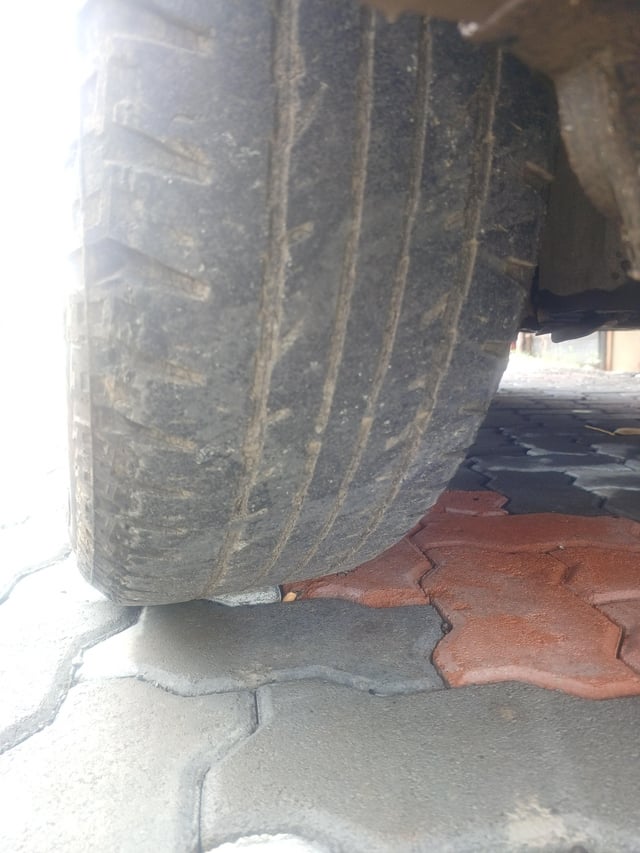
Have you ever wondered, “When should I change tires on my car?” It’s a question that could save you from unexpected trouble on the road. Your tires are the only part of your car touching the ground—they keep you safe and in control.
But how do you know when they’ve worn out or become unsafe? If you wait too long, you risk accidents and costly repairs. If you change them too soon, you might waste money. You’ll discover clear signs and easy tips to know exactly when it’s time to replace your tires.
Keep reading to protect yourself, your passengers, and your wallet.

Credit: www.reddit.com
Signs Tires Need Replacement
Tires are very important for your car’s safety. You should know when to change them.
Look for clear signs that your tires are worn out or damaged.
Tread Depth Indicators
Tires have small bars inside the tread grooves. These bars show the tread depth.
- If the tread is worn down to the bars, the tire is unsafe.
- Low tread depth reduces grip on wet roads.
- Check tread depth with a gauge or a coin.
Visible Cracks And Bulges
Look closely at your tires for cracks on the sidewall or tread. Bulges can also appear.
Cracks mean the rubber is aging and may fail soon. Bulges show weak spots that can cause blowouts.
Uneven Tire Wear
Uneven wear means some parts of the tire are thinner than others. This can cause handling problems.
| Cause | Effect on Tire |
| Incorrect wheel alignment | Wear on one edge |
| Unbalanced tires | Patchy tread wear |
| Wrong tire pressure | Wear in the center or edges |
| Worn suspension parts | Irregular tread patterns |
Frequent Air Pressure Loss
If your tires lose air often, they may have leaks or damage.
Signs of air pressure problems:
- Tires feel soft or low when checked
- Need to add air frequently
- Visible nails or sharp objects stuck
- Slow leaks from valve or rim

Credit: www.reddit.com
Recommended Tire Lifespan
Tires wear out over time and need replacement to keep you safe. Knowing when to change tires helps avoid accidents and saves money.
Tire lifespan depends on many factors. We will look at mileage, driving conditions, and weather effects to guide you.
Typical Mileage Limits
Most tires last between 25,000 and 50,000 miles. This range varies by tire type and quality.
| Tire Type | Average Mileage |
| All-Season | 40,000 miles |
| Performance | 25,000 miles |
| Touring | 50,000 miles |
| Winter | 30,000 miles |
Impact Of Driving Conditions
Driving style and road type affect tire wear. Rough roads and hard braking reduce tire life faster.
- City driving with frequent stops wears tires quicker.
- Highway driving is gentler on tires.
- Aggressive driving causes uneven tire wear.
- Potholes and rough roads damage tires.
Effect Of Weather And Climate
Weather conditions change how tires perform and wear. Hot weather can soften tires, while cold makes them hard.
| Climate | Effect on Tires |
|---|---|
| Hot Weather | Softens rubber, increases wear |
| Cold Weather | Makes tires hard and brittle |
| Wet Conditions | Can cause hydroplaning, wears tread |
| Snow/Ice | Requires special tires for safety |
Safety Risks Of Worn Tires
Worn tires can cause serious safety problems while driving. They reduce your car’s ability to stay on the road and stop quickly.
It is important to know the risks of driving with worn tires. This helps keep you and others safe on the road.
Reduced Traction And Grip
Tires with worn tread have less grip on the road. This makes it harder to control the car, especially on wet or slippery surfaces.
Reduced traction increases the chance of sliding or skidding during turns or quick maneuvers.
Increased Braking Distance
Worn tires take longer to stop your car. This means you need more space to brake safely.
Longer braking distance can cause accidents, especially in emergencies or bad weather.
Higher Risk Of Blowouts
Old or damaged tires are more likely to blow out. A blowout can cause you to lose control of the car quickly.
Blowouts are dangerous and can lead to serious crashes on busy roads or highways.
Seasonal Tire Changes
Changing tires with the seasons helps keep your car safe. Tires perform best in the conditions they are made for. Switching them at the right time improves grip and control.
Using the correct tires for each season can also extend their life. It reduces wear and tear caused by unsuitable weather. Let’s look at how to manage seasonal tire changes.
Switching To Winter Tires
Winter tires are made for cold weather and snow. Their rubber stays soft in low temperatures. This helps the tire grip icy and snowy roads.
- Change to winter tires before temperatures drop below 45°F (7°C).
- Check tire tread depth; winter tires need deep grooves for snow.
- Store summer tires in a cool, dry place to keep them in good shape.
- Plan to switch back to summer or all-season tires after winter ends.
Using Summer Tires Safely
Summer tires work well in warm, dry, and wet conditions. They provide good handling and braking on hot roads. Using them in cold weather can cause damage.
| Temperature Range | Summer Tire Use |
| Above 45°F (7°C) | Safe to use |
| Below 45°F (7°C) | Rubber hardens, less grip |
| Snow or Ice | Not recommended |
All-season Tire Considerations
All-season tires fit many types of weather but are not perfect for extremes. They balance summer and winter features but have limits.
Consider these tips for all-season tires:
- Use all-season tires if your area has mild winters.
- Check tread depth regularly to maintain safety.
- Replace tires if you often drive in heavy snow or ice.
- All-season tires can be a good option for year-round use.
Proper Tire Maintenance Tips
Changing tires at the right time keeps your car safe on the road. Good tire care helps tires last longer.
Follow simple maintenance steps to avoid early tire wear. This saves money and improves driving safety.
Regular Tire Rotation
Rotating tires moves them to different positions on the car. This spreads out wear evenly on all tires.
Change tire positions every 5,000 to 8,000 miles. This helps tires wear at the same rate.
- Front tires wear faster than rear tires
- Rotation balances tire life
- Check your car’s manual for rotation pattern
Maintaining Correct Tire Pressure
Keep your tires at the pressure listed on your car’s door sticker. Too low or too high pressure causes problems.
Check tire pressure once a month and before long trips. Use a reliable pressure gauge for accuracy.
- Low pressure increases tire wear and fuel use
- High pressure can reduce traction and cause damage
- Adjust pressure when tires are cold for best results
Alignment And Balancing Checks
Proper wheel alignment keeps tires pointing straight. It prevents uneven tire wear and improves handling.
Balancing tires stops shaking and uneven wear. Have alignment and balancing checked once a year or if you feel vibration.
- Misaligned wheels cause the car to pull to one side
- Unbalanced tires cause steering wheel vibration
- Both issues reduce tire life and driving comfort
When To Consult A Professional
Knowing when to get help for your car tires can keep you safe. Tires wear out over time and can cause problems.
A professional can check your tires and tell if they need to be changed. This guide will help you know when to see an expert.
Signs To Seek Expert Advice
Watch for these signs that show your tires may need professional attention:
- Visible cracks or cuts on the tire sidewalls
- Tread depth below 2/32 of an inch
- Uneven tire wear patterns
- Frequent loss of air pressure
- Vibrations or shaking while driving
- Bulges or blisters on the tire surface
Choosing The Right Tire Shop
Select a tire shop with certified technicians. Look for places with good reviews and proper equipment. A trustworthy shop will explain the work clearly.
| Feature | Why It Matters |
| Certified Technicians | Ensures skilled service |
| Good Reviews | Shows customer satisfaction |
| Proper Equipment | Needed for accurate inspection |
| Clear Communication | Helps you understand repairs |
What To Expect During Inspection
The tire expert will check your tires carefully. They will measure tread depth and look for damage. They also check tire pressure and alignment.
- Visual inspection of tire surface and sidewalls
- Measurement of tread depth using a gauge
- Checking air pressure in all tires
- Assessing tire balance and wheel alignment
- Recommending repair or replacement if needed

Credit: www.reddit.com
Frequently Asked Questions
How Often Should I Change My Car Tires?
Most experts recommend changing tires every 6 years or 25,000 to 50,000 miles. However, check tread depth and wear regularly. Replace tires sooner if you notice cracks or uneven wear for safety.
What Are Signs That Tires Need Replacement?
Look for tread wear below 2/32 inch, cracks, bulges, or vibrations. Uneven wear patterns and frequent air pressure loss also signal tire replacement.
Can Tire Age Alone Require Replacement?
Yes, even unused tires deteriorate over time. Manufacturers advise replacing tires after 6 to 10 years due to rubber degradation, regardless of tread condition.
How Does Weather Affect Tire Replacement Timing?
Extreme heat or cold accelerates tire wear and aging. Inspect tires more frequently in harsh climates and replace them sooner to maintain safety.
Conclusion
Changing tires is crucial for safety. Worn tires can lead to accidents. Check tread depth regularly. Also, inspect for cracks or bulges. Weather changes can affect tire performance. Replace tires every 6 years, even if they look good. Trust your instincts if driving feels off.
Consistent maintenance ensures a smoother ride. It also protects you on the road. Prioritize tire health for peace of mind. Remember, safe tires equal safe travel.