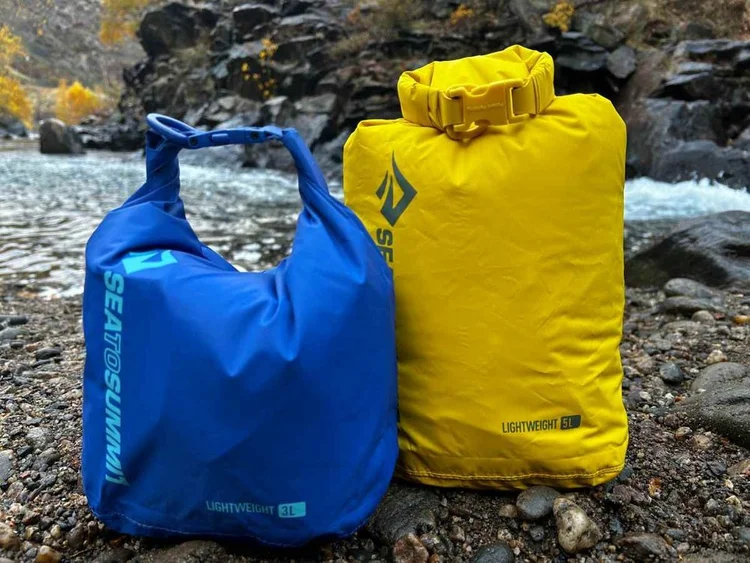
Choosing the right size dry bag for your sleeping bag can make a huge difference on your next outdoor trip. You want something that keeps your gear safe from water and dirt but is also easy to carry.
Too small, and your sleeping bag won’t fit; too big, and you’ll be carrying extra weight for no reason. You’ll discover exactly how to pick the perfect dry bag size to protect your sleeping bag and make your adventure more comfortable.
Keep reading—your next trip deserves the best gear setup!
Credit: www.walmart.com
Dry Bag Basics
A dry bag keeps your sleeping bag dry in wet conditions. It protects your gear from rain, mud, and water.
Choosing the right size dry bag is important. It helps save space and keeps your sleeping bag safe.
Material Types
Dry bags are made from different materials. These affect how strong and waterproof the bag is.
Common materials include nylon, polyester, and PVC. Nylon is light and strong. Polyester is durable and resists UV damage. PVC is heavy but very waterproof.
- Nylon: lightweight, strong, and flexible
- Polyester: durable and UV resistant
- PVC: thick, heavy, and fully waterproof
Waterproof Ratings
Waterproof ratings show how much water pressure a dry bag can handle. This helps you know if it will keep your sleeping bag dry.
Ratings are measured in millimeters (mm) of water pressure. Higher numbers mean better waterproofing. For sleeping bags, look for bags with at least 5000 mm rating.
- 1000-2000 mm: water resistant, not fully waterproof
- 3000-5000 mm: good waterproof protection for most trips
- 5000+ mm: very waterproof, best for wet conditions
Common Sizes
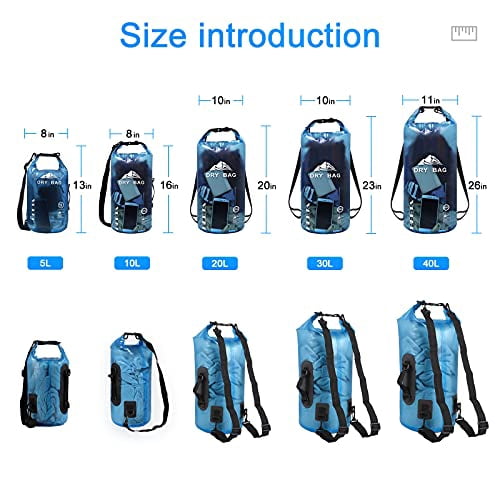
Dry bags come in many sizes. The right size depends on your sleeping bag size and extra gear.
Small bags fit compact sleeping bags. Larger bags hold bulky or double sleeping bags. Choose a size that fits your gear snugly to save space.
- 5-10 liters: fits small or lightweight sleeping bags
- 15-20 liters: fits medium-sized sleeping bags
- 25-30 liters: fits large or double sleeping bags
Sleeping Bag Dimensions
Choosing the right dry bag size for your sleeping bag is important. It helps keep your gear dry and easy to carry.
Sleeping bag sizes vary a lot. Knowing the dimensions helps you pick a dry bag that fits well.
Types Of Sleeping Bags
Sleeping bags come in different shapes and sizes. The type affects how big the packed bag will be.
There are three main types: rectangular, mummy, and semi-rectangular bags.
- Rectangular bags:These are wide and roomy. They have a boxy shape.
- Mummy bags:These taper at the feet for warmth. They are narrower and lighter.
- Semi-rectangular bags:These mix the two styles. They offer some room with a tapered shape.
Average Packed Sizes
Sleeping bags shrink when packed. The packed size depends on the bag type and insulation.
| Sleeping Bag Type | Average Packed Size (inches) |
|---|---|
| Rectangular | 20 x 15 |
| Mummy | 14 x 9 |
| Semi-rectangular | 17 x 12 |
These sizes help you choose a dry bag that fits your sleeping bag comfortably.
Factors Affecting Size
Several things change the packed size of your sleeping bag. These include insulation type and compression level.
- Insulation type:Down bags pack smaller than synthetic ones.
- Compression:How much you squeeze your bag affects its size.
- Sleeping bag length:Longer bags need larger dry bags.
- Extra features:Some bags have hoods or extra padding that add size.
Matching Dry Bags To Sleeping Bags
Choosing the right dry bag for your sleeping bag helps keep it dry and safe. A good fit prevents damage and makes packing easier.
Dry bags come in different sizes and shapes. You need to match the volume of the dry bag to your sleeping bag size.
Choosing The Right Volume
Dry bags have volume measured in liters. Check the size of your sleeping bag before picking a dry bag.
Small sleeping bags need smaller dry bags, while large sleeping bags need bigger ones. Pick a dry bag that fits your sleeping bag comfortably.
Considering Compression
Compression dry bags squeeze sleeping bags to save space. They reduce volume but need to fit the sleeping bag size.
Look for dry bags with compression straps if you want to make your sleeping bag smaller for packing. This helps in tight backpack spaces.
Allowing Extra Space
Give some extra room in the dry bag for accessories or moisture protection. Do not choose a dry bag that is too tight.
- Extra space helps with easy packing and unpacking
- Allows room for a sleeping pad or small gear
- Prevents damage to the sleeping bag fabric
Popular Dry Bag Sizes For Sleeping Bags
Choosing the right dry bag size is key to keeping your sleeping bag dry. Dry bags come in different sizes to fit various sleeping bag types and camping needs.
This guide covers popular dry bag sizes that work well for most sleeping bags. Find the size that matches your gear and trip length.
10-15 Liter Bags
Dry bags sized 10 to 15 liters are great for compact sleeping bags. They fit lightweight and small sleeping bags used for short trips or summer camping.
- Ideal for ultralight sleeping bags
- Easy to carry and pack
- Best for warm weather or short trips
- Not suitable for bulky or winter bags
20-30 Liter Bags
These bags suit most standard sleeping bags. They offer enough space for medium-sized bags and some extra room for compression sacks.
| Dry Bag Size | Sleeping Bag Type | Use Case |
| 20 Liters | Three-season sleeping bags | Weekend camping |
| 25 Liters | Lightweight winter bags | Backpacking trips |
| 30 Liters | Medium bulky bags | Extended camping |
35+ Liter Bags
Bags over 35 liters fit large or bulky sleeping bags. They work well for cold weather gear or when you carry extra items inside the dry bag.
- Fits large winter sleeping bags
- Allows space for extra gear
- Heavier to carry
- Best for long trips or harsh conditions
Tips For Packing Sleeping Bags In Dry Bags
Packing a sleeping bag in a dry bag keeps it dry and clean. Choosing the right size dry bag helps you pack better. This guide shares simple tips for packing sleeping bags.
Learn about rolling versus stuffing, using compression sacks, and how to save space effectively.
Rolling Vs Stuffing
Rolling your sleeping bag keeps it neat but takes more space. Stuffing is faster and compresses the bag well. Both methods protect the bag differently.
- Rolling:Lay the bag flat and roll tightly from the foot end.
- Stuffing:Push the bag into the dry bag without folding or compressing too hard.
Using Compression Sacks
Compression sacks squeeze air out to make the sleeping bag smaller. They fit inside dry bags easily. Use them to pack bulky sleeping bags.
| Compression Sack Size | Ideal Sleeping Bag Size | Dry Bag Size Needed |
| Small (5-10L) | Ultralight or summer bags | 10-15L |
| Medium (10-15L) | Three-season bags | 15-20L |
| Large (15-20L) | Winter or extra-large bags | 20-25L |
Maximizing Space
Save space in your dry bag by packing smart. Organize gear and use every inch well.
- Place heavier items at the bottom.
- Use small stuff sacks for extra gear.
- Fill gaps with clothes or soft items.
- Keep the sleeping bag dry by sealing the dry bag tightly.

Credit: www.triathletestore.com
Additional Gear Considerations
Choosing the right dry bag for your sleeping bag is important. You also need to think about other gear you carry. Proper organization and protection matter for all your items.
These tips help you pack smarter and keep everything dry and safe. Consider these points before you pick your dry bags.
Dry Bags For Other Items
Besides your sleeping bag, many other items need dry bags. Clothes, electronics, and food all benefit from water protection. Use smaller dry bags for these items to keep things organized.
- Use one dry bag for clothes to keep them dry and clean.
- Keep electronics in a small, padded dry bag to avoid damage.
- Store food in a separate dry bag to prevent leaks and smells.
Layering Multiple Bags
Layering dry bags inside your pack helps save space and protect gear. Put your sleeping bag in the largest dry bag. Then add smaller bags for other items on top or around it.
| Bag Type | Suggested Use | Placement |
| Large Dry Bag | Sleeping bag | Bottom of backpack |
| Medium Dry Bag | Clothes and extra layers | Middle layer |
| Small Dry Bag | Electronics and food | Top or side pockets |
Weight And Portability
Dry bags add weight to your pack, so choose lightweight options. Look for bags made from durable but light materials. Carrying many dry bags can make your pack bulky.
- Pick dry bags with roll-top closures for easy sealing.
- Use compact bags that fold small when empty.
- Balance weight evenly in your pack to avoid strain.

Credit: seatosummit.com
Frequently Asked Questions
What Size Dry Bag Fits A Standard Sleeping Bag?
A 10 to 15-liter dry bag typically fits a standard sleeping bag. This size offers enough space and compression to keep it dry and compact.
How To Choose Dry Bag Size For A Sleeping Bag?
Measure your sleeping bag’s packed size and add 20% for ease. Choose a dry bag slightly larger to ensure a snug fit without excess bulk.
Can A Smaller Dry Bag Protect A Sleeping Bag?
A smaller dry bag may fit tightly but can compress the sleeping bag excessively. This may reduce insulation and comfort. It’s better to use the correct size.
Are Larger Dry Bags Better For Sleeping Bags?
Larger dry bags offer extra space but may add bulk and weight. Selecting a size close to your sleeping bag’s packed dimensions ensures efficient protection and portability.
Conclusion
Choosing the right dry bag ensures your sleeping bag stays dry. Size matters. A snug fit protects against moisture and damage. Consider your sleeping bag’s dimensions. Don’t forget to account for other items you might store. A little extra room is better than too tight.
Test the fit before your trip. Store it properly for the best results. Stay prepared and enjoy a dry, comfortable sleep outdoors. Selecting the right dry bag enhances your camping experience. Make an informed choice and sleep soundly knowing your gear is safe.