Are you wondering what temperature your air conditioner should be set at to keep your home comfortable without wasting energy? Finding the perfect balance can save you money, improve your comfort, and even help the environment.
You’ll discover the ideal temperature settings that work best for you and your space. Keep reading to learn simple tips that make a big difference in how your air conditioner performs and how you feel indoors.
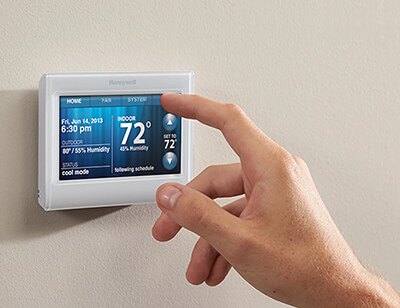
Credit: gulfshorecooling.com
Ideal Temperature Range
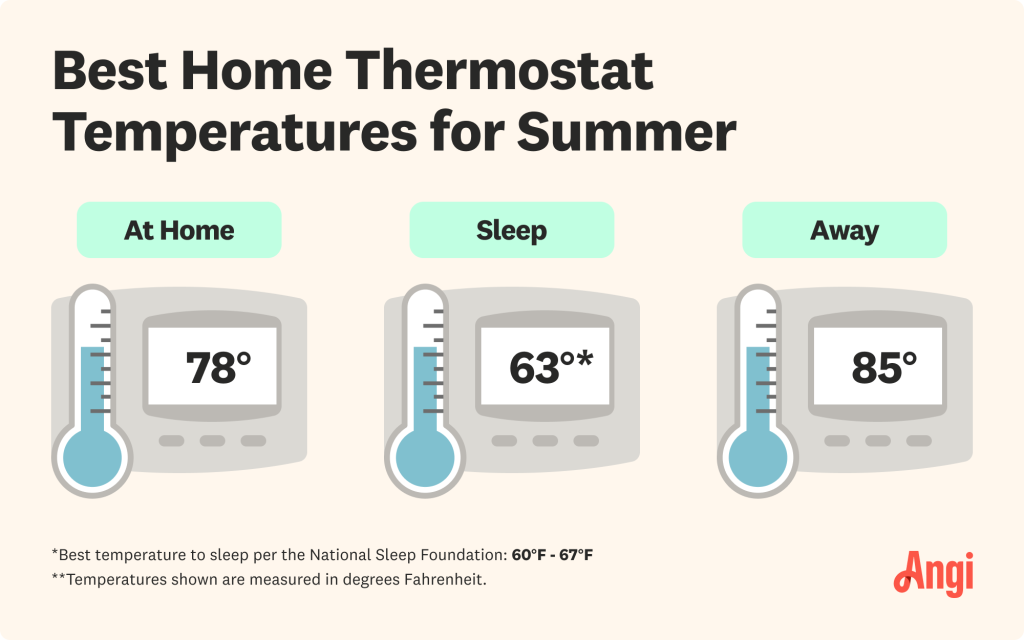
The ideal temperature for daytime is around 78°F (25°C). It keeps the room comfortable and saves energy. Setting the air conditioner too cold wastes power and raises bills.
At night, the temperature can be set higher, about 82°F (28°C). This helps the body sleep better and uses less energy. Using a programmable thermostat makes these changes easy.
- Daytime: 78°F (25°C) for comfort and savings
- Nighttime: 82°F (28°C) for better sleep and less power use
- Adjust settings based on your comfort level
- Use a timer or smart thermostat for easy changes
Energy Efficiency Tips
Setting your air conditioner at the right temperature helps save energy and money. Aim for 78°F (25-26°C)when you are home and need cooling. This temperature keeps you comfortable without using too much power.
Lowering the temperature a few degrees may make you cooler, but it raises your energy bills a lot. Higher temperatures save more energy but may feel warm. Find a good balance to stay comfy and save.
Programmable thermostats are very helpful. They let you set different temperatures for different times. For example, raise the temperature when you leave home and lower it before you return. This way, the AC works less but keeps your home cool when you need it.
- Set to 78°F when home and cooling is needed
- Raise temperature when away to save energy
- Use programmable thermostats for easy control
- Avoid setting too cold to reduce electricity use
Factors Affecting Temperature Choice
The size of the roomimpacts the best air conditioner temperature. Big roomsneed cooler settings to feel comfortable. Rooms with good insulationkeep cool air longer, so the AC doesn’t work too hard.
Humidity levelsalso play a key role. High humidity makes the air feel hotter, so a lower temperature helps. In dry areas, a slightly higher setting can still feel cool.
Each person’s comfortis different. Some like it cooler, others prefer it warmer. Adjusting the temperature to suit the occupants’ preferencesmakes the room feel just right.
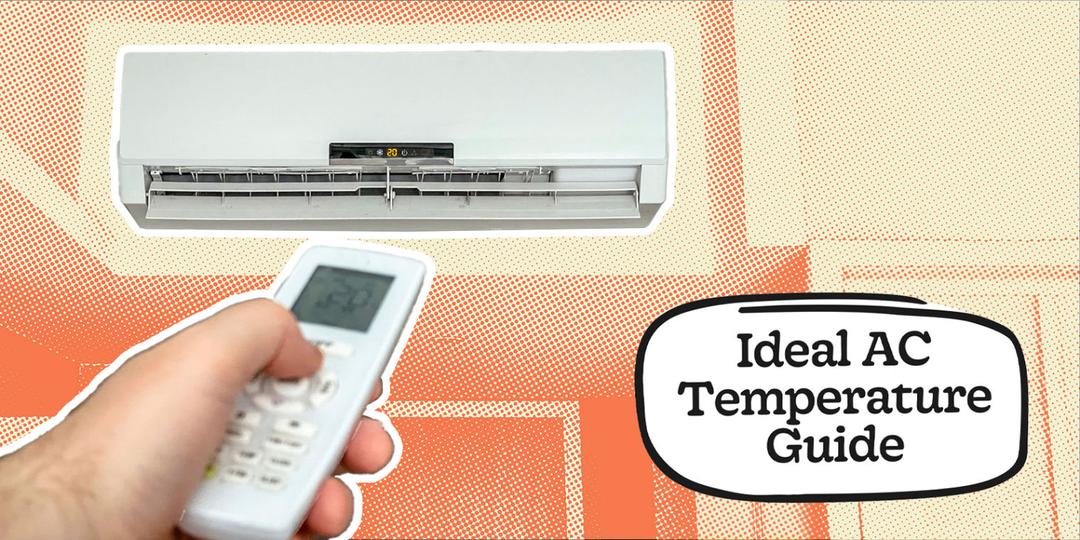
Credit: heatable.co.uk
Health And Comfort Considerations
Setting the air conditioner too cold can cause overcooling. This leads to dry skinand irritated eyes. It may also cause headaches and muscle stiffness. Keeping the temperature moderate helps maintain comfortwithout these issues.
Air conditioners can affect allergies and respiratory health. Cold air can dry out nasal passagesand make breathing harder. Dust and mold inside the unit can worsen allergies. Regular cleaning and setting the temperature around 75°F (24°C)helps reduce risks and keeps air fresh.
Seasonal Temperature Recommendations
Summer settingsfor your air conditioner should keep your home cool and save energy. Set the temperature around 78°F (25°C)when you are home. This keeps the room comfortable without using too much power. Raise the temperature a few degrees when you leave. It helps reduce electricity bills.
During transition periodslike spring and fall, the weather changes a lot. Set the AC between 75°F and 80°F (24°C to 27°C). This range balances comfort and energy use. Use a fan to help air move around. It feels cooler without lowering the temperature too much.
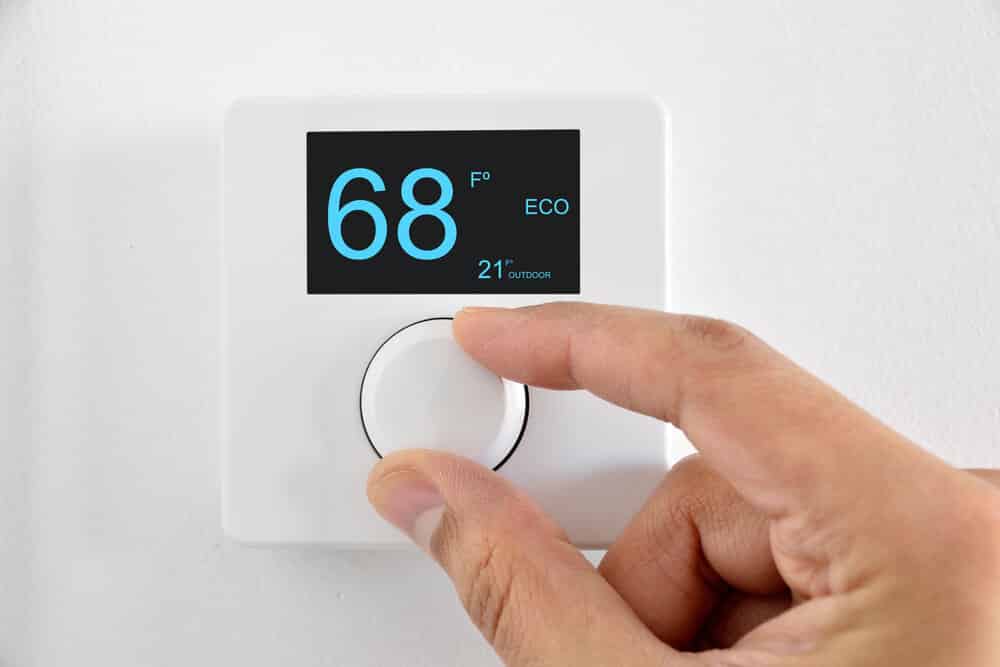
Credit: fischerheating.com
Advanced Ac Features For Comfort
Smart thermostatshelp keep your home at the perfect temperature. They learn your schedule and adjust settings automatically. This saves energy and keeps you comfortable all day. You can control them from your phone, even when you are away. Some models show energy use to help reduce bills.
Zoning systemsdivide your home into sections. Each zone can have its own temperature setting. This means no more heating or cooling empty rooms. It saves energy and keeps everyone happy. Some systems use smart vents or separate thermostats for each zone.
Frequently Asked Questions
What Is The Ideal Temperature For Air Conditioning?
The ideal air conditioner temperature is between 72°F and 78°F. This range balances comfort and energy efficiency. Setting it lower wastes energy and raises bills. Adjust based on personal comfort and humidity levels for best results.
How Does Temperature Setting Affect Energy Bills?
Lowering your AC temperature increases energy use significantly. Each degree below 78°F can raise bills by 6-8%. Keeping it at or above 78°F saves energy and money. Use fans to stay cool without lowering the thermostat.
Should Air Conditioner Settings Change At Night?
Yes, raising the temperature by 4-6°F at night saves energy. Cooler night air and bedding help maintain comfort. Programmable thermostats make these adjustments easy. This practice reduces energy consumption without sacrificing sleep quality.
Can Setting Ac Too Low Harm The System?
Setting the AC too low forces it to run longer. This causes wear and increases the risk of breakdowns. It also spikes electricity use. Maintaining a moderate temperature helps the system last longer and operate efficiently.
Conclusion
Setting your air conditioner to the right temperature saves energy. It keeps your home comfortable too. Experts suggest around 78°F in summer. This balance helps reduce electricity bills. It also keeps your home cool. Adjust settings based on your comfort level.
Remember, a programmable thermostat can help. It adjusts temperatures automatically. Small changes can have a big impact. Stay cool and save money with smart settings. Each degree lower saves more energy. Enjoy a cozy home without high costs.