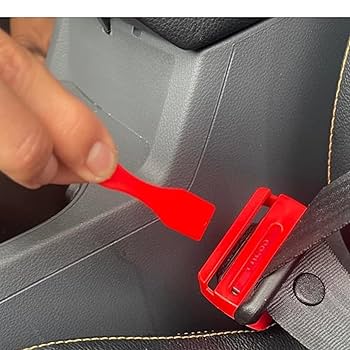
Have you ever wondered how your car seat belt actually locks in place? Knowing how to lock your seat belt properly isn’t just about safety—it can save you from unexpected slips or distractions while driving.
If you want to make sure your seat belt works exactly when you need it, this guide is for you. Keep reading, and you’ll learn simple steps that give you full control over your seat belt’s locking mechanism. This small knowledge can make a big difference every time you hit the road.
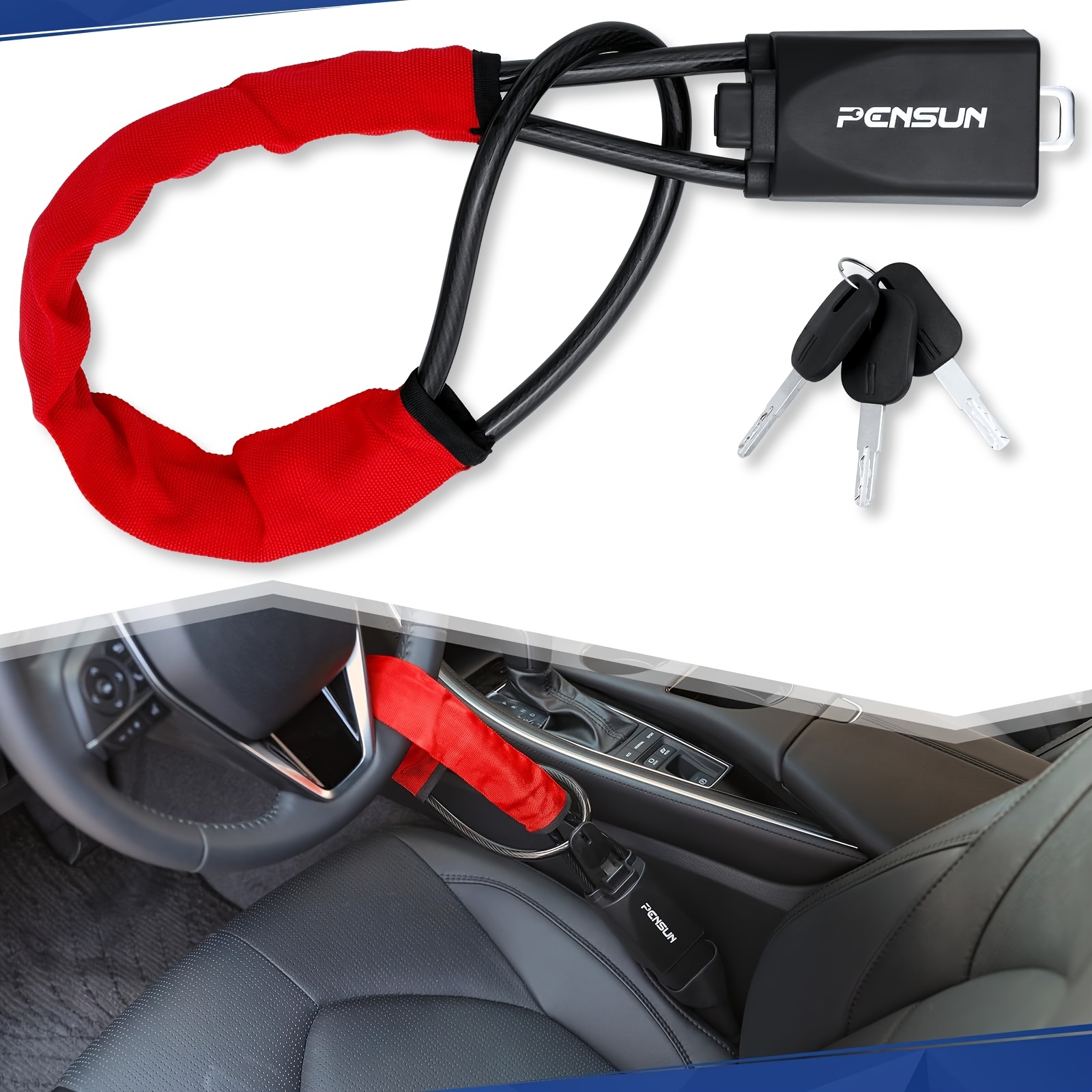
Credit: www.temu.com
Seat Belt Basics
Seat belts keep you safe while driving or riding in a car. They stop you from hitting the dashboard or windshield in a crash.
Knowing how to lock your seat belt helps it work correctly. This guide explains different seat belts and why they matter.
Types Of Seat Belts
There are several types of seat belts used in vehicles. Each type locks differently to keep passengers secure.
- Lap Belts: These go over your hips and lock at your waist.
- Shoulder Belts: These cross your chest and lock near your hip.
- Three-Point Belts: These combine lap and shoulder belts for full protection.
- Automatic Seat Belts: These lock automatically when the car moves.
Importance Of Seat Belt Use
Using a seat belt reduces the chance of serious injury in crashes. It also keeps you from being thrown out of the vehicle.
| Benefit | Explanation |
| Crash Protection | Stops your body from hitting hard surfaces |
| Legal Safety | Most places require seat belts by law |
| Airbag Support | Works with airbags to reduce injuries |
| Prevents Ejection | Keeps you inside the car during accidents |
How Seat Belts Lock
Seat belts keep passengers safe by locking in place during a crash. They stop movement to protect the body.
The locking happens through special devices inside the belt mechanism. These devices work to hold the belt tight.
Automatic Locking Retractor
The automatic locking retractor (ALR) locks the seat belt when it is pulled out fully. This stops the belt from loosening.
It allows the belt to move freely when pulled slowly. The lock happens only when the belt is pulled fast or all the way out.
- Allows normal belt movement during regular use
- Locks belt tight when pulled quickly
- Used for securing child safety seats
Switchable Locking Retractor
The switchable locking retractor (SLR) lets you choose how the seat belt locks. It can work in both normal and automatic locking modes.
You can switch the locking feature on or off depending on the need. This gives more control for different seating situations.
- Switch between normal and automatic locking
- Offers flexibility for passengers
- Helps with installing child seats safely
Step-by-step Locking Process
Knowing how to lock your car seat belt correctly keeps you safe during travel. Follow these simple steps to secure the belt properly. Each step is easy and important for your protection.
This guide covers positioning the belt, pulling it tight, locking the buckle, and checking the lock. Take your time to do each part right.
Positioning The Seat Belt
Place the seat belt across your body with care. The belt should lie flat on your chest and lap. Avoid twists or folds in the strap. Make sure the belt fits snugly but comfortably over your shoulder and hips.
Pulling The Belt Firmly
Pull the seat belt out slowly and steadily. Pull it firmly to remove slack. Do not yank or pull too fast. A tight belt helps keep you secure in your seat. Ensure the belt is not loose before locking it in place.
Engaging The Buckle
Insert the metal tongue into the buckle slot until you hear a click. This sound means the belt is locked. Try not to force the buckle if it does not fit easily. Align the parts properly and press firmly to engage the lock.
- Hold the metal tongue firmly
- Insert it straight into the buckle
- Press until you hear the click
- Pull lightly to check it is secure
Checking The Lock
| Check Point | How to Verify |
|---|---|
| Buckle Lock | Pull the belt gently to ensure it does not release |
| Belt Position | Confirm the belt lies flat and is not twisted |
| Comfort | Make sure the belt is tight but not causing discomfort |
| Release Button | Locate and test the release button to know how to unlock |

Credit: www.aliexpress.com
Common Issues And Fixes
Car seat belts keep us safe during travel. Sometimes, seat belts have problems that stop them from locking properly. Fixing these issues quickly is important for safety.
Below are common seat belt problems and simple ways to fix them. Follow the tips to make sure your seat belt works right every time.
Seat Belt Not Locking
If your seat belt does not lock, it might be due to dirt or debris inside the locking mechanism. The belt can slide freely without catching.
- Pull the seat belt out slowly and let it retract fully several times.
- Clean the belt and buckle area with mild soap and water.
- Check if the locking mechanism clicks when you pull the belt quickly.
- If it still does not lock, the locking mechanism may need replacement.
Twisted Or Jammed Belt
A twisted or jammed seat belt can stop it from pulling smoothly or locking. Twists cause extra tension and may block the belt from retracting.
| Issue | Fix |
|---|---|
| Twisted belt | Pull belt fully out and untwist it by hand |
| Jammed belt | Check for foreign objects blocking the belt path |
| Slow retraction | Clean belt and retractor with compressed air |
Buckle Problems
Problems with the buckle can stop the seat belt from fastening. Dirt, broken parts, or worn buttons may cause issues.
- Inspect the buckle for dirt or sticky residue.
- Press the release button several times to clear any jams.
- Use a small brush or compressed air to clean inside the buckle.
- Replace the buckle if it does not latch or release properly.
Tips For Enhanced Safety
Locking your car seat belt properly keeps you safer in case of a crash. It helps prevent injuries by holding you firmly in place.
Follow these tips to make sure your seat belt works as it should every time you drive or ride.
Proper Belt Adjustment
Adjust the seat belt so it fits snugly across your chest and lap. Avoid twisting the belt or letting it sit too loose.
- Place the shoulder belt over your shoulder, not under your arm.
- Keep the lap belt low across your hips, not your stomach.
- Pull the belt to remove slack before locking it.
- Make sure the belt clicks and locks securely.
Child Seat Belt Safety
Children need special care with seat belts. Use car seats or booster seats that fit their size and weight.
| Age Group | Seat Belt Type | Positioning |
| Infants (0-2 years) | Rear-facing car seat | Straps tight, chest clip at armpit level |
| Toddlers (2-5 years) | Forward-facing car seat with harness | Harness snug, no slack |
| Older children (5-12 years) | Booster seat with seat belt | Lap belt low on hips, shoulder belt across chest |
Regular Maintenance
Check your seat belts often. Look for frays, cuts, or worn parts that can weaken the belt.
- Clean belts with mild soap and water only.
- Test the locking mechanism regularly.
- Replace any damaged belts immediately.
- Ensure retractors work smoothly without sticking.

Credit: www.amazon.com
Frequently Asked Questions
How Do You Lock A Car Seat Belt Manually?
To lock a car seat belt manually, pull the belt out fully. Then, slowly let it retract. This activates the locking mechanism, keeping the belt tight and secure during sudden stops or impacts.
Why Should I Lock My Car Seat Belt?
Locking your car seat belt ensures maximum safety. It prevents excess slack, reducing injury risks. The locked belt holds you firmly in place during accidents or sharp turns.
Can All Car Seat Belts Be Locked?
Most modern car seat belts have a locking feature. However, older models or certain designs may lack this function. Always check your vehicle’s manual to confirm if your seat belt can be locked.
What Is The Difference Between Emergency And Automatic Locking?
Emergency locking activates during sudden stops, securing the belt immediately. Automatic locking allows belt adjustment but locks when fully extended. Both enhance safety by reducing belt slack in different scenarios.
Conclusion
Securing your car seat belt is vital for safety. Ensure it clicks properly. Check for twists and tangles. A snug fit across your chest and hips is essential. This helps protect you during sudden stops. Practice these steps regularly. It builds muscle memory.
Also, encourage passengers to buckle up too. Safety should always come first. Following these simple steps can make your journey safer. Remember, a few seconds can save lives. Stay safe and buckle up every time.