Are you looking for a heating solution that keeps your home warm and cozy without taking up much space? Understanding what a baseboard heating system is could be the key to making your living space comfortable all winter long.
This type of heating might be simpler and more efficient than you think. By the time you finish reading, you’ll know exactly how it works, why it might be the perfect fit for your home, and how it can save you money.
Ready to discover the warmth waiting at the base of your walls? Let’s dive in.
How Baseboard Heating Works
Baseboard heating systems warm rooms by using heaters installed along the base of walls. These systems provide steady heat and keep rooms comfortable during cold months.
There are two main types of baseboard heaters: electric and hydronic. Each type works in a different way to heat your space.
Electric Baseboard Heaters
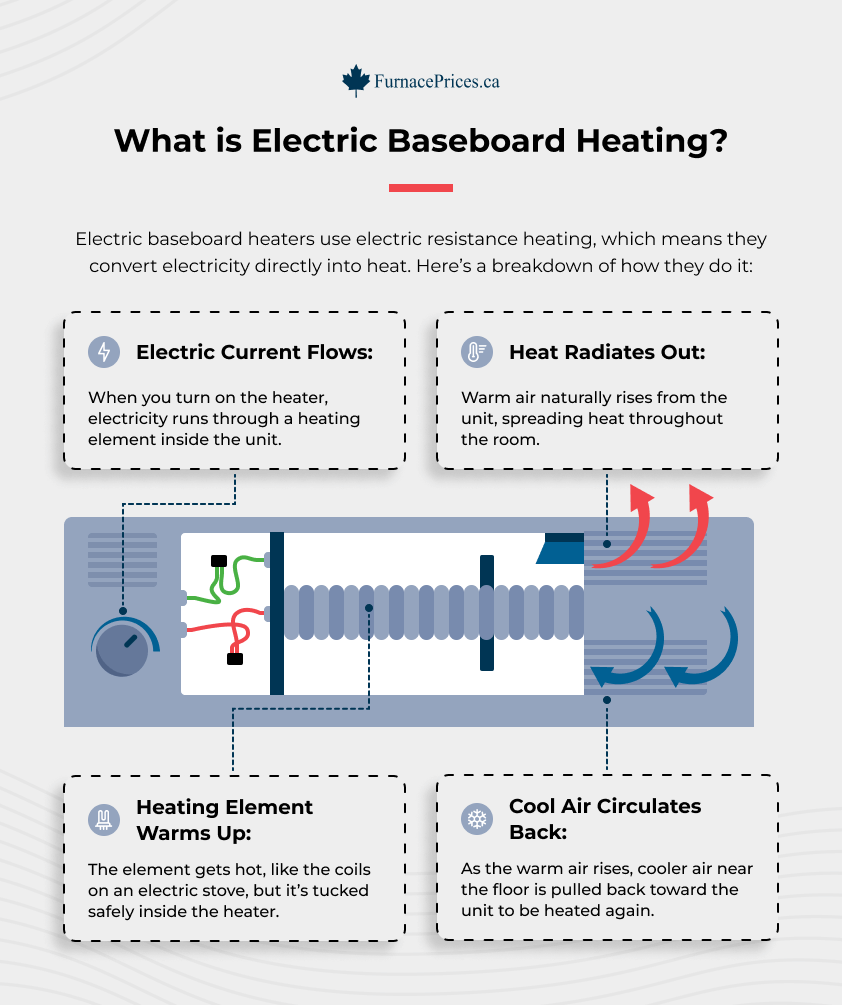
Electric baseboard heaters use electric resistance to create heat. When electricity passes through heating elements, they warm up. The heat then rises naturally into the room.
- Electricity flows through metal coils inside the unit.
- The coils get hot and warm the metal fins around them.
- Warm air rises from the fins and heats the room.
- Cool air enters at the bottom, creating a cycle.
Hydronic Baseboard Heaters
Hydronic baseboard heaters use hot water to produce heat. A boiler heats water and sends it through pipes in the baseboard unit. The water warms metal fins that heat the air.
| Component | Function |
| Boiler | Heats water to a set temperature |
| Pipes | Carry hot water through the baseboard heater |
| Metal Fins | Transfer heat from water to the air |
| Room Air | Heated by warm fins and circulates |
Benefits Of Baseboard Heating
Baseboard heating is a popular way to warm homes. It uses hot water or electricity to heat rooms evenly.
This system fits well in many spaces and offers several advantages over other heating types.
Energy Efficiency
Baseboard heaters use less energy than some traditional systems. They heat only the rooms you use.
This targeted heating reduces wasted energy and can lower your utility bills.
- Heats rooms individually
- Uses less power compared to forced air
- Works well with programmable thermostats
Quiet Operation
Baseboard heaters run silently because they have no fans or moving parts. This makes rooms peaceful.
You can enjoy quiet environments for sleeping, reading, or working without noise distractions.
Zoned Heating Control
Baseboard heating allows you to control the temperature in each room separately. This is called zoning.
You can keep bedrooms cooler and living areas warmer. This saves energy and fits your comfort needs.
- Individual room thermostats
- Custom heat for each zone
- Better comfort and lower costs
Types Of Baseboard Heating Systems
Baseboard heating systems warm rooms by heating the air near the floor. They come in two main types: electric and hydronic. Each type works differently and suits different needs.
Understanding the differences helps you choose the right system for your home. This guide covers electric versus hydronic systems and how baseboard heating compares with other methods.
Electric Vs. Hydronic Systems
Electric baseboard heaters use electric resistance to produce heat. They are easy to install and control in individual rooms. Hydronic baseboard heaters use hot water heated by a boiler. The water flows through pipes in the baseboard to provide warmth.
- Electric Systems:Quick to heat, low upfront cost, works well in small areas.
- Hydronic Systems:More energy-efficient, provides steady heat, better for whole-house heating.
Comparison With Other Heating Methods
| Heating Method | Efficiency | Installation Cost | Comfort Level |
|---|---|---|---|
| Electric Baseboard | Moderate | Low | Good for small rooms |
| Hydronic Baseboard | High | Medium to High | Even and consistent heat |
| Forced Air | Moderate | Medium | Can cause drafts |
| Radiant Floor | High | High | Very comfortable, even heat |

Credit: www.napoleon.com
Installation Process
Installing a baseboard heating system requires careful planning and precise work. The process ensures efficient heat distribution and safety. Understanding the key steps helps avoid common mistakes.
This guide covers where to place the baseboards and how to size them. It also compares hiring a professional versus doing it yourself.
Placement And Sizing
Baseboard heaters should be placed along exterior walls under windows. This location helps reduce cold drafts and spreads heat evenly. Proper sizing depends on the room size and insulation.
- Measure the length of each exterior wall where heat is needed.
- Calculate the heat output required per square foot of the room.
- Choose baseboards that match the heat output needed.
- Leave space around furniture for good airflow.
- Do not block the baseboards with curtains or rugs.
Professional Vs. Diy Installation
Deciding between hiring a professional and installing the system yourself depends on skill and comfort level. Professionals offer experience and ensure code compliance. DIY installation can save money but needs careful work.
| Aspect | Professional Installation | DIY Installation |
| Cost | Higher upfront cost | Lower material cost only |
| Time | Faster completion | May take longer |
| Skill Required | Expert knowledge | Basic electrical and plumbing skills |
| Safety | Meets safety codes | Risk of errors |
| Warranty | Often included | Usually none |
Maintenance Tips
Keeping your baseboard heating system in good shape saves money and avoids breakdowns. Regular upkeep ensures it works well throughout the cold months.
Follow these simple tips for cleaning and fixing common problems. This will help your system last longer and heat your home efficiently.
Regular Cleaning
Cleaning your baseboard heater removes dust and dirt that block heat flow. Clean the outside and inside carefully to keep air moving well.
- Turn off the heater and let it cool before cleaning.
- Use a vacuum with a brush attachment to remove dust from vents and fins.
- Wipe the outside with a damp cloth to remove dirt and stains.
- Check for any debris or objects blocking the heater and clear them.
- Clean the area around the heater regularly to prevent dust buildup.
Troubleshooting Common Issues
Sometimes baseboard heaters stop working or make noises. Knowing common problems helps you fix them quickly or know when to call a professional.
| Problem | Cause | Solution |
| Heater not warming | Power off or thermostat issue | Check power supply and set thermostat correctly |
| Strange noises | Air trapped or loose parts | Bleed the system or tighten screws |
| Uneven heat | Blocked vents or dirty fins | Clean vents and remove dust buildup |
| Water leak (hot water baseboard) | Pipe or valve leak | Inspect pipes and call a plumber if needed |

Credit: www.angi.com
Cost Considerations
Baseboard heating systems offer a straightforward way to heat rooms. Understanding the costs helps you plan your budget well.
This section covers the main costs: the initial investment and ongoing operating expenses.
Initial Investment
The upfront cost includes buying and installing the baseboard heaters. Prices vary by type and size.
- Electric baseboard heaters cost less to buy but may require more wiring work.
- Hydronic baseboard heaters are more expensive but offer better efficiency.
- Installation charges depend on your home’s layout and required labor.
- Additional parts like thermostats or controls add to the total cost.
Operating Expenses
Operating costs depend on energy use and fuel prices. These can vary widely over time.
| Expense Type | Electric Baseboard | Hydronic Baseboard |
| Energy Cost | Moderate to high | Lower due to efficiency |
| Maintenance | Low | Moderate, needs occasional servicing |
| Repairs | Rare but possible | Possible pipe or valve issues |
Optimizing Efficiency
Baseboard heating systems provide steady warmth by heating the air near the floor. To get the best from these systems, focus on efficiency.
Simple actions can reduce heat loss and keep your home comfortable with less energy.
Insulation And Draft Prevention
Good insulation keeps heat inside. Drafts let cold air in and warm air out, wasting energy.
- Seal gaps around windows and doors with weatherstripping.
- Use caulk to close cracks in walls and baseboards.
- Add insulation in walls, attics, and floors to keep heat stable.
- Install heavy curtains to reduce heat loss through windows.
- Check vents and outlets to prevent air leaks.
Thermostat Settings
Thermostat control affects energy use and comfort. Setting the right temperature saves power.
| Time of Day | Recommended Temperature |
| Daytime (Home) | 68°F (20°C) |
| Nighttime | 60–65°F (15–18°C) |
| When Away | 55–60°F (13–15°C) |
Common Myths About Baseboard Heating
Baseboard heating is a popular way to warm homes. Many people have ideas about it that are not true.
Understanding the facts helps you decide if baseboard heating is right for you.
Baseboard Heating Is Too Expensive To Run
Some believe baseboard heating costs a lot every month. This is not always true. The cost depends on your energy source and how well your home is insulated.
Electric baseboard heaters use energy only when needed. They can be cheaper in small or well-insulated homes.
Baseboard Heating Takes Up Too Much Space
People think baseboard heaters block walls and limit furniture placement. While they do run along walls, they are usually slim and low to the floor.
Careful planning can keep your room looking nice and warm without losing space.
Baseboard Heaters Make Rooms Too Dry
Some say baseboard heating dries out the air. This is not fully correct. Baseboard heaters do not blow hot air, so they cause less dryness than forced-air systems.
You can add a humidifier if you want more moisture in the room.
Baseboard Heating Is Hard To Control
It is a myth that baseboard heaters do not allow good temperature control. Most systems have individual thermostats in each room.
This lets you keep different rooms at different temperatures, saving energy and improving comfort.
Baseboard Heating Is Old Technology
Some think baseboard heating is outdated. While it has been around a long time, it remains a simple and effective way to heat rooms.
Modern baseboard heaters are safer and more energy-efficient than older models.
Credit: modernize.com
Frequently Asked Questions
What Is A Baseboard Heating System?
A baseboard heating system uses long, narrow units along walls to provide heat. It warms rooms by circulating hot water or electric heat through these units, offering consistent and efficient heating.
How Does Baseboard Heating Work?
Baseboard heating works by circulating hot water or electric heat through pipes or coils. This heat radiates from the baseboard units, warming the surrounding air and keeping rooms comfortably warm.
Are Baseboard Heaters Energy Efficient?
Yes, baseboard heaters are energy efficient as they provide targeted heating. Electric models convert energy directly to heat, while hydronic systems use hot water for better heat retention and lower energy use.
Can Baseboard Heating Be Used With Smart Thermostats?
Yes, many baseboard heating systems are compatible with smart thermostats. This allows precise temperature control, scheduling, and energy savings, improving comfort and reducing heating costs.
Conclusion
Baseboard heating systems offer efficient warmth for homes. They are easy to install and maintain. These systems provide consistent heat distribution. Ideal for small and large spaces alike. They operate quietly, enhancing comfort without noise. Energy efficiency is a key benefit, saving on bills.
Choosing baseboard heating can improve home comfort. It’s a smart option for those seeking reliable heating solutions. Understanding its benefits helps make informed decisions. Consider it for your next heating upgrade. A practical choice for many homeowners. Simple, effective, and cost-efficient.
Perfect for keeping your home cozy.