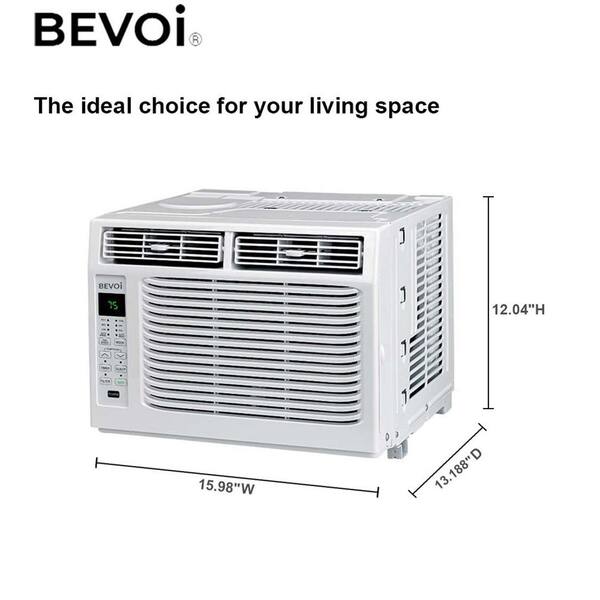
Are you wondering how much power your 5000 BTU air conditioner uses? Knowing the wattage of your AC unit is important for managing your electricity bills and making smart energy choices.
But how do you figure out how many watts a 5000 BTU air conditioner actually consumes? You’ll get clear, simple answers that help you understand your AC’s energy use better. By the end, you’ll be able to make informed decisions about cooling your space efficiently without wasting power.
Keep reading to learn the surprising facts about your air conditioner’s wattage and how it affects your home.

Credit: www.homedepot.com
Btu And Watt Relationship
Air conditioners often list their cooling power in BTUs. Watts show how much electricity they use. Understanding the link helps with energy choices.
This article explains what BTU means and how to convert BTU to watts. It focuses on a 5000 BTU air conditioner.
What Btu Measures
BTU stands for British Thermal Unit. It measures heat energy needed to raise one pound of water by one degree Fahrenheit.
In air conditioners, BTU shows how much heat the unit can remove from a room per hour. Higher BTU means more cooling power.
- BTU measures cooling or heating capacity
- It shows energy transfer, not electrical use
- Common in HVAC systems
- 5000 BTU is a small to medium cooling size
Converting Btu To Watts
Watts measure electrical power used by the air conditioner. To find watts from BTU, use a simple formula.
One BTU per hour equals about 0.293 watts. Multiply BTU by 0.293 to get watts.
| BTU | Conversion Factor | Watts |
|---|---|---|
| 5000 | × 0.293 | 1465 |
A 5000 BTU air conditioner uses about 1465 watts of cooling power. Actual electrical power may be less due to efficiency.
Power Consumption Of 5000 Btu Ac
A 5000 BTU air conditioner is a small unit used for cooling small rooms. Understanding its power use helps you manage electricity bills.
This guide explains how many watts a 5000 BTU AC uses and what affects its power consumption.
Typical Wattage Range
A 5000 BTU air conditioner usually consumes between 400 and 600 watts. The exact number depends on the model and its efficiency.
On average, you can expect around 500 watts of power use during operation. This is less than larger units that cool bigger spaces.
- Low-end models: about 400 watts
- Mid-range models: about 500 watts
- High-efficiency models: about 450 watts
Factors Affecting Power Use
Several factors change how much power a 5000 BTU AC uses. These include room size, temperature, and unit condition.
Using the AC in a bigger room or very hot weather makes it work harder. This raises electricity use.
- Room size: Larger rooms need more cooling power
- Outside temperature: Hot days increase power use
- Thermostat setting: Lower temps use more electricity
- Unit age and maintenance: Older units use more power
- Insulation: Poor insulation causes longer run times
Energy Efficiency Ratings
Understanding energy efficiency helps you save money with your air conditioner. It shows how well the unit uses electricity to cool the room.
A 5000 BTU air conditioner uses a certain amount of watts to run. Knowing its efficiency ratings can help you choose the best model.
Seer And Eer Explained
SEER stands for Seasonal Energy Efficiency Ratio. It measures cooling efficiency over a whole season. Higher SEER means better energy use.
EER means Energy Efficiency Ratio. It shows efficiency at a specific temperature. A higher EER means the air conditioner uses less power to cool.
- SEER = Cooling output during season ÷ Energy used
- EER = Cooling output at set temperature ÷ Energy used
- Both help compare how efficient AC units are
Impact On Electricity Bills
A 5000 BTU air conditioner typically uses about 400 to 600 watts. Using a unit with better efficiency ratings lowers your power use.
Lower power use means smaller electricity bills. Choosing a unit with high SEER or EER saves money over time.
| Efficiency Rating | Effect on Electricity Bill |
|---|---|
| High SEER | Uses less energy over the cooling season |
| High EER | Uses less energy at peak cooling times |
| Low Ratings | Consumes more electricity, higher bills |
Credit: www.lg.com
Comparing 5000 Btu Ac Models
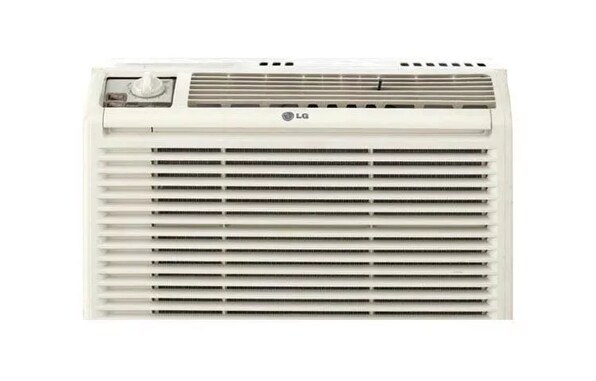
Small air conditioners with 5000 BTU cool small rooms or spaces. They use different amounts of electricity. Knowing the watt usage helps you pick the best unit for your needs.
This guide looks at the power use of 5000 BTU AC models. It helps you compare features and energy efficiency.
Energy Star Certified Units
Energy Star certified 5000 BTU ACs use less power. They meet strict energy-saving rules. These units lower electricity bills and reduce environmental impact.
- Use about 400 to 500 watts on average
- Have better cooling efficiency
- Include smart features to save energy
- Offer good value over time
Choosing Based On Power Use
Check the wattage to find an energy-saving 5000 BTU AC. Lower watts mean less power used. Think about how often you will run the unit.
| Model Type | Power Use (Watts) | Notes |
|---|---|---|
| Standard 5000 BTU AC | 450 – 600 | Basic cooling, less efficient |
| Energy Star 5000 BTU AC | 400 – 500 | More efficient, saves electricity |
| Inverter 5000 BTU AC | 350 – 450 | Variable speed, uses less power |
Tips To Optimize Ac Efficiency
A 5000 BTU air conditioner uses about 450 watts of power. Saving energy helps lower bills and keeps your home cool.
Using your AC efficiently keeps it working well. Follow simple tips to get the best cooling with less energy.
Proper Installation
Install your air conditioner in a shaded spot to reduce heat from the sun. This helps the AC cool faster and use less power.
Make sure the unit fits tightly in the window or wall. Gaps let warm air inside and lower the AC’s efficiency.
- Choose a shaded location
- Seal gaps around the unit
- Keep the outdoor unit clear of debris
Regular Maintenance
Clean or replace air filters every month. Dirty filters block airflow and make the AC work harder.
Check the coils and fins for dirt and dust. Clean them to improve cooling and lower energy use.
- Clean or change filters monthly
- Remove dirt from coils and fins
- Check for leaks in refrigerant lines
Smart Usage Practices
Set the thermostat to 78°F (25°C) for good comfort and energy savings. Lower settings use more power.
Use fans to help spread cool air. Turn off the AC when no one is home to save electricity.
- Keep thermostat at 78°F (25°C)
- Use fans to circulate air
- Turn off AC when rooms are empty
- Close windows and doors while cooling

Credit: www.homedepot.com
Frequently Asked Questions
How Many Watts Does A 5000 Btu Air Conditioner Use?
A 5000 BTU air conditioner typically uses around 450 to 600 watts. The exact wattage depends on the model’s efficiency and settings. This range provides enough power to cool small rooms efficiently while keeping energy consumption low.
What Is The Watt To Btu Conversion For Air Conditioners?
One watt equals approximately 3. 41 BTUs per hour. To find watts, divide BTUs by 3. 41. For example, 5000 BTUs divided by 3. 41 equals about 1466 watts for cooling capacity, but actual power use is usually lower due to efficiency.
Is A 5000 Btu Air Conditioner Energy Efficient?
Yes, 5000 BTU air conditioners are generally energy efficient for small spaces. They consume less power compared to larger units. Choosing models with a high EER rating improves efficiency and lowers electricity bills while providing sufficient cooling.
Can A 5000 Btu Air Conditioner Cool A Large Room?
No, a 5000 BTU air conditioner is best for small rooms up to 150 square feet. Larger rooms require higher BTU units to cool effectively. Using a 5000 BTU unit in a large space may lead to insufficient cooling.
Conclusion
Understanding the power needs of a 5000 BTU air conditioner is crucial. It helps manage energy use and costs effectively. Typically, these units require around 500 watts. This knowledge aids in choosing the right air conditioner for your space. Ensuring proper wattage can save money and energy.
It also ensures efficient cooling performance. Always check your unit’s specifications for accuracy. Efficient cooling contributes to a comfortable home environment. By knowing these details, you can make informed decisions. Keep your space cool and your energy bills low with the right air conditioner.