
Is your air conditioner not cooling like it used to? Or maybe you want to make sure it’s working perfectly before the hot days arrive.
Knowing how to test your air conditioner can save you time, money, and discomfort. In this guide, you’ll learn simple steps to check if your AC is running efficiently. By the end, you’ll feel confident in spotting problems early and keeping your home cool all summer long.
Let’s dive in and make sure your air conditioner is ready to beat the heat!

Credit: www.youtube.com
Prepare For Testing
Testing your air conditioner helps keep it working well. Proper preparation makes testing easier and safer.
Before you start, gather tools and check key parts. This guide shows what to do first.
Gather Necessary Tools
Use the right tools to check your air conditioner. This helps find problems quickly and safely.
- Screwdriver set for opening panels
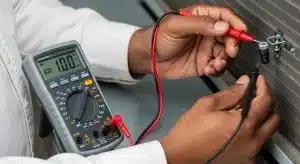
- Multimeter to check electrical parts
- Thermometer to measure air temperature
- Flashlight to see inside dark areas
- Gloves for safety
Check Power Supply
Make sure the air conditioner has power before testing. This avoids false readings and hazards.
| Power Check | What to Do |
| Power switch | Ensure it is turned on |
| Circuit breaker | Check if it is not tripped |
| Power cord | Look for damage or loose plugs |
| Outlet | Test with another device |
Inspect Air Filter
The air filter affects cooling and airflow. A dirty filter can cause poor performance.
Check the air filter by following these steps:
- Turn off the air conditioner.
- Open the front panel carefully.
- Remove the air filter.
- Look for dust and debris.
- Clean or replace the filter if needed.
- Put the filter back and close the panel.
Initial Air Conditioner Check
Testing your air conditioner early can prevent big problems. It helps keep your home cool and comfortable.
Start with a simple check to find any issues. This saves time and money later on.
Examine Thermostat Settings
Check if the thermostat is set to cooling mode. Make sure the temperature is lower than room temperature.
Look for any error messages on the display. Replace batteries if the thermostat uses them.
- Set mode to “Cool”
- Adjust temperature below room level
- Check for display errors
- Replace batteries if needed
Look For Visible Damage
Inspect the outside unit and indoor parts for cracks or dents. Damaged parts can affect cooling.
Check if wiring looks worn or frayed. Loose wires can cause the system to fail.
- Look for cracks or dents on the unit
- Check if wires are secure and not damaged
- Make sure vents are clean and clear
Listen For Unusual Noises
Turn on the air conditioner and listen closely. Strange sounds may signal a problem.
Watch for rattling, buzzing, or grinding noises. These noises could mean loose parts or motor trouble.
- Rattling sounds may mean loose screws
- Buzzing could signal electrical issues
- Grinding noise can mean motor problems
Test Cooling Performance
Testing the cooling performance of your air conditioner helps you know if it works well. You can check if the room cools down quickly and stays comfortable.
This guide shows how to measure air temperature, check airflow strength, and assess cooling efficiency.
Measure Air Temperature
Use a thermometer to measure the air temperature near the air conditioner’s vent. Take the reading before and after you turn on the unit.
Compare the two temperatures. A good air conditioner will lower the temperature by about 15 to 20 degrees Fahrenheit.
- Place the thermometer 6 inches from the vent
- Record the room temperature before turning on
- Turn on the air conditioner and wait 10 minutes
- Record the temperature again
Check Airflow Strength
Strong airflow helps cool the room faster. To check airflow, feel the air coming from the vent with your hand.
If the air feels weak or barely moves, the air conditioner might have a clogged filter or fan problem.
- Stand near the vent and feel the air speed
- Listen for unusual noises from the fan
- Inspect and clean the air filter if airflow is weak
Assess Cooling Efficiency
Cooling efficiency means how well the unit cools the whole room. Measure the room temperature at different spots after running the AC for 30 minutes.
If some areas stay warm, the AC may need maintenance or better airflow distribution.
- Measure temperatures in the center and corners of the room
- Note any spots that feel warmer than others
- Check if vents are open and not blocked
- Consider moving fans to help air circulate
Inspect Electrical Components
Checking electrical components is key to testing an air conditioner. It helps find problems that stop the unit from working well.
Focus on parts like capacitors, relays, wiring, and the compressor. These parts control the power and operation of the air conditioner.
Test Capacitors And Relays
Capacitors store energy to start motors, and relays control the switch of power. Test them to ensure the air conditioner runs smoothly.
- Turn off power before testing.
- Use a multimeter to check capacitor charge.
- Look for bulges or leaks on capacitors.
- Listen for clicking sounds from relays during operation.
- Replace any parts that fail the tests.
Check Wiring Connections
Loose or damaged wiring can cause failures. Inspect all wires for tight connections and no signs of wear or burns.
| Wiring Aspect | What to Check | Action |
| Terminals | Secure and clean connections | Tighten or clean if loose or dirty |
| Insulation | No cracks or damage | Replace if damaged |
| Wire Color | Correct color coding | Fix mismatches to avoid errors |
| Burn Marks | Signs of overheating | Investigate and repair source |
Evaluate Compressor Function
The compressor pumps refrigerant and keeps the air conditioner cool. Test it to confirm it runs properly.
Check compressor function by:
- Listening for unusual noises like rattles or clicks.
- Measuring current draw with an ammeter.
- Observing if the compressor starts and runs smoothly.
- Checking temperature difference between inlet and outlet pipes.
Evaluate Drainage System
Testing your air conditioner includes checking its drainage system. A good drainage system helps avoid water damage. It also keeps your AC working well.
Look at the drain lines, water leaks, and drain pan. These parts are key to a healthy drainage system.
Clear Drain Lines
Drain lines can get blocked by dirt or mold. Clear them to stop water backup. This keeps your AC safe from water damage.
Use a wet-dry vacuum or a pipe cleaner to remove blockages. Flush the lines with water to check flow.
Check For Water Leaks
Look under the air conditioner for water leaks. Leaks can cause damage to walls and floors. Fix leaks quickly to avoid bigger problems.
- Check around the drain line connection
- Inspect under the indoor unit
- Look for water stains or damp spots
Test Drain Pan Condition
The drain pan collects water from the AC. Check if it is cracked or rusted. A damaged pan can cause leaks and water damage.
Replace the drain pan if you see cracks or rust. Make sure it is clean and sits correctly under the unit.
Credit: thecoolingco.com
Perform Safety Checks
Testing your air conditioner safely is important to avoid accidents. Start with basic safety checks before any detailed inspection.
These checks help protect you and your equipment from electrical and mechanical hazards. Follow the steps below carefully.
Inspect Circuit Breakers
Check the circuit breakers to make sure they are working well. A faulty breaker can cause power issues or fires.
- Locate the breaker panel connected to the air conditioner.
- Look for any tripped breakers or signs of damage.
- Reset any tripped breakers carefully.
- Replace breakers that look worn or broken.
Confirm Proper Grounding
Grounding protects you from electric shocks. Check that the air conditioner is grounded correctly.
| Grounding Check | What to Do |
| Visual Inspection | Look for a grounding wire connected to the unit. |
| Continuity Test | Use a multimeter to test the wire’s continuity. |
| Secure Connection | Make sure the grounding wire is tight and free from corrosion. |
Check For Refrigerant Leaks
Refrigerant leaks can harm the environment and reduce cooling power. Check for leaks carefully.
Look for these signs of leaks:
- Oily residue on pipes or connections
- Hissing sounds near refrigerant lines
- Unusual drops in cooling performance
Use a leak detector device for more accurate results.
Record And Analyze Results
Testing your air conditioner helps keep it running well. Recording the results shows how it performs. Analyzing data helps find any problems early.
Keep clear records of your test results. This information guides you on needed repairs or maintenance. It also helps track your air conditioner’s health over time.
Document Test Findings
Write down all measurements and observations from your tests. Include temperature, airflow, and noise levels. Note the date and time for each test.
- Record indoor and outdoor temperature readings
- Measure air conditioner’s cooling output
- Check the unit’s power consumption
- Note any unusual sounds or smells
- Write down filter and coil condition
Identify Performance Issues
Compare test results to normal performance ranges. Look for signs like low cooling or high energy use. These signs indicate problems needing attention.
| Test Parameter | Normal Range | Signs of Issue |
|---|---|---|
| Cooling Temperature | 16°C to 22°C (60°F to 72°F) | Above 22°C means poor cooling |
| Airflow Speed | 400 to 600 CFM | Below 400 CFM shows blockage |
| Energy Use | Matches unit rating | High use means inefficiency |
Plan For Repairs Or Maintenance
Use your findings to decide what to fix or clean. Prioritize urgent repairs to avoid bigger problems. Schedule regular maintenance to keep your unit efficient.
- Clean or replace air filters
- Clear debris around outdoor unit
- Fix leaks in refrigerant lines
- Check and tighten electrical connections
- Call a technician for major repairs

Credit: imhomeinspections.com
Frequently Asked Questions
How Do I Check If My Air Conditioner Is Working Properly?
To test your air conditioner, turn it on and feel the airflow. Check if the air is cool and steady. Listen for unusual noises. Inspect the thermostat settings and ensure the unit cycles on and off correctly. Regular maintenance improves performance.
What Tools Are Needed To Test An Air Conditioner?
You need a thermometer to check air temperature, a multimeter for electrical tests, and a pressure gauge for refrigerant levels. Basic tools like screwdrivers and a flashlight help inspect components. Using the right tools ensures accurate testing and diagnosis.
How Can I Test An Air Conditioner’s Cooling Efficiency?
Measure the temperature difference between the air coming out and the room air. A good AC should lower the air temperature by 15-20 degrees Fahrenheit. Also, ensure proper airflow and clean filters for optimal cooling efficiency.
When Should I Test My Air Conditioner?
Test your air conditioner before the cooling season starts and after any repair work. Regular testing every few months helps detect problems early. Timely testing ensures your AC runs efficiently and prevents costly breakdowns.
Conclusion
Testing your air conditioner ensures it works efficiently. Regular checks can prevent costly repairs. Listen for unusual noises. Check for leaks. Confirm the thermostat settings. Clean or replace filters. Inspect the outdoor unit for debris. Monitor the cooling performance. Simple steps make a difference.
Your comfort depends on a functioning system. Regular maintenance enhances longevity. Take action before issues arise. An efficient air conditioner saves energy and money. Enjoy a cool home all summer long. Keep it simple, keep it cool. Your comfort is within reach.
Test your air conditioner today.