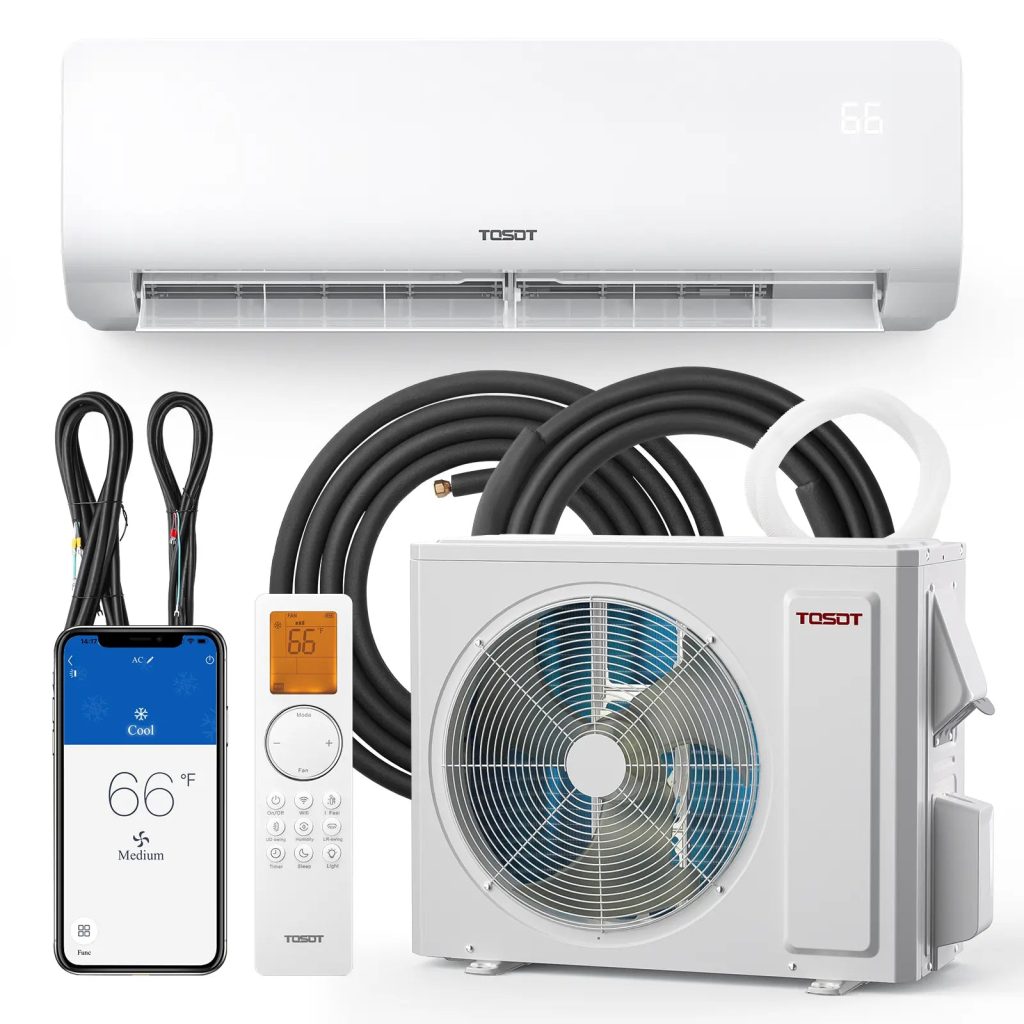
Have you ever wondered why some air conditioners save more electricity and keep your room comfortable without constant noise? The secret lies in something called an air conditioner inverter.
Understanding what an air conditioner inverter is can help you make smarter choices for your home or office. You’ll discover how this technology works, why it matters for your energy bills, and how it can improve your cooling experience. Keep reading to unlock the benefits that many people miss when buying a new air conditioner.
How Air Conditioner Inverters Work
An air conditioner inverter controls the compressor speed. It adjusts cooling power based on the room temperature. This system uses less energy than regular air conditioners.
Inverter technology helps maintain a steady temperature. It avoids turning the compressor on and off frequently. This makes the air conditioner quieter and more efficient.
Basic Components
The inverter air conditioner has key parts that work together. The compressor, inverter circuit, and sensors are the main components. The compressor changes its speed based on signals from the inverter.
- Compressor:Pumps the refrigerant and controls cooling.
- Inverter Circuit:Regulates power supply to the compressor.
- Temperature Sensors:Detects room temperature changes.
- Fan and Evaporator:Circulate cool air inside the room.
Variable Speed Operation
The inverter adjusts the compressor speed to save energy. It runs faster when the room is very hot. When the room cools down, it slows the compressor.
| Room Temperature | Compressor Speed | Energy Use |
| High | Fast | High |
| Medium | Medium | Moderate |
| Low | Slow | Low |
Comparison With Traditional Acs
Traditional air conditioners run at full speed or off. They use more power and cause temperature swings. Inverter ACs keep a steady temperature with less energy.
- Traditional ACs waste energy by turning on and off.
- Inverter ACs save electricity with variable speed control.
- Inverter models reduce noise by running smoothly.
- Traditional units wear out faster from constant stopping and starting.
Benefits Of Inverter Technology
An air conditioner inverter controls the motor speed to save energy. It adjusts cooling power based on the room’s needs. This makes it different from regular air conditioners.
Inverter technology brings many benefits. It helps reduce electricity bills and keeps your room comfortable. This technology also makes the air conditioner last longer.
Energy Efficiency
Inverter air conditioners use less energy by changing motor speed. They only work as hard as needed to cool the room. This saves power compared to traditional units that run at full speed all the time.
By using less energy, inverter ACs help reduce your carbon footprint. They are better for the environment and your wallet.
Cost Savings
Because inverter air conditioners save energy, they lower your electricity bills. They do not turn on and off frequently, which reduces wear and tear. This means fewer repairs and maintenance costs.
Even though inverter ACs might cost more upfront, the savings on bills make them cheaper over time.
Quieter Operation
Inverter technology lets the air conditioner run smoothly at different speeds. This makes the unit much quieter than traditional models. You will hear less noise while it cools your room.
Quiet operation is great for bedrooms, offices, and places where noise can be distracting.
Longer Lifespan
Inverter air conditioners have fewer start and stop cycles. This reduces stress on the compressor and other parts. As a result, the unit lasts longer without needing repairs.
The steady operation helps keep the air conditioner in good condition for many years.
Energy-saving Tips For Inverter Acs
An air conditioner inverter adjusts the compressor speed to save energy. It cools the room efficiently by using less power than traditional ACs.
Using your inverter AC wisely can lower your electricity bills and help the environment. Here are some tips to save energy.
Optimal Temperature Settings
Setting the right temperature is key to saving energy. Too low or too high settings waste power.
| Recommended Temperature | Energy Use |
| 24°C (75°F) | Low |
| 20°C (68°F) | High |
| 28°C (82°F) | Very Low |
Regular Maintenance
Keep your inverter AC clean and well-maintained. This helps it run smoothly and save energy.
- Clean or replace air filters every month
- Check and clean the condenser coils
- Inspect for leaks or unusual noises
- Schedule professional servicing once a year
Smart Usage Habits
Using your inverter AC smartly reduces energy waste. Small habits make a big difference.
- Close windows and doors to keep cool air inside
- Use fans to help circulate air
- Turn off the AC when not in use
- Use timer settings to limit running time
- Avoid placing heat sources near the thermostat

Credit: www.homedepot.com
Choosing The Right Inverter Ac
An air conditioner inverter adjusts its power to cool a room efficiently. It uses less energy than regular ACs by changing compressor speed.
Choosing the right inverter AC means looking at size, energy use, and extra features. These factors help you save money and stay comfortable.
Capacity And Size
Pick an AC size that fits your room. Too small means less cooling. Too big wastes energy and money.
- Measure your room size in square feet
- 1 ton AC suits about 120-150 sq. ft.
- Choose higher capacity for larger rooms
- Consider ceiling height and sunlight exposure
Energy Ratings
Energy ratings show how much electricity an AC uses. Higher ratings mean better efficiency and lower bills.
| Rating | Efficiency Level | Estimated Savings |
| 3 Star | Average | Moderate |
| 4 Star | Good | Good |
| 5 Star | Best | High |
Additional Features
Extra features improve comfort and ease of use. Look for options that match your needs.
- Sleep mode for quieter operation
- Auto restart after power cuts
- Air filters to improve air quality
- Remote control and smart connectivity
Common Myths About Inverter Air Conditioners
Many people have questions about inverter air conditioners. Some ideas about them are not true. It is important to know the facts before buying one.
This article clears up some common myths. It helps you understand how inverter air conditioners really work.
Myth Vs Reality
Some think inverter air conditioners use more electricity. This is not true. Inverters adjust power to save energy. They do not run at full speed all the time.
- Myth: Inverters cool the room faster by running at full power.
- Reality: Inverters run at variable speeds to keep a steady temperature.
- Myth: Inverter units need more maintenance than regular units.
- Reality: They require similar maintenance as non-inverter units.
- Myth: Inverter ACs are noisy.
- Reality: They usually run quieter because of smooth motor control.
Addressing Cost Concerns
People often worry that inverter ACs cost too much. The price can be higher at first. But they save money over time.
| Cost Factor | Inverter AC | Non-Inverter AC |
| Initial Price | Higher | Lower |
| Electricity Use | Lower | Higher |
| Maintenance | Similar | Similar |
| Long-Term Savings | Yes | No |
Credit: heatandcool.com
Future Trends In Inverter Technology
An air conditioner inverter controls the speed of the compressor motor. This helps save energy and keeps room temperature steady. Inverter technology is changing quickly to meet future needs.
New trends focus on making inverters smarter, more efficient, and friendlier to the environment. These changes will improve comfort and reduce costs.
Smart Integration
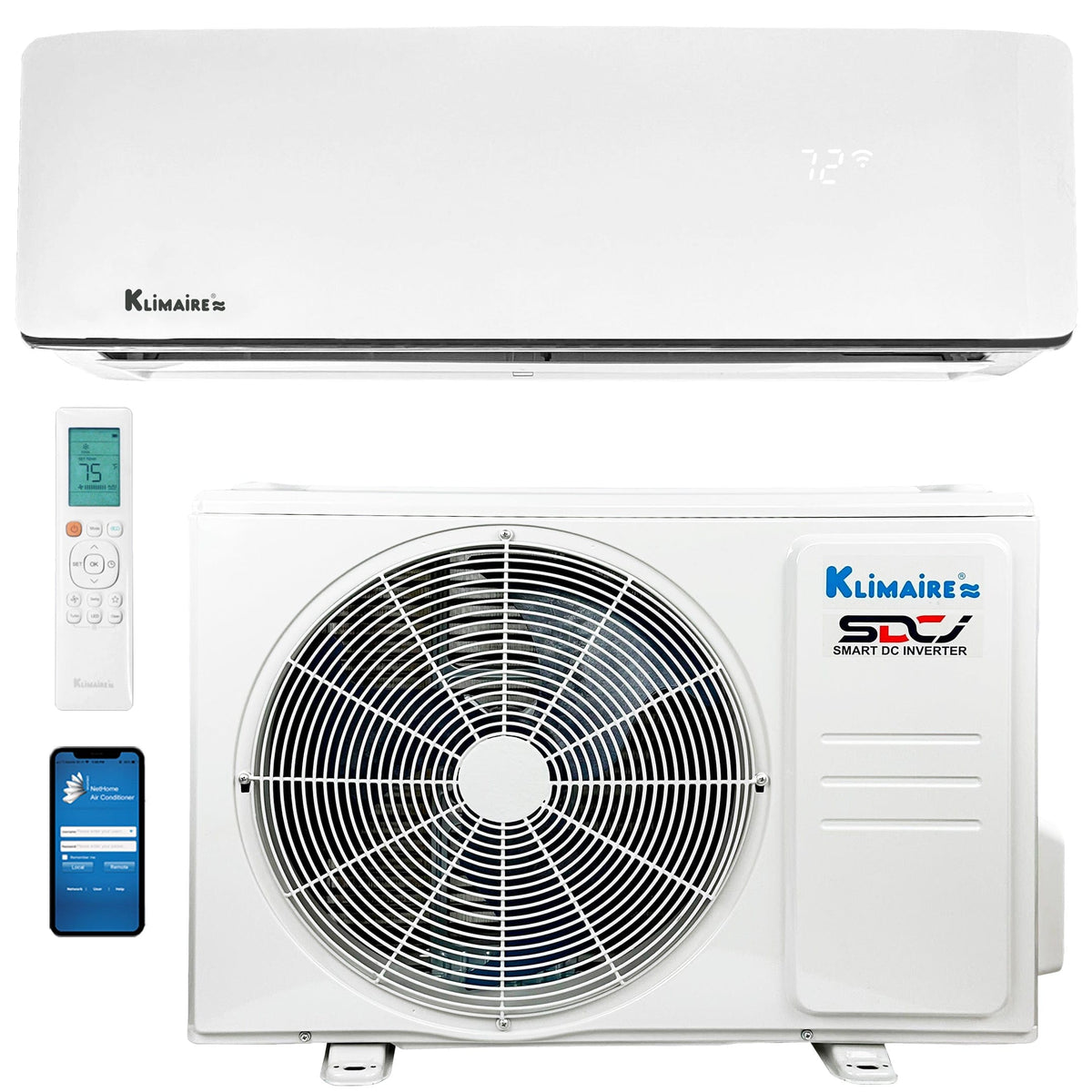
Inverter air conditioners will connect better with smart home systems. This allows easy control using phones or voice commands. Sensors can adjust cooling based on room use.
- Remote control via mobile apps
- Voice assistant compatibility
- Automatic temperature adjustment with sensors
- Energy use monitoring and reporting
Improved Efficiency
Future inverters will use advanced materials and designs. These will reduce power loss and increase cooling power. Better algorithms will help the compressor run smoothly.
| Feature | Benefit |
| Advanced semiconductor chips | Lower energy consumption |
| Optimized compressor speed | Stable temperature control |
| Smart cooling algorithms | Less wear and tear |
| Improved heat exchangers | Faster cooling |
Eco-friendly Refrigerants
New inverter models will use refrigerants that harm the environment less. These gases have low global warming potential. This helps protect the planet while cooling rooms efficiently.
| Refrigerant Type | Global Warming Potential (GWP) | Benefits |
|---|---|---|
| R32 | 675 | Lower GWP, better cooling |
| R290 (Propane) | 3 | Very low GWP, natural refrigerant |
| R454B | 466 | Reduced environmental impact |

Credit: www.lg.com
Frequently Asked Questions
What Is An Air Conditioner Inverter Technology?
An air conditioner inverter controls the compressor motor speed. It adjusts cooling power efficiently, saving energy and reducing electricity bills.
How Does An Inverter Ac Save Energy?
Inverter ACs vary compressor speed based on room temperature. This avoids frequent on/off cycles, leading to less energy use.
Is An Inverter Ac More Cost-effective?
Yes, inverter ACs cost more initially but save money long-term. They use less electricity and need fewer repairs.
Can Inverter Acs Maintain Consistent Room Temperature?
Yes, inverter ACs provide steady cooling by adjusting compressor speed. This keeps the room comfortable without temperature swings.
Conclusion
Air conditioner inverters offer many benefits. They save energy and reduce costs. Inverters adjust cooling based on room temperature. This leads to consistent comfort. They work silently, enhancing peace at home. Maintenance is also easier with inverters. They are a wise investment for long-term savings.
Understanding their function helps in choosing the right model. Most importantly, they contribute to a greener planet. Choosing an inverter means choosing efficiency. A smarter choice for your home. Enjoy cool comfort and lower bills.