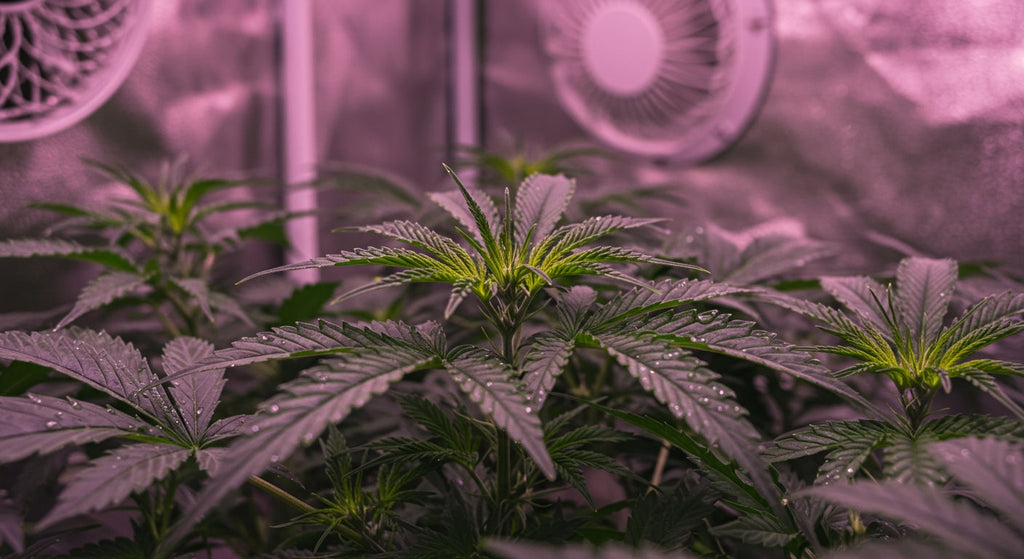
Are you struggling with high KPa levels inside your grow tent? High pressure can harm your plants, slow their growth, and reduce your overall yield.
But don’t worry—lowering KPa is easier than you might think. You’ll discover simple, effective ways to bring your grow tent’s pressure down to the right level. Keep reading, and you’ll learn how to create the perfect environment for your plants to thrive.

Credit: www.gorillagrowtent.com
Factors Affecting Kpa In Grow Tents
Kpa measures the pressure inside a grow tent. It affects airflow and plant health. Many factors can change the Kpa level.
Knowing what changes Kpa helps you keep the right environment for your plants. Adjusting these factors can lower Kpa effectively.
Airflow And Ventilation
Good airflow keeps air moving inside the tent. It stops pressure from building up and raises oxygen levels for plants.
Proper ventilation removes hot air and brings in fresh air. This keeps the Kpa balanced and prevents stress on plants.
- Use intake and exhaust vents to move air well
- Keep vents open or install vent fans
- Place vents where air can flow freely
Fan And Filter Setup
Fans help move air through the tent and reduce pressure. Filters can slow airflow if not chosen well.
Using the right size fan and filter lowers Kpa. A strong fan with a low-resistance filter works best.
- Match fan power to tent size
- Choose filters with low air resistance
- Keep fans and filters clean for better airflow
Tent Size And Sealing
A small tent can build pressure faster than a large one. Tight seals keep air from leaking in or out.
Good sealing helps control the tent’s internal pressure. Fix tears and gaps to keep Kpa steady.
- Choose the right tent size for your setup
- Check zippers and seams for leaks
- Use tape to seal holes or gaps
Tools To Measure Pressure
Measuring pressure inside a grow tent helps control the environment. It is important to keep pressure at the right level for plant health.
Using the right tools makes it easy to check and adjust pressure. This guide covers common pressure gauges and where to place them.
Types Of Pressure Gauges
There are several pressure gauges to choose from. Each type works well in different situations.
- Analog Pressure Gauges:These have a dial and needle to show pressure. They are simple and easy to read.
- Digital Pressure Gauges:These show pressure as numbers on a screen. They offer precise readings and may include extra features.
- Manometers:These use liquid columns to measure pressure differences. They are good for low-pressure systems.
- Wireless Pressure Sensors:These send pressure data to your phone or computer. They allow remote monitoring.
Placement For Accurate Readings
Where you place the pressure gauge affects how accurate the reading is. Choose spots that reflect the grow tent’s real pressure.
Avoid placing gauges near fans or vents. These areas have pressure changes that do not show the tent’s overall pressure.
- Mount gauges at plant canopy level for relevant data.
- Place away from vents, fans, and doors.
- Use sealed fittings to prevent air leaks around the gauge.
- Ensure easy access for regular pressure checks.
Simple Methods To Lower Kpa
Maintaining the right pressure in your grow tent is important for plant health. Lowering Kpa can improve airflow and prevent damage.
Here are easy ways to reduce Kpa and keep your grow tent environment stable and healthy.
Adjusting Fan Speed
Fans control air movement and pressure inside the tent. Slowing the fan speed lowers Kpa by reducing airflow force.
Use a fan controller or adjust settings on your fan to find the right speed that keeps pressure low but airflow steady.
Improving Ventilation
Good ventilation helps balance air pressure and keeps Kpa low. Make sure your intake and exhaust vents work well.
Adding extra vents or using larger vents can increase airflow and reduce pressure build-up inside the tent.
- Check if vents are open and clear
- Add passive intake vents for fresh air
- Use an exhaust fan to remove stale air
Removing Obstructions
Obstructions block airflow and raise Kpa inside the tent. Look for items that slow or block air movement.
Clear cables, tools, or plants away from fans and vents. Keep pathways open to help air flow freely and lower pressure.
- Move objects away from vents and fans
- Keep plant leaves trimmed near airflow paths
- Clean dust or debris from fans regularly
Upgrading Equipment For Better Control
Controlling the pressure inside a grow tent is key for healthy plants. Upgrading your equipment helps lower kPa levels. This makes air flow more stable and safe for your plants.
Better control means less stress on your plants. You get to keep the environment just right. Here are some ways to improve your grow tent setup.
High-quality Exhaust Fans
A strong exhaust fan removes air quickly and keeps pressure down. Cheap fans may not move enough air. This causes pressure to build up inside the tent.
Choose fans made for grow tents. They last longer and work better. Good fans help keep kPa low and air fresh.
- Look for fans with high airflow ratings
- Check if the fan fits your tent size
- Consider noise levels for comfort
Using Variable Speed Controllers
Variable speed controllers let you adjust fan speed easily. This gives you more control over air pressure. You can lower fan speed to reduce noise and save energy.
With better speed control, you keep kPa at safe levels. This helps your plants get the right air flow all the time.
- Adjust fan speed to match tent size
- Use a controller with easy-to-use dials
- Monitor pressure and change speed as needed
Installing Air Vents
Air vents allow air to flow in and out naturally. This reduces pressure build-up inside the tent. Vents help keep fresh air moving without extra power.
Place vents at different heights to improve circulation. Proper vent placement lowers kPa and keeps temperature stable.
- Install intake vents near the bottom
- Place exhaust vents near the top
- Use adjustable vents to control airflow
Maintaining Optimal Pressure
Keeping the right pressure in your grow tent helps plants grow well. Too much pressure can harm the plants and equipment.
Lowering Kpa in the tent means controlling the air pressure inside. This keeps the environment healthy for plants.
Regular Cleaning And Maintenance
Clean your tent and equipment often to avoid pressure build-up. Dust and dirt can block airflow and raise pressure.
Check fans, filters, and vents for dirt. Clear any blockages to keep air moving smoothly.
- Wipe down walls and surfaces
- Clean or replace air filters regularly
- Remove dust from fans and vents
- Inspect seals and zippers for leaks
Monitoring Pressure Consistently
Use a pressure gauge to check Kpa inside the tent. Take readings daily to catch problems early.
Keep a log of pressure levels. This helps you see trends and adjust your setup as needed.
- Place the gauge at plant level
- Record readings at the same time each day
- Note any changes in equipment or setup
- Adjust airflow if pressure is too high
Balancing Intake And Exhaust
Control the flow of air coming in and going out. Balanced intake and exhaust keep pressure steady.
Use fans to match the amount of air entering and leaving the tent. This prevents pressure from rising too much.
- Adjust intake vents to let in fresh air
- Set exhaust fans to remove air efficiently
- Use speed controls on fans if available
- Check for leaks that affect airflow

Credit: blimburnseeds.com

Credit: www.gorillagrowtent.com
Frequently Asked Questions
What Causes High Kpa In Grow Tents?
High Kpa in grow tents is caused by poor ventilation, excessive heat, or blocked airflow. It leads to increased air pressure, affecting plant health and equipment performance.
How Can I Reduce Kpa Inside My Grow Tent?
To reduce Kpa, improve ventilation by adding exhaust fans or opening vents. Remove obstructions to airflow and control temperature to maintain balanced pressure.
Does Fan Speed Affect Kpa In Grow Tents?
Yes, fan speed directly impacts Kpa. Higher fan speeds increase airflow and reduce pressure buildup, while slower speeds can cause higher Kpa inside the tent.
Can Temperature Changes Influence Kpa Levels?
Temperature changes affect air pressure; warmer air expands, increasing Kpa. Controlling temperature with proper cooling helps maintain stable and lower Kpa in your grow tent.
Conclusion
Lowering Kpa in your grow tent ensures healthier plants. Regular checks help maintain optimal conditions. Use proper ventilation to reduce pressure effectively. Adjust fan speed for better air circulation. Keep humidity levels in check. These simple steps can improve plant growth.
Ensure your setup is efficient and well-organized. Consistency is key for plant health. Monitor changes and make adjustments as needed. A well-managed environment leads to thriving plants. Prioritize these practices for a successful growing experience. Your plants will thank you with abundant growth.