Is your air conditioner not feeling as cool as it should? You might be wondering if it’s really working properly or if something’s wrong.
Knowing how to check if your air conditioner is working can save you from discomfort and unexpected repair costs. You’ll discover simple, clear steps to quickly find out if your AC is doing its job. By the end, you’ll feel confident about your unit’s condition and know exactly what to do next.
Keep reading to make sure your home stays refreshingly cool when you need it most.
Signs Of A Working Ac
Cooling performanceshows if the AC is working well. The room should feel cooler within minutes. The temperature should match the thermostat setting. Warm air or no change means a problem.
Airflow strengthis key. Strong, steady air from vents means good function. Weak or no airflow could mean a blocked filter or fan issue.
Noise levelshelp check AC health. Normal humming is fine. Loud banging, rattling, or grinding sounds suggest a problem needing repair.
Energy consumptioncan reveal issues. Higher bills without more use might mean the AC is working harder than usual. This could be due to leaks or dirty parts.

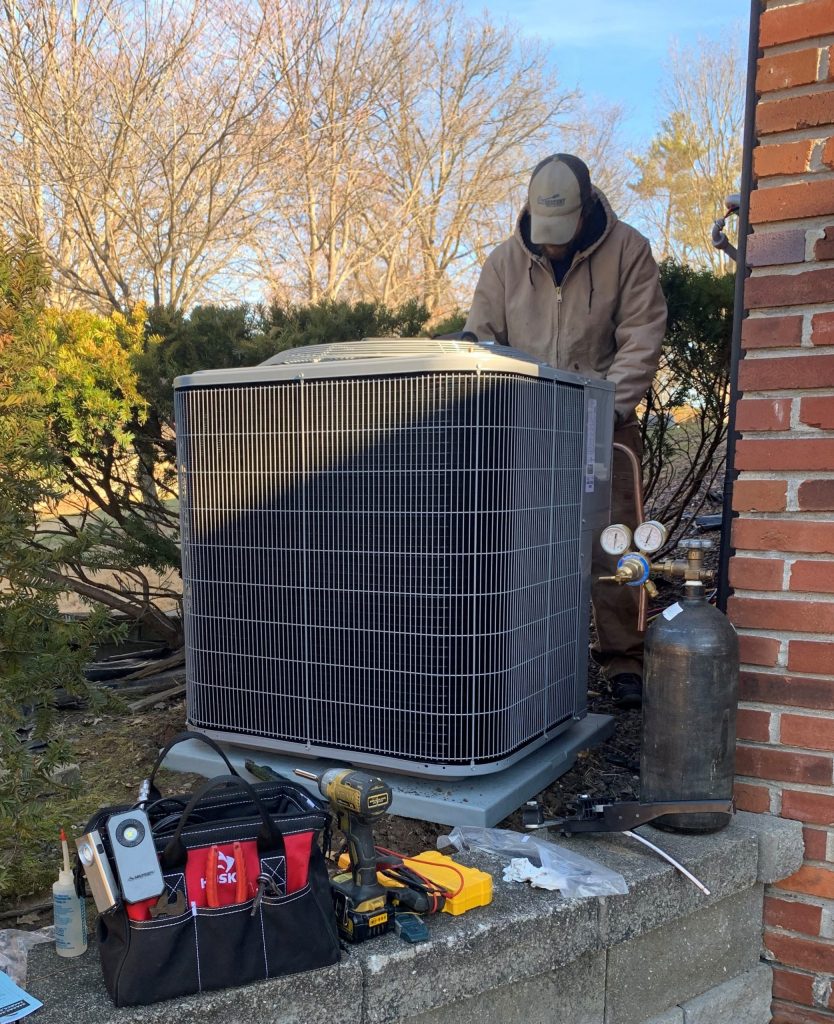
Credit: stackheating.com
Visual Inspection
Make sure the air conditioner is plugged inand the power switch is on. Check the circuit breaker to ensure it hasn’t tripped. A steady power supply is key for the unit to work properly.
Look at the air filters. Dirty filters block airflow and reduce cooling. Clean or replace filters if they appear clogged or dusty.
Examine the outdoor unitfor debris like leaves or dirt. Clear away anything that blocks air from flowing freely around the unit.
Watch for ice formationon the coils or pipes. Ice means the unit might be low on refrigerant or have airflow problems. Turn off the unit and let the ice melt before using again.
Temperature Testing
Check the air temperaturecoming from the AC vents. It should feel cooler than the room temperature. If the air feels warm or the same as the room, the AC might not be working properly.
Set the thermostatto a temperature lower than the current room temperature. This helps the AC start cooling. Watch if the AC turns on and runs without stopping quickly.
Use a thermometerto measure the air temperature near the vent. Take readings before and after turning on the AC. A good AC should blow air about 15 to 20 degrees coolerthan the room temperature.
- Measure air temperature at the vent.
- Set thermostat lower than room temperature.
- Use a thermometer for accurate reading.
- Check if AC runs continuously.
- Expect 15-20 degrees cooler air from vents.
Listen For Unusual Sounds
Rattling soundsoften mean loose parts inside the air conditioner. It can be a fan blade or a panel that needs tightening.
Hissing noisessuggest a refrigerant leak or pressure problems. This sound should not be ignored.
Clicking soundsmay come from the thermostat or electrical components turning on and off. It is normal if it happens once or twice.
Compressor noiseis louder than usual when the compressor struggles to cool. It might be a sign of wear or damage.
- Rattling = Loose parts
- Hissing = Possible refrigerant leak
- Clicking = Thermostat or electrical switches
- Loud compressor noise = Compressor issues
Check Airflow And Vents
Feel the vents to check for steady airflow. Air should come out strong and cool. Weak or no air means a problem.
- Look inside vents for blockageslike dust or furniture.
- Clear any obstructionsto help air flow better.
Check the ductwork for holes or loose parts. Damaged ducts can cause air to leak. This lowers cooling power.
Monitor Energy Usage
Comparing electricity billsover several months helps spot unusual usage. A sudden rise may mean the air conditioner uses more power than before.
Use an energy monitorto check the AC’s power use directly. These devices show real-time consumption and total energy used.
- Plug the energy monitor into the AC’s power outlet.
- Turn on the air conditioner and watch the readings.
- Note if the energy use matches the AC’s rating.
- High energy use with little cooling means a problem.
Tracking energy use helps find if the air conditioner works well or needs fixing.
Troubleshooting Common Issues
Check the circuit breaker to see if it has tripped. This can stop the air conditioner from working. Flip it off, then on again to reset it.
Filters that are dirty block airflow and reduce cooling. Clean or replace filters every 1-3 months for best results. This keeps air fresh and system efficient.
Drain lines can get clogged with dirt or algae. Clear them using a thin brush or a vacuum. This prevents water leaks and damage.
Refrigerant levels affect cooling power. Low refrigerant means the AC won’t cool well. A professional can check and refill it safely.
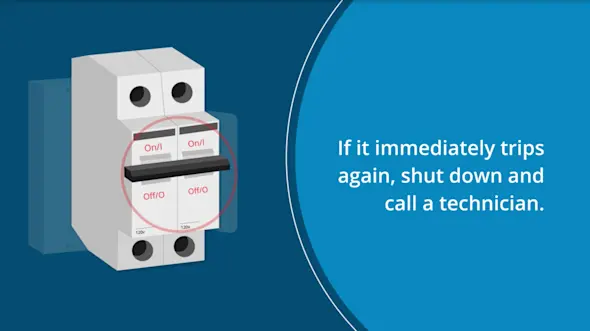
Credit: www.searspartsdirect.com
When To Call A Professional
Persistent cooling problemsmean the air conditioner is not keeping rooms cold enough. This issue may signal a broken compressor or low refrigerant. Strange odors or noisescome from clogged filters or electrical problems. Burning smells or loud bangs require urgent attention.
Frequent cyclinghappens when the AC turns on and off too often. This wastes energy and can damage parts. It may indicate a thermostat or wiring issue. Leaks and water damagenear the unit show blocked drainage or frozen coils. Water stains on walls or ceilings are a warning.
Any of these signs mean it is best to call a professional. Early repair helps avoid bigger, costly problems.

Credit: www.youtube.com
Frequently Asked Questions
How Can I Tell If My Air Conditioner Is Working Properly?
Check if cool air flows steadily from vents. Listen for unusual noises. Ensure the unit cycles on and off normally. Also, verify the thermostat settings and check for ice buildup on coils.
Why Is My Air Conditioner Running But Not Cooling?
This may happen due to dirty filters, low refrigerant, or blocked vents. Inspect and clean filters regularly. If issues persist, call a professional technician to check refrigerant levels and system components.
What Are Signs Of A Failing Air Conditioner?
Signs include weak airflow, warm air, frequent cycling, strange noises, and water leaks. These indicate potential mechanical or refrigerant problems. Early detection helps avoid costly repairs and ensures efficient cooling.
How Often Should I Test My Air Conditioner’s Performance?
Test your AC at least once every season before heavy use. Regular checks ensure it runs efficiently and prevents unexpected breakdowns during hot weather.
Conclusion
Checking your air conditioner is vital for comfort. Start with basic checks. Listen for strange noises. Feel the air temperature. Inspect the filters and vents. Regular maintenance helps efficiency. Simple steps can prevent major issues. If unsure, call a professional.
Keep your home cool and energy bills low. Understanding these basics ensures peace of mind. Don’t wait for problems. Stay proactive with regular checks. This ensures your air conditioner runs smoothly. Enjoy a cool home all summer long!