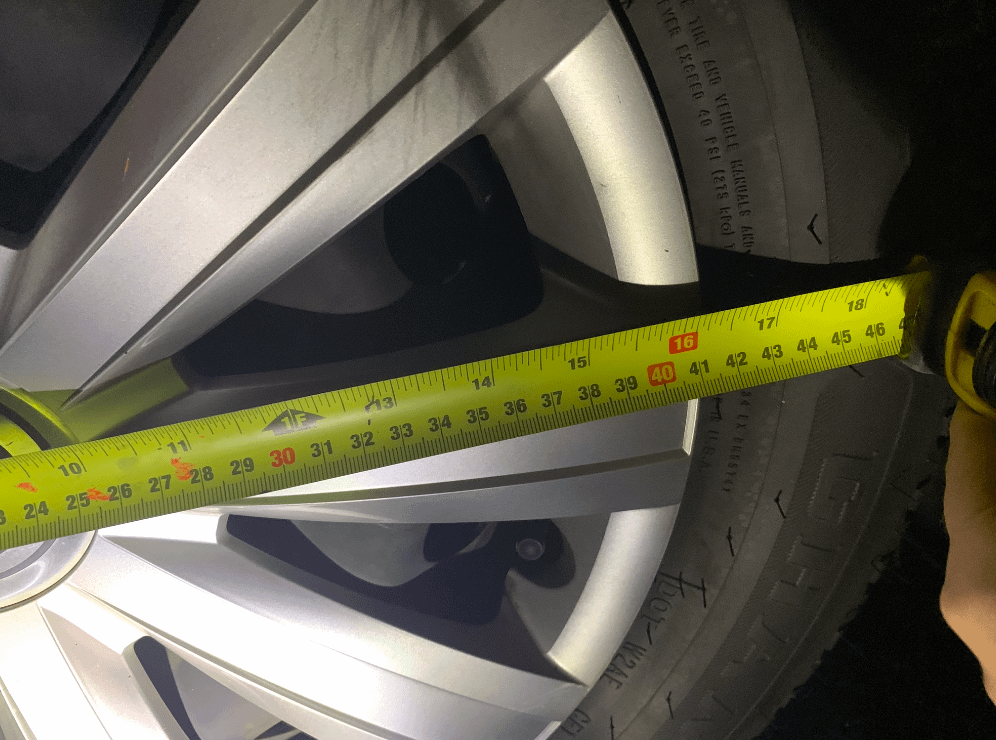
Are you thinking about putting different size tires on your car but aren’t sure if it’s a good idea? You’re not alone.
Many drivers wonder if mixing tire sizes will affect their ride, safety, or car performance. The truth is, this simple choice can have a big impact on how your car handles and feels on the road. Keep reading, and you’ll discover what you need to know before making this decision—so you can drive with confidence and avoid costly mistakes.
Tire Size Basics
Tires come in many sizes to fit different cars. Choosing the right size keeps your car safe and running well.
Sometimes, people wonder if they can mix tire sizes on one car. Understanding tire size helps answer this question.
Decoding Tire Measurements
Tire sizes are shown as numbers and letters on the side of the tire. They tell you the width, height, and wheel size.
For example, in the size 205/55R16:
- 205means tire width in millimeters
- 55is the aspect ratio, or tire height as a percent of width
- Rstands for radial construction
- 16is the wheel diameter in inches
How Size Affects Performance
Tire size changes can affect how your car drives. Wider tires may grip better but can use more fuel.
Smaller or larger tires can change your speedometer reading and affect handling. Mixing sizes may cause uneven wear.
- Different widths can affect traction and comfort
- Changing sidewall height changes ride smoothness
- Wrong wheel size can cause fit and safety issues
- Mixed sizes can stress vehicle systems like ABS

Credit: www.reddit.com
Mixing Tire Sizes
Mixing tire sizes on a car means using different sizes on the front and back tires. Some drivers do this to improve performance or because of tire availability. It is important to know the effects before changing tire sizes.
Using different tire sizes can impact how your car drives and handles. It can also affect safety features like traction control and braking. Understanding common practices and risks helps you make the right choice.
Common Practices And Risks
People often put larger tires on the rear for better grip during acceleration. Sports cars sometimes use this setup to improve cornering. Some trucks mix sizes to carry heavy loads.
Using different tire sizes can cause uneven tire wear and damage to the drivetrain. It may also confuse your car’s computer systems, leading to warning lights or errors.
- Common practice: larger rear tires for better traction
- Risk: uneven tire wear and possible damage
- Risk: impact on car’s computer and sensors
- Risk: possible voiding of tire warranty
Impact On Handling And Safety
Different tire sizes can change how your car steers and brakes. It may cause the car to pull to one side or reduce stability. This can be dangerous, especially in wet or icy conditions.
Safety systems like ABS and traction control may not work correctly with mixed tire sizes. This can increase the risk of accidents. Always check if your car manufacturer allows mixing tire sizes.
- Handling may become uneven or less predictable
- Braking distances could increase
- ABS and traction control may malfunction
- Risk of loss of vehicle control in poor conditions
When Different Sizes Work
Using different size tires on a car is sometimes okay. It depends on the car type and tire setup.
Choosing the right tire sizes can help with handling and performance. Not all cars allow mixed sizes.
Staggered Tire Setups
Staggered tire setups have wider tires on the rear wheels. This setup improves traction and cornering.
Sports cars often use staggered sizes for better grip and style. Front tires are smaller, rear tires are larger.
- Front tires: narrower and sometimes smaller diameter
- Rear tires: wider and larger diameter
- Improves rear-wheel traction
- May affect tire rotation options
All-wheel Drive Considerations
All-wheel drive (AWD) cars need tires of the same size. Different sizes can harm the AWD system.
Tires with different sizes or wear can cause uneven rotation. This may damage the drivetrain or sensors.
- Use matching tires on all four wheels
- Keep tire pressure and wear even
- Check with the car manual before changing sizes
- Different sizes may void warranty or cause repairs
Potential Issues
Putting different size tires on your car can cause problems. It affects how your vehicle works and how long parts last.
Understanding these issues helps you make safer choices for your tires and vehicle.
Effects On Vehicle Systems
Different size tires can confuse your car’s systems. Speedometers may show wrong speeds. Traction control and ABS might not work well.
- Incorrect speed readings
- Faulty traction control
- Problems with anti-lock brakes (ABS)
- Unstable handling and steering
Wear And Tear Concerns
Mismatched tire sizes cause uneven wear. This affects tires, suspension, and drivetrain parts. It can lead to costly repairs and unsafe driving.
| Part | Effect of Different Size Tires |
| Tires | Uneven wear and shorter life |
| Suspension | Extra stress and damage |
| Drivetrain | Increased wear and failure risk |
| Brakes | Reduced performance |
Expert Recommendations
Using different size tires on a car can affect safety and performance. Experts suggest checking guidelines before making changes.
Proper tire size keeps your vehicle stable and protects vital parts. Below are expert tips on this topic.
Consulting Manufacturers
Always look at your car and tire maker’s recommendations. They design tires to fit specific models for safety.
- Check your vehicle’s owner manual for tire size
- Visit the tire manufacturer’s website for compatible sizes
- Ask a certified mechanic for advice on tire changes
- Use only tires that meet your car’s load and speed ratings
Choosing Compatible Tires
Picking tires that work well together is key. Mixing sizes can cause uneven wear or handling problems.
| Tire Position | Recommended Size | Notes |
|---|---|---|
| Front | Match original size or size specified by manufacturer | Ensures proper steering and braking |
| Rear | Match front tire size or use manufacturer’s advice | Maintains vehicle balance and traction |
| Spare | Temporary size only | Use only for short distances and low speeds |

Credit: www.ml-vehicle.com
Installation Tips
Installing different size tires on your car requires care. Proper steps help keep your vehicle safe and stable.
Follow these tips to ensure your tires work well together and last longer.
Balancing And Alignment
Balancing tires prevents vibration and uneven wear. Alignment keeps your car driving straight and reduces tire damage.
- Have a professional balance the tires after installation.
- Check wheel alignment to match your car’s specifications.
- Rebalance and realign if you feel shaking or pulling while driving.
- Use a quality shop with proper tools for best results.
Monitoring Tire Pressure
Different tire sizes may need different air pressures. Correct pressure improves performance and safety.
| Tire Size | Recommended Pressure (psi) |
| Smaller Tires | 32-35 |
| Larger Tires | 35-38 |
| Standard Tires | 30-34 |
Check pressure regularly with a reliable gauge. Adjust pressure to fit the tire size and load.
Legal And Warranty Implications
Using different size tires on your car can affect safety and legality. It is important to know the rules and how it may impact your car’s warranty. This guide covers key points about regulations and warranty concerns.
Changing tire sizes without understanding the effects can cause problems. This includes legal issues and voiding your vehicle’s warranty. Read carefully before making any tire changes.
Regulations On Tire Sizes
Many regions have laws about tire sizes on vehicles. These rules ensure safety and proper vehicle performance. Using tires that do not meet legal standards can lead to fines or failed inspections.
- Tires must match or be close to the manufacturer’s recommended size.
- Mixing tire sizes on the same axle is usually illegal.
- Different tire sizes can affect your speedometer and odometer accuracy.
- Incorrect tire sizes may cause instability or poor handling.
- Some states require tires to have proper load and speed ratings.
Warranty Considerations
Car manufacturers set tire size standards to keep your warranty valid. Using wrong tire sizes can void parts of your warranty. This may leave you responsible for repair costs.
| Warranty Aspect | Impact of Different Size Tires |
|---|---|
| Drivetrain Warranty | May be voided if tires cause excessive wear or damage |
| Safety Systems | ABS and traction control may malfunction with wrong tire sizes |
| Alignment and Suspension | Damage from improper tires may not be covered |
| Manufacturer Support | Repairs could be denied if tires are not approved sizes |

Credit: carfromjapan.com
Frequently Asked Questions
Can You Mix Tire Sizes On One Car?
Yes, mixing tire sizes is possible but not ideal. It may affect handling, traction, and safety. Always check your car manual or consult a professional before mixing sizes.
What Happens If You Use Different Size Tires?
Using different size tires can cause uneven wear and poor performance. It may also trigger warning lights and damage your vehicle’s drivetrain or suspension over time.
Are Different Sized Tires Safe For Daily Driving?
Different sized tires can be unsafe for daily driving. They may reduce vehicle stability and affect braking. For best safety, use matching tire sizes recommended by the manufacturer.
Can Different Tire Sizes Affect Car Fuel Efficiency?
Yes, mismatched tire sizes can reduce fuel efficiency. They create extra rolling resistance and affect speedometer accuracy. Keeping tires uniform helps maintain optimal fuel economy.
Conclusion
Choosing the right tire size is crucial for your car’s safety. Different tire sizes can affect handling and fuel efficiency. Always check your car’s manual for the recommended size. Consult a professional if unsure. Matching tire sizes ensures even wear and better performance.
Remember, tires are vital for safe driving. Don’t compromise on quality or size. Regular checks help maintain tire health. Proper tire care extends their life and ensures a smooth ride. Keep your car safe by choosing the correct tires.