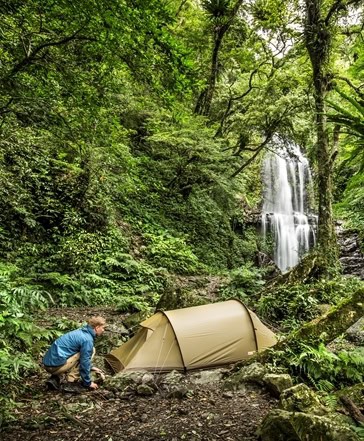
Have you ever wondered what makes your tent water-resistant or stain-proof? The secret often lies in a group of chemicals called PFAS.
But what exactly are PFAS, and why should you care if they’re in your tent? Understanding this can help you make smarter choices for your health and the environment. Keep reading to discover what PFAS are, how they get into tents, and what that means for you the next time you go camping.

Credit: www.bigagnes.com
Pfas Chemicals In Tents
PFAS are man-made chemicals used in many products. They help make tents water-resistant and durable.
These chemicals can last a long time in the environment and may affect health. It is important to know about PFAS in tents.
Common Types Of Pfas Used
Several types of PFAS chemicals are added to tents. Each type has a different role.
- Perfluorooctanoic acid (PFOA)
- Perfluorooctanesulfonic acid (PFOS)
- Fluorotelomers
- Perfluoroalkyl acids (PFAAs)
These chemicals help tents resist water, stains, and dirt. They form a protective layer on the fabric.
Why Pfas Are Added To Tents
| Reason | Description |
|---|---|
| Water Resistance | Prevents water from soaking into the tent fabric |
| Stain Resistance | Keeps the tent clean from dirt and spills |
| Durability | Extends the life of the tent by protecting fibers |
| Wind Protection | Helps block wind by sealing the fabric tightly |
These benefits make tents more comfortable and reliable outdoors. But PFAS can be harmful to the environment and people.
Health Risks Linked To Pfas
PFAS are chemicals used to make tents water and stain resistant. These chemicals do not break down easily. They can stay in the environment and in your body for a long time.
Many people worry about PFAS because they can cause health problems. It is important to know how you might be exposed and what effects they can have.
Exposure Routes While Camping
You can come into contact with PFAS when using tents treated with these chemicals. The main ways are through your skin or by breathing in tiny particles.
PFAS can also get on your hands from touching tent fabric. If you eat or drink without washing your hands, you might swallow some of these chemicals.
- Skin contact from touching tent surfaces
- Inhaling dust or particles near the tent
- Swallowing PFAS from hands or contaminated water
Long-term Effects On Health
PFAS can build up in the body over time. Long exposure may lead to health problems like hormone disruption and immune system issues.
Studies link PFAS to increased risk of some cancers and problems with liver and kidney function. Pregnant women and children are more vulnerable to these effects.
- Hormone changes
- Weakened immune system
- Higher risk of cancer
- Liver and kidney damage
- Effects on fetal development
Environmental Impact Of Pfas
PFAS are chemicals used in tents to repel water and stains. They last a long time in the environment. This makes them harmful to nature and living things.
Understanding how PFAS affect soil and water helps us see the risks. These chemicals do not break down easily. They spread and stay for many years.
Persistence In Nature
PFAS do not decompose like other chemicals. They stay in soil, water, and air for decades. This makes them very hard to remove from the environment.
- PFAS resist heat, water, and sunlight
- They accumulate in plants and animals
- They move through soil to reach groundwater
- They build up over time in ecosystems
Contamination Of Soil And Water
PFAS from tents can wash into soil and water bodies. This causes pollution that affects many living things. Drinking water may become unsafe due to PFAS contamination.
| Source | Effect on Soil | Effect on Water |
| Tent coatings | Soil absorbs PFAS | PFAS leach into groundwater |
| Rain runoff | Spreads PFAS across land | Pollutes rivers and lakes |
| Disposal of tents | PFAS enter landfill soil | Potential leak into nearby water |
Detecting Pfas In Your Tent
PFAS are chemicals used to make tents water-resistant. These chemicals can be harmful to health and the environment. It is important to know if your tent has PFAS treatment.
Detecting PFAS in your tent helps you decide how to use and clean it safely. There are signs to watch for and tests you can use.
Signs Of Pfas Treatment
Some tents are treated with PFAS to repel water and stains. You can look for signs to know if PFAS is present.
Here are common signs that your tent may have PFAS treatment:
- The tent fabric feels slick or slightly oily.
- Water beads up quickly on the surface.
- The tent label mentions “waterproof” or “stain resistant”.
- It is a high-end or specialty outdoor tent.
- Manufacturer information lists chemical treatments.
Testing Options Available
You can test your tent to confirm the presence of PFAS. Testing helps you understand if chemicals are in the fabric.
Here are some testing options you can use:
- Send a fabric sample to a certified lab for chemical analysis.
- Use at-home test kits designed for PFAS detection.
- Check product safety data sheets from the manufacturer.
- Consult with outdoor gear experts or retailers.
Safer Alternatives To Pfas Tents
PFAS are chemicals often used to make tents water-resistant. These chemicals can harm the environment and health. Many people now look for tents without PFAS to stay safer.
Choosing tents made with safer materials helps reduce pollution. It also protects your family and nature from toxic substances.
Brands Offering Pfas-free Products
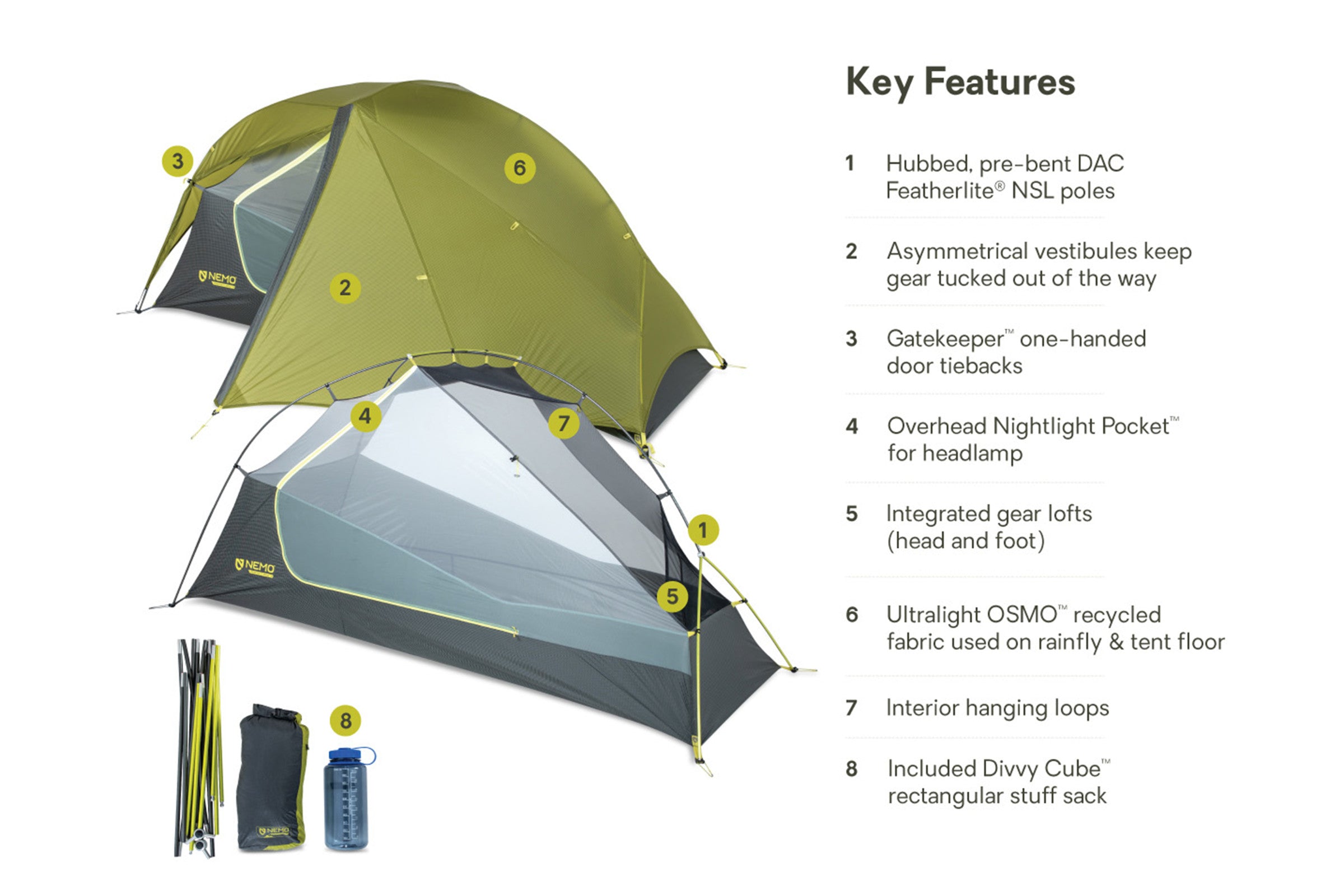
Several brands now sell tents without PFAS. These companies focus on health and the environment. They use safer coatings and materials to keep tents water-resistant.
- Patagonia offers tents made with no PFAS chemicals.
- REI Co-op has a line of PFAS-free camping gear.
- Big Agnes uses safer waterproof fabrics in some models.
- MSR provides tents without harmful chemical treatments.
Materials To Look For
Look for tents made from natural or safer synthetic materials. These avoid toxic PFAS coatings but still protect against rain and wind.
- Waxed cotton: water-resistant and free of PFAS.
- Silicone-coated nylon: safer alternative to PFAS coatings.
- Polyurethane (PU) coatings: often PFAS-free and waterproof.
- Polyester with non-toxic treatments: keeps tents dry and safe.
Credit: www.nemoequipment.com
Regulations And Industry Changes
PFAS are chemicals used in tents to make them water and stain resistant. These chemicals can harm the environment and health. Rules are changing to limit their use in tent making.
Many countries and companies now look for safer ways to make tents. These changes affect how tents are made and sold worldwide.
Current Laws On Pfas Use
Many places have laws that limit or ban PFAS in tents. These rules focus on protecting people and nature from harmful chemicals.
Manufacturers must follow strict guidelines when using PFAS. Some areas require full disclosure about chemical use in products.
- EU restricts PFAS in textiles including tents
- US states like California ban some PFAS chemicals
- Canada requires labeling for PFAS in outdoor gear
- Companies must test products for PFAS content
Future Trends In Tent Manufacturing
Tent makers are looking for safer materials to replace PFAS. New fabrics and coatings aim to keep tents waterproof without harmful chemicals.
Technology and green rules push manufacturers to innovate. Many brands plan to use eco-friendly methods in the near future.
- Use of natural waterproof coatings
- Development of PFAS-free synthetic fabrics
- Greater transparency about materials used
- Focus on recycling and reducing waste
Reducing Pfas Exposure Outdoors
PFAS are chemicals used to make tents water and stain resistant. These chemicals can harm health if they build up in the body. It is important to reduce exposure to PFAS when camping or spending time outdoors.
This guide explains how to care for tents safely and take extra steps to protect yourself from PFAS.
Safe Tent Care Practices
Cleaning and storing your tent the right way helps lower PFAS risks. Avoid harsh chemicals that can break down the tent’s fabric and release PFAS.
- Use mild soap and water to clean your tent.
- Air dry your tent outside before packing it away.
- Store your tent in a cool, dry place away from sunlight.
- Avoid using waterproof sprays containing PFAS on old tents.
- Check tent labels and choose PFAS-free options if possible.
Additional Protective Measures
Besides caring for your tent, you can take other steps to reduce PFAS exposure outdoors.
| Measure | Description | Benefit |
| Use a Groundsheet | Place a tarp under your tent | Prevents dirt and chemicals from reaching tent fabric |
| Ventilate Often | Keep tent windows open when possible | Reduces chemical buildup inside the tent |
| Wash Hands | Wash hands after handling tents or gear | Limits PFAS transfer to mouth or skin |
| Choose PFAS-Free Gear | Select camping gear labeled free of PFAS | Reduces overall chemical exposure |

Credit: riseoutdoor.ca
Frequently Asked Questions
What Is Pfas In Tents Made Of?
PFAS are synthetic chemicals used to make tents water and stain resistant. They create a durable, protective coating on fabric. This coating helps tents withstand harsh weather and repel water, dirt, and oil. However, PFAS chemicals can be harmful to health and the environment.
Why Are Pfas Chemicals Used In Tents?
PFAS provide tents with excellent water repellency and stain resistance. They make tents durable and long-lasting in outdoor conditions. PFAS coatings prevent fabric damage from moisture and dirt. This enhances tent performance during camping and outdoor activities.
Are Pfas In Tents Harmful To Health?
Yes, PFAS can pose health risks if they enter the body. They are linked to hormone disruption and immune system issues. Prolonged exposure may increase risks of certain cancers. Minimizing contact and choosing PFAS-free tents reduces potential health hazards.
How To Identify Pfas-free Tents?
Look for tents labeled “PFAS-free” or “PFOA-free. ” Check product descriptions and manufacturer websites for chemical details. Certifications from environmental groups also indicate safer, PFAS-free options. Choosing these tents supports healthier camping and environmental protection.
Conclusion
Pfas in tents are concerning for health and environment. Understanding their impact is crucial. Awareness helps in making safer choices. Always check labels for Pfas-free options. Opt for eco-friendly brands. Your health and nature’s well-being matter. Choose wisely. Avoid risks by staying informed.
Consider alternatives that prioritize safety. A little effort can lead to significant benefits. Every decision counts for a healthier lifestyle. Protect yourself and loved ones. Nature will thank you. Stay conscious and informed. Make every camping experience safer and more enjoyable.
Embrace the outdoors with peace of mind.