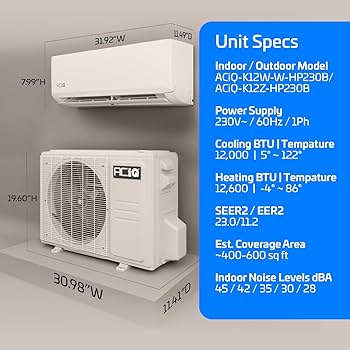
When you’re shopping for an air conditioner, you might see the term “BTU” and wonder what it really means. Understanding BTU is key to choosing the right air conditioner that keeps your room cool without wasting energy or money.
If you pick a unit with too low or too high BTU, your space won’t feel comfortable, and your bills could skyrocket. You’ll discover exactly what BTU means, why it matters for your air conditioner, and how to find the perfect fit for your home.
Keep reading to make your next cooling choice easy and smart!
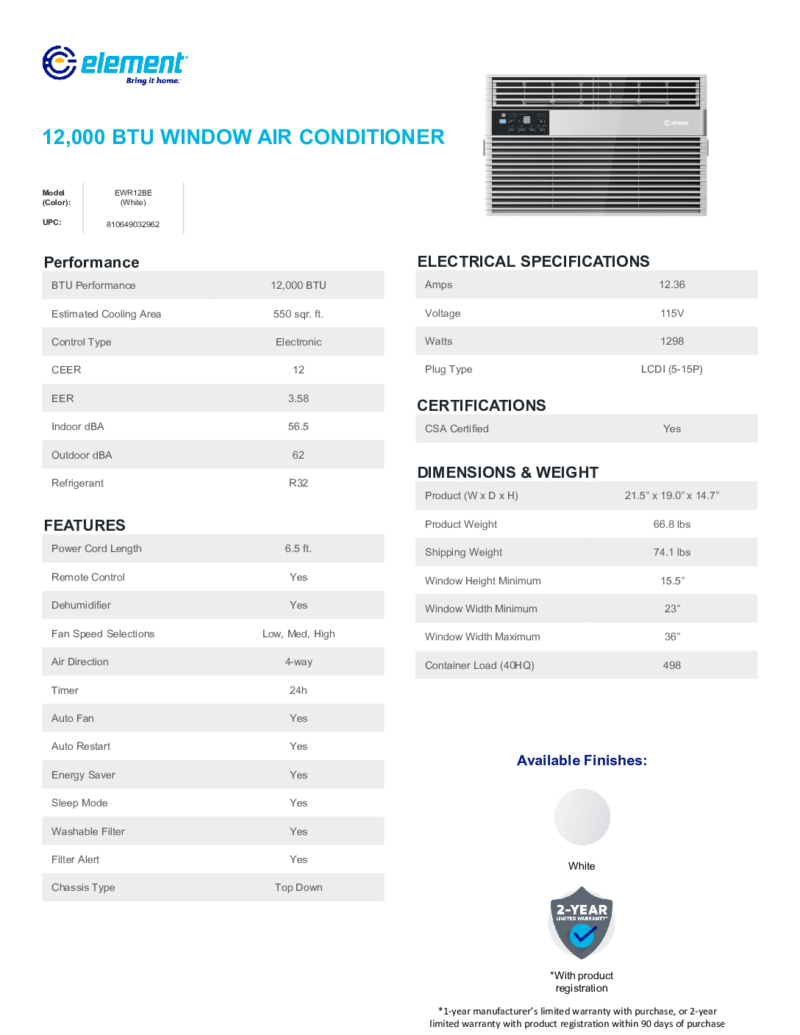
Credit: elementelectronics.com
What Btu Means
Btustands for British Thermal Unit. It is a unit of energy. It tells how much heat an air conditioner can remove from a room.
One Btu is the amount of heat needed to raise one pound of water by one degree Fahrenheit. This helps us measure cooling power.
The higher the Btu number, the more cooling power the air conditioner has. For example, a 5,000 Btu unit cools a small room, while a 12,000 Btu unit cools a larger space.

Credit: minisplitsystemsdirect.com
Btu And Air Conditioner Size
Btumeans British Thermal Units. It shows how much heat an air conditioner can remove. Choosing the right Btu sizehelps the AC cool the room well.
Matching Btu To Room Size
Rooms need different Btu levels to cool properly. Small rooms need less Btu; big rooms need more. Too low Btu means the AC works hard but the room stays warm. Too high Btu cools quickly but wastes energy and feels cold.
Consequences Of Incorrect Btu
- Too low Btu: The room stays warm and AC breaks faster.
- Too high Btu: The room cools too fast but feels damp and cold.
- Energy waste: Wrong Btu uses more electricity.
- Higher costs: Both low and high Btu can raise bills.
Factors Affecting Cooling Needs
Room insulationkeeps cool air inside and warm air outside. Good insulation means the air conditioner works less. Poor insulation lets heat in, making cooling harder and costing more energy.
Window exposureaffects how much heat enters a room. Rooms with many windows or windows facing the sun get hotter. Dark curtains or shades can block some heat. This changes how strong the air conditioner needs to be.
Climate considerationsmatter a lot. Hot and humid places need more cooling power. Dry, cooler areas need less. Knowing the climate helps pick the right BTU size for the air conditioner.
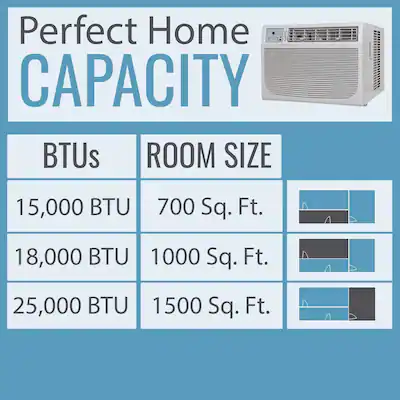
Credit: www.bestbuy.com
Calculating Required Btu
Calculate the BTU neededby measuring the room size. Multiply the lengthand widthin feet to get the area. Then, multiply the area by 20 BTU for a basic estimate.
For example, a 200 square foot room needs about 4,000 BTU. This is a simple way to find the cooling power required.
Special conditions may change the BTU needed. Rooms with high ceilingsor lots of sunlightneed more BTU. Also, if many people use the room, add extra BTU. Kitchens require extra cooling too.
| Condition | Adjustment |
|---|---|
| High ceilings | Increase BTU by 10% |
| Lots of sunlight | Increase BTU by 10-20% |
| More than 2 people | Add 600 BTU per person |
| Kitchen use | Add 4,000 BTU |
Energy Efficiency And Btu
Btustands for British Thermal Unit. It shows how much heat an air conditioner can remove from a room. The higher the Btu, the bigger the space it can cool.
Energy consumptiondepends on the air conditioner’s efficiency, not just Btu. A unit with high Btu but low efficiency uses more electricity. Look for units that balance cooling power and energy use.
| Term | Description |
|---|---|
| Btu | Measures cooling capacity of AC units. |
| Energy Consumption | Amount of electricity used by the AC. |
| Energy Star Ratings | Labels showing energy-efficient appliances. |
Energy Star ratingshelp find air conditioners that save power. These units meet strict efficiency rules. Choosing Energy Star models lowers electricity bills and helps the environment.
Common Btu Ratings For Air Conditioners
Air conditioners come in different Btu ratings. These ratings show how much heat the unit can remove from a room in an hour. Higher Btu means stronger cooling power.
| Type of Air Conditioner | Common Btu Range | Usage |
|---|---|---|
| Portable Units | 8,000 – 14,000 Btu | Small rooms or temporary cooling |
| Window Units | 5,000 – 12,000 Btu | Single rooms or small spaces |
| Central Air Systems | 30,000 – 60,000+ Btu | Whole house or large spaces |
Choosing the right Btu helps to cool efficiently. Too low Btu means weak cooling. Too high Btu wastes energy and money.
Tips For Choosing The Right Btu
Measure the size of your room carefully. This helps decide the right BTUfor cooling. Small rooms need fewer BTUs; large rooms need more. Take into account ceiling height, windows, and sunlight. These factors affect cooling needs.
Ask a professional for advice if unsure. Experts can guide you based on your room’s size and layout. They know how to balance power and energy use. This saves money and keeps you comfortable.
Frequently Asked Questions
What Does Btu Mean On An Air Conditioner?
BTU stands for British Thermal Unit. It measures an air conditioner’s cooling power. Higher BTUs cool larger rooms effectively.
How Do Btus Affect Air Conditioner Performance?
BTUs indicate cooling capacity. More BTUs mean stronger cooling. Choosing the right BTU ensures efficient temperature control and energy use.
What Btu Size Is Best For My Room?
Room size determines needed BTUs. Small rooms need 5,000-8,000 BTUs. Larger rooms require 10,000+ BTUs for optimal cooling.
Can Too Many Btus Harm Air Conditioning?
Yes, too many BTUs can overcool and waste energy. It causes short cycling, reducing efficiency and lifespan.
Conclusion
Understanding Btu helps choose the right air conditioner. It ensures efficiency and comfort. Too high or low Btu affects performance. A balanced choice saves energy and costs. Remember, Btu determines how well your space cools. Always check the size of your room.
Match it with the air conditioner’s Btu. This simple step makes a big difference. Proper Btu means better cooling and savings. Now, you’re ready to make an informed decision. Your home deserves the best cooling experience. Keep these points in mind.
Enjoy a comfortable and efficient living space.