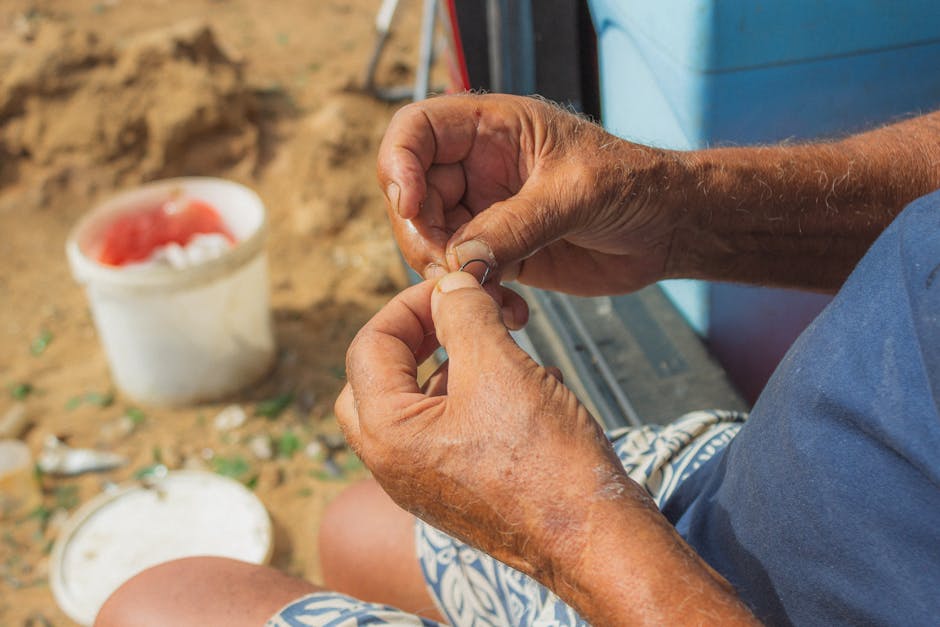
You rely on your fishing line every time you cast into the water. But have you ever stopped to think about how often you should change it?
Using an old or worn-out line can mean missed catches, broken lines, and wasted time. If you want to improve your fishing success and protect your gear, knowing when to replace your fishing line is key. Keep reading, and you’ll discover simple signs and expert tips to help you decide the perfect time to make the switch—so you never lose a catch again.
Factors Affecting Line Replacement
Changing your fishing line at the right time keeps your gear strong and reliable. Several factors decide how often you should replace it.
Understanding these factors helps you avoid line breaks and lost fish. Below are key points to consider for line replacement.
Type Of Fishing Line
Different fishing lines wear out at different rates. Monofilament, fluorocarbon, and braided lines all have unique properties.
- Monofilament lines stretch and weaken faster under sun and water exposure.
- Fluorocarbon lines resist water damage but can develop hidden nicks.
- Braided lines are strong but can fray and lose strength over time.
Fishing Frequency
How often you fish affects how quickly your line wears out. Frequent anglers need to replace their lines more often.
| Fishing Frequency | Recommended Replacement |
| Weekly | Every 1-2 months |
| Monthly | Every 3-4 months |
| Occasionally | Every 6 months or before fishing trip |
Water Conditions
Water type and quality impact line durability. Saltwater is harsher than freshwater and causes faster damage.
Clear water shows line wear more easily than murky water. Rough water with rocks or debris can cut the line.
Fish Species Targeted
Big or aggressive fish put more stress on your line. You may need to change your line more often if you target these species.
- Large fish like pike or muskie require strong, fresh lines.
- Species with sharp teeth can easily nick your line.
- Smaller fish put less strain, so line lasts longer.

Credit: www.youtube.com
Signs You Need To Change Your Line
Your fishing line is very important for a good catch. It can wear out over time. Changing it at the right time helps avoid losing fish.
Look for signs that show your line is old or damaged. These signs tell you when to replace it. This keeps your fishing safe and strong.
Visible Wear And Tear
Check your line for any visible damage. Look for cracks, cuts, or discoloration. These signs mean the line is weak and may break.
Wear and tear happen from rubbing on rocks or being exposed to sun and water. Replace the line if you see these problems.
Line Memory And Stretch
Line memory means the line keeps its coil shape after being on the spool too long. This makes casting harder and less smooth.
Stretch affects how the line reacts to fish pulls. If your line stretches too much, you may lose fish. Change it to keep good control.
Fraying And Abrasions
Look closely for small frays or worn spots on the line. These are weak points that can break easily under pressure.
Abrasions happen when the line rubs against rough surfaces. Replace the line if you see fraying to avoid sudden breaks.
Reduced Casting Distance
If your casts do not go as far as before, your line might be old or damaged. This reduces your fishing range and success.
Changing the line can improve casting distance. A fresh line moves easier and helps you reach better fishing spots.
Recommended Line Change Intervals
Changing your fishing line regularly helps avoid breakage and lost catches. Different conditions and line types need different change schedules.
This guide explains how often to change your fishing line based on water type, line material, and seasons.
Freshwater Vs Saltwater
Saltwater is harsher on fishing lines because of salt and sun exposure. Saltwater lines wear out faster than freshwater lines.
- Change saltwater fishing line every 3 to 6 months.
- Change freshwater fishing line every 6 to 12 months.
- Check line for damage after every trip in saltwater.
- Inspect freshwater lines for nicks or frays regularly.
Monofilament Vs Braided Line
Monofilament lines absorb water and weaken over time. Braided lines resist water and last longer but can still get damaged.
| Line Type | Recommended Change Interval | Notes |
|---|---|---|
| Monofilament | Every 3 to 6 months | Check for stiffness and discoloration |
| Braided | Every 6 to 12 months | Look for frays and broken fibers |
Seasonal Considerations
Cold weather can make lines brittle. Hot weather can weaken lines by sun exposure. Change lines more often during extreme seasons.
- Change line before winter fishing trips to avoid brittleness.
- Inspect line after summer for sun damage and replace if faded.
- Store line in a cool, dark place to extend life.
How To Change Your Fishing Line
Changing your fishing line keeps your gear working well. It helps avoid breaks and tangles while fishing.
Follow simple steps to remove old line, pick the right new line, and spool it properly on your reel.
Removing Old Line
Start by cutting the old fishing line near the spool. Then, pull the line off slowly until all the old line is removed.
Check the reel for dirt or damage. Clean it if needed before adding new line.
Choosing The Right Replacement
Select a new fishing line that fits your fishing style and reel type. Match the line strength to the fish you want to catch.
| Line Type | Best For | Strength Range (lbs) |
| Monofilament | General use, beginners | 6–20 |
| Fluorocarbon | Clear water, less visible | 8–30 |
| Braid | Heavy cover, strong fish | 15–65 |
Proper Spooling Techniques
Keep the line tight when spooling to avoid twists and tangles. Use this simple method to spool correctly.
- Place the spool of new line on a flat surface.
- Attach the line to the reel spool with a knot.
- Hold the line tight with fingers as you turn the reel handle slowly.
- Fill the spool until it is about 1/8 inch from the edge.
- Cut the line and secure it on the reel.
Maintaining Your Fishing Line
Fishing line needs regular care to stay strong and reliable. Changing it often depends on how well you maintain it.
Good maintenance helps avoid line breaks and lost catches. Keep your line clean and check it often.
Cleaning After Use
Salt, dirt, and debris can weaken your fishing line. Clean it after every fishing trip to keep it strong.
Use fresh water to rinse the line gently. Avoid using harsh chemicals that may damage the material.
- Rinse line with fresh water
- Use a soft cloth to wipe away dirt
- Let the line dry completely before storing
Storage Tips
Store your fishing line in a cool, dry place. Avoid direct sunlight and heat to prevent damage.
Keep the line on the reel or spool to avoid tangles. Use a line holder or container for extra protection.
- Store in a dark, cool area
- Avoid places with high humidity
- Keep line wound tightly on spool
- Use a container to prevent dust
Regular Inspections
Check your fishing line before each use. Look for signs of wear, such as frays, nicks, or discoloration.
Replace the line if it shows damage. Regular inspections help avoid surprises while fishing.
- Look for cuts or abrasions
- Check for weak spots by stretching gently
- Replace line after several uses or damage
- Inspect knots and connections too
Credit: sportfishinghub.medium.com
Expert Tips For Extending Line Life
Fishing line wears out with use and exposure to elements. Changing it often keeps your fishing strong and reliable.
These expert tips help you protect your fishing line and make it last longer on your reel.
Avoiding Sun Damage
Sunlight weakens fishing line by breaking down its fibers. Keep your line away from direct sun to avoid damage.
- Store your fishing gear in shaded areas.
- Use rod covers to protect line on the reel.
- Wrap line spool with a cloth when not fishing.
- Replace line after long exposure to sun.
Managing Line Tension
Too much tension can stretch or weaken your line. Keeping the right tension improves line strength and casting.
| Tip | Why it helps |
| Check drag settings before fishing | Prevents line from breaking under pressure |
| Use smooth rod action | Reduces sudden jerks that damage line |
| Keep line tight when reeling | Stops line from tangling and knotting |
| Replace line if it feels stretched | Maintains line strength and reliability |
Using Line Conditioners
Line conditioners help keep your fishing line smooth and strong. They reduce friction and water damage.
Apply line conditioner by following these steps:
- Clean your line with fresh water.
- Apply conditioner evenly along the entire line.
- Let the line dry before using it again.
- Repeat after every few fishing trips.
Credit: www.lamiglas.com
Frequently Asked Questions
How Often Should I Change My Fishing Line?
Change your fishing line every 3 to 6 months, depending on use. Frequent anglers or those fishing in rough conditions may need more frequent changes. Regular inspection for frays or damage also helps decide when to replace it.
What Factors Affect Fishing Line Replacement Frequency?
Fishing frequency, line type, water conditions, and exposure to sunlight affect replacement. Rough water and heavy use wear out lines faster. Monofilament lines degrade quicker than braided or fluorocarbon lines.
How Can I Tell If My Fishing Line Needs Changing?
Look for visible frays, nicks, discoloration, or stiffness. If the line loses strength or feels brittle, it’s time to replace it. Regularly testing line strength can prevent unexpected breaks during fishing.
Does Fishing Line Type Impact Replacement Timing?
Yes, monofilament lines usually need changing more often. Fluorocarbon and braided lines last longer but still require regular checks. Choose the type based on your fishing style and replace accordingly.
Conclusion
Changing your fishing line often enhances your fishing success. Lines wear out with time. Sun, water, and fish can damage them. Check your line regularly for nicks and frays. Replace it if you notice damage. Fresh line casts better and helps catch more fish.
For frequent anglers, changing every few months is wise. Less frequent fishers might change annually. Always prioritize line condition over time. Good gear ensures a better fishing experience. Keep it simple. Stay prepared. Happy fishing!