Have you ever wondered what makes your car alarm suddenly blare out of nowhere? Imagine sitting in your driveway when, without warning, your car’s alarm goes off.
It’s loud, startling, and confusing. What if there was a device that could trigger this alarm on purpose? Understanding how such a device works can help you protect your vehicle and avoid unexpected noise and stress. You’ll discover what this device is, how it works, and what you can do to keep your car safe.
Keep reading—you’ll want to know this before it happens to you.

Credit: www.youtube.com
How Car Alarms Work
Car alarms protect your vehicle by making noise when something is wrong. They use sensors to detect unusual actions. These alarms help scare off thieves and alert the owner.
The system connects to parts of the car and watches for changes. If it senses a problem, it sets off a loud sound to warn people nearby.
Basic Components
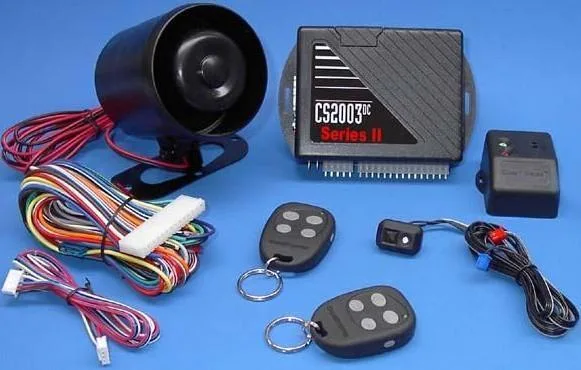
Car alarms have several key parts that work together. Each part helps detect problems and start the alarm.
- Sensors:Detect movement, glass break, or door opening.
- Control Unit:The brain that receives signals from sensors.
- Siren:Makes a loud noise to alert people.
- Power Supply:Usually the car battery that powers the alarm.
- Remote Key Fob:Allows the owner to arm or disarm the alarm.
Common Triggers
Car alarms trigger from many common actions. These triggers help protect the car from theft or damage.
| Trigger Type | What It Detects | Alarm Response |
| Door Sensor | Opening a door without disarming | Sets off siren |
| Shock Sensor | Strong impact or hitting the car | Activates alarm sound |
| Glass Break Sensor | Breaking a window | Triggers siren |
| Motion Sensor | Movement inside the car | Starts alarm |
| Ignition Sensor | Starting car without key | Engages alarm |
Devices That Trigger Alarms
Car alarms protect vehicles from theft or damage. Some devices can make these alarms go off.
These devices work by sending signals or sensing movement. They trick the alarm system to activate.
Signal Jammers
Signal jammers block wireless signals between the car and its remote key. This can confuse the alarm system.
When the alarm cannot get a proper signal, it may trigger as a safety response.
- Block remote key signals
- Cause alarm to think of a threat
- Used by thieves or pranksters
Shock Sensors
Shock sensors detect physical impacts on the car. They trigger the alarm when the car is hit or shaken.
These sensors protect against break-ins and vandalism by alerting owners quickly.
- Sense vibrations and shocks
- Trigger alarm on impact
- Adjust sensitivity to avoid false alarms
Remote Interference Tools
Remote interference tools send fake signals to the car’s alarm system. They confuse the system into activating the alarm.
These tools can mimic the car’s remote or block signals, causing the alarm to go off unexpectedly.
- Send fake remote signals
- Block real remote signals
- Cause false alarm activation
Why These Devices Are Used
Devices that make car alarms go off are used for different reasons. They can cause noise by triggering the alarm without touching the car.
Some people use these devices for fun. Others use them to check security. Some use them with bad intentions.
Pranks And Mischief
Many people use these devices to play tricks on friends or strangers. Setting off a car alarm can surprise or annoy others.
These pranks often cause confusion. They make loud noises that can interrupt quiet places or gatherings.
Security Testing
Security experts use these devices to test car alarm systems. They check if the alarm works well against intruders.
This helps find weak spots in the car’s security. Fixing these issues improves safety for car owners.
Malicious Intent
Some use these devices to cause trouble or distract people. Setting off many alarms can create chaos in a neighborhood.
These actions can cover real crimes or annoy owners. Misusing these devices harms others and breaks laws.
Risks And Consequences
A device that triggers your car alarm can cause serious problems. It is important to know the risks before using it.
This article explains legal issues, potential damage, and privacy concerns linked to such devices.
Legal Issues
Using a device to make a car alarm go off can break laws. Many places do not allow interference with vehicle alarms.
- It may be illegal to trigger alarms without permission.
- Causing false alarms can lead to fines or arrest.
- Repeated misuse may result in harsher penalties.
- You could be held responsible for emergency service costs.
Potential Damage
These devices can cause damage to your car or others nearby. Loud alarms might harm hearing or cause panic.
| Type of Damage | Description | Possible Result |
| Car Battery Drain | Alarm uses power when triggered often | Car may not start |
| False Alarm Stress | Repeated loud noise can cause stress | Driver or bystanders may panic |
| Physical Damage | Device installation can harm wiring | Costly repairs needed |
Privacy Concerns
Using such a device can invade privacy. It may track or interfere with others’ vehicles.
Privacy risks include:
- Unauthorized access to alarm systems
- Tracking car movements without consent
- Interfering with personal property
Protecting Your Car Alarm
A car alarm warns you if someone tries to break in. It helps keep your car safe from theft and damage.
Some devices can make your car alarm go off by mistake. Protecting your alarm is important to avoid false alerts.
Upgrading Alarm Systems
Old alarms may be easy to trick. Upgrading to a newer system can improve protection.
New alarms have better sensors and stronger signals. They detect real threats well and reduce false alarms.
- Choose alarms with motion and glass-break sensors
- Use systems with encrypted signals
- Pick alarms with remote monitoring options
Using Shielding Devices
Shielding devices block signals that can trigger your alarm. They stop unwanted remote attempts.
These devices protect your car by creating a safe zone around it. They help keep your alarm working properly.
- Use RFID-blocking pouches for key fobs
- Install signal jammers if allowed in your area
- Place your car in a garage with metal walls
Regular Maintenance Tips
Check your alarm system often to keep it working well. Maintenance helps prevent false alarms and failures.
Follow simple steps to maintain your alarm and car security every month or season.
- Test the alarm sensors regularly
- Replace batteries in remotes and sensors
- Clean sensors to remove dirt or dust
- Update alarm system software if possible
- Check wiring and connections for damage
Credit: www.techwizardsolutions.co.ke
Future Of Car Alarm Security
Car alarm systems keep vehicles safe from theft and damage. New technology helps alarms work better. These advances improve how alarms detect threats and alert owners.
Future car alarms will use smart technology to stop theft before it happens. They will learn and adapt to different situations. This will make car security stronger and more reliable.
Smart Alarms
Smart alarms connect to phones and other devices. They send alerts instantly if your car is in danger. You can check your car’s status from anywhere.
These alarms use sensors to detect unusual movements or sounds. They can tell the difference between real threats and false alarms. This reduces annoying false triggers.
- Remote notifications to your phone
- Control alarm settings via apps
- Custom alerts for different situations
Ai And Machine Learning
AI helps alarms learn patterns of normal car use. It recognizes unusual actions that may mean theft. The system improves over time by learning new threats.
Machine learning allows alarms to adapt to different environments. It can reduce false alarms caused by animals or weather. This makes alarms more accurate and useful.
- Analyzes driving and parking patterns
- Adapts to local noise and movement
- Updates itself with new threat data
Enhanced Detection Methods
New sensors detect more than just movement. They can sense vibrations, glass breaking, and even temperature changes. This helps catch theft attempts earlier.
Some systems use cameras and facial recognition. They can identify people near the car. This adds a layer of security by spotting suspicious behavior.
- Vibration and shock sensors
- Glass break detection
- Temperature and light sensors
- Camera-based monitoring

Credit: keylessprotector.com
Frequently Asked Questions
What Device Triggers A Car Alarm Remotely?
A car alarm can be triggered remotely by a key fob or smartphone app. These devices send signals to activate the alarm system instantly, enhancing vehicle security and alerting the owner to potential threats effectively.
How Does A Car Alarm Sensor Detect Threats?
Car alarm sensors detect threats using motion sensors, glass break detectors, or door sensors. These sensors sense unusual movements or impacts, triggering the alarm to prevent theft or vandalism.
Can A Device False Trigger A Car Alarm?
Yes, devices like loud noises, power surges, or nearby electronic interference can false trigger a car alarm. Proper sensor calibration and quality components help reduce false alarms significantly.
Are Car Alarm Devices Compatible With All Vehicles?
Most car alarm devices are compatible with a wide range of vehicles. However, installation may vary depending on the car’s make and model, so professional installation is recommended for best results.
Conclusion
Understanding how devices can trigger car alarms is important. These gadgets affect your vehicle’s security system. Knowing how they work helps you protect your car better. Avoid unwanted alarms by staying informed. Always monitor surroundings for suspicious activities. Keep your car safe with regular checks and updates.
Awareness and vigilance go a long way in preventing issues. Stay alert to ensure your car’s security. Remember, a well-protected car brings peace of mind.