
If you love surf fishing in Massachusetts, you know that choosing the right fishing line can make all the difference. But how much line do you actually need to cast far enough and reel in your catch?
Getting this right can boost your success and save you from frustrating tangles or lost fish. You’ll discover exactly how much line to use for surf fishing in Massachusetts, plus tips to help you fish smarter and catch more. Keep reading, and you’ll be ready to hit the shore with confidence.
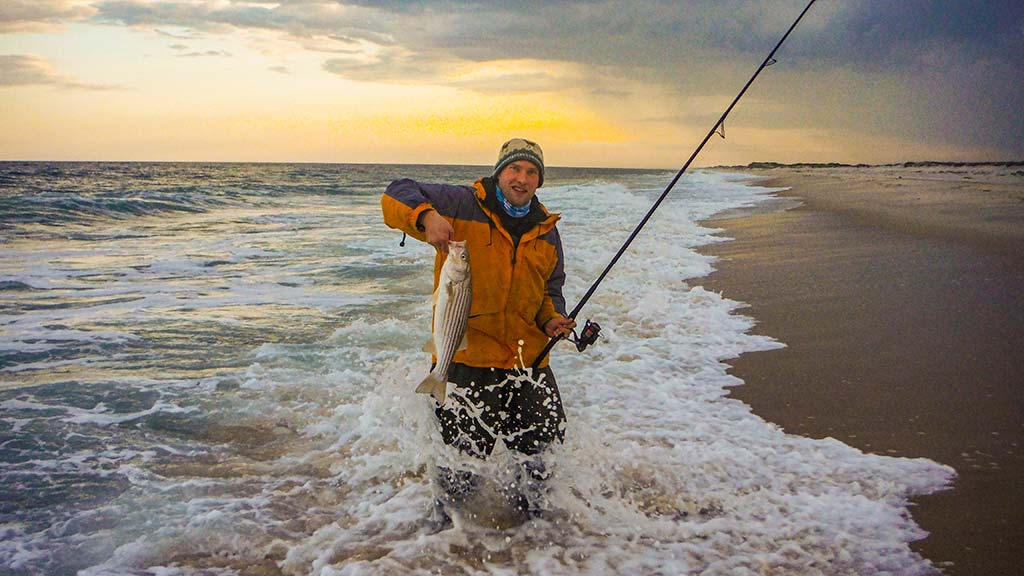
Credit: www.thefisherman.com
Choosing The Right Line Strength
Picking the right fishing line strength helps catch fish without losing them. The line must hold strong against fish and the environment.
In Massachusetts, surf fishing demands careful choice of line strength. Several factors affect which line works best.
Factors Affecting Line Strength
Line strength depends on the fish size, water conditions, and fishing gear. Larger fish need stronger lines. Rough waves and rocks can also weaken the line.
- Fish species and average size
- Saltwater corrosion and abrasion
- Surf conditions like waves and rocks
- Type of rod and reel used
- Distance for casting
Recommended Line Strengths For Massachusetts
| Fish Species | Line Strength (lbs) |
|---|---|
| Striped Bass | 20 to 30 |
| Bluefish | 15 to 25 |
| Flounder | 10 to 15 |
| Cod | 25 to 35 |
| False Albacore | 15 to 20 |
Monofilament Vs. Braided Line
Monofilament line stretches more and is easier to handle. It is good for beginners and absorbs shock well.
Braided line is thinner and stronger for its size. It offers better sensitivity but less stretch. It works well for casting long distances.
- Monofilament: Good stretch, easier knots, less visible in water
- Braided: Higher strength, thinner diameter, more abrasion resistant
- Choose based on fishing style and target species
Line Length Considerations
Choosing the right line length is key for surf fishing in Massachusetts. It affects casting distance and control. Anglers must think about how much line to keep on the reel.
Too much or too little line can cause problems. This guide explains what to consider for line length in surf fishing. It covers typical casting distances, line management, and fishing spots.
Typical Casting Distances
Most surf fishing casts in Massachusetts range from 50 to 100 yards. The line length should match the expected distance. Too short a line limits casting, too long can cause tangles.
- Short casts under 50 yards need about 100 yards of line
- Medium casts around 75 yards require 150 yards of line
- Long casts up to 100 yards or more need 200 yards or more
Managing Line Length On The Reel
Proper line management helps avoid snags and line damage. Keep enough line for your cast but avoid overfilling the reel spool. This helps with smooth casting and retrieving.
| Reel Size | Recommended Line Length |
| Small (1000–2000) | 100–150 yards |
| Medium (3000–4000) | 150–200 yards |
| Large (5000+) | 200+ yards |
Adjusting For Different Fishing Spots
Line length needs change by location. Rocky beaches need less line to avoid snags. Wide sandy beaches allow longer casts with more line.
- Rocky areas: Use shorter line to prevent snags
- Sandy beaches: Longer line for farther casts
- Jetties or piers: Adjust line to cast around structures
- Tide changes: Add or reduce line length as water depth changes
Types Of Fishing Lines For Surf Fishing
Choosing the right fishing line is important for surf fishing in Massachusetts. It affects how far you can cast and how strong your setup is.
There are three main types of fishing lines: monofilament, braided, and fluorocarbon. Each has unique features and uses.
Advantages Of Monofilament
Monofilament line is made from a single strand of nylon. It is soft and stretches well under pressure.
This line is easy to handle and knots well. It is good for beginners and works well in many surf fishing situations.
- Good stretch reduces fish breaking the line
- Less visible in water than braided lines
- Affordable and widely available
- Good for casting long distances
Benefits Of Braided Lines
Braided lines are made by weaving several strands of fibers. They are very strong and thin compared to monofilament.
These lines have little stretch, which helps you feel bites better. They last longer and resist abrasion in rough surf.
- Higher strength with smaller diameter
- Excellent sensitivity for detecting bites
- Very durable in rocky or rough areas
- Better for heavy fish and strong currents
When To Use Fluorocarbon
Fluorocarbon lines are nearly invisible underwater. They sink faster than monofilament and braid, which helps keep bait near the bottom.
Use fluorocarbon as a leader or main line in clear water. It is good for cautious fish and works well in Massachusetts surf fishing.
- Low visibility in water for shy fish
- Good abrasion resistance near rocks and shells
- Sinks faster to keep bait in strike zone
- Ideal for leader material with braid main line
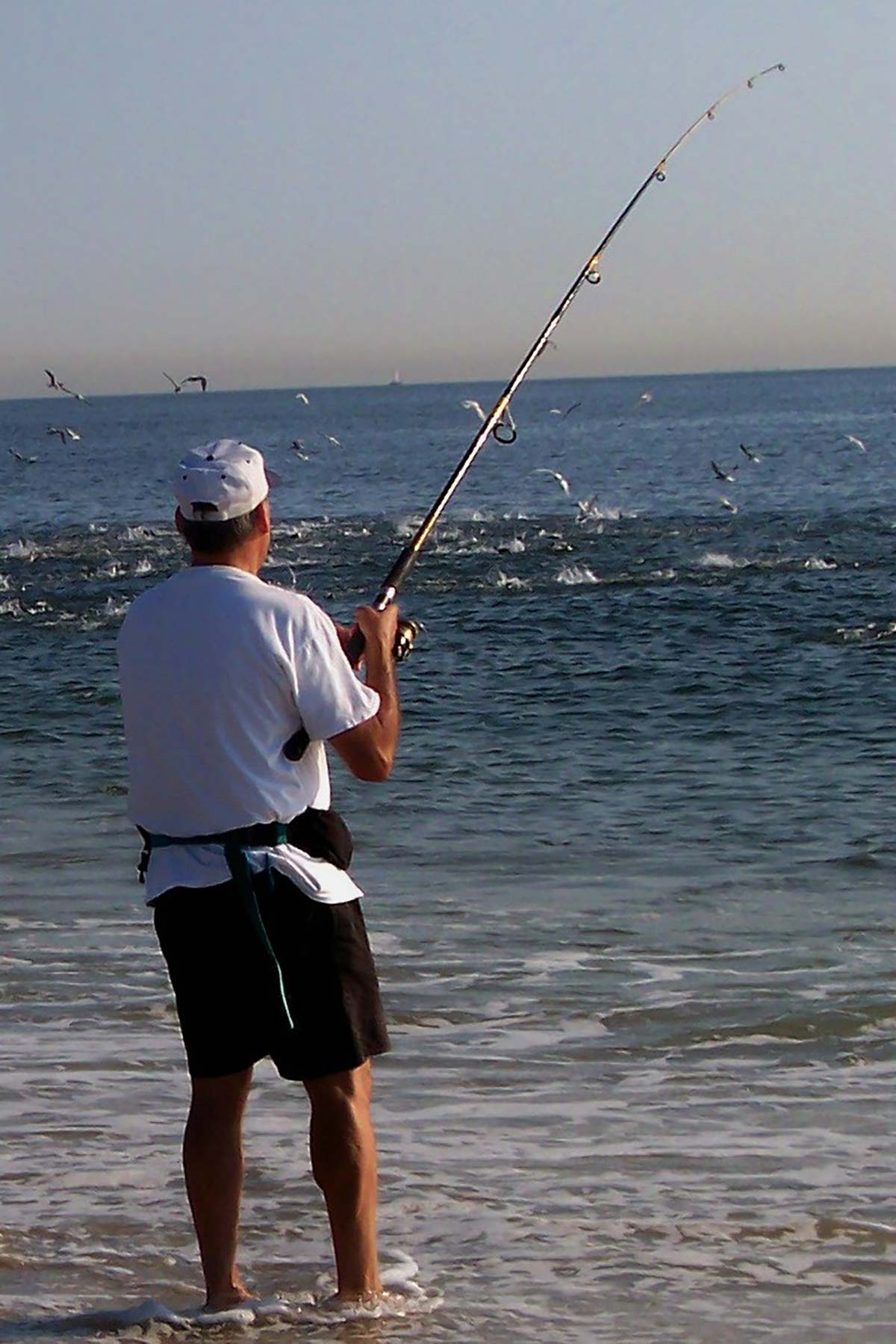
Credit: www.thefisherman.com
Local Species And Line Requirements
Surf fishing in Massachusetts offers a variety of local fish species. Choosing the right fishing line helps catch these fish successfully.
Different fish require different line strengths. This guide explains the best line choices for common species and conditions.
Target Fish In Massachusetts Surf
Anglers in Massachusetts often catch striped bass, bluefish, and fluke. Each species needs a specific line strength for the best results.
- Striped Bass:Strong fighters, need 15-20 lb test line.
- Bluefish:Aggressive feeders, use 20-30 lb test line.
- Fluke:Smaller size, 8-12 lb test line is enough.
Line Choices Based On Fish Size
Choose your line strength based on the size of the fish you expect. Thicker lines work for bigger fish but may reduce casting distance.
| Fish Size | Line Strength (lbs) | Recommended Line Type |
| Small (under 5 lbs) | 8-12 | Monofilament or Fluorocarbon |
| Medium (5-15 lbs) | 15-20 | Braided or Monofilament |
| Large (over 15 lbs) | 20-30 | Strong Braided Line |
Seasonal Variations In Line Needs
Line needs change with the seasons. Cold water can make some lines brittle, so choose your line carefully in different months.
Here are some tips for line use by season:
- Spring: Use medium strength lines for active striped bass.
- Summer: Switch to lighter lines for fluke and small fish.
- Fall: Use heavy lines for aggressive bluefish and big bass.
- Winter: Choose abrasion-resistant lines to handle rough surf.
Tackle Setup And Line Maintenance
Surf fishing in Massachusetts needs the right tackle setup and good line care. Using enough line helps catch fish beyond the surf.
Keeping your fishing line in good shape improves casting and reduces problems. Learn simple tips for spooling, avoiding twists, and caring for your line.
Proper Spooling Techniques
Spooling your line correctly stops tangles and line damage. Use a smooth, even method to load the line onto your reel.
Keep light tension on the line as you spool. This makes sure the line lays tight and neat on the reel.
- Attach the line to the reel spool securely
- Keep tension by holding the line between fingers
- Wind the line evenly across the spool
- Fill about 1/8 inch below the spool edge
Avoiding Line Twist And Tangles
Line twist causes knots and weak spots. Avoid it by using good gear and casting techniques.
Use a swivel to reduce line twist. Check your line often and remove any loops or twists.
- Use a quality swivel between line and lure
- Keep your reel drag set properly
- Do not let the line spool off loose
- Check for twists during fishing breaks
Caring For Your Line After Fishing
Rinse your line with fresh water after fishing in saltwater. Salt can weaken the line and cause damage.
Store your line away from sunlight and heat. Regularly inspect it for wear and replace if needed.
- Rinse line with fresh water after each use
- Dry the line before storage
- Keep line away from direct sunlight
- Check for cracks, frays, or discoloration
- Replace old or damaged line promptly
Regulations And Best Practices
Surf fishing in Massachusetts is popular for catching striped bass and other species. Knowing the right fishing line and rules helps you fish safely and legally.
This guide covers important regulations and tips for surf fishing, including line choices and safety advice.
Massachusetts Fishing Regulations
Massachusetts sets rules to protect fish populations and habitats. Check local laws before surf fishing.
Fishing line strength is not always regulated, but using appropriate line helps you follow size and catch limits.
- Striped bass season runs from April to December.
- Minimum size for striped bass is 28 inches.
- Catch limits apply, usually one fish per day.
- Use line strong enough for target fish, often 15-20 lb test.
- Use circle hooks to reduce fish injury.
Ethical Surf Fishing Tips
Choose the right line for your gear and fish size. Using too light or too heavy line can harm fish and the environment.
Handle fish gently and release them quickly if not keeping. Avoid fishing in spawning areas to protect fish populations.
- Use 15-20 lb test line for most surf fishing in Massachusetts.
- Choose strong, abrasion-resistant line for rocky beaches.
- Use barbless or circle hooks to reduce harm.
- Do not leave fishing line or gear on the beach.
- Respect other anglers and wildlife.
Safety Considerations
Surf fishing can be dangerous if you ignore waves, weather, and tides. Always check conditions before fishing.
Wear proper footwear and bring safety gear. Keep a safe distance from strong waves and slippery rocks.
- Check tide charts and weather forecasts before fishing.
- Wear non-slip boots or shoes.
- Bring a first aid kit and phone.
- Fish with a buddy if possible.
- Keep clear of large waves and fast currents.

Credit: onthewater.com
Frequently Asked Questions
How Much Fishing Line Do I Need For Surf Fishing In Massachusetts?
For surf fishing in Massachusetts, use 200 to 300 yards of line. This length allows long casts and handles strong fish. It provides enough line to manage waves and currents effectively.
What Is The Ideal Line Strength For Surf Fishing?
Choose a line strength between 15 to 20 pounds for most surf fishing. This range balances sensitivity and durability, ideal for common Massachusetts surf fish like striped bass.
Should I Use Braided Or Monofilament Line For Surf Fishing?
Braided line offers higher strength and sensitivity, ideal for long casts. Monofilament provides better stretch and abrasion resistance. Many anglers prefer braided line with a monofilament leader for surf fishing.
How Does Line Diameter Affect Surf Fishing Performance?
Thinner diameter lines cast farther and cut through water better. Thicker lines offer more abrasion resistance but reduce casting distance. Balance diameter with strength for optimal surf fishing in Massachusetts.
Conclusion
Selecting the right line length is crucial for surf fishing success. In Massachusetts, conditions can change quickly. So, adapt your line to suit the environment. Always consider tide, wind, and fish species when deciding. A balanced setup enhances your fishing experience.
Practice makes perfect, so experiment with different lengths. Talk to local anglers for tips. Their insights can be invaluable. Remember, patience and persistence pay off. Enjoy the serenity and thrill of surf fishing. Happy fishing!