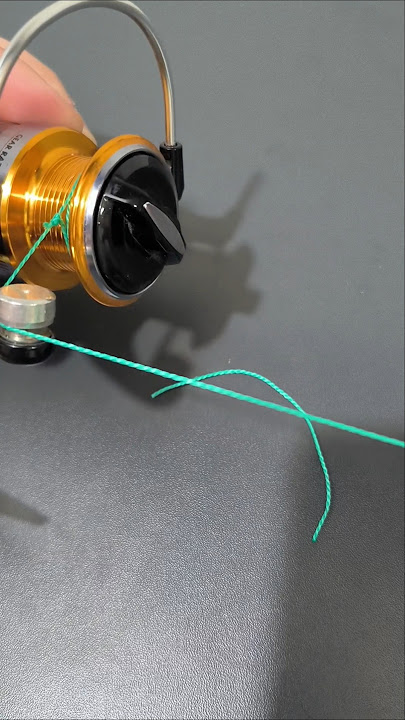
Are you ready to spend more time fishing and less time struggling with your gear? Knowing how to put fishing line on a reel the right way can save you from frustration and help you catch more fish.
Whether you’re new to fishing or just need a quick refresher, this simple skill makes a big difference. In this guide, you’ll discover easy steps to get your reel ready quickly and smoothly. Keep reading, and you’ll be casting with confidence in no time.
Choosing The Right Fishing Line
Choosing the right fishing line is important for a good fishing experience. The right line helps you catch fish and avoid problems.
Different fishing lines work best for different fish and fishing spots. Learn about types, strength, and other factors.
Types Of Fishing Lines
There are three main types of fishing lines: monofilament, fluorocarbon, and braided. Each has different features.
Monofilament is flexible and easy to handle. Fluorocarbon is less visible underwater. Braided lines are very strong.
- Monofilament: good for beginners and general use
- Fluorocarbon: better for clear water and stealth
- Braided: strong and good for heavy fish
Line Strength And Thickness
Fishing line strength is measured in pounds. It shows how much weight the line can hold before breaking.
Thickness affects how the line moves in water. Thinner lines are less visible but may be weaker.
- Choose stronger lines for bigger fish
- Thinner lines cast farther and look less visible
- Thicker lines handle rough spots better
Factors Influencing Line Choice
Water type, fishing method, and fish size affect the line you should use. Different conditions need different lines.
Think about the water clarity, weather, and how you will fish. These affect the line’s performance and durability.
- Clear water needs less visible lines like fluorocarbon
- Heavy cover needs strong and abrasion-resistant lines
- Light fishing needs thinner, more flexible lines
Credit: www.epicflyrods.com
Preparing Your Reel
Getting your fishing reel ready is important before putting on the line. Proper preparation helps the reel work smoothly and last longer.
This guide covers cleaning the reel, checking for damage, and setting the drag.
Cleaning The Reel
Clean your reel to remove dirt, salt, and old grease. This keeps it running well and stops parts from wearing out fast.
- Use a soft cloth to wipe the outside of the reel.
- Rinse with fresh water if you fished in saltwater.
- Dry the reel with a towel to avoid rust.
- Apply a small amount of reel oil to moving parts.
- Wipe off any excess oil to prevent dirt buildup.
Inspecting For Damage
Look over your reel to find any problems before adding line. Early fixes save you from trouble while fishing.
| Part | What to Check | Action if Damaged |
| Spool | Cracks or dents | Replace spool |
| Handle | Loose or stiff movement | Tighten or lubricate |
| Drag knob | Stiff or loose adjustment | Repair or replace |
| Line roller | Wear or rough surface | Clean or replace |
Setting The Drag
The drag controls how much resistance a fish feels when pulling the line. Set it right to avoid breaking the line or losing fish.
- Turn the drag knob clockwise to tighten the drag.
- Pull the line from the reel by hand.
- Adjust the drag so the line pulls out with steady pressure.
- Test by pulling harder to ensure the drag slips smoothly.
- Make small adjustments until the drag feels balanced for your fishing style.
Attaching The Line To The Reel
Attaching the fishing line to the reel is the first step to prepare your rod. It helps ensure the line stays secure while you fish. Proper attachment reduces the chance of the line slipping off.
This guide explains how to thread the line through the guides, tie the arbor knot, and secure the knot correctly.
Threading The Line Through Guides
Start by pulling the line from the spool. Pass the line through each guide on the rod. The guides are the small loops along the rod’s length.
- Begin at the tip of the rod
- Feed the line through each guide one by one
- Make sure the line moves smoothly through all guides
- Stop at the reel and prepare to attach the line
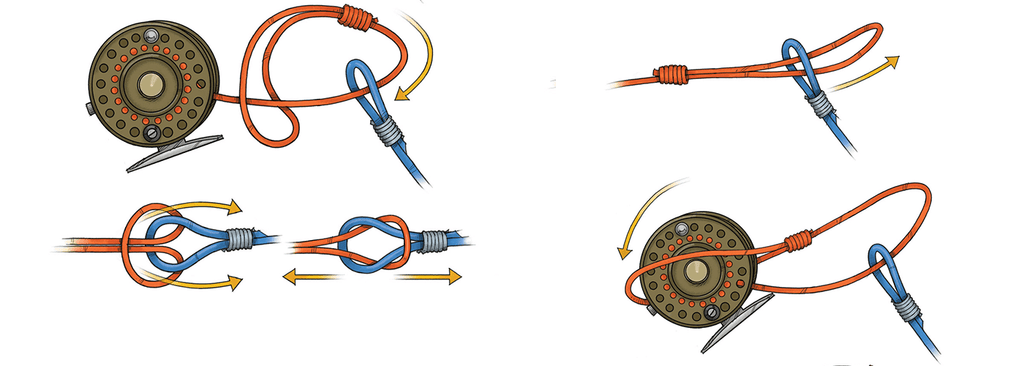
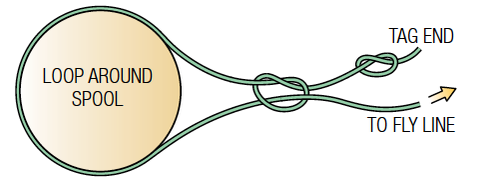
Tying The Arbor Knot
The arbor knot connects the fishing line to the reel spool. It is strong and simple to tie.
Follow these steps to tie the arbor knot:
- Wrap the line around the spool.
- Tie an overhand knot around the main line.
- Tie another overhand knot at the tag end.
- Pull both knots tight against the spool.
Securing The Knot
After tying the arbor knot, secure it to prevent slipping. Wet the knot with water or saliva. Pull the line tight and trim the tag end close to the knot.
| Action | Reason |
| Wet the knot | Reduces friction and tightens knot |
| Pull line tight | Secures the knot firmly |
| Trim tag end | Prevents snagging or loosening |
Spooling The Line
Putting fishing line on a reel is an important skill for anglers. Spooling the line correctly helps your fishing setup work smoothly. It prevents tangles and line damage.
This guide covers key points for spooling: keeping tension, winding evenly, and avoiding twists. These tips will help you spool your reel properly.
Maintaining Proper Tension
Keep the fishing line tight as you spool it onto the reel. Proper tension stops the line from winding loosely or unevenly. Use your fingers or a cloth to hold the line firmly.
- Hold the line between your thumb and forefinger.
- Keep steady pressure while turning the reel handle.
- Ask someone to hold the spool of line with slight resistance.
- Do not let the line sag or become slack.
Winding The Line Evenly
Spool the line in neat layers across the reel spool. Even winding prevents line bunching and tangles later. Move the line guide or your fingers back and forth.
| Tip | How to Do It |
| Guide the line | Use your finger to move the line side to side |
| Check layers | Ensure the line stacks evenly, not piled in one spot |
| Slow and steady | Turn the reel slowly to control the line flow |
Avoiding Line Twists
Line twists cause tangles and weak spots. Prevent them by controlling the direction of the line from the spool. Use the right method to spool your reel type.
Follow these tips to avoid twists:
- Let the spool spin freely if using a spinning reel.
- Keep the line under tension while spooling.
- Check for loops or slack line during spooling.
- Use swivel connectors to reduce twisting.
Finishing Touches
After threading your fishing line onto the reel, some final steps ensure a smooth fishing experience. These finishing touches help prevent line problems and improve casting.
Pay attention to each detail to get your reel ready for the water. Small adjustments can make a big difference in performance.
Cutting Excess Line
Once the line is securely on the reel, cut off any extra line close to the knot or spool edge. Leaving too much line can cause tangles or bird nests.
- Use sharp scissors or line cutters for a clean cut
- Leave about 1/8 inch of line beyond the knot
- Avoid pulling the line too tight while cutting
- Check that the line end is smooth and not frayed
Checking Line Capacity
Make sure your reel’s line does not exceed the recommended capacity. Overfilling can cause line breakage and poor casting. Underfilling reduces casting distance.
| Reel Size | Line Capacity (Yards) | Line Weight (Pounds) |
|---|---|---|
| 1000 | 140 | 2-6 |
| 2500 | 200 | 6-12 |
| 4000 | 240 | 10-20 |
| 6000 | 300 | 12-30 |
Testing The Setup
After finishing the line, test the reel to check for smooth operation and proper tension. This helps avoid problems during fishing.
- Pull the line gently to check the drag system
- Turn the reel handle to feel for smoothness
- Cast a few practice throws to test line flow
- Adjust the drag or reel settings if needed
- Look for any line twists or tangles and fix them

Credit: www.youtube.com
Common Mistakes To Avoid
Putting fishing line on a reel seems easy but many make mistakes. These errors can cause problems when fishing.
Knowing what to avoid helps keep your line strong and your fishing smooth.
Overfilling The Spool
Filling the spool too full can cause line tangles. The line may slip off or create knots during casting.
Leave some space between the line and the spool edge. This space stops the line from spilling over.
- Do not fill the spool to the top edge
- Keep about 1/8 inch space free
- Check the spool size for the right amount
Loose Knots
Tying loose knots can cause the line to slip off the reel. This leads to line breakage or lost fish.
Make sure your knots are tight and secure before you start fishing. Practice knots like the improved clinch knot.
- Pull knots firmly to tighten
- Trim excess line after tying
- Test knots by pulling hard
Ignoring Line Maintenance
Old or damaged line can weaken your setup. Ignoring line care leads to breaks and lost catches.
Check your line often for cracks or frays. Replace it regularly to keep fishing safe and easy.
- Inspect line for damage before use
- Store line away from sunlight and heat
- Replace line if it feels rough or brittle
Credit: monsterbass.com
Frequently Asked Questions
How Do I Choose The Right Fishing Line For My Reel?
Choose a fishing line based on your reel type and fishing needs. Consider line strength, material, and water conditions for optimal performance.
What Is The Best Way To Secure Fishing Line On A Reel?
Use an arbor knot to tie the line securely to the reel spool. This knot prevents slipping and ensures smooth casting.
How Much Fishing Line Should I Put On My Reel?
Fill the reel spool about 1/8 inch below the rim. This avoids overfilling and reduces line tangling during casting.
Can I Use Different Fishing Lines On One Reel?
Yes, you can mix lines like braid and fluorocarbon. Match line strengths and test knots for compatibility before fishing.
Conclusion
Equipping your reel with a fishing line is simple. Follow the steps carefully. Practice makes perfect. Tight lines mean better control. Keep your reel clean and dry. Always use the right line for your fishing needs. With these tips, you’re ready for a successful fishing trip.
Enjoy the experience and connect with nature. Fishing is a relaxing hobby, perfect for unwinding. Share your fishing stories with friends and family. Happy fishing!