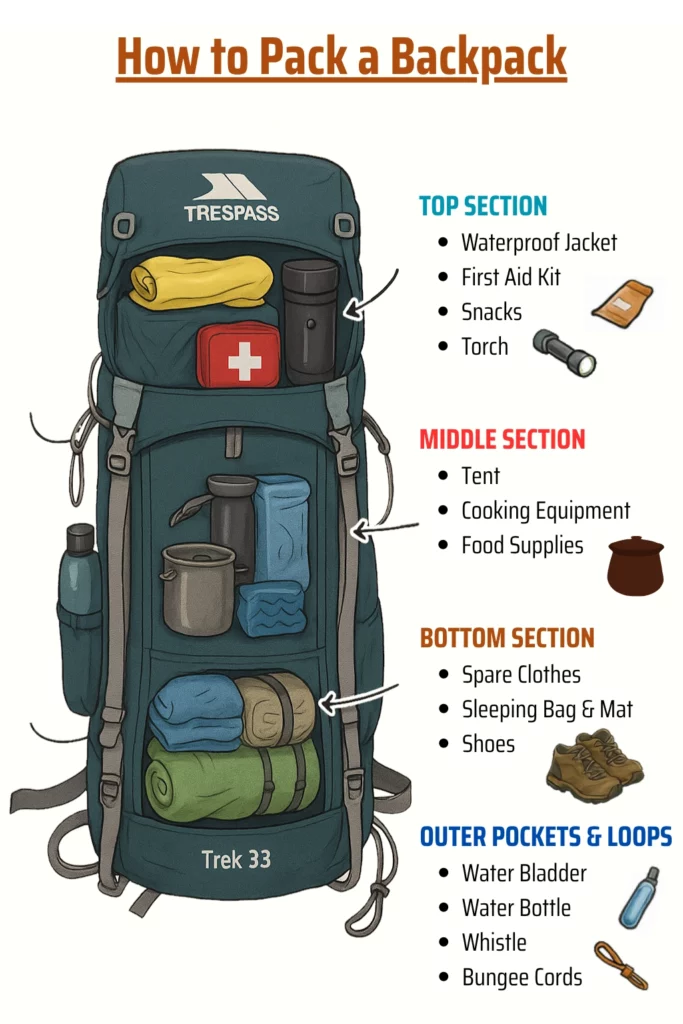
Packing your hiking bag the right way can make or break your outdoor adventure. Imagine reaching your favorite trail, only to find your gear scattered, heavy, or missing just what you need.
You don’t want that. When you pack smart, your hike becomes easier, safer, and more enjoyable. In this guide, you’ll discover simple steps to organize your bag perfectly, so you carry what matters without the extra weight. Ready to learn how to pack like a pro?
Let’s dive in and make your next hike your best one yet.
Choosing The Right Backpack
Packing your hiking bag starts with picking the right backpack. The right pack makes your hike easier and more fun.
Think about how long your hike is and what you will carry. This helps you find a bag that fits your needs.
Types Of Hiking Bags
There are several types of hiking backpacks. Each type fits different hiking styles and needs.
- Daypacks: Small and light for short hikes
- Overnight packs: Bigger for one or two nights
- Multi-day packs: Large with more space for long trips
- Technical packs: Designed for climbing or special gear
Size And Capacity
Choose a backpack size that fits your trip length. Too big or too small can cause problems.
Backpack size is measured in liters. This shows how much space the bag holds.
- Day hikes: 15 to 30 liters
- Overnight trips: 30 to 50 liters
- Multi-day hikes: 50 to 70+ liters
Comfort And Fit
Comfort is key for a good hiking experience. A backpack must fit your body well.
Look for padded straps and adjustable belts. These help spread the weight evenly.
- Try the backpack with weight before buying
- Check if the hip belt fits your hips
- Adjust shoulder straps to avoid pain
- Look for ventilation to keep your back cool
Credit: www.reddit.com
Essential Gear To Pack
Packing the right gear makes your hike safe and fun. Bring items that help you find your way, stay dry, and keep warm.
Focus on essentials that cover navigation, shelter, clothing, food, and first aid. This helps you be ready for different situations.
Navigation Tools
Good navigation tools keep you on the trail and prevent you from getting lost. Always carry a map and a compass.
- Topographic map of the area
- Compass for direction
- GPS device or smartphone with offline maps
- Whistle for signaling
Shelter And Sleeping
Bring shelter to protect yourself from weather. A light tent or a sleeping bag can keep you safe and warm overnight.
| Item | Purpose |
| Tent or tarp | Protection from rain and wind |
| Sleeping bag | Keeps you warm during cold nights |
| Sleeping pad | Provides cushioning and insulation |
Clothing Layers
Wear layers to adjust your body temperature. Start with a base layer, add an insulating layer, and finish with a shell layer for rain or wind.
- Base layer: moisture-wicking shirts and pants
- Insulating layer: fleece or down jacket
- Shell layer: waterproof jacket and pants
- Extra socks and hat
Food And Hydration
Bring enough food and water to keep your energy up. Pack light but nutritious snacks and a way to carry and filter water.
- Trail mix with nuts and dried fruit
- Energy bars
- Fresh fruit like apples or oranges
- Sandwiches or wraps
Carry at least 2 liters of water per person. Use a water filter or purification tablets if refilling from streams.
First Aid Kit
A first aid kit helps you handle minor injuries. Include bandages, antiseptic wipes, and pain relief medicine.
- Adhesive bandages in various sizes
- Antiseptic wipes and ointment
- Gauze pads and tape
- Pain relievers like ibuprofen or acetaminophen
- Tweezers and scissors
- Allergy medication if needed
Organizing Your Bag
Organizing your hiking bag helps you find things quickly. It also makes your hike easier and safer.
Good organization keeps your bag balanced and saves space. It stops items from moving around during your walk.
Weight Distribution
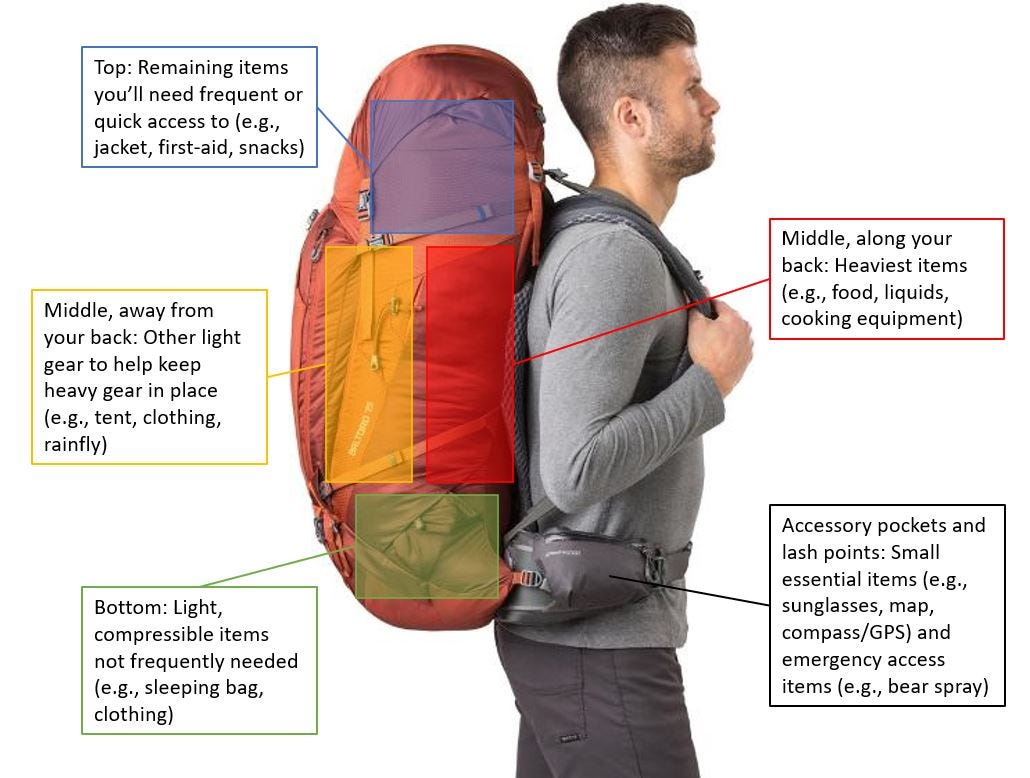
Put heavy items close to your back and in the middle of the bag. This keeps your balance steady while hiking.
Lighter things go near the top and sides. This stops your bag from feeling too heavy on one side.
- Place heavy gear like water and food near your spine
- Keep medium weight items around heavy gear
- Put light clothes and gear at the top and outer pockets
Using Packing Cubes
Packing cubes help keep your items grouped and easy to find. They stop things from mixing inside your bag.
Use different cubes for clothes, cooking gear, and first aid. This saves time and keeps your bag neat.
- Use one cube for clothes to keep them tidy
- Store cooking tools and food in a separate cube
- Keep small items like chargers or medicine in a small cube
Accessibility Tips
Put items you need often where you can reach them fast. This saves time and avoids unpacking your whole bag.
Keep your map, snacks, and rain gear in outside pockets or near the top inside your bag.
- Place snacks in easy-to-reach pockets
- Keep rain jacket near the top or outside pocket
- Store map and compass in a quick-access spot
Credit: pangolinswithpacks.com
Packing Techniques
Packing your hiking bag right saves space and keeps items safe. Using smart techniques helps you carry more and stay organized.
Learn simple ways to fold clothes, protect gear from water, and keep loose items secure during your hike.
Rolling Vs Folding Clothes
Rolling clothes saves space and reduces wrinkles. Folding can keep items neat but takes more room. Choose the method that fits your bag best.
- Roll t-shirts, pants, and socks tightly to save space.
- Fold bulky items like jackets and sweaters to keep shape.
- Use packing cubes to separate rolled and folded clothes.
- Place rolled clothes at the bottom for easy access.
Waterproofing Items
Keep your gear dry by using waterproof bags and covers. Wet items can damage clothes and electronics.
| Item | Waterproofing Method |
| Clothes | Use dry bags or plastic sacks |
| Electronics | Place in sealed plastic bags |
| Food | Store in airtight containers |
| Documents | Use waterproof sleeves |
Securing Loose Gear
Loose items can get lost or damaged inside your bag. Use pouches and straps to keep everything in place.
- Put small items in zippered pouches.
- Use carabiners to attach gear outside the bag.
- Secure straps tightly to prevent shifting.
- Check your bag before each hike to fix loose gear.
Safety And Emergency Items
Packing your hiking bag with safety and emergency items is very important. These items help you stay safe if something goes wrong.
Always carry tools and devices that can help you signal for help or provide power if needed. Being prepared can save your life.
Essential Tools
Essential tools include things you use for first aid, navigation, and survival. Carry a small first aid kit with bandages and antiseptic.
A reliable knife or multi-tool is useful for many tasks. Pack a map and compass to help you find your way.
- First aid kit with bandages, antiseptic, and pain relievers
- Knife or multi-tool
- Map and compass
- Whistle for signaling
- Water purification tablets
Emergency Signals
Emergency signals help rescuers find you quickly. Carry a whistle to make loud sounds that carry far.
Bright colored cloth or a mirror can catch the attention of others. Use these items to signal for help if you get lost.
- Whistle to make loud noise
- Bright cloth or bandana
- Signal mirror to reflect sunlight
- Flashlight or headlamp with extra batteries
Backup Power
Backup power keeps your devices working during emergencies. A small power bank can charge your phone or GPS.
Solar chargers are good for long trips without electricity. Carry extra batteries for flashlights and other gear.
- Portable power bank
- Solar charger
- Extra batteries for devices
Final Checks Before The Trek
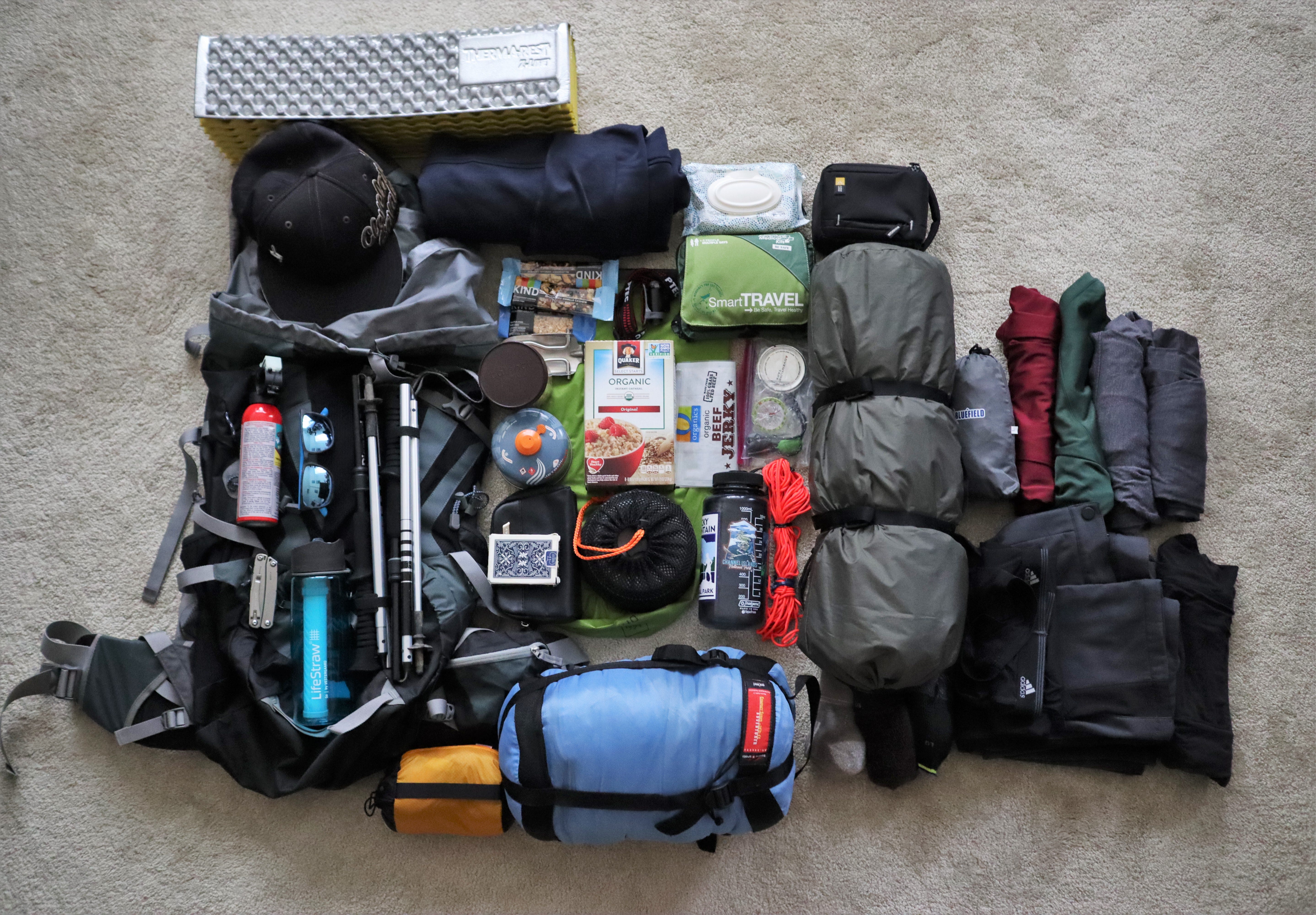
Before you start your hiking adventure, check your bag carefully. This helps avoid surprises and keeps you safe on the trail.
Take a moment to review your packing. Make sure everything is balanced and ready for the journey.
Weight Test
Lift your bag to see how heavy it feels. It should be comfortable to carry for hours. If it feels too heavy, remove items you can do without.
- Lift the bag onto your back and walk around for a few minutes.
- Check if the weight feels balanced on both shoulders.
- Remove or rearrange items if the bag pulls too much on one side.
- Keep the total weight under 20% of your body weight for comfort.
Weather Considerations
Check the weather forecast before you leave. Weather can change quickly in the mountains. Pack extra layers or rain gear if needed.
| Weather | What to Pack |
|---|---|
| Sunny | Sunscreen, hat, sunglasses |
| Rainy | Waterproof jacket, rain cover for bag |
| Cold | Warm clothing, gloves, beanie |
| Hot | Light clothes, extra water, cooling towel |
Adjusting Straps
Tighten or loosen your bag straps for a secure fit. Good strap adjustment prevents strain and helps balance the weight.
- Start with all straps loose.
- Put on the bag and tighten shoulder straps until snug.
- Adjust hip belt to sit on your hips, not your waist.
- Tighten chest strap to keep shoulder straps in place.
- Walk around and make small adjustments as needed.
Credit: pangolinswithpacks.com
Frequently Asked Questions
What Are The Essential Items To Pack In A Hiking Bag?
Essential items include water, snacks, a first aid kit, map, compass, extra clothing, and a flashlight. These basics ensure safety and comfort during your hike.
How Should I Organize My Hiking Bag Efficiently?
Place heavy items close to your back and distribute weight evenly. Use compartments for easy access to frequently used gear like water and snacks.
How Much Weight Should My Hiking Bag Carry?
Your hiking bag should weigh no more than 20-25% of your body weight. Keeping it light helps prevent fatigue and injury on the trail.
What Clothing Should I Pack For A Hiking Trip?
Pack moisture-wicking layers, a waterproof jacket, and extra socks. Dress in layers to adjust to changing weather and maintain comfort.
Conclusion
Packing your hiking bag right ensures a smooth adventure. Keep essentials accessible. Balance weight for comfort on trails. Remember snacks and water for energy. Secure items to prevent shifting. Double-check weather gear for surprises. Organize smartly to save time. A well-packed bag means more fun, less hassle.
Enjoy the journey with peace of mind. Happy hiking!