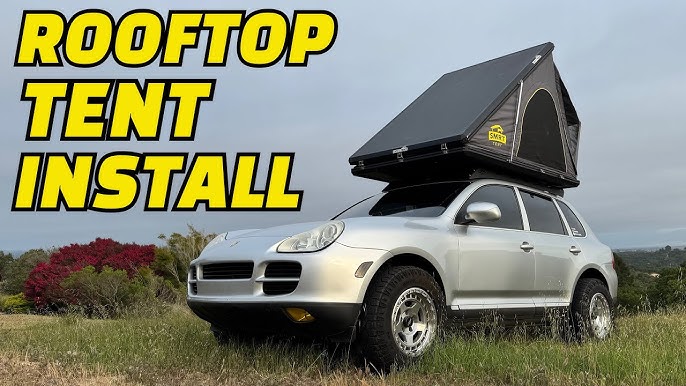
Are you ready to take your camping experience to the next level? Mounting a roof top tent on your vehicle can open up a world of comfort and adventure, but if you’ve never done it before, it might feel a bit overwhelming.
Don’t worry – this guide will walk you through every step, making the process simple and stress-free. By the end, you’ll know exactly how to secure your roof top tent safely and quickly, so you can focus on enjoying your outdoor escape.
Keep reading, because your perfect camping setup is just a few easy steps away!
Choosing The Right Roof Top Tent
Picking the right roof top tent is key for a good camping trip. You need to think about your needs and your car.
This guide helps you choose the best tent for your vehicle and travel style.
Types Of Roof Top Tents
There are different roof top tents. Some open like a hard shell. Others fold like a soft shell. Each type has its pros and cons.
- Hard Shell Tents:Quick to set up and strong in bad weather.
- Soft Shell Tents:Lighter and often less expensive.
- Hybrid Tents:Combine features of hard and soft shells.
Weight And Size Considerations
Roof top tents come in different weights and sizes. Make sure your car can carry the weight safely.
Also, check the size so it fits your roof rack and has enough space for your group.
- Check your vehicle’s roof weight limit.
- Consider tent weight plus gear inside it.
- Measure roof space before buying.
- Larger tents hold more people but weigh more.
Compatibility With Your Vehicle
Not all roof top tents fit every vehicle. Check if your car has the right roof rack system.
Look at the roof shape and size. Some tents work best on SUVs or trucks.
- Verify your roof rack type and weight limit.
- Check tent mounting system matches your rack.
- Consider roof shape for a stable fit.
- Think about how you will open and close the tent.

Credit: www.amazon.ca
Preparing Your Vehicle
Mounting a roof top tent starts with preparing your vehicle. You need to make sure your vehicle can hold the tent safely.
Proper preparation helps avoid damage and keeps you safe while camping.
Installing Roof Racks
Roof racks hold the tent on top of your vehicle. You must install strong and stable racks before placing the tent.
Use racks made for your vehicle model. Follow the rack maker’s instructions carefully.
- Check that racks fit your car roof size.
- Tighten all bolts to avoid movement.
- Use rubber pads to protect your car roof.
- Make sure racks do not block roof vents.
Checking Load Capacity
Know how much weight your roof can hold. This includes the tent and people inside it.
Check your vehicle manual for the roof load limit. Do not go over this limit to stay safe.
- Find roof load limit in the vehicle manual.
- Include weight of the tent and gear.
- Remember weight of people sleeping in the tent.
- Keep a safety margin to avoid stress on racks.
Safety Precautions
Safety is important when mounting and using a roof top tent. Take extra care to avoid accidents.
Use gloves and ask for help when lifting the tent. Check all attachments before driving.
- Lift tent with at least two people.
- Wear gloves to protect your hands.
- Double-check all bolts and straps.
- Test stability by gently shaking the tent.
- Drive slowly and avoid rough roads with the tent on top.
Gathering Essential Tools
Mounting a roof top tent needs the right tools. Having everything ready saves time and stress.
Collecting tools before you start helps the installation go smoothly and safely.
Basic Tools Needed
These are the main tools you need to mount a roof top tent. Each tool plays a role in securing the tent to your vehicle.
- Socket wrench set to tighten bolts
- Torque wrench for correct bolt pressure
- Measuring tape to check spacing
- Rubber mallet to adjust parts gently
- Screwdrivers for smaller screws
- Hex keys for Allen bolts
Optional Accessories
Optional tools can make mounting easier and increase safety. They are not required but helpful.
- Safety gloves to protect your hands
- Protective eyewear for eye safety
- Extra clamps to hold parts in place
- Step ladder for better reach
- Thread locker to keep bolts secure
Organizing Your Workspace
Keep your workspace tidy before starting. Organized tools help avoid mistakes and lost parts.
Clear a flat area near your vehicle. Lay out all tools and parts in order of use.
- Use a tool box or tray to hold small parts
- Keep instructions visible and close
- Have a clean cloth to wipe any dirt
- Work in good light for better visibility
- Keep phone or camera handy to document steps
Credit: gobiracks.com
Mounting The Roof Top Tent
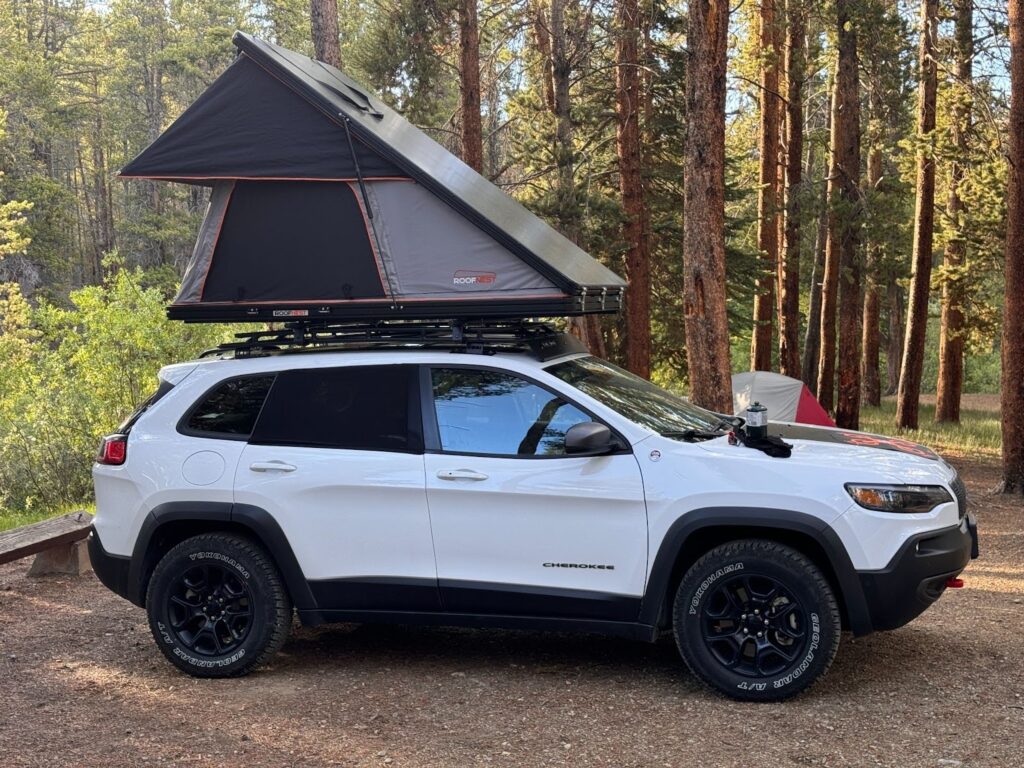
Mounting a roof top tent on your vehicle is a simple way to add camping space. You need the right tools and careful steps.
This guide covers how to position the tent, secure it to roof racks, and tighten all bolts safely.
Positioning The Tent
Start by choosing the right spot on your roof racks. The tent should be centered and balanced side to side. This helps keep your vehicle stable.
Make sure the tent does not block your view or any doors. Also, check the weight limit of your roof racks before placing the tent.
Securing Tent To Roof Racks
- Place the mounting brackets on the roof racks.
- Align the tent base holes with the brackets.
- Insert bolts through the holes.
- Add washers and nuts on the bolts.
- Hand-tighten nuts to hold the tent in place.
Use the right size bolts and brackets that come with your tent. Avoid mixing parts from different brands.
Tightening Bolts And Fasteners
| Tool | Purpose |
|---|---|
| Wrench | Tighten nuts firmly |
| Socket Set | Secure bolts tightly |
| Torque Wrench | Ensure proper tightness as per instructions |
Check all bolts and nuts with a wrench. Tighten them until they feel secure but do not over-tighten. Over-tightening can damage parts.
Re-check bolts after the first drive and regularly during use. This keeps the tent safe and stable on your vehicle.
Final Checks Before Adventure
Before hitting the road, it is important to make sure your roof top tent is safe and ready. Final checks help avoid problems during your trip.
Take time to review everything carefully. This will help you enjoy your adventure with peace of mind.
Testing Stability
Check the tent’s mount points to ensure they are tight and secure. Shake the tent gently to test if it moves or wobbles.
- Confirm all bolts and clamps are fastened
- Ensure the mounting brackets are not loose
- Inspect the roof rack for any damage
- Test tent opening and closing smoothly
Packing Tent Accessories
Gather all tent accessories and pack them in an organized way. Keep essential items easy to reach for quick setup.
| Accessory | Purpose | Storage Tip |
| Rainfly | Protects from rain and wind | Fold neatly in waterproof bag |
| Mattress | Comfort while sleeping | Store inside tent or carry bag |
| Support Poles | Stabilize tent structure | Keep together in a pole bag |
| Guy Lines | Secure tent in wind | Wrap and clip to tent bag |
Setting Up Camp Quickly
Plan your camp setup so you can rest fast after arrival. Organize tools and space to save time.
- Park on flat, stable ground
- Remove obstacles before unfolding tent
- Use a checklist to avoid forgetting items
- Practice setup at home before your trip

Credit: www.reddit.com
Maintenance Tips For Longevity
Mounting a roof top tent is only the first step to enjoy it well. Proper care keeps the tent safe and lasting long. Small maintenance tasks make a big difference over time.
Following a few simple tips helps protect your tent from damage. Regular care also keeps it clean and ready for your next trip.
Cleaning After Use
Clean your roof top tent after every trip. Remove dirt, dust, and leaves to stop wear. Use mild soap and water to wash the fabric. Avoid harsh chemicals that can harm the material.
Let the tent dry fully before packing it away. Moisture can cause mold and bad smells. Open all windows and doors to air it out well.
- Brush off loose dirt before washing
- Use a soft cloth or sponge for cleaning
- Dry the tent in a shaded area, not direct sun
- Check zippers and seams for stuck dirt
Inspecting For Damage
Check your tent regularly for any damage. Look for tears, holes, or broken parts. Small repairs prevent bigger problems later. Inspect zippers, straps, and mounting brackets too.
Fix any issues right away. Patch holes and replace broken parts. Keep a repair kit handy when camping. This helps you manage damage quickly.
- Look closely at the fabric for holes
- Test zippers to ensure they work smoothly
- Check mounting brackets for rust or cracks
- Examine straps and buckles for wear
Storage Recommendations
Store your roof top tent in a dry, cool place. Avoid damp or hot areas that can harm the fabric. Keep it away from direct sunlight to stop fading and cracking.
Store the tent loosely packed if possible. Tight packing can damage the material and seals. Use a protective cover or bag to keep dust and pests out.
- Store tent in a well-ventilated space
- Keep away from chemicals and sharp objects
- Use a tent bag or cover for extra protection
- Do not store tent while it is wet or dirty
Frequently Asked Questions
How Do I Install A Roof Top Tent Safely?
Start by reading the tent’s manual carefully. Use proper mounting brackets that fit your vehicle’s roof rack. Tighten all bolts securely and double-check stability before use. Ensure the weight capacity of your roof rack matches the tent and occupants combined.
What Tools Are Needed To Mount A Roof Top Tent?
You typically need a wrench set, screwdriver, measuring tape, and sometimes a drill. Always refer to the tent’s installation guide for specific tools. Having the right tools makes the process faster and ensures a secure fit.
Can Any Vehicle Support A Roof Top Tent?
Most SUVs, trucks, and cars with sturdy roof racks can support tents. Check your vehicle’s roof weight limit and rack specifications. Avoid mounting tents on weak or unsupported roofs to prevent damage or accidents.
How Do I Maintain My Roof Top Tent After Installation?
Keep the tent clean and dry after each use. Inspect mounting brackets and bolts regularly for tightness. Store the tent in a dry place to avoid mold and material wear. Proper maintenance ensures longevity and safety.
Conclusion
Mounting a roof top tent is simpler than it seems. Follow the steps carefully. Ensure all tools are ready before you start. Secure the tent tightly to avoid mishaps. Always double-check each attachment point. Your tent should be stable and safe.
Practice setting up and taking down your tent. This makes future trips easier. Enjoy your adventures with confidence and comfort. Roof top tents offer great camping experiences. Now you’re ready for your next outdoor journey. Safe travels and happy camping!