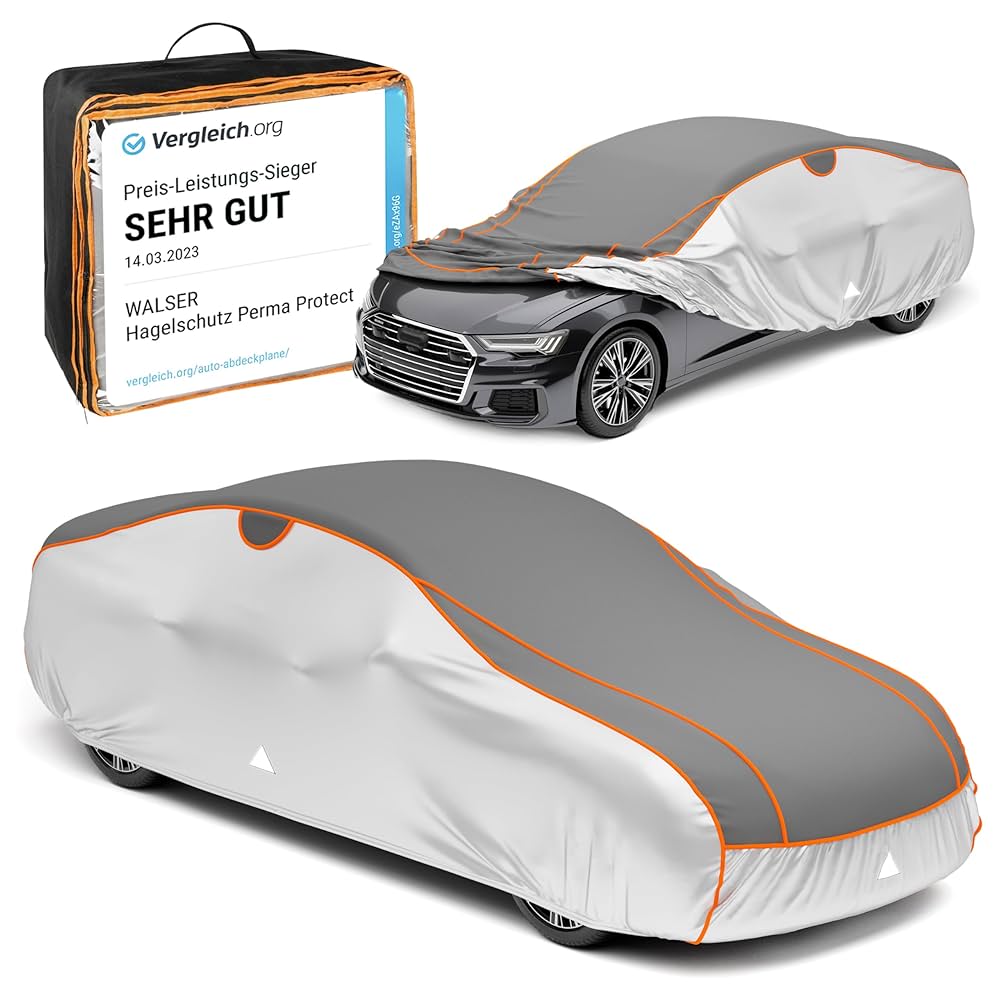
Have you ever worried about your car getting damaged during a hailstorm? You’re not alone.
Hail can leave dents and cracks that are expensive to fix. But can a simple car cover really protect your vehicle from hail? If you’ve been wondering whether investing in a car cover is worth it, this article will give you clear answers.
By the time you finish reading, you’ll know exactly how to keep your car safe when those icy pellets start falling. Keep reading to find out what really works.
How Hail Damages Cars
Hail can cause serious damage to cars during storms. The size and speed of hailstones affect the damage level.
Even small hailstones can leave dents and cracks on a vehicle’s surface. Understanding how hail harms cars helps protect them better.
Types Of Hail Damage
Hail can cause different kinds of damage to cars, depending on its size and impact force. Common types include dents, broken glass, and scratched paint.
- Dents:Small to large dents can appear on the hood, roof, and doors.
- Cracked or shattered windows:Strong hail can break windshields and side windows.
- Paint damage:Chips and scratches happen when hailstones scrape the car’s surface.
- Broken mirrors or lights:Side mirrors and headlights may crack or break.
Common Vulnerable Areas
Certain parts of a car are more likely to get damaged by hail. These areas usually have the largest flat surfaces or fragile parts.
| Car Part | Damage Type |
| Roof | Dents and paint chips |
| Hood | Dents and scratches |
| Windshield | Cracks and shattering |
| Side windows | Cracks and breaks |
| Side mirrors | Broken glass or housing |
| Headlights and taillights | Cracks or shattered lenses |

Credit: www.amazon.ca
Car Cover Materials
Car covers come in different materials to protect vehicles from hail. Choosing the right material helps keep your car safe.
Some materials are soft, while others have padding or heavy layers for extra defense. Each type suits different needs.
Soft Covers
Soft covers are made from lightweight fabrics like polyester or cotton. They protect against dust and light scratches.
They offer minimal protection from hail but can prevent small dents from light hailstones. Soft covers are easy to handle and store.
Padded Covers
Padded covers have extra layers of foam or cushioning inside. These layers absorb impact from hailstones better than soft covers.
This padding reduces the chance of dents and paint damage. Padded covers are heavier but provide better hail protection.
- Foam layers for shock absorption
- Protects from medium to large hail
- Usually water-resistant
Heavy-duty Covers
Heavy-duty covers use thick materials like multiple layers of polyester or vinyl. Some include built-in airbags or hard shells.
They offer the strongest protection against large hail. These covers are durable and designed for long-term outdoor use.
- Multiple protective layers
- Waterproof and UV resistant
- Best for severe hail conditions
Effectiveness Of Car Covers Against Hail
Car covers can protect your vehicle from small hailstones. They add a layer between the hail and your car’s surface.
Not all car covers are the same. Their ability to protect depends on the material and thickness.
Impact Absorption
Car covers cushion the force of hail when it hits your vehicle. Soft and padded covers absorb more impact.
Thicker covers reduce dents and scratches better than thin covers. Some covers have multiple layers for extra protection.
- Padded covers spread the hail’s force
- Thick materials resist punctures and tears
- Multiple layers increase shock absorption
Limitations In Severe Hailstorms
Car covers cannot fully protect during very large hailstones or strong storms. The damage may still happen.
Strong winds can move covers, exposing parts of the car to hail. Some covers may not stay secure in bad weather.
- Large hail can break through thin covers
- Strong winds may remove or shift covers
- Extreme storms can cause dents despite covers

Credit: www.ebay.ca
Choosing The Right Car Cover
Car covers help protect your vehicle from hail damage. Picking the right cover can make a big difference. It should fit well and be strong.
A good cover blocks hail and other weather problems. Learn what to look for in size, durability, and weather resistance.
Size And Fit
The car cover must fit your car tightly. A loose cover can blow off or let hail hit your car. A cover that is too small will not protect well.
Check the cover’s size before buying. Many covers list the car models they fit. Measure your car to be sure.
- Measure length, width, and height of your car
- Look for covers made for your car type
- Choose a cover with elastic edges or straps
Durability
Durability means the cover can handle hail without tearing. Strong materials last longer and protect better. Thin covers might not stop hail well.
Look for covers made from thick, heavy-duty fabric. Some covers have extra padding or layers for more protection.
- Heavy-duty polyester or polypropylene fabrics
- Multiple layers or padded protection
- Reinforced stitching for strength
Weather Resistance
Weather resistance means the cover can protect from rain, sun, and hail. Water-resistant covers stop moisture from reaching your car. UV resistance keeps paint safe from sun damage.
Choose covers that are both water and UV resistant. Some covers also protect against dust and dirt, keeping your car clean.
- Waterproof or water-resistant coatings
- UV protection to prevent paint fading
- Windproof features to keep cover in place
Installation Tips For Maximum Protection
Car covers can protect your vehicle from hail damage if installed correctly. Proper installation helps keep the cover in place during storms.
Follow these tips to ensure your car cover offers the best protection against hail.
Proper Securing Methods
Make sure the car cover fits your vehicle well. A tight fit stops wind from lifting the cover during hail.
Use straps or ties under the car to hold the cover securely. Check that all straps are fastened firmly.
- Choose a cover with elastic edges for a snug fit
- Use adjustable straps to tighten the cover
- Secure straps under the car to prevent slipping
- Check the cover often during storms to keep it in place
Checking For Damage After Hail
After a hailstorm, remove the cover carefully. Look for dents, cracks, or paint damage on your car.
Inspect the cover too. If it has tears or holes, replace it to keep protecting your car.
- Check all car surfaces for dents or scratches
- Look under the cover for any water or debris
- Examine the cover for tears or worn spots
- Clean and dry the cover before storing it

Credit: www.amazon.ca
Alternative Hail Protection Methods
Car covers can help protect vehicles from hail, but other options offer added safety. These methods vary in cost, setup, and protection level.
Below are some common alternatives to car covers that drivers use to shield their cars from hail damage.
Hail Carports
Hail carports are sturdy structures made from metal or strong fabric. They provide a roof over your vehicle that stops hail from hitting the car directly.
- Easy to install in driveways or open areas
- Can be permanent or temporary
- Protects from rain and sun as well as hail
- Available in different sizes to fit one or multiple cars
Inflatable Covers
Inflatable covers cushion the car by filling the cover with air. This helps absorb the impact from hailstones and prevents dents.
| Feature | Benefit |
| Air-filled cushions | Absorbs hail impact |
| Quick setup | Easy to use before storms |
| Portable design | Can be stored in the trunk |
| Requires power source | Needs inflation pump or battery |
Garage Storage
Parking your vehicle inside a garage offers the best protection from hail and other weather damage.
- Fully shields car from hail, sun, and debris
- Can be part of your home or a separate building
- Provides security against theft and vandalism
- Costs more but offers long-term protection
Cost Vs. Benefit Analysis
Car covers can protect your vehicle from hail damage. They act as a shield during storms. But are they worth the price?
Looking at the cost and possible savings helps you decide if a car cover is a smart buy.
Cover Prices
Car cover prices vary depending on material and size. Basic covers cost less but offer limited protection.
Heavier and padded covers cost more but can better absorb hail impact.
- Basic covers: $20 to $50
- Mid-range covers: $50 to $100
- Heavy-duty covers: $100 to $200+
Potential Repair Savings
Hail damage repairs can be expensive. A car cover may reduce dents and paint damage.
Saving money on repairs can justify the cost of a good cover.
- Average hail repair: $1,000 to $4,000
- Minor dents can cost a few hundred dollars
- Car cover may prevent or lower repair costs
Maintenance And Care For Car Covers
Car covers help protect your vehicle from hail damage. To keep them effective, you must care for them properly. Regular maintenance extends the life of your car cover.
Proper cleaning and storage keep your cover strong and ready for use. Dirt, moisture, and sun can damage the material over time.
Cleaning Tips
Cleaning your car cover often removes dirt and debris that can wear it out. Use mild soap and water to clean the cover gently. Avoid harsh chemicals or bleach.
Rinse the cover well and let it dry completely before folding. Do not use a washing machine or dryer as they can damage the fabric.
- Use soft brush or cloth for cleaning
- Wash with mild soap and cold water
- Rinse thoroughly to remove soap
- Air dry in shade away from direct sunlight
- Never use bleach or strong chemicals
Storage Recommendations
Store your car cover in a dry and cool place. Avoid humid or hot areas to prevent mold and fabric damage. Fold it neatly to save space and avoid wrinkles.
Use a storage bag if possible. Keep the cover away from sharp objects that can tear it. Proper storage keeps your cover ready for the next hailstorm.
- Dry cover fully before storing
- Fold neatly to prevent creases
- Store in a cool, dry place
- Use a storage bag for protection
- Avoid placing heavy items on top
Frequently Asked Questions
Do Car Covers Really Protect From Hail Damage?
Car covers can reduce minor hail damage by cushioning impacts. However, heavy hail may still cause dents or cracks. Choose thick, padded covers designed for hail protection for better results.
What Types Of Car Covers Work Best Against Hail?
Heavy-duty, padded car covers made from impact-resistant materials offer the best hail protection. Look for covers with multiple layers and foam padding for superior cushioning.
Can A Regular Car Cover Prevent Hail Dents?
Regular thin car covers offer minimal protection against hail. They may protect from scratches but won’t absorb strong hail impacts effectively, risking dents or paint damage.
Should I Invest In A Hail-specific Car Cover?
If you live in hail-prone areas, hail-specific covers are a smart investment. They provide better impact absorption and can save costly repairs after storms.
Conclusion
Car covers offer solid protection against hail. They act as a shield. This helps minimize damage to your car’s surface. Quality covers can absorb impact. This prevents dents and scratches. They are a smart investment for car owners. Many covers are easy to use and store.
Choosing the right cover matters. Ensure it fits well and suits local weather. Consider material and thickness for better protection. Car covers are practical and cost-effective solutions. They safeguard your vehicle from unpredictable hailstorms. Keeping your car safe is easier with the right cover.