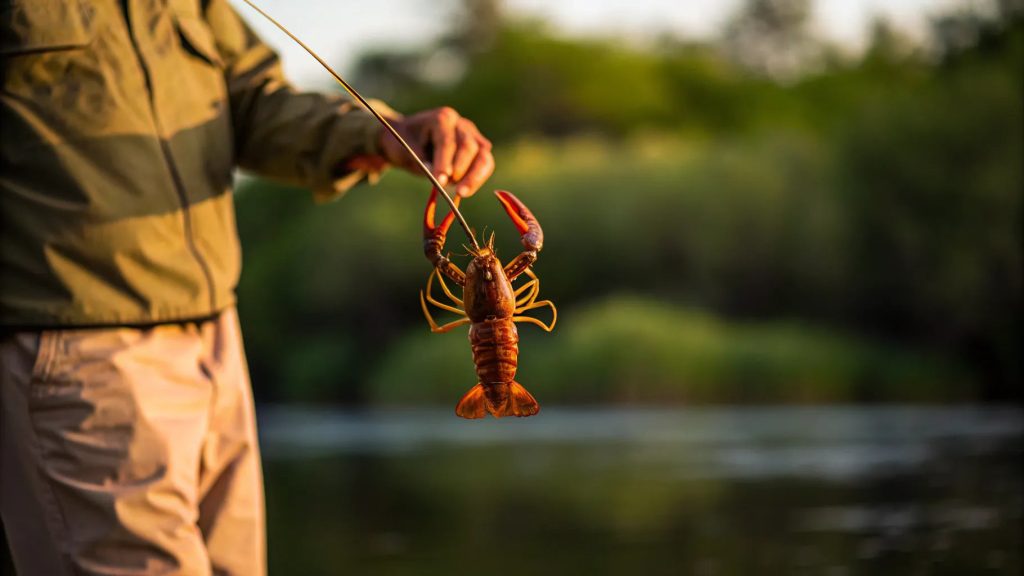
If you want to catch more fish, learning how to fish a crawfish lure is a game changer. Crawfish lures mimic the natural prey of many popular game fish, making them irresistible.
But using them the right way is key. In this guide, you’ll discover simple tips and proven techniques that will help you get bites every time you cast. Ready to boost your fishing success? Keep reading and master the art of fishing with a crawfish lure.
Choosing The Right Crawfish Lure
Fishing with a crawfish lure can catch many types of fish. Picking the right lure helps you catch more fish. It matters to know which lure fits your fishing spot and fish.
This guide helps you choose the best crawfish lure. Learn about types, colors, sizes, and water conditions to fish better.
Types Of Crawfish Lures
Crawfish lures come in different shapes and designs. Each type works well for certain fishing styles and fish behavior.
- Soft Plastic Lures:These look like real crawfish and move naturally in water.
- Hard Body Lures:Made from plastic or wood, they have a solid shape and create vibration.
- Spinnerbaits:They have spinning blades that flash and attract fish.
- Jigs:Weighted lures with crawfish-like skirts, good for bottom fishing.
Color And Size Selection
Pick lure colors that match the water and crawfish in the area. Size should match the natural prey fish want to eat.
- Use dark colors in murky or stained water.
- Light or bright colors work well in clear water.
- Small lures are good for shy or small fish.
- Large lures attract bigger fish and work in deep water.
Matching Lures To Water Conditions
Water clarity and depth change how fish see your lure. Pick the right lure to fit the water you fish in.
- In clear water, use natural colors and smaller sizes.
- In muddy water, use bright or dark colors to stand out.
- In deep water, use larger, heavier lures to reach the bottom.
- In shallow water, use lighter lures that move slowly.

Credit: monsterbass.com
Best Gear For Crawfish Lure Fishing
Crawfish lure fishing is fun and can catch many fish. Using the right gear helps you fish better and longer.
This guide shows the best rods, reels, lines, and accessories for crawfish lure fishing. Choose gear that fits your style and water conditions.
Rod And Reel Recommendations
Choose a rod that feels light but strong. A medium-heavy rod around 6 to 7 feet works well. It lets you cast lures far and control the fish.
A spinning reel with a smooth drag system is best. It handles line well and helps when fish pull hard. Match the reel size to your rod for balance.
- Rod length: 6 to 7 feet
- Rod power: Medium-heavy
- Reel type: Spinning reel
- Drag: Smooth and adjustable
Line And Leader Choices
Use braided line for strength and sensitivity. A 10 to 20-pound test braided line works well. It lets you feel bites and pull heavy fish.
Add a fluorocarbon leader to avoid line breaks. The leader should be about 10 to 15 pounds test. It is clear and tough, so fish do not see it easily.
- Line type: Braided line
- Line strength: 10-20 pounds test
- Leader type: Fluorocarbon
- Leader strength: 10-15 pounds test
Essential Accessories
Bring tools that make fishing easier and safer. Pliers help remove hooks. A small tackle box keeps lures and gear tidy.
Also, use a fishing net to land fish without harm. A good pair of polarized sunglasses reduces glare and helps spot fish underwater.
- Pliers for hook removal
- Compact tackle box
- Fishing net for landing fish
- Polarized sunglasses
Ideal Locations For Crawfish Lure Fishing
Crawfish lures work best in places where real crawfish live. Knowing the right spots helps you catch more fish.
Look for areas with cover and food for fish. These places attract fish that eat crawfish.
Habitat Preferences Of Target Fish
Fish that eat crawfish like bass and catfish prefer rocky and muddy spots. They hide near logs, rocks, and plants.
These fish want places with shade and protection. They wait there to catch crawfish or small fish.
- Shallow waters with rocks
- Areas with submerged plants
- Near fallen trees or branches
- Slow-moving river edges
Spotting Crawfish Hideouts
Crawfish hide in cool, dark spots during the day. Look for places with rocks and mud where they can burrow.
Check under rocks and near debris along shorelines. Crawfish holes often look like small mud mounds or holes in the mud.
- Under flat rocks in shallow water
- Near riverbanks with soft mud
- Close to underwater logs or stumps
- In shaded creek corners
Timing Your Fishing Trips
Fish are more active in the early morning and late evening. These times are best for fishing crawfish lures.
After rain, crawfish move more, so fish also feed more. Warmer months bring more crawfish activity near the surface.
- Fish at dawn and dusk
- Try fishing after rain showers
- Focus on spring and summer months
- Avoid midday heat when fish hide

Credit: mysterytacklebox.com
Casting And Retrieval Techniques
Fishing with a crawfish lure needs careful casting and retrieval. These techniques help attract fish effectively. Understanding the right way to cast and retrieve increases your chance of catching fish.
This guide covers tips on casting, retrieval speeds, and how to use pauses and twitches to make your lure look alive.
Effective Casting Tips
Good casting places your lure where fish hide. Aim near rocks, logs, or weeds where crawfish live. Use a smooth, controlled motion to avoid spooking fish.
- Choose a medium-action rod for better control.
- Cast beyond the target area to avoid splash noise.
- Use sidearm casts to reach under low branches.
- Practice short casts for precise placement.
- Adjust your casting angle to follow the water current.
Retrieval Speeds And Patterns
Vary your retrieval speed to find what triggers fish to strike. Slow retrieves mimic a crawfish crawling on the bottom. Faster pulls can imitate a fleeing prey.
| Retrieval Speed | Effect |
| Slow | Mimics natural crawfish movement |
| Moderate | Attracts curious fish |
| Fast | Triggers reaction strikes |
| Stop-and-go | Creates erratic action |
Using Pauses And Twitches
Pauses and twitches add lifelike action to your lure. A short pause can make the crawfish look like it is hiding. Twitches imitate small movements, attracting fish attention.
- Pause for 2-3 seconds after each retrieve.
- Twitch the rod tip lightly to move the lure sideways.
- Combine twitches with pauses for natural movement.
- Avoid constant retrieval without breaks.
Hook Setting And Fish Fighting Tips
Fishing with a crawfish lure can be very rewarding. Success depends on how you set the hook and fight the fish.
Understanding the signs of a bite and handling the fish properly will improve your catch rate.
Recognizing A Bite
Fish bites on a crawfish lure can be subtle or strong. Watch your line for any unusual movement or tension.
- Feel for a slight tug or pause when reeling in
- Look for sudden line movement or twitching
- Notice if the lure stops moving or changes direction
Setting The Hook Properly
Setting the hook correctly ensures the fish stays on your line. Timing and rod action are important.
- Hold the rod steady and wait for the fish to take the lure fully
- Lift the rod quickly but smoothly to embed the hook
- Do not jerk the rod too hard to avoid pulling the hook out
- Keep tension on the line to prevent slack
Handling And Landing Big Fish
Big fish fight hard. Use patience and control to bring them in safely.
| Tip | Reason |
| Keep steady pressure | Stops fish from running and tiring it out |
| Use the rod’s flexibility | Absorbs strong pulls without breaking the line |
| Reel in when the fish tires | Prevents the fish from escaping |
| Use a net to land the fish | Helps secure the fish safely at the shore or boat |
Common Mistakes To Avoid
Fishing with a crawfish lure can be fun and effective. Many anglers make simple mistakes that reduce their catch.
Knowing what to avoid helps you catch more fish and enjoy your time on the water.
Overlooking Lure Presentation
How you present your lure affects fish interest. Moving the lure too fast can scare fish away.
Slow, natural movements work best. Make sure the lure looks like a real crawfish.
- Avoid jerky or fast pulls
- Pause the lure often
- Keep the lure near the bottom
Ignoring Water And Weather Changes
Water conditions and weather affect fish behavior. Fish may hide or move deeper when the weather changes.
Watch for changes in temperature, wind, and sunlight. Adjust your fishing spot and technique to match.
- Fish more slowly in cold water
- Try shaded areas on sunny days
- Use heavier lures in strong currents
Using The Wrong Gear
Wrong fishing gear makes it harder to catch fish. Use the right rod, reel, and line for crawfish lures.
Light to medium gear helps you feel bites and control the lure well.
- Choose a medium-action rod
- Use a reel with smooth drag
- Pick a line with good sensitivity
Advanced Strategies For Big Catches
Fishing with crawfish lures can bring big rewards. Using smart tactics will improve your chances. These strategies help you catch larger fish.
Learn how to combine lures and baits, adjust your methods for different fish, and use tools to enhance your fishing experience.
Combining Lures And Baits
Using the right mix of lures and natural bait attracts more fish. Crawfish lures imitate prey well, but adding real bait can increase bites.
- Attach a soft plastic crawfish lure with a small piece of shrimp or worm
- Use a spinnerbait combined with a crawfish trailer for extra flash
- Try using scented bait to increase lure attraction
- Match the lure color to the natural crawfish in your fishing spot
Adjusting Techniques For Different Species
Different fish react to crawfish lures in different ways. Adjust your retrieval speed and depth based on the species you want to catch.
| Fish Species | Best Retrieval Speed | Preferred Depth |
| Largemouth Bass | Slow to Medium | Near bottom |
| Smallmouth Bass | Medium to Fast | Mid-depth |
| Catfish | Slow | Bottom |
| Crappie | Slow | Shallow to Mid-depth |
Using Electronics And Tools
Modern tools help you find fish and improve lure use. Electronics show underwater structure and fish location clearly.
- Fish finder to locate fish and structure
- Water temperature gauge for better timing
- Depth finder to maintain lure at right level
- Rod with sensitive tip to detect light bites

Credit: www.youtube.com
Frequently Asked Questions
What Is The Best Way To Fish A Crawfish Lure?
The best way is to use a slow, steady retrieve with occasional pauses. Mimic natural crawfish movements to attract fish effectively.
Which Fishing Rods Work Best For Crawfish Lures?
Medium to medium-heavy action rods work best. They provide sensitivity and power to handle crawfish lure techniques well.
How Deep Should I Fish With A Crawfish Lure?
Fish near the bottom, typically 2 to 6 feet deep. Crawfish live close to the substrate, so keep your lure there.
What Fish Species Are Attracted To Crawfish Lures?
Bass, catfish, and panfish are commonly attracted. These species naturally prey on crawfish, making the lure very effective.
Conclusion
Catching fish with a crawfish lure can be very rewarding. Just remember to choose the right lure for the water. Pay attention to the color and size. Cast near rocks or weeds where fish hide. Use slow, steady movements. Patience is key.
Fish feel vibrations, so keep your hand steady. Practice makes perfect. Soon, you’ll see better results. Enjoy the process and learn from each trip. Fishing is not just about the catch. It’s also about the experience. Happy fishing!