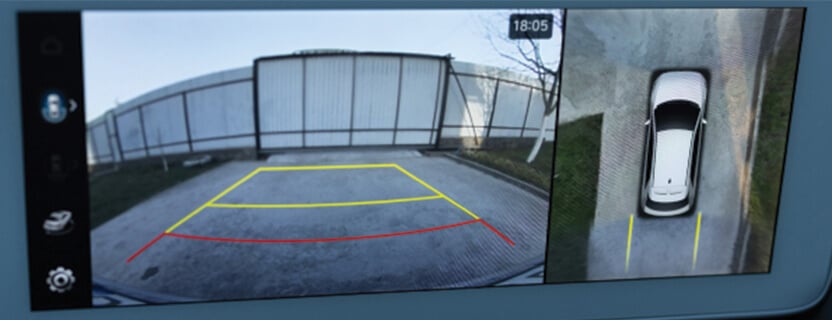
Have you ever wished for eyes all around your car to spot every obstacle and make parking stress-free? That’s exactly what a car 360 camera offers.
But how does this clever system work to give you a complete view of your vehicle’s surroundings? Understanding this can change the way you drive and keep your car safer. Keep reading, and you’ll discover the smart technology behind the scenes that makes your driving experience easier and more confident.
Car 360 Camera Basics
A car 360 camera system helps drivers see all around their vehicle. It shows a bird’s-eye view to avoid blind spots.
This system uses several cameras to give a full picture of the car’s surroundings. It makes parking and driving safer.
What Is A 360 Camera System
A 360 camera system combines images from multiple cameras on the car. It creates a single view showing the area around the vehicle.
The system helps drivers spot obstacles and other cars. It is useful in tight spaces and busy streets.
Core Components
The system has several key parts that work together to create the 360 view.
- Cameras:Usually four, placed on the front, rear, and sides of the car.
- Control Unit:Processes images from cameras and stitches them into one view.
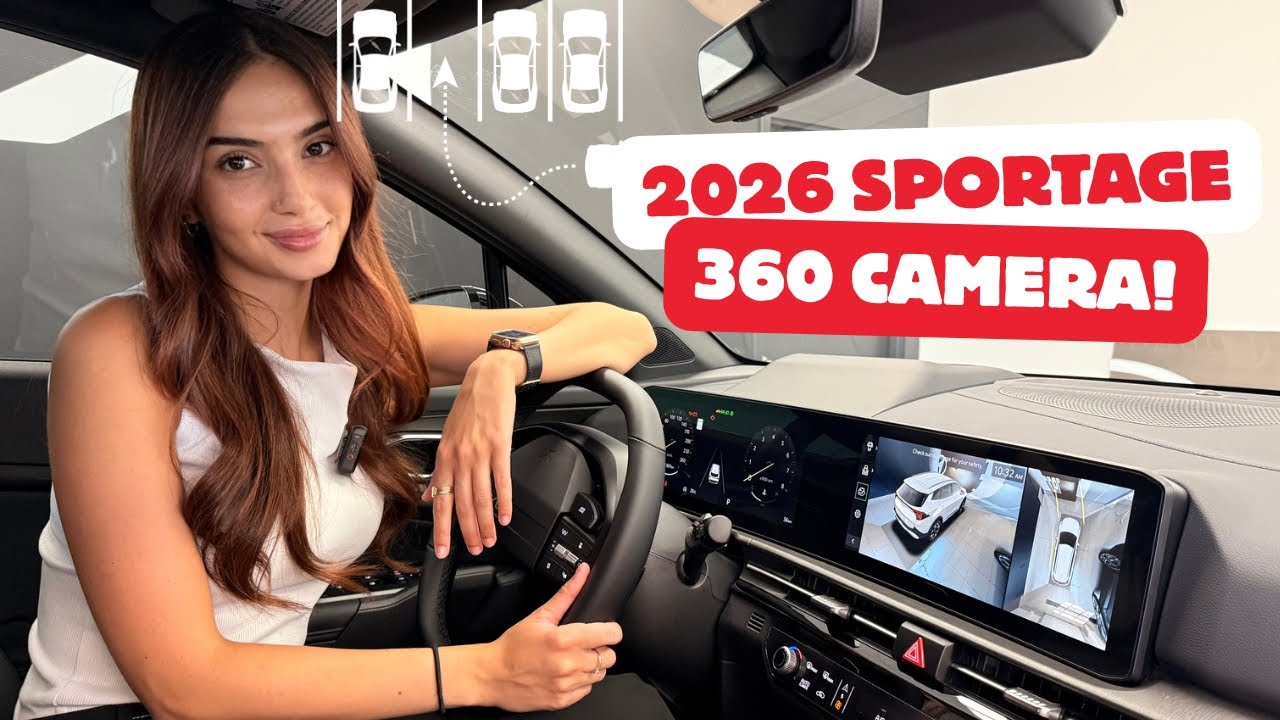
- Display Screen:Shows the combined image to the driver inside the car.
- Sensors:May help adjust the view based on the car’s movement.
Types Of 360 Cameras
| Type | Description | Use Case |
| Wired 360 Cameras | Connected by cables to the control unit. | Common in factory-installed systems. |
| Wireless 360 Cameras | Send video signals without wires. | Easy to install in aftermarket setups. |
| Fish-eye Cameras | Have wide-angle lenses to capture more area. | Used to cover blind spots on sides and rear. |
| Standard Lens Cameras | Capture normal field of view. | Used mainly at front and rear for clear distance views. |
Credit: www.youtube.com
How 360 Cameras Capture Images
Car 360 cameras help drivers see all around their vehicle. They use many small cameras to create one big view.
This technology makes parking and driving safer by showing blind spots and close objects.
Camera Placement Around The Vehicle
Cameras are placed in key spots on the car to get full coverage. Common spots include the front, back, and side mirrors.
- Front grille or bumper
- Rear trunk or bumper
- Side mirrors or doors
- Underneath the rearview mirror inside the car
Each camera captures a part of the surroundings, which helps build a full 360-degree image.
Image Stitching Technology
The system combines images from all cameras to make one clear picture. This process is called image stitching.
| Stage | Description |
| Image Capture | Each camera takes a photo of its area. |
| Alignment | Images are matched at the edges to line up correctly. |
| Blending | Colors and brightness are adjusted to look smooth. |
| Output | Final stitched image shows a full view around the car. |
Real-time Video Processing
The car processes video from all cameras fast to show live views. This helps the driver see objects right away.
Real-time processing includes:
- Capturing video streams from each camera
- Stitching video frames continuously
- Removing distortion to show clear images
- Displaying the combined video on the car’s screen
Integration With Vehicle Systems
A car 360 camera system works by joining multiple cameras around the vehicle. These cameras link with different vehicle systems to give the driver a full view. This integration improves safety and ease of driving.
Understanding how these systems connect helps explain the camera’s usefulness. It also shows how technology inside the car works together for better results.
Connection To Infotainment Screens
The 360 camera feeds live video to the car’s infotainment screen. This screen acts as a central point for viewing all camera angles. Drivers can see the surroundings in real time, making parking and maneuvering easier.
- Cameras send video signals to the vehicle’s main computer.
- The computer processes the images and stitches them into one view.
- The combined view shows on the infotainment screen.
- Drivers can switch between different camera views using the screen.
Sensor Fusion And Alerts
The 360 camera works with other sensors like radar and ultrasonic sensors. This mix is called sensor fusion. It helps the system detect objects and warn the driver.
| Sensor Type | Function | Alert Example |
| Camera | Visual detection | Shows obstacles on screen |
| Radar | Distance measurement | Warns about close objects |
| Ultrasonic | Near object detection | Alerts during parking |
Compatibility With Parking Aids
Many 360 camera systems connect with parking aids. These aids include parking sensors and automatic parking systems. The camera gives visual help, and the sensors give audio or haptic alerts.
- The camera view helps drivers see parking lines and obstacles.
- Parking sensors beep or vibrate to warn about nearby objects.
- Automatic parking systems use camera data to steer the car safely.
- The combined system reduces parking errors and damage risk.
Enhancing Safety With 360 Cameras
Car 360 cameras provide a complete view around the vehicle. They help drivers see areas that are normally hidden. These cameras improve safety on the road.
By using multiple cameras, the system creates a bird’s eye view. This helps drivers make better decisions while driving and parking.
Blind Spot Elimination
Blind spots are areas around the car that the driver cannot see. A 360 camera covers these spots with wide-angle lenses. This reduces the risk of accidents during lane changes or turns.
- Shows real-time views of all sides
- Alerts driver to nearby vehicles
- Helps avoid collisions with other cars or objects
Assisting In Tight Maneuvers
Parking in small spaces can be difficult. The 360 camera shows a full view of the surroundings. This helps drivers park safely and avoid hitting obstacles.
| Feature | Benefit |
| 360-degree view | See all angles around the vehicle |
| Distance markers | Judge how close obstacles are |
| Guidance lines | Help steer into tight spots |
Improving Night And Low-light Visibility
Driving at night or in poor light is risky. 360 cameras use infrared or low-light sensors. This helps the driver see better in dark conditions.
- Enhances vision around the car
- Detects pedestrians or animals near the vehicle
- Supports safer driving after dark
Limitations And Challenges
Car 360 cameras give drivers a wide view around the vehicle. They help with parking and safety. Still, these systems have limits and face challenges.
Understanding these issues helps drivers use the cameras better and avoid mistakes.
Weather And Lighting Impact
Bad weather can reduce the camera’s performance. Rain, snow, fog, and dirt can blur the lenses. Bright sunlight or shadows can hide objects or create glare.
- Rain or snow on lenses blocks clear views.
- Fog reduces the camera’s visibility range.
- Strong sunlight may cause glare and reflections.
- Dark or low light conditions lower image quality.
Image Distortion And Blind Spots
360 cameras use wide-angle lenses, which can distort images. This distortion can make objects look farther or closer than they are. Some areas around the car still stay out of view.
| Issue | Description |
| Image Distortion | Wide lenses bend edges, changing object shapes. |
| Blind Spots | Small areas may remain unseen by cameras. |
| Depth Perception | Hard to judge distances accurately on screen. |
Maintenance And Calibration
Car cameras need care to work well. Dirt and damage lower image quality. Calibration must be correct so cameras align with the car’s position.
Maintenance tips include:
- Clean lenses often to remove dirt and water spots.
- Check for cracks or damage on camera covers.
- Have professionals calibrate cameras after repairs or upgrades.
- Update camera software when available for best results.

Credit: www.ebay.com
Future Trends In 360 Camera Tech
Car 360 cameras are improving fast. New trends will make them smarter and clearer. These changes help drivers see better and stay safer.
We will look at three big trends. These are AI and machine learning, higher resolution and wider angles, and better augmented reality displays.
Ai And Machine Learning Integration
AI helps the camera understand what it sees. It can recognize objects like cars, people, and signs. This makes parking and driving easier.
Machine learning lets the camera get better over time. It learns from many driving situations. This helps reduce blind spots and alert drivers to dangers.
- Detects moving and stationary objects
- Improves image clarity in different light
- Alerts drivers to potential hazards
Higher Resolution And Wider Angles
Future cameras will have sharper images with more detail. Higher resolution helps drivers see small objects clearly. This improves safety in tight spaces.
Wider angles give a bigger view around the car. This reduces blind spots and helps with parking. Drivers get a full picture of their surroundings.
- Sharper images for better object detection
- Expanded field of view around the vehicle
- Clearer images in low light and bad weather
Advances In Augmented Reality Displays
Augmented reality (AR) shows camera views on the car’s display. New AR tech will overlay helpful info like distance and directions. This helps drivers make quick decisions.
AR displays will blend real and camera images smoothly. This makes it easier to see obstacles and plan movements. It will improve the driver’s awareness on the road.
- Overlays distance markers on camera feed
- Shows safe parking lines and alerts
- Combines real and digital views clearly

Credit: www.youtube.com
Frequently Asked Questions
What Is A Car 360 Camera System?
A car 360 camera system uses multiple cameras around the vehicle. It creates a seamless, bird’s-eye view to help drivers park and navigate safely.
How Do 360 Cameras Improve Parking Safety?
360 cameras provide a complete view of surroundings. This helps drivers avoid obstacles and reduces blind spots during parking maneuvers.
What Technology Powers A Car 360 Camera?
Car 360 cameras use wide-angle lenses and image stitching software. This combines images from multiple cameras into one panoramic view.
Can A 360 Camera Work In Low Light?
Yes, many 360 cameras have night vision or low-light sensors. They enhance visibility in dark or poorly lit environments.
Conclusion
A car 360 camera offers a clear view all around your vehicle. It helps in parking and navigating tight spots. This system uses multiple cameras to stitch together a full image. Drivers can see obstacles easily on their screen. Safety improves as blind spots reduce.
Many cars now include this technology. It’s a useful feature for everyone. Understanding its workings makes driving easier. More confidence on the road. Fewer accidents. Peace of mind. Consider a car with a 360 camera for safer journeys.