Are you struggling to get your bait to the right spot when fishing? Knowing where to place weights on your fishing line can make all the difference between a quiet day and a successful catch.
The right weight placement helps your lure sink properly, stay stable in the water, and reach those hard-to-get fish. You’ll discover simple tips and tricks to position your weights perfectly, so you can fish smarter and catch more. Keep reading to learn how a small change in your setup can lead to bigger, better results.

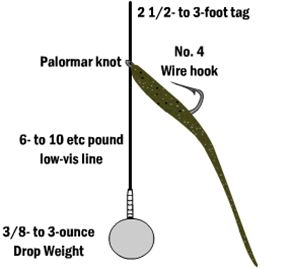
Credit: mysterytacklebox.com
Choosing The Right Weights
Picking the right weights for your fishing line helps you fish better. It controls how your bait moves and where it goes in the water.
Using the correct weight also keeps your line steady. This makes it easier to catch fish without scaring them away.
Types Of Fishing Weights
There are many types of fishing weights. Each type works best in different fishing spots and conditions.
- Split Shot:Small round weights that clip onto your line. Good for light fishing.
- Egg Sinkers:Oval-shaped weights with a hole. They let your bait move naturally.
- Pyramid Sinkers:Weights shaped like a pyramid. Best for sandy or rocky bottoms.
- Bank Sinkers:Large weights with a swivel hole. Useful for strong currents.
- Bullet Weights:Shaped like a bullet. Popular for fishing with soft plastic baits.
Weight Sizes And Their Uses
Weight sizes vary from very light to very heavy. Choosing the right size depends on water depth, current, and fish type.
| Weight Size (oz) | Use |
| 1/16 – 1/8 | Light fishing in calm water or small streams |
| 1/4 – 1/2 | Moderate depth with some current |
| 3/4 – 1 | Deeper water or stronger currents |
| 1 1/2 and above | Very deep water or strong river flows |
Factors Influencing Weight Placement
Placing weights on a fishing line affects how the bait moves and sinks. Knowing where to put weights helps catch more fish. Several factors guide this choice.
This guide looks at key points to consider when placing weights on your fishing line.
Fishing Environment Conditions
The type of water and weather affect weight placement. Fast currents need heavier or closer weights. Calm water allows weights to be spread out or lighter.
- In rivers, place weights closer to bait to hold position
- In lakes, weights can be farther from bait for natural movement
- Strong wind may require heavier weights to keep the line steady
- Clear water may need lighter weights for subtle bait action
Target Fish Species
Different fish react to bait movement in unique ways. Place weights based on fish habits and feeding zones.
| Fish Species | Weight Placement | Reason |
| Trout | Close to bait | Prefers natural, slow bait movement |
| Bass | Farther from bait | Likes bait with more action and movement |
| Catfish | Heavy weight near hook | Bottom feeders need bait near the riverbed |
| Panfish | Light weight, spaced out | Feeds in shallow water and is sensitive to heavy gear |
Line Type And Strength
The fishing line’s material and thickness affect weight choice. Stronger lines can hold heavier weights placed farther from bait. Thin lines need lighter weights.
- Monofilament lines stretch more and handle heavier weights well
- Fluorocarbon lines are less visible and work best with lighter weights
- Braided lines have no stretch and need careful weight placement to avoid line damage
Common Weight Placement Techniques
Placing weights on a fishing line helps control bait depth and casting distance. Different techniques work better with certain fishing styles.
This guide covers three common ways to place weights: split shot, sliding sinker, and Carolina rig. Each has unique uses and setups.
Split Shot Placement
Split shot weights are small and clip directly onto the line. They add just enough weight to sink the bait without scaring fish.
- Place the split shot about 12 to 18 inches above the hook.
- This distance lets the bait move naturally in the water.
- Use more split shots if you need to cast farther or fish in deeper water.
- Pinch the weight firmly but avoid damaging the line.
Sliding Sinker Setup
Sliding sinkers move freely on the line, allowing fish to bite without feeling the weight. This setup is good for bottom fishing.
| Component | Position | Purpose |
|---|---|---|
| Sinker | Above the swivel | Slides on the line to detect bites |
| Swivel | Between sinker and leader | Prevents line twist |
| Leader | Below swivel to hook | Holds bait away from weight |
Carolina Rig Positioning
The Carolina rig places weight to let the bait float just above the bottom. It works well for catching fish hiding near structures.
- Slide a bullet-shaped weight onto the main line.
- Place a bead between the weight and a swivel to protect the knot.
- Attach a leader line from the swivel to the hook and bait.
- Keep the leader length between 12 and 24 inches for better bait movement.

Credit: www.reddit.com
Tips For Effective Weight Placement
Placing weights on a fishing line helps control how the bait moves in water. Good placement improves fishing success.
Knowing where to put weights keeps the line steady and makes casting easier. It also protects the line from damage.
Balancing Sensitivity And Casting Distance
Put weights close to the bait to feel bites better. This keeps the line sensitive to fish movements.
Move weights farther from the bait to cast longer distances. But this reduces how well you feel the bite.
- Weights near bait improve bite detection
- Weights farther from bait increase casting range
- Find a spot that balances both needs
Avoiding Line Damage
Place weights carefully to stop them from cutting or weakening the fishing line. Use soft knots and protect the line.
Keep weights from sliding too much. Sliding can cause friction and wear on the line, leading to breaks.
- Use rubber or plastic sleeves to cushion weights
- Tie knots to keep weights in place
- Check line often for wear or damage
Adjusting Weights For Current And Depth
Heavier weights help when fishing in strong currents. They keep the bait from drifting away too fast.
Lighter weights work well for shallow water or slow currents. They let the bait move naturally in the water.
- Use heavy weights for deep water or fast currents
- Use light weights for shallow water or calm currents
- Change weight size to reach different depths
Troubleshooting Weight Placement Issues
Placing weights on a fishing line can be tricky. Incorrect weight placement causes problems with casting and bait presentation.
This guide helps fix common weight placement problems. Use these tips to improve your fishing experience.
Line Tangling Solutions
Tangled lines often happen when weights are too close to the bait or hook. This can cause knots and loops during casting.
- Move the weight farther from the hook to reduce tangles.
- Use smaller weights to lessen line twisting.
- Check that the line is not twisted before casting.
- Practice smooth, steady casting motions.
Improving Bait Presentation
Weight placement changes how the bait moves in water. The right spot helps the bait look natural and attractive to fish.
| Weight Position | Effect on Bait |
| Close to Hook | Makes bait sink fast, less natural |
| Far from Hook | Allows bait to move freely, looks natural |
| Evenly Spaced | Balances bait, good for slow drift |
Adapting To Changing Water Conditions
Water depth and flow change how weights work. Adjust placement to keep bait in the strike zone longer.
Try these tips:
- Use heavier weights in fast currents to hold the line steady.
- Place weights closer to the bait in deep water for better control.
- Move weights farther from the bait in shallow water to improve movement.

Credit: www.reddit.com
Frequently Asked Questions
Where Should I Place Weights On My Fishing Line?
Place weights 12 to 18 inches above the hook for better casting and bait presentation. This position helps the bait sink naturally and improves sensitivity to bites.
How Do Weights Affect Fishing Line Casting Distance?
Weights add mass to the line, allowing longer and more accurate casts. Proper placement balances weight distribution, preventing tangles and improving casting control.
Can I Put Weights Directly On The Hook?
It’s best to avoid placing weights directly on the hook. Positioning weights above the hook preserves bait movement and reduces fish suspicion.
What Is The Best Weight Placement For Bottom Fishing?
Attach weights 6 to 12 inches above the hook when bottom fishing. This keeps bait near the bottom while allowing natural movement.
Conclusion
Choosing the right spot for weights boosts your fishing success. Balanced placement helps your bait move naturally in the water. Always consider water conditions and fish behavior. Experiment with weight positions for best results. Adjust as needed for different fishing spots.
Proper weight placement makes your fishing trip more enjoyable. Remember, practice improves your skills over time. Keep learning and trying new techniques. Enjoy the process and appreciate the moments spent fishing. Happy fishing!