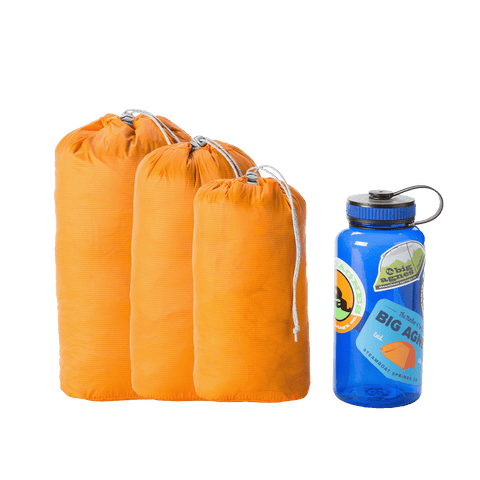
Choosing the right size stuff sack for your sleeping bag might seem simple, but it can make a big difference in your comfort and convenience. If your sack is too small, you’ll struggle to pack your bag properly.
Too big, and you’ll carry unnecessary weight and bulk. You want something that fits just right, making your gear easy to carry and quick to set up. Keep reading, and you’ll learn exactly how to pick the perfect stuff sack size for your sleeping bag—so your next adventure starts smoothly from the moment you pack.
Choosing Stuff Sack Size
Picking the right size stuff sack for your sleeping bag is important. It keeps your bag safe and easy to carry.
Too big or too small sacks can cause problems. This guide helps you find the best size for your needs.
Why Size Matters
The right stuff sack size protects your sleeping bag from damage. It also saves space in your backpack.
A sack that is too small can compress the insulation and reduce warmth. A sack that is too large takes extra room.
- Proper size keeps insulation fluffy
- Saves backpack space
- Makes packing easier
- Protects sleeping bag material
Types Of Stuff Sacks
Stuff sacks come in different types. Each type fits different sleeping bags and uses.
Choosing the right type helps with packing and protection. Some sacks compress your bag while others just store it.
- Standard Stuff Sack:Basic sack for storage and carrying.
- Compression Sack:Has straps to make sleeping bag smaller.
- Mesh Stuff Sack:Breathable for drying and airing out.
- Waterproof Stuff Sack:Keeps your bag dry in wet conditions.
Measuring Your Sleeping Bag
Choosing the right size stuff sack helps protect your sleeping bag. Measuring your sleeping bag before buying a sack is important.
This guide explains how to measure your sleeping bag for the best fit. You will learn about packed dimensions and bag shape.
Checking Packed Dimensions
Check the size of your sleeping bag when it is packed tightly. This gives a clear idea of how big the stuff sack needs to be.
Use a tape measure to find the length, width, and height of the compressed sleeping bag. Write down these numbers for reference.
- Length: measure from one end to the other
- Width: measure the widest part of the bag
- Height: measure the thickness of the packed bag
Considering Bag Shape
Sleeping bags come in different shapes like rectangular or mummy. The shape affects how the bag fits inside the stuff sack.
Choose a stuff sack that matches your sleeping bag shape. This helps you pack the bag easily and saves space.
- Rectangular bags need wider sacks
- Mummy bags fit better in narrower sacks
- Check if the sack shape allows easy compression
Stuff Sack Materials
Choosing the right stuff sack material helps protect your sleeping bag. Different fabrics offer a mix of weight, strength, and water resistance. Knowing these materials lets you pick the best sack for your needs.
Stuff sacks come in many materials. Some focus on saving weight, while others focus on lasting through tough trips. Below are details on lightweight options and durability factors to consider.
Lightweight Options
Lightweight stuff sacks make your pack easier to carry. They use thin fabrics that weigh less but still protect your bag from dirt and light moisture.
- Ripstop nylon is light and resists small tears.
- Silnylon is nylon coated with silicone for water resistance and strength.
- Dyneema Composite Fabric (DCF) is extremely light and strong but costs more.
- Silk sacks are very light but offer minimal protection.
Durability Factors
Durability means the sack lasts through many trips. It should resist tears, holes, and wear from rough surfaces. Stronger materials add weight but protect your sleeping bag better.
| Material | Strength | Water Resistance | Weight |
|---|---|---|---|
| Ripstop Nylon | Good | Moderate | Light |
| Silnylon | Very Good | High | Light to Medium |
| Dyneema Composite Fabric | Excellent | High | Very Light |
| Polyester | Good | Low to Moderate | Medium |
Compression Vs Standard Sacks
Choosing the right stuff sack for your sleeping bag is important. It affects how much space your gear takes up. Compression sacks and standard sacks serve different purposes.
Compression sacks reduce the size of your sleeping bag by squeezing out air. Standard sacks keep the bag loose and protect it from dirt and moisture.
Benefits Of Compression Sacks
Compression sacks make your sleeping bag smaller. They use straps to tighten and remove extra air. This helps save space in your backpack.
- Reduce bulk for easier packing
- Allow more gear to fit in your bag
- Help keep your sleeping bag dry and clean
- Make carrying your bag more comfortable
When To Use Standard Sacks
Standard sacks hold the sleeping bag without squeezing it. This keeps the insulation fluffed and working well. Use these sacks when you want to protect the bag for longer times.
| Use Case | Reason |
|---|---|
| Storage at home | Keeps insulation full and prevents damage |
| Short trips or car camping | Easy to pack and unpack without compressing |
| Protecting delicate sleeping bags | Prevents permanent compression of materials |
| When weight is not a concern | Allows the bag to keep its loft and warmth |
Matching Sack To Activity
Choosing the right size stuff sack for your sleeping bag depends on your outdoor activity. The sack size affects how easy it is to carry and store your sleeping bag.
Different activities need different sack sizes. A good match keeps your gear compact and ready for your trip.
Backpacking Needs
Backpackers need a small, lightweight stuff sack. It should compress the sleeping bag well to save space in the pack.
A smaller sack helps reduce bulk and weight. This makes hiking easier and more comfortable for long distances.
- Look for compression sacks with straps
- Choose a size just big enough for your sleeping bag
- Keep weight under control
- Ensure the sack fits inside your backpack
Car Camping Preferences
Car campers can use larger stuff sacks. Space and weight are less of a concern when you drive to camp.
A bigger sack allows for easier packing and unpacking. It also helps keep the sleeping bag clean and protected.
- Choose roomy sacks for quick packing
- Focus on durability and protection
- Larger sacks make organizing gear simple
- Weight is less important than in backpacking

Credit: www.amazon.com
Stuff Sack Features To Consider
Choosing the right stuff sack for your sleeping bag helps keep it safe and easy to carry. A good stuff sack fits your sleeping bag size and has useful features. These features make packing and unpacking faster and more organized.
Focus on the closure type and extra pockets to find a sack that suits your needs. These details can improve your camping or hiking experience.
Closure Types
The closure type affects how secure and easy to use the stuff sack is. Some closures keep your sleeping bag tight, while others allow quick access. Choose a closure that fits your style of packing.
- Drawstring:Simple and common. Pull the string to close the sack.
- Roll-top:Roll the opening and clip it shut. Keeps water out better.
- Zipper:Easy to open and close but may add weight.
- Compression straps:Help reduce the sack size by tightening it.
Additional Pockets
Extra pockets add storage for small items like gloves or a headlamp. These pockets keep your gear organized and easy to find without opening the main sack.
- Side pockets for quick access items
- Mesh pockets for ventilation and visibility
- Water-resistant pockets to protect electronics
- Internal pockets to separate clean and dirty items
Tips For Packing Efficiently
Packing a sleeping bag can be tricky if you want to save space. Choosing the right size stuff sack helps a lot.
Using good packing tips lets you carry less bulk and fit your gear better.
Rolling Vs Stuffing
Rolling your sleeping bag makes it neat and tight. This helps keep it flat but may take more space.
Stuffing the sleeping bag into the sack keeps air trapped in the insulation. This keeps it warm and fluffy.
- Rolling is easier to unpack and repack.
- Stuffing saves more space inside the sack.
- Stuffing protects insulation better than rolling.
- Rolling can damage insulation if done too tightly.
Maximizing Space
Pick a stuff sack that fits your sleeping bag well. Too big and it wastes room; too small and it’s hard to pack.
Compress your sleeping bag with straps or a compression sack to reduce volume. This helps fit more gear in your pack.
- Use a compression sack to press out air.
- Fill gaps in your backpack with small items.
- Pack the sleeping bag at the bottom for balance.
- Keep your stuff sack dry to avoid added weight.

Credit: www.marmot.com
Credit: eu.bigagnes.com
Frequently Asked Questions
What Size Stuff Sack Fits A Sleeping Bag?
Choose a stuff sack slightly larger than your sleeping bag’s compressed size. This ensures easy packing and protection. Check your sleeping bag’s specifications for exact dimensions. A proper fit avoids unnecessary bulk and keeps your gear organized.
How To Choose The Right Stuff Sack Size?
Measure your sleeping bag when compressed. Pick a stuff sack with a bit more capacity to allow easy packing. Avoid sacks that are too small, which can damage insulation. Prioritize lightweight, durable materials for convenience and protection.
Can A Stuff Sack Affect Sleeping Bag Insulation?
Yes, over-compressing in a small sack can harm insulation. Use a correctly sized stuff sack to maintain loft. Proper storage preserves warmth and extends your sleeping bag’s lifespan. Avoid tight packing to keep insulation effective.
Should I Buy A Compression Or Regular Stuff Sack?
Compression sacks save space by reducing volume with straps. Regular sacks offer simple storage without compression. Choose based on backpack space and trip length. Both protect your sleeping bag, but compression sacks maximize packing efficiency.
Conclusion
Choosing the right stuff sack matters for comfort and space. A snug fit keeps the sleeping bag compact. This saves room in your backpack. Always check the sleeping bag’s size before buying a sack. Fabric type affects durability and weight.
Lightweight sacks are great for hiking. Durable ones last longer. Consider weather conditions. Waterproof sacks protect against rain. A well-chosen sack adds convenience to your trips. Packing smartly can make all the difference. Happy camping!