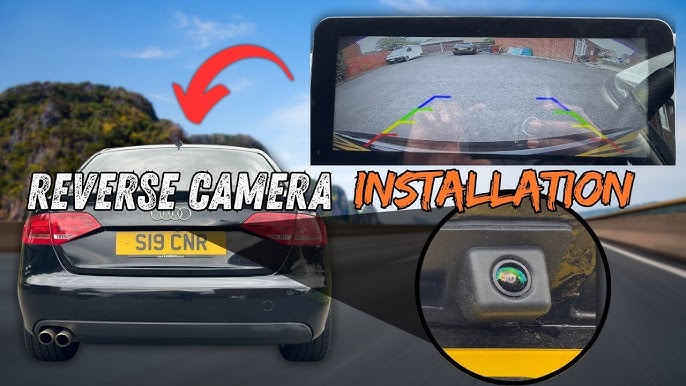
Have you ever struggled to park your car or worried about unseen obstacles while reversing? Adding a reverse camera to your vehicle can change all that.
It makes backing up safer and easier, giving you a clear view of what’s behind you. But can you get a reverse camera on your car? The answer might be simpler than you think. You’ll discover how to upgrade your car with this handy feature, what options are available, and how it can improve your driving experience.
Keep reading to find out everything you need to know before making your move.
Benefits Of A Reverse Camera
Reverse cameras help drivers see behind their cars. They add safety and ease when parking or reversing.
Many cars now offer this feature to improve driving experience and prevent accidents.
Improved Parking Safety
Reverse cameras reduce blind spots while parking. They help drivers avoid hitting objects or other cars.
- Show clear view of rear area
- Help judge distance to obstacles
- Assist in tight parking spaces
- Reduce stress during parking
Enhanced Rear Visibility
These cameras provide a wider and clearer view behind the vehicle than mirrors alone.
| Feature | Benefit |
| Wide-angle lens | See more area behind car |
| Night vision | Better visibility in dark |
| Real-time video | Instant view of rear surroundings |
Accident Prevention
Reverse cameras help prevent accidents by alerting drivers to obstacles or pedestrians.
- Detect children or pets behind the car
- Warn about low walls or poles
- Lower chance of backing into traffic
- Support safer driving in busy areas

Credit: www.youtube.com
Types Of Reverse Cameras
Reverse cameras help drivers see what is behind their cars. They increase safety and make parking easier.
There are different types of reverse cameras. Each type fits different needs and car setups.
Wired Vs Wireless Options
Wired cameras connect to the car’s screen with cables. They often provide a steady and clear video signal.
Wireless cameras send the video signal without cables. They are easier to install but may have signal issues.
- Wired:Stable connection, needs running cables
- Wireless:Simple install, may face interference
Dashboard Vs Mirror Displays
Dashboard displays are separate screens placed on the car’s dashboard. They show the camera feed clearly in front of the driver.
Mirror displays replace or add to the rearview mirror. They show the camera image on the mirror glass or a small screen inside it.
- Dashboard Displays:Larger screen, easy to see
- Mirror Displays:Saves space, combines mirror and screen
Integrated Vs Aftermarket Cameras
Integrated cameras come built into the car. They match the car’s design and connect directly to the system.
Aftermarket cameras are added after buying the car. They can be installed on many vehicles but may look less tidy.
- Integrated Cameras:Factory-installed, seamless look
- Aftermarket Cameras:Added later, flexible options
Compatibility With Your Car
Adding a reverse camera to your car can improve safety and convenience. It is important to check if your vehicle supports this upgrade.
Some cars are easier to fit with a reverse camera than others. You need to know your car’s features before buying one.
Checking Vehicle Make And Model
Not all cars have the same wiring or space for a reverse camera. Some models come ready for it, while others do not.
- Look up your car’s year, make, and model.
- Check the owner’s manual for camera compatibility.
- Search online forums for your specific car model.
- See if your car has a factory screen or display.
- Identify if there is a rear wiring harness near the license plate.
Assessing Existing Technology
Your car might already have some technology that helps install a reverse camera. Knowing this can save time and money.
| Feature | Presence | Notes |
| Factory Screen | Yes/No | Needed for video display |
| Reverse Light Wiring | Yes/No | Power source for camera |
| Parking Sensors | Yes/No | May integrate with camera system |
| Bluetooth or Wi-Fi | Yes/No | Supports wireless cameras |
Consulting Professional Advice
Experts can help you find the right camera for your car. They know about wiring and installation challenges.
- Is my car compatible with a reverse camera?
- What type of camera fits best?
- Can the camera connect to my existing screen?
- Will installation affect my car’s warranty?
- How long does installation take?
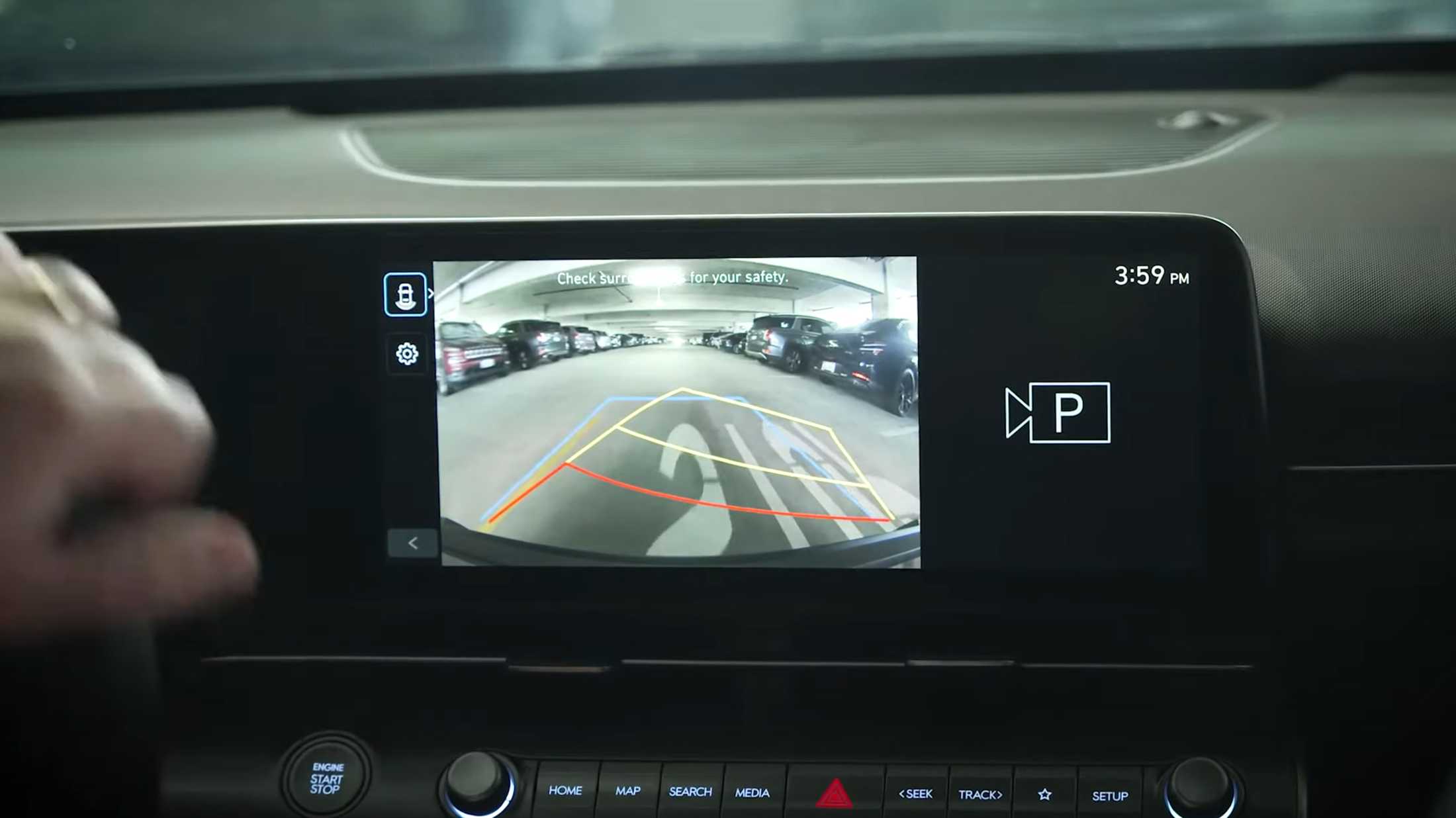
Credit: www.pocket-lint.com
Installation Methods
Adding a reverse camera to your car can improve safety and parking ease. There are different ways to install it depending on your skills and tools.
Some people choose to do the installation themselves, while others prefer professional help. This guide covers the main installation methods.
Diy Installation Steps
Installing a reverse camera yourself can save money. Follow these steps carefully to ensure proper setup.
- Choose a camera that fits your car model.
- Find a good spot near the rear license plate for the camera.
- Connect the camera power wires to the car’s reverse light circuit.
- Run the video cable from the camera to the dashboard display.
- Mount the display screen inside the car, where you can see it clearly.
- Test the camera by putting the car in reverse gear.
Tools And Materials Needed
You need some basic tools and materials to install a reverse camera correctly. Prepare these before you start.
- Reverse camera kit with cables and display
- Screwdriver set for removing panels and screws
- Wire stripper and electrical tape
- Power drill for mounting the camera
- Zip ties to secure cables
- Multimeter to check electrical connections
When To Seek Professional Help
If you feel unsure about working with car wiring, hire a professional. Incorrect installation can cause damage or safety issues.
Professional installers have the right tools and experience. They can also help if your car has a complex electrical system.
- Unfamiliar with car electrical wiring
- Difficulty routing cables inside the car
- Need integration with factory display screens
- Want warranty or service support for installation
Cost Considerations
Adding a reverse camera to your car can improve safety and convenience. It is important to know the costs involved before making a choice.
Costs vary based on the type of camera and installation method. Understanding these costs helps you plan your budget well.
Price Range For Cameras
Reverse cameras come in many types and prices. Basic models are cheaper, while advanced ones cost more.
- Basic cameras: $20 to $50
- Mid-range cameras with better resolution: $50 to $100
- High-end cameras with extra features: $100 to $200+
Installation Fees
Installation costs depend on your car model and the installer. Some cars need extra work, raising the price.
Professional installation may cost between $50 and $150. DIY installation can lower this cost but needs skill.
- Simple plug-and-play systems: $50 to $80 installation
- Complex wiring and screen setup: $100 to $150 installation
- DIY installation: usually free but requires tools
Long-term Value
A reverse camera adds value by preventing accidents. It can save money on repairs and insurance claims.
The camera may also increase your car’s resale value. It is a useful feature that many buyers want.
- Reduces risk of backing accidents
- May lower insurance premiums
- Increases car resale appeal
- Improves driving confidence and safety
Additional Features To Consider
Adding a reverse camera to your car can improve safety and ease parking. Some cameras come with extra features to enhance your driving experience.
These features vary by model and price. Knowing what to look for helps you choose the right camera for your needs.
Night Vision Capabilities
Night vision helps you see clearly in low light or dark conditions. Cameras with infrared or LED lights improve visibility at night.
- Infrared LEDs provide clear images without glare.
- Some cameras adjust brightness automatically.
- Better night vision reduces the risk of accidents.
Wide-angle Lenses
Wide-angle lenses show a larger area behind your car. They reduce blind spots and make parking easier.
| Lens Type | Field of View | Benefit |
|---|---|---|
| Standard Lens | 120° to 140° | Good for basic rear view |
| Wide-Angle Lens | 150° to 180° | Shows more area, reduces blind spots |
Integration With Car Systems
Some reverse cameras connect with your car’s systems. This adds features like parking sensors and screen display controls.
Benefits of integration include:
- Automatic camera activation when reversing
- Display on the dashboard or rearview mirror
- Alerts from parking sensors shown on screen
Troubleshooting Common Issues
Installing a reverse camera in your car can improve safety. Sometimes, issues may occur with the camera system.
Understanding common problems helps you fix them quickly. This guide covers signal interference, image quality, and power supply issues.
Signal Interference
Signal interference can cause the camera image to flicker or disappear. This happens if other devices block the wireless signal.
Common sources of interference include radios, Wi-Fi routers, and other wireless devices near your car.
- Move wireless devices away from the car camera system
- Use shielded cables if your system is wired
- Check antenna connections for loose or damaged parts
Image Quality Problems
Blurry or dark images make it hard to see behind your car. Dirt, fog, or damage on the camera lens can reduce image quality.
Low light conditions may also affect the camera’s performance. Make sure the lens is clean and clear.
- Clean the camera lens with a soft cloth
- Check for scratches or cracks on the lens
- Adjust the camera angle for better view
- Ensure the camera has night vision or a light source
Power Supply Challenges
The reverse camera needs steady power to work well. Loose wires or a weak battery cause the camera to turn off or flicker.
Check the power connections and fuses to make sure the camera gets enough electricity.
- Inspect all wiring for loose or damaged connections
- Test the fuse linked to the camera system
- Use a multimeter to check voltage at the camera
- Replace weak car battery if needed

Credit: www.amazon.com
Frequently Asked Questions
Can I Install A Reverse Camera On Any Car Model?
Yes, most cars can have a reverse camera installed. Universal kits fit various models easily. Professional installation ensures correct wiring and display setup.
How Much Does A Reverse Camera Installation Cost?
Installation costs vary between $50 to $200. Price depends on camera quality and car type. DIY kits can reduce expenses but may require technical skills.
Does A Reverse Camera Improve Parking Safety?
Absolutely, reverse cameras provide a clear rear view. They reduce blind spots and help avoid collisions. This enhances overall parking safety significantly.
Will A Reverse Camera Work With My Car’s Existing Display?
Many reverse cameras connect to factory displays or aftermarket screens. Compatibility depends on car model and wiring. Some cameras come with separate monitors for easy use.
Conclusion
Choosing a reverse camera can enhance your driving experience. It boosts safety and confidence while parking. Many options fit various car models and budgets. Installation is often simple and quick. Check compatibility before purchasing. Professional installation ensures optimal performance. Consider features like night vision and wide-angle views.
These can improve visibility in different conditions. Reverse cameras are a worthwhile investment for every driver. They provide peace of mind on the road. Research your options and make an informed decision. Enjoy the added convenience and security. Drive with ease, knowing what’s behind you.