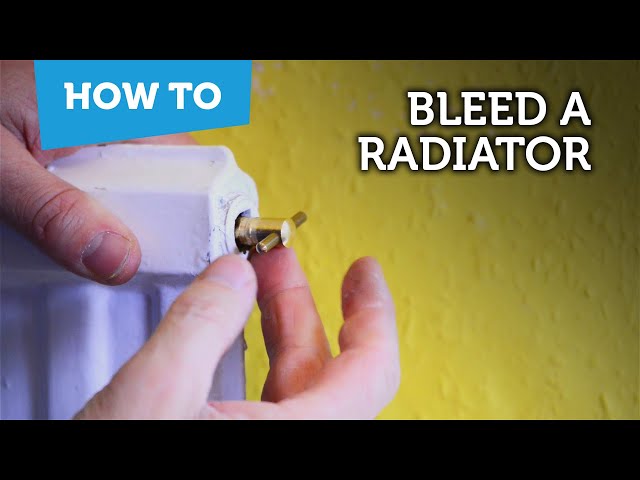
Is your heating system not warming your home like it used to? You might have trapped air inside the radiators, stopping heat from circulating properly.
Learning how to bleed your heating system is a simple fix that can save you money and keep your home cozy. In this guide, you’ll discover easy steps to get your heating working efficiently again. Keep reading, and you’ll be able to warm every corner of your home with confidence.
Credit: www.angi.com
Why Bleed A Heating System
Bleeding a heating system helps remove trapped air inside radiators. Air pockets stop hot water from circulating properly. This lowers heating efficiency and comfort.
Regular bleeding keeps your system working well. It prevents noises and cold spots in rooms. Knowing when and why to bleed is important for home comfort.
Signs Of Air In Radiators
Air in radiators causes several clear signs. Watch for these to know if bleeding is needed.
- Radiators feel warm at the bottom but cold at the top
- Unusual gurgling or banging noises coming from radiators
- Rooms take longer to heat up
- Uneven heat distribution between different radiators
- Visible air bubbles when the system is running
Benefits Of Bleeding
| Benefit | Explanation |
| Improved Heating Efficiency | Removes air pockets that block hot water flow |
| Reduced Noise | Stops gurgling and banging sounds in pipes |
| Lower Energy Bills | System uses less energy to heat your home |
| Longer System Life | Prevents corrosion and damage inside radiators |
| Comfortable Rooms | Ensures even heat distribution in all rooms |

Credit: www.reddit.com
Tools Needed For Bleeding
Bleeding a heating system removes trapped air to improve heating. You need the right tools to do this safely and well.
This guide covers the essential tools and safety gear you need for bleeding your heating system.
Essential Equipment
You need some basic tools to bleed your heating system. These tools help release air from radiators and pipes.
- Radiator key or bleed key to open valve
- Flathead screwdriver for some valves
- Cloth or small towel to catch drips
- Container to hold water from bleeding
- Adjustable wrench for tight valves
Having these tools ready makes the bleeding process easier and cleaner.
Safety Gear
Safety gear protects you from hot water and sharp parts. Always wear it during bleeding.
- Heat-resistant gloves to avoid burns
- Safety goggles to protect eyes from splashes
- Old clothes in case of spills
- Non-slip shoes to prevent falls
Wearing safety gear helps keep you safe while working on your heating system.
Preparing Your Heating System
Bleeding your heating system helps remove trapped air. This makes your radiators warm and efficient.
Before you start, prepare your heating system carefully. This ensures safety and better results.
Turn Off The Boiler
Switch off your boiler to stop the heating process. This prevents hot water from flowing while you bleed.
Turning off the boiler keeps the system cool and safe. Wait for the radiators to cool before you start.
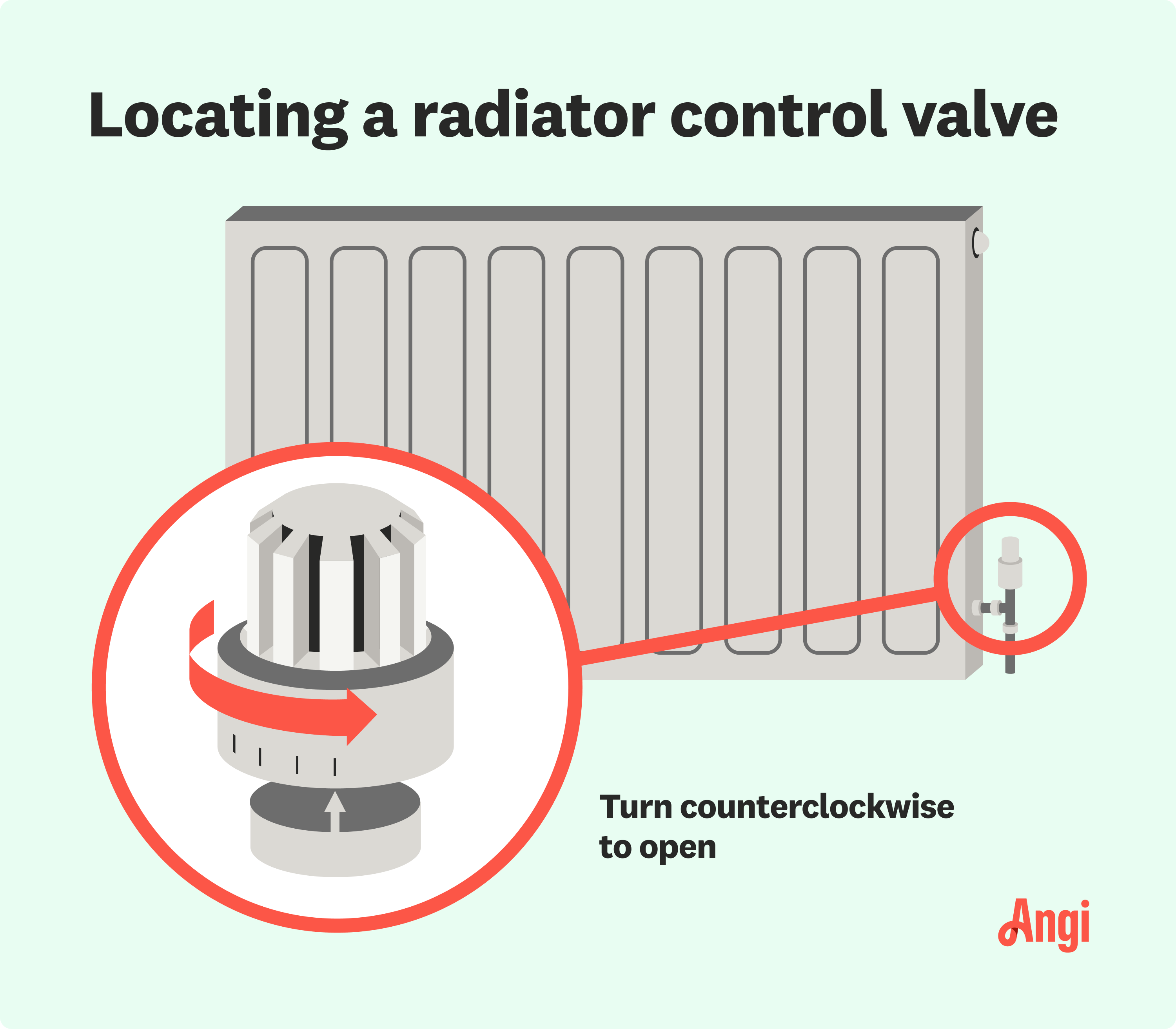
Locate Radiator Valves
Find the valves on your radiators. They usually sit at the bottom or the side of each radiator.
- The bleed valve is small and round, often with a square or slot-shaped hole.
- The lockshield valve controls water flow and is usually covered with a plastic cap.
- Use the bleed valve to release trapped air from the radiator.
Step-by-step Bleeding Process
Bleeding a heating system removes trapped air that stops radiators from heating well.
This guide shows how to bleed your system safely in three simple parts.
Opening The Valve
Find the bleed valve on your radiator, usually at the top corner. Use a radiator key or flat screwdriver to open it gently. Turn the valve counterclockwise until you hear air escaping.
Releasing Trapped Air
Air comes out first, followed by water. Wait until water flows steadily without sputtering. This shows all trapped air is out. Keep a cloth nearby to catch any water drips.
- Place a container or cloth under the valve.
- Turn the valve slowly to release air.
- Close the valve as soon as water appears.
Closing The Valve
Turn the valve clockwise to close it tightly but avoid overtightening. Check the radiator pressure gauge on your boiler. Top up water if the pressure is low to keep the system working well.
| Action | Details |
| Valve Position | Fully closed after bleeding |
| Pressure Check | Maintain between 1 and 2 bars |
| Water Top-up | Add water if pressure drops below 1 bar |
Checking System Pressure After Bleeding
Bleeding your heating system removes trapped air and helps it work better. After bleeding, checking the system pressure is very important. This ensures your system runs safely and efficiently.
If the pressure is too low or too high, your heating system may not heat well or could get damaged. Knowing how to check and adjust pressure keeps your system in good shape.
How To Monitor Pressure
Find the pressure gauge on your boiler or heating system. The gauge shows the water pressure inside the system. It usually has a needle pointing to numbers on a dial.
Check the pressure right after you finish bleeding the radiators. The ideal pressure is often marked in green on the gauge. This is usually between 1 and 2 bar, but check your boiler’s guide to be sure.
- Locate the pressure gauge on your boiler
- Look at the needle position on the dial
- Compare it to the recommended pressure range
- Note if the pressure is too low or too high
Adjusting Pressure Levels
If the pressure is too low, add water to the system using the filling loop. This raises the pressure to the proper level. Be careful not to add too much water.
If the pressure is too high, release some water by opening a valve or bleeding a radiator again. This lowers the pressure to a safe level.
- Use the filling loop to add water if pressure is below 1 bar
- Open a bleed valve or drain valve to lower pressure if above 2 bar
- Check the pressure gauge after each adjustment
- Stop when the needle points to the recommended range

Credit: www.angi.com
Common Problems And Solutions
Bleeding your heating system helps keep it working well. Air trapped inside can cause issues. Fixing these problems saves energy and money.
This guide covers three common problems: radiator not heating, leaking valves, and pressure drops. Each section offers easy solutions.
Radiator Not Heating
A cold radiator often means trapped air stops hot water flow. Bleeding the radiator removes this air. Use a radiator key to open the bleed valve slowly.
- Turn off the heating system first.
- Place a cloth under the bleed valve.
- Use a key to open the valve gently.
- Listen for air hissing out.
- Close the valve when water starts to drip.
- Turn the heating back on and check the radiator.
Leaking Valves
Leaking valves can waste water and reduce pressure. Tighten small leaks with a wrench. Replace damaged washers or seals if needed.
| Problem | Cause | Solution |
| Valve drips water | Loose valve nut | Tighten with wrench |
| Valve leaks after tightening | Worn washer or seal | Replace washer or seal |
| Valve body cracked | Old or damaged valve | Replace entire valve |
Pressure Drops
Pressure drops cause poor heating and can damage the system. Check for leaks and refill the system if needed. Use the filling loop to add water carefully.
- Turn off the heating and allow it to cool.
- Locate the filling loop under the boiler.
- Open the valve slowly to add water.
- Watch the pressure gauge until it reaches 1.5 bar.
- Close the valve tightly to avoid leaks.
- Turn the heating back on and check for stable pressure.
Maintenance Tips To Avoid Future Bleeding
Bleeding your heating system removes trapped air that stops radiators from heating well. Proper maintenance helps reduce how often you need to bleed it.
Follow these tips to keep your heating system running smoothly and avoid frequent bleeding.
Regular System Checks
Check your heating system regularly to spot issues early. Look for cold spots on radiators and listen for unusual noises.
- Inspect radiator valves for leaks or corrosion
- Feel radiators for uneven warmth
- Listen for gurgling sounds indicating trapped air
- Check system pressure and top up if too low
- Look for water leaks around pipes and joints
Professional Servicing
Hire a qualified technician to service your heating system each year. Professionals clean and test parts you might miss.
| Service Task | Why It Matters |
| Flush System | Removes sludge and debris that block pipes |
| Check Pump | Ensures water circulates efficiently |
| Test Pressure | Keeps system balanced to avoid air pockets |
| Inspect Valves | Prevents leaks and improves flow control |
Frequently Asked Questions
How Do I Know When To Bleed My Heating System?
You should bleed your heating system when radiators feel cold at the top. This indicates trapped air inside. Also, if your heating is noisy or uneven, it’s time to bleed the system for optimal warmth and efficiency.
What Tools Do I Need To Bleed A Heating System?
You need a radiator key, a cloth, and a container to catch water. A radiator key helps open the valve, while the cloth prevents spills. These simple tools ensure a safe and effective bleeding process.
Can I Bleed My Heating System Myself Safely?
Yes, you can safely bleed your heating system yourself. Turn off the heating and let radiators cool. Use a radiator key to release trapped air slowly. Follow instructions carefully to avoid leaks or damage.
How Often Should I Bleed My Heating System?
Bleed your heating system at least once a year, ideally before winter. If you notice cold spots or noises, bleed more frequently. Regular bleeding maintains heating efficiency and prevents system damage.
Conclusion
Bleeding your heating system keeps it working well and warms your home. Air trapped inside can cause cold spots and noise. Regular bleeding helps save energy and reduces repair costs. Take your time and follow the steps carefully. Soon, your radiators will heat evenly and quietly.
A little effort brings big comfort during cold days. Keep your system in good shape for long-lasting warmth. Simple care makes a big difference in your home’s comfort.