Are you unsure what air conditioner temperature is best for your comfort and energy bills? Setting your AC just right can make a huge difference in how cool and cozy your home feels—and how much you pay at the end of the month.
Too cold, and you waste energy; too warm, and you stay uncomfortable. You’ll discover the ideal temperature that keeps you comfortable without driving up costs. Keep reading to find the perfect balance for your home and your budget.
Ideal Temperature Range
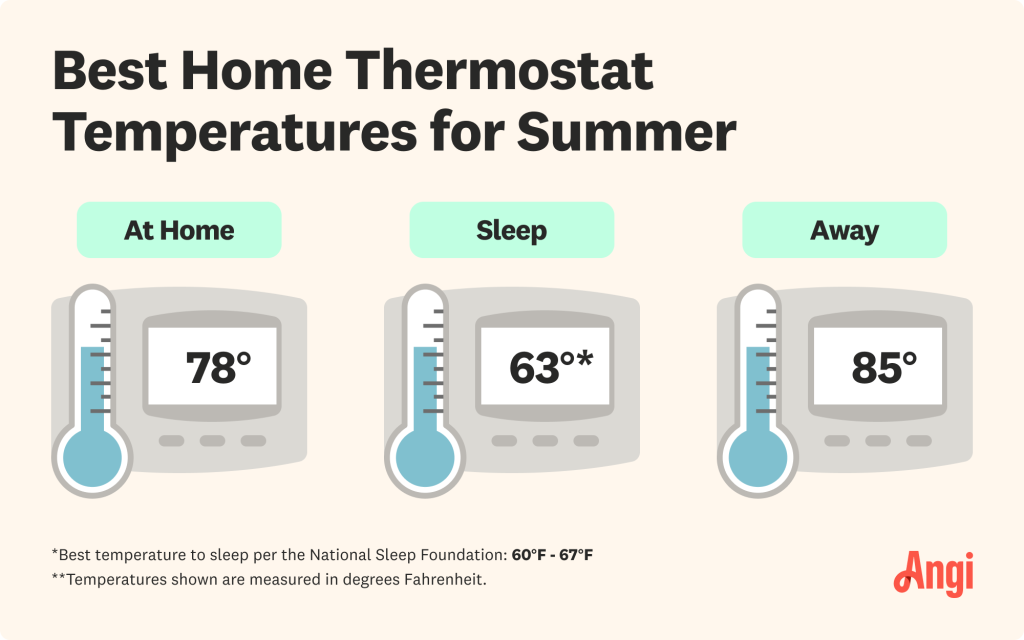
Setting the air conditioner to a comfortable temperaturehelps save energy and keeps you cool. During the day, a range between 72°F and 78°Fworks well for most people. This range balances comfort and energy use. It prevents the air from feeling too cold or too warm.
At night, adjusting the temperature slightly higher, around 78°F to 82°F, can improve sleep quality and save electricity. Cooler temperatures at night might cause discomfort or dry air. Warmer settings help the body rest better while still staying cool.
- Daytime:72°F to 78°F
- Nighttime:78°F to 82°F

Credit: www.healthkart.com
Factors Influencing Temperature Choice
The climategreatly affects the best air conditioner temperature. Hot and humid areas may need cooler settings. Cooler or dry climates might need less cooling.
Room size and insulationalso matter. Larger rooms or rooms with poor insulation need lower temperatures to stay cool. Small, well-insulated rooms can be comfortable at higher settings.
Everyone has different personal comfort levels. Some like it cooler, others warmer. Adjust the temperature to what feels best for you and your family. Balance comfort with energy savings for the best results.
Energy Efficiency Tips
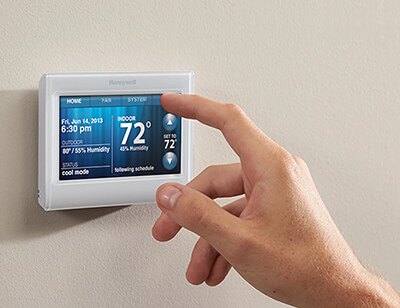
Setting your air conditioner’s thermostat to 78°F (25-26°C)saves energy while keeping rooms cool. Adjusting the temperature by a few degrees can reduce electricity use. Use a programmable thermostatto change settings automatically. This avoids running AC when no one is home. Smart thermostats learn your schedule and adjust temperatures for better comfort and savings.
Regular maintenancelike cleaning filters and checking ducts helps the AC work well. Dirty parts make the system use more power. Replace filters every 1-3 months to keep air clean and airflow strong. Check for leaks in ducts and seal them to avoid wasted cool air.
- Set thermostat at 78°F when home
- Raise temperature when away
- Use smart or programmable thermostats
- Clean or replace filters regularly
- Seal ducts to prevent air leaks
Credit: gulfshorecooling.com
Health Considerations
Avoiding overcoolinghelps prevent sickness. Too cold air can cause stiff muscles and dry skin. Set the air conditioner to a comfortable, moderate temperatureto protect health.
Good humidity controlstops air from becoming too dry or too wet. Dry air can irritate the throat and nose. Too much moisture can cause mold growth. Aim for 40-60% humidityinside your home.
Air qualityimproves with clean filters. Change or clean air filters often to remove dust and allergens. Fresh air reduces breathing problems and keeps the room healthy.
Seasonal Temperature Adjustments
Summer settingsfor air conditioners usually range between 75°F and 78°F. This range keeps rooms cool and comfortablewhile saving energy. Setting the AC below 75°F can raise electricity billsand strain the unit. Using a fan with the AC helps spread cool air better. It makes the room feel cooler without lowering the temperature too much.
Transition seasonslike spring and fall need different settings. Around 78°F to 80°Fworks well as outdoor temperatures are mild. This range saves energyand keeps the home pleasant. Adjusting the temperature gradually helps the AC run more efficiently. It also prevents sudden changesthat can cause discomfort.
Credit: fischerheating.com
Common Mistakes To Avoid
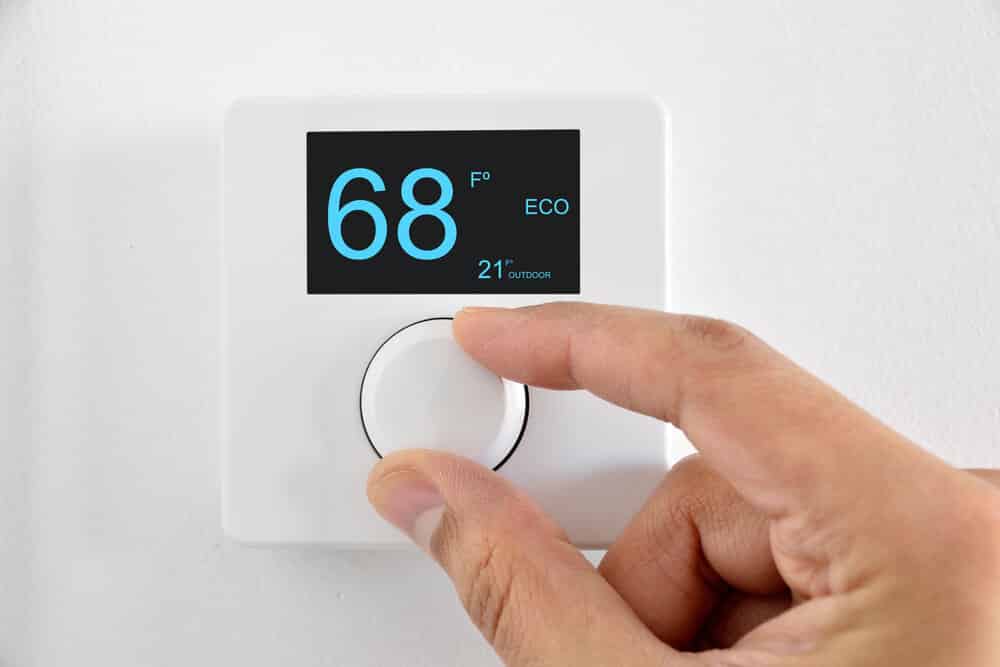
Setting the air conditioner too low wastes energy and raises bills. It does not cool faster. The recommended temperature is around 78°F (25-26°C). This keeps the room cool without overworking the unit.
Ignoring regular maintenance causes poor air quality and less cooling. Dirty filters block airflow. Clean or replace filters every 1-3 months. Check the unit for dust and debris. Regular care helps the air conditioner work well and last longer.
Frequently Asked Questions
What Is The Ideal Air Conditioner Temperature Setting?
The ideal AC temperature is typically 78°F (25. 5°C) for comfort and energy savings. It balances cooling and efficiency well.
How Does Temperature Affect Air Conditioner Efficiency?
Higher temperatures reduce energy use, while lower settings increase power consumption. Setting AC at 78°F optimizes efficiency and comfort.
Can Adjusting Ac Temperature Save On Electricity Bills?
Yes, setting your AC to 78°F can lower electricity bills by reducing energy use. Small changes impact costs significantly.
What Temperature Should I Set Ac At Night?
At night, setting AC around 78-80°F keeps you comfortable while saving energy. Use fans to enhance cooling without lowering temperature.
Conclusion
Choosing the right AC temperature matters. It ensures comfort and saves energy. A setting around 24-26°C works well for most. It’s comfortable and efficient. Remember to adjust based on personal needs and weather. Consistent maintenance helps too. Clean filters and check for leaks.
This keeps the AC running smoothly. A balanced temperature means better sleep and mood. It also reduces your electricity bill. So, find that sweet spot. Your home will feel pleasant and welcoming. Keep experimenting. You’ll soon discover what suits you best.
Enjoy a comfortable and energy-friendly environment!