
Have you ever noticed that after spending time in an air-conditioned room, you start feeling tired, congested, or even get a headache? You’re not alone.
Many people wonder, “Why does my air conditioner make me sick? ” It’s frustrating because you expect cool air to bring relief, not discomfort. But there are hidden reasons behind this common problem that could be affecting your health without you realizing it.
Keep reading to discover what’s really going on and how you can protect yourself while staying cool.
How Air Conditioners Affect Health
Air conditioners can lower the air quality inside rooms. Dust, mold, and bacteria may build up in the filters and vents. This can cause allergies, coughs, and sneezing. Poor air circulation makes these problems worse. Stale air stays trapped, leading to headaches or tiredness.
Humidity plays a big role too. Very low humidity dries out the skin and throat. This makes people feel sick or uncomfortable. Too much humidity helps mold and dust mites grow. Both can cause breathing problems. Maintaining the right humidity, between 30% and 50%, is important for good health.

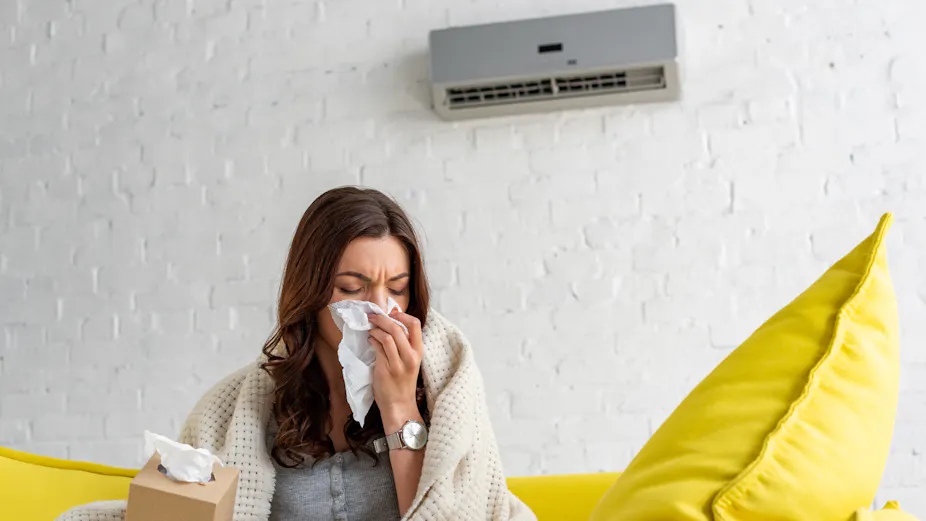
Credit: www.1news.co.nz
Common Symptoms Linked To Ac Use
Respiratory issueslike coughing, sneezing, and wheezing can happen. AC units may spread dust, mold, or bacteria. This can irritate your lungs and nose. People with asthma or allergies feel it more.
Skin and eye irritationsare common too. Dry air from AC can make your skin itchy and flaky. Eyes might get red or watery. This happens because AC removes moisture from the air.
Headaches and fatiguecome from poor air quality and cold air. Breathing cold air for a long time can cause headaches. Lack of fresh air may make you feel tired and weak.
Hidden Health Risks Of Ac
Air conditionerscan hold dust, allergens, and mold. These grow in damp, dark parts inside the unit. When the AC runs, these tiny particles get blown into the air. Breathing them can cause allergic reactionsand breathing problems.
AC units can also spread bacteria and viruses. If the system is not cleaned, germs multiply on filters and ducts. This can lead to colds, flu, and infections. People with weak immune systems are at higher risk.
Dry air is another issue. AC removes moisture from the air, making it too dry. Dry air can cause dry skin, throat irritation, and nosebleeds. It also makes it easier for viruses to spread.
Factors That Increase Health Risks
Poor maintenance and cleaningof air conditioners can lead to the buildup of dust, mold, and bacteria. These particles circulate in the air and cause allergies, coughing, and breathing problems. Regular cleaning is essential to keep the air fresh and healthy.
Improper temperature settings may also cause discomfort. Setting the AC too cold can make the body feel chilled, leading to sore throats and colds. On the other hand, a temperature that is too warm might not cool the room effectively, causing stuffiness and headaches.
Extended exposure to air conditioning can dry out the skin and mucous membranes. This dryness can increase the risk of infections and irritation. Taking breaks from the AC and staying hydrated helps reduce these health risks.
Preventing Ac-related Health Problems
Cleaning your air conditioner regularly stops dust and germs from spreading. Change the filters every 1-3 months to keep air fresh. Dirty filters can cause allergies and sickness.
Keep your room temperature between 72°F and 78°F for comfort and health. Humidity should stay near 40-60%. Too much moisture helps mold grow. Too little makes air dry and itchy.
- Use air purifiers to catch tiny dust and pollen.
- Open windows sometimes to let fresh air in.
- Ventilation helps remove bad smells and germs.
Credit: theconversation.com
When To Seek Medical Advice
Persistent symptomslike cough, sneezing, or runny nose lasting more than a week need attention. These signs may indicate an allergy or infection caused by the air conditioner.
Severe allergic reactionsinclude swelling, difficulty breathing, or rashes. Such symptoms require immediate medical help to prevent serious health problems.
Chronic respiratory conditionssuch as asthma or bronchitis can get worse with air conditioner use. Regular check-ups with a doctor are important if breathing feels harder after exposure.
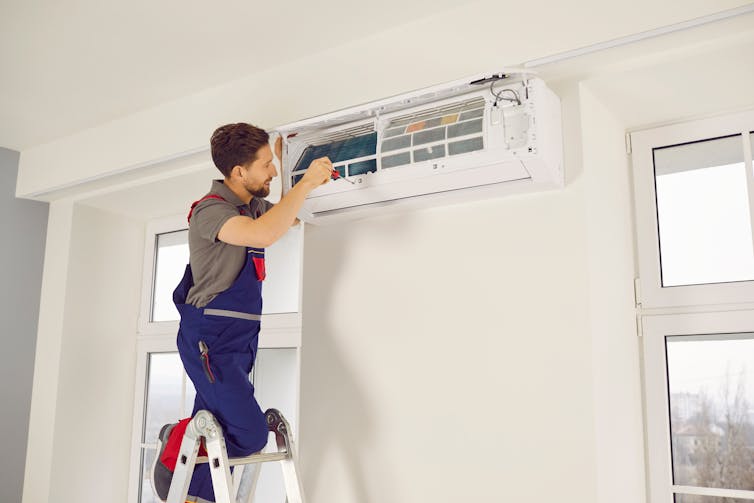
Credit: theconversation.com
Frequently Asked Questions
Why Does Air Conditioning Cause Respiratory Issues?
Air conditioners can circulate dust, mold, and bacteria if not cleaned. This worsens allergies and respiratory problems. Proper maintenance reduces these health risks.
Can Cold Air From Ac Make Me Catch A Cold?
Cold air itself doesn’t cause colds. However, sudden temperature changes can weaken immunity. This makes you more vulnerable to viruses.
How Does Poor Ac Ventilation Affect Health?
Poor ventilation traps stale air and pollutants indoors. This leads to headaches, fatigue, and respiratory irritation. Regular airflow refreshment is essential for health.
What Role Does Humidity Play In Ac-related Sickness?
Low humidity from AC can dry skin, throat, and nasal passages. This dryness increases infection risk and discomfort. Using a humidifier helps maintain balance.
Conclusion
Feeling sick from air conditioning is common. Many face this issue. Understand the causes. Poor maintenance, mold, or dry air might be culprits. Solutions exist. Regular cleaning helps. Use humidifiers to add moisture. Choose air conditioners wisely. Ensure good ventilation in rooms.
Stay aware of symptoms. Adjust usage if needed. Your comfort matters. Healthy use of air conditioning is possible. Breathe easy, feel better.