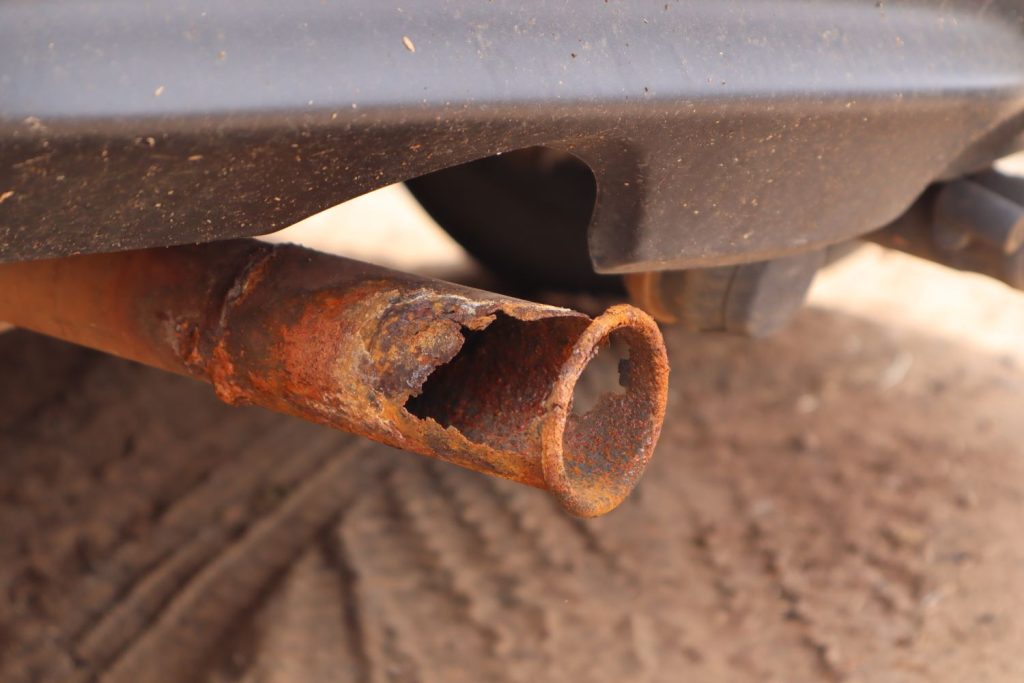
A leaking exhaust system can cause serious problems for your vehicle—and for you. You might think a small leak is no big deal, but it can lead to costly repairs, poor fuel efficiency, and even health risks.
Ignoring this issue could put your safety on the line without you realizing it. Keep reading to discover why a leaking exhaust system is more dangerous than you think and what steps you should take to protect your car and yourself.

Credit: scottysautomotiveservices.com
Signs Of A Leaking Exhaust
A leaking exhaust system can cause many problems in your vehicle. It is important to spot the signs early to avoid damage.
Leaks in the exhaust can affect your car’s performance and safety. Below are common signs to watch for.
Unusual Noises
A leaking exhaust often makes loud or strange noises. You may hear hissing, popping, or tapping sounds.
These noises usually happen because gases escape through cracks or holes in the system.
- Loud rumbling sounds while idling
- Hissing noises when accelerating
- Ticking or tapping near the engine
Reduced Fuel Efficiency
A leak in the exhaust can lower your car’s fuel efficiency. Your engine has to work harder to keep power.
You may notice you need to fill the gas tank more often than usual.
- More frequent stops at the gas station
- Drop in miles per gallon (MPG)
- Engine running less smoothly
Strong Odors
Exhaust leaks can cause strong smells inside or near your vehicle. These odors may be toxic and dangerous.
You might smell fumes that smell like rotten eggs or sulfur. This means gases are not being directed out properly.
- Strong sulfur or rotten egg smell
- Fumes inside the car cabin
- Increased risk of carbon monoxide exposure

Credit: urbsgarage.com
How Leaks Damage The Engine
A leaking exhaust system can harm the engine in several ways. Small leaks may seem harmless but cause big problems over time.
Leaks change how the engine works. They affect heat, pressure, and fuel mix, which are very important for engine health.
Increased Engine Heat
Exhaust leaks let hot gases escape before they leave the system. This raises the temperature near engine parts.
Extra heat can damage engine parts and cause them to wear out faster. It may also lead to engine overheating.
Loss Of Backpressure
The exhaust system needs backpressure to help the engine run smoothly. Leaks reduce this pressure.
Lower backpressure can cause poor engine performance. The engine may lose power and use more fuel.
- Reduced engine power
- Higher fuel consumption
- Rough engine idle
- Possible engine stalling
Contaminated Air-fuel Mixture
Leaks can let outside air enter the exhaust system. This extra air changes the air-fuel mix in the engine.
An incorrect air-fuel mix causes the engine to run poorly. It can increase emissions and damage engine parts.
Health Risks From Exhaust Leaks
A leaking exhaust system can let harmful gases enter your vehicle’s cabin. These gases pose serious health risks to drivers and passengers. Understanding these dangers helps you stay safe.
This article covers three main risks caused by exhaust leaks. They include carbon monoxide exposure, respiratory issues, and long-term safety concerns.
Carbon Monoxide Exposure
Carbon monoxide (CO) is a colorless, odorless gas that can enter your car through a leaking exhaust. Breathing in CO can cause headaches, dizziness, and nausea. High levels can be life-threatening.
- CO binds with hemoglobin in the blood.
- It reduces oxygen delivery to organs.
- Symptoms include confusion and weakness.
- Severe exposure can cause unconsciousness or death.
Respiratory Issues
Exhaust leaks release harmful particles and gases into the air you breathe. These irritate your lungs and airways. People with asthma or allergies may suffer more.
| Gas or Particle | Effect on Respiratory System |
| Nitrogen oxides | Cause airway inflammation |
| Particulate matter | Triggers coughing and wheezing |
| Sulfur dioxide | Leads to shortness of breath |
Long-term Safety Concerns
Continuous exposure to exhaust leaks can cause serious health problems. These include chronic respiratory diseases and heart issues. It also increases risk of accidents due to dizziness or fainting.
Tips to reduce long-term risks:
- Fix exhaust leaks quickly
- Keep vehicle cabin ventilated
- Avoid running engine in enclosed spaces
- Regularly inspect exhaust system
Credit: www.holtsauto.com
Common Leak Sources
A leaking exhaust system can cause many problems for your vehicle. It affects performance and can be unsafe.
Leaks happen in specific parts of the exhaust. Knowing these parts helps you find and fix leaks fast.
Cracked Pipes
Cracks often form in the exhaust pipes due to heat and road damage. These cracks let exhaust gases escape.
Small cracks can grow bigger if not fixed. This can make your car noisy and pollute the air.
Damaged Gaskets
Gaskets seal joints between exhaust parts. When they wear out, they cause leaks at the connection points.
Damaged gaskets let gases leak and make your exhaust system less efficient.
- Gasket wear from heat and vibration
- Crushed or broken gaskets
- Improper gasket installation
Loose Connections
Loose bolts or clamps can cause parts to separate. This creates gaps where exhaust leaks happen.
Check connections regularly to keep the exhaust system tight and leak-free.
Preventive Maintenance Tips
A leaking exhaust system can cause many problems. It can affect your car’s performance and safety.
Regular care helps avoid costly repairs. Here are some tips to keep your exhaust system in good shape.
Regular Inspections
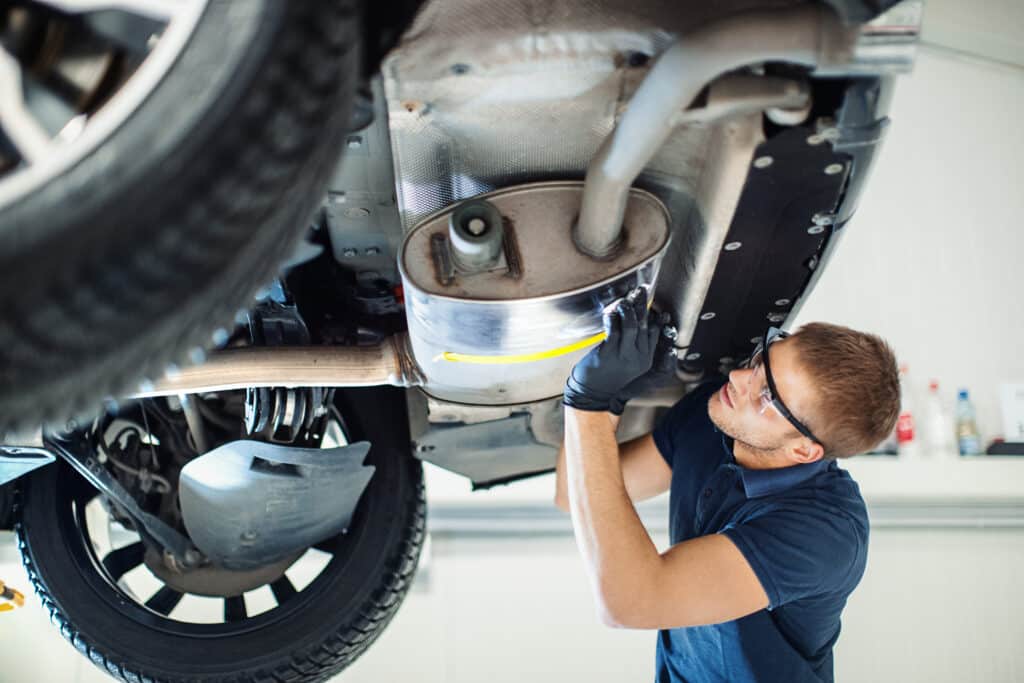
Check your exhaust system often. Look for holes, rust, or loose parts under the car.
Listen for unusual noises while the engine runs. These signs show leaks or damage early.
- Inspect pipes and muffler for cracks
- Check hangers and clamps for tightness
- Look for soot marks or strong smells
Timely Repairs
Fix leaks as soon as you find them. Small problems get worse if ignored.
Replace damaged parts quickly to avoid engine damage or harmful fumes inside the car.
- Seal minor leaks with exhaust tape or sealant
- Replace rusted or broken pipes
- Fix loose connections and clamps
Using Quality Parts
Choose good parts for repairs and replacements. Cheap parts wear out fast and cause more leaks.
Quality parts last longer and fit better, protecting your car’s exhaust system and engine.
- Buy from trusted brands or dealers
- Use parts made for your car model
- Check warranty and material quality
Repair Options And Costs
A leaking exhaust system can make your car noisy and less efficient. Fixing it quickly helps avoid bigger problems.
There are several ways to repair an exhaust leak. Costs depend on how big the damage is and who does the work.
Diy Fixes
You can try simple repairs at home if the leak is small. Basic tools and materials are needed for these fixes.
Some common DIY fixes include patching holes or tightening loose parts. These can save money but may be temporary.
- Use exhaust tape or patch kits to cover small holes
- Check and tighten clamps and bolts
- Replace damaged hangers to reduce movement
- Wear gloves and work in a well-ventilated area
Professional Services
Mechanics can find and fix leaks more accurately. They use special tools and parts for longer-lasting repairs.
They may replace sections of the exhaust or weld cracks. This work usually comes with a warranty for peace of mind.
- Full pipe or muffler replacement
- Welding cracked or broken parts
- System inspection with diagnostic tools
- Warranty on repairs and parts
Cost Factors
Repair costs vary based on the damage size and repair type. Labor and part prices also affect the total cost.
Older cars or rare parts may cost more. Quick fixes are cheaper but may not last as long as professional repairs.
| Factor | Effect on Cost |
|---|---|
| Size of Leak | Small leaks cost less to fix |
| Type of Repair | Simple patching is cheaper than replacement |
| Parts Needed | New pipes or mufflers increase cost |
| Labor Charges | Professional labor adds to the total price |
| Vehicle Model | Rare or old models may need expensive parts |
Frequently Asked Questions
What Are Common Signs Of A Leaking Exhaust System?
A leaking exhaust system often causes loud noises and decreased fuel efficiency. You may also smell exhaust fumes inside the vehicle. Engine performance can drop, and a check engine light might appear. Timely inspection helps avoid costly repairs and health risks.
How Does A Leaking Exhaust Affect Vehicle Performance?
A leak reduces back pressure, causing engine inefficiency. This leads to poor acceleration and lower fuel economy. It can also trigger engine misfires and increased emissions. Prompt repair ensures optimal engine function and emission compliance.
Can A Leaking Exhaust System Harm My Health?
Yes, leaking exhaust can release carbon monoxide, a dangerous gas. Exposure causes headaches, dizziness, or worse. It is crucial to fix leaks quickly to protect your health and avoid toxic fume inhalation inside the car.
Will A Leaking Exhaust System Fail Emissions Tests?
Absolutely. Leaks cause higher emissions, often leading to test failures. They allow unfiltered gases to escape, increasing pollution levels. Repairing leaks before inspections ensures compliance and avoids penalties or registration issues.
Conclusion
A leaking exhaust system poses serious risks. Harmful gases can enter your car. This affects health and safety. Engine performance may drop too. Increased emissions harm the environment. Regular checks can prevent issues. Fix leaks promptly to avoid bigger problems.
A small repair today saves money tomorrow. Protect your car and health by staying alert. Listen for unusual noises. Smell any strange odors? Take action quickly. Prioritize safety and efficiency. Keep your exhaust system in top shape. Stay informed and drive safely.