Are you ready to get your fishing gear in top shape? Knowing how to install fishing line on your reel the right way can make all the difference between a smooth cast and a tangled mess.
If you’ve ever struggled with knots, twists, or line slipping off your reel, this guide is made just for you. By following simple, clear steps, you’ll save time, avoid frustration, and be ready to catch more fish. Keep reading, and you’ll master this essential skill quickly and easily.
Your next fishing trip will thank you!
Choose The Right Fishing Line
Choosing the right fishing line helps you catch fish more easily. It affects how your line handles and how strong it is.
You should know about different types of lines, their strength, and the conditions you will fish in.
Types Of Fishing Lines
Fishing lines come in many types. Each type fits certain fishing needs.
- Monofilament:Easy to handle and stretchable.
- Fluorocarbon:Hard to see underwater and sinks fast.
- Braid:Very strong and thin, but no stretch.
Selecting Line Strength
Line strength means how much weight the line can hold before breaking. It is called “pound test.”
| Fish Type | Recommended Strength (pounds) |
| Small fish | 4-8 |
| Medium fish | 10-20 |
| Large fish | 25-50 |
Considering Fishing Conditions
Choose your line based on water type and weather. These affect line performance.
- Use strong line in thick weeds or rough water.
- Clear water needs a line that is hard to see.
- Warm weather can weaken some lines, so check them often.
Gather Necessary Tools
Installing fishing line on your reel needs a few simple tools. These tools help you work quickly and avoid mistakes.
Before starting, gather all the items. This makes the process smooth and easy to follow.
Essential Equipment
You need some basic equipment to install fishing line correctly. Having these ready saves time and prevents problems.
- Fishing line spool
- Fishing reel
- Scissors or line cutters
- Rod holder or clamp
- Line lubricant (optional)
- Clean cloth
Preparing Your Reel
Before putting on the line, check the reel carefully. Clean and prepare it to avoid tangles and damage.
| Task | Purpose |
|---|---|
| Remove old line | Clear space for new line |
| Clean spool | Remove dirt and debris |
| Check drag system | Ensure smooth operation |
| Lubricate parts | Reduce friction and wear |
| Secure reel on rod holder | Keep reel steady while spooling |
Prepare The Reel
Before installing a new fishing line, you need to get your reel ready. A clean and empty reel helps the new line work better.
Preparing the reel takes only a few minutes but makes a big difference in fishing performance.
Remove Old Line
First, take off the old fishing line from the reel. This makes space for the new line and stops tangles.
Cut the old line near the spool and pull it out carefully. Keep pulling until all the line is off.
Clean The Spool
After removing the old line, clean the spool to remove dirt and debris. This helps the new line stay smooth on the reel.
Use a soft cloth or brush with mild soap and water. Dry the spool completely before adding new line.
- Wipe off old line residue
- Remove sand or dirt from edges
- Dry spool well to avoid rust
Credit: monsterbass.com
Attach The Line To The Spool
Attaching fishing line to the spool is the first step in setting up your reel. This step ensures the line stays secure during casting and retrieving.
Proper attachment helps prevent line slippage and tangles, making your fishing experience smoother and more enjoyable.
Tie The Line Securely
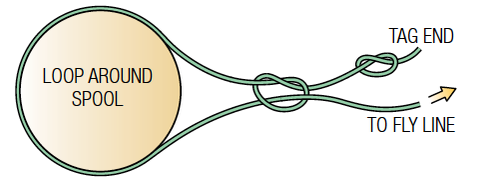
Start by threading the line through the reel’s spool hole. Pull about six inches of line to work with.
Use a strong knot like the Arbor knot to tie the line to the spool. This knot holds well and is easy to tie.
- Wrap the line around the spool.
- Tie an overhand knot around the main line.
- Tighten the knot close to the spool.
- Trim any excess line.
Avoiding Slips
Make sure the knot is tight and snug against the spool. Loose knots can slip and cause line loss.
Hold the line firmly while winding it onto the spool. Keep tension on the line for a smooth wrap.
- Check the knot before you start winding.
- Keep steady pressure on the line as you spool it.
- Do not overfill the spool with line.
- Test by pulling gently on the line after spooling.
Spool The Line Properly
Installing fishing line on a reel needs care and attention. Spooling the line correctly helps avoid tangles and line breaks. This guide covers key points to spool the line properly.
Focus on maintaining tension, winding direction, and filling the spool correctly. Each step helps improve your fishing experience.
Maintaining Tension
Keeping steady tension on the line while spooling is important. It prevents loose loops that cause knots and tangles. Use your fingers or a cloth to hold the line tight.
Try these tips for good tension:
- Pull the line firmly but do not stretch it.
- Keep the line tight as it goes on the spool.
- Ask someone to hold the spool if needed.
- Reel slowly and steadily.
Winding Direction Tips
Spool the line in the right direction to avoid twists. Check the reel’s manual for the correct winding side. Usually, spooling in the same direction as the reel’s rotation works best.
If you spool the line opposite to the reel’s turn, it can cause line twist and tangling. Use the following table to choose the winding direction:
| Reel Type | Spooling Direction |
| Spinning Reel | Counter-clockwise |
| Baitcasting Reel | Clockwise |
| Spincast Reel | Follow reel rotation |
Filling The Spool Correctly
Fill the spool so the line is neither too loose nor too tight. Leave about 1/8 inch of space from the spool edge. Overfilling can cause tangles, and underfilling reduces casting distance.
Keep these points in mind:
- Stop winding when the line reaches near the spool edge.
- Do not overfill beyond the spool’s lip.
- Check the line level frequently as you spool.
- Adjust tension to keep line tight and even.

Credit: www.youtube.com
Finish And Test Setup
After loading the fishing line onto your reel, it is important to finish the setup correctly. This ensures the line works well and lasts longer during fishing.
Testing the setup helps you avoid problems like tangles or line breaks. Follow the steps below to complete and check your fishing line installation.
Cutting The Line
Cut the fishing line neatly after filling the spool. Leave a small amount of extra line to work with when securing it.
Use sharp scissors or a line cutter for a clean cut. Avoid frayed ends as they can cause tangles or slips.
Securing The Line End
Tie the loose end of the line to the reel’s line clip or secure it under the spool tension. This keeps the line from unraveling.
If your reel has a line clip, place the line end into it. For reels without a clip, wrap the end around the spool tension knob.
- Use the line clip if available
- Wrap around the spool tension knob if no clip
- Make sure the line is tight but not stretched
Checking For Smooth Operation
Turn the reel handle slowly to check if the line moves smoothly. Watch for any snags or resistance in the spool.
Pull some line out and let it retract to test the drag and smoothness. Adjust the tension if the line feels tight or slips easily.
- Turn the handle slowly to observe line flow
- Pull and release line to test drag system
- Adjust tension if needed for smooth operation

Credit: windrider.com
Frequently Asked Questions
How Do I Prepare My Reel Before Installing Fishing Line?
Clean the reel thoroughly to remove dirt and old line. Inspect for damages and oil moving parts. This ensures smooth line installation and better performance while fishing.
What Type Of Fishing Line Suits My Reel Best?
Choose a line matching your reel’s capacity and fishing style. Monofilament is versatile, fluorocarbon is low-visibility, and braided offers strength. Always check reel specifications for recommended line weight and type.
How Do I Secure The Fishing Line To The Reel Spool?
Tie the line to the spool using an arbor knot. This knot holds the line firmly without slipping. Ensure the knot is tight before winding the line evenly onto the spool.
How Much Fishing Line Should I Put On My Reel?
Fill the spool until it’s about 1/8 inch below the rim. Overfilling can cause tangles, while underfilling reduces casting distance. Follow your reel’s manual for exact line capacity.
Conclusion
Installing fishing line on a reel is easier than it seems. Follow the steps carefully to avoid tangles. First, gather your reel, line, and scissors. Secure the line to the reel with a knot. Wind the line tightly, ensuring smooth layers.
Check for twists and adjust as needed. Practice helps you improve over time. Remember, patience is key. Now you’re ready for your next fishing adventure. Enjoy the peace and excitement fishing brings. Happy fishing!