Are you sure your car’s tires have the right pressure? Many drivers overlook this simple yet crucial detail.
Knowing the normal tire pressure of your car isn’t just about safety—it can save you money and improve your driving experience. If your tires are underinflated or overinflated, you could face poor fuel efficiency, uneven tire wear, or even dangerous blowouts.
Keep reading to discover exactly what the normal tire pressure should be for your car and how you can check it easily. This small step can make a big difference every time you hit the road.
Credit: carfromjapan.com
Ideal Tire Pressure Range
Tire pressure is important for your car’s safety and performance.
Keeping the right tire pressure helps your tires last longer and saves fuel.
Recommended Psi Levels
Most cars need tire pressure between 30 and 35 PSI (pounds per square inch).
- Check the sticker inside the driver’s door for the exact PSI.
- Use a reliable pressure gauge to measure tire pressure.
- Measure pressure when tires are cold for best accuracy.
- Adjust pressure according to the load and driving conditions.
Factors Influencing Tire Pressure
| Factor | Effect on Tire Pressure |
| Temperature | Pressure drops in cold weather, rises in heat. |
| Load | Heavier load needs higher pressure. |
| Driving Speed | High speeds can increase tire pressure. |
| Tire Condition | Old or damaged tires may lose pressure faster. |

Credit: www.reddit.com
How To Check Tire Pressure
Keeping the right tire pressure is important for car safety and fuel efficiency.
Checking tire pressure is easy if you use the right tools and know when to check.
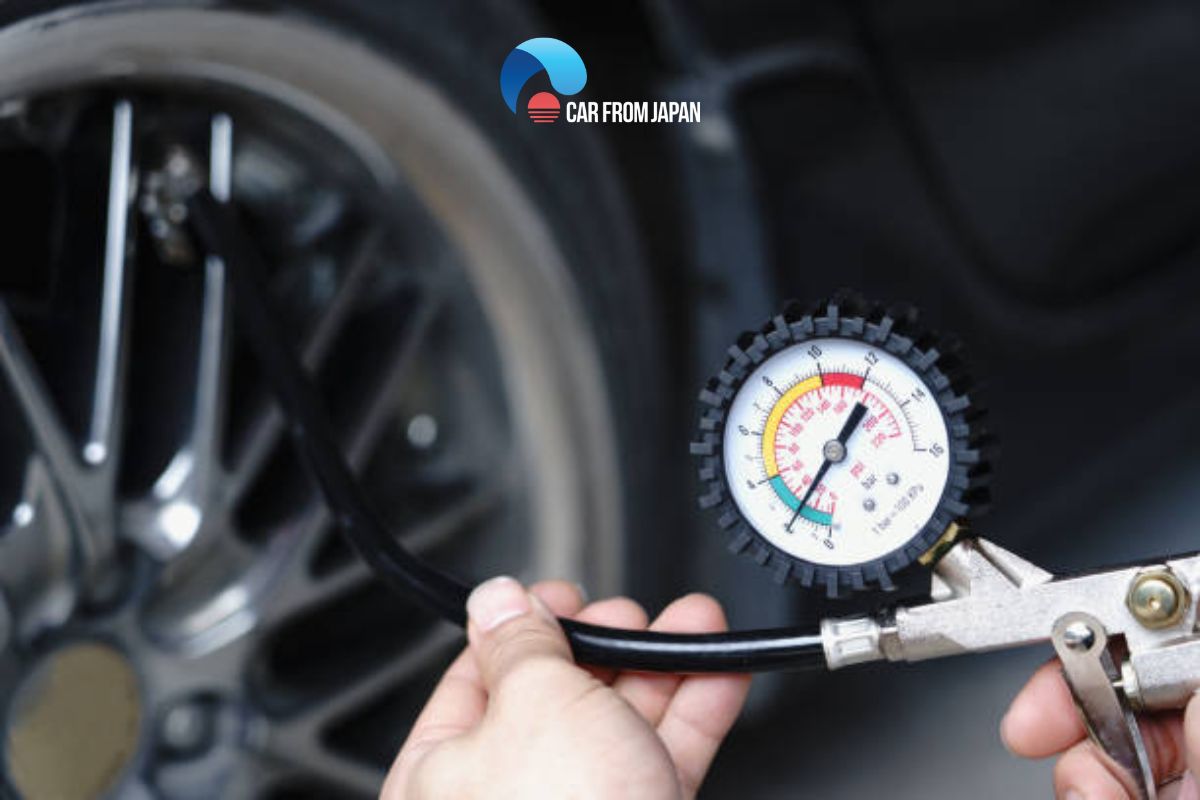
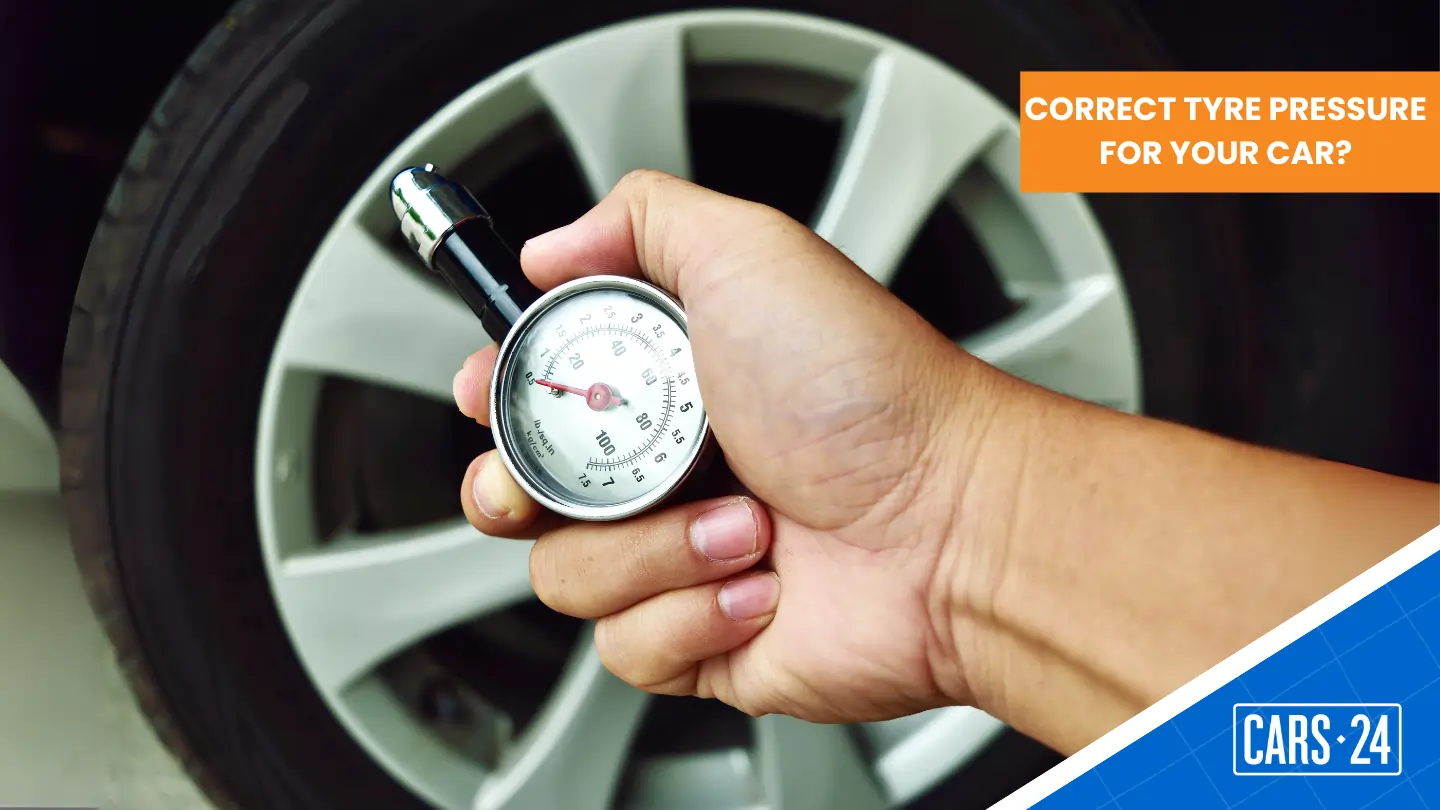
Using A Tire Pressure Gauge
A tire pressure gauge helps you measure the air inside your tires.
- Remove the valve cap from the tire.
- Press the gauge firmly on the valve stem.
- Read the pressure on the gauge display.
- Compare the reading with the car’s recommended pressure.
- Replace the valve cap after checking.
When To Check Pressure
Check tire pressure when tires are cold for the most accurate reading.
| Time | Reason |
| Before driving in the morning | Tires have cooled down overnight |
| After long trips | Tires heat up and pressure changes |
| Monthly | Regular check to maintain correct pressure |
Effects Of Incorrect Tire Pressure
Maintaining the right tire pressure is important for your car’s performance. Incorrect pressure can cause several problems.
Both too high and too low tire pressure affect how your car drives and wears down.
Impact On Fuel Efficiency
Low tire pressure makes your car work harder to move. This uses more fuel than normal.
Overinflated tires can also reduce fuel efficiency by lowering traction and control.
- Low pressure increases rolling resistance
- Higher fuel consumption means more trips to the gas station
- Proper tire pressure helps save money on fuel
Tire Wear And Damage
Incorrect tire pressure causes uneven tire wear. This shortens the life of your tires.
Too much pressure wears out the center of the tire. Too little pressure wears the edges faster.
- Underinflated tires can overheat and get damaged
- Overinflated tires are more likely to crack or burst
- Regular checks prevent early tire replacement costs
Safety Risks
Wrong tire pressure affects your car’s grip on the road. This increases the chance of accidents.
Low pressure can cause tire blowouts. High pressure makes the ride unstable in turns.
- Improper pressure reduces braking ability
- It can cause poor handling on wet or icy roads
- Keeping correct pressure helps keep you safe
Adjusting Tire Pressure
Keeping the right tire pressure is important for safe driving. Too much or too little air can cause problems.
You can adjust tire pressure by adding or releasing air as needed. Check your car’s manual for the normal pressure.
Inflating Tires Properly
Use a tire inflator or air compressor to add air. Inflate tires to the pressure listed on the door sticker or manual.
Check the pressure with a gauge after inflating. Do not overinflate, as this can make the ride harsh.
- Park the car on a flat surface
- Remove the valve cap from the tire
- Attach the air hose and add air slowly
- Use a pressure gauge to check regularly
- Stop when you reach the recommended pressure
Deflating Overinflated Tires
Release air if the tire pressure is too high. Too much air can reduce tire grip and cause uneven wear.
Press the valve stem gently to let air out. Check the pressure often to avoid letting out too much.
- Remove the valve cap
- Press the small pin inside the valve stem
- Release air slowly and check pressure
- Stop when pressure matches the recommended level
- Replace the valve cap after adjusting
Seasonal Tire Pressure Tips
Tire pressure changes with the seasons. It affects your car’s safety and performance. Checking pressure often keeps your tires in good shape.
Seasonal weather changes cause air inside tires to expand or shrink. Adjusting pressure helps your car drive smoothly and saves fuel.
Pressure Changes In Cold Weather
Cold air makes tire pressure drop. When temperature falls, air contracts inside the tire. This can cause underinflated tires.
Check your tire pressure more often in winter. Add air to reach the recommended pressure. This helps prevent tire damage and poor traction.
- Check pressure weekly during cold months
- Use a reliable pressure gauge
- Add air to match your car’s recommended pressure
- Do not overinflate; follow the manual
Pressure Adjustments For Hot Weather
Hot weather makes air inside tires expand. This can increase tire pressure above the recommended level. Overinflated tires wear unevenly.
Check tire pressure often in summer. Release some air if pressure is too high. Proper inflation helps your tires last longer and improves safety.
- Check pressure every two weeks during hot months
- Measure pressure before driving when tires are cool
- Release air if pressure is above the recommended limit
- Keep pressure within the range in your vehicle’s manual
Credit: www.cars24.com.au
Common Tire Pressure Myths
Many people have wrong ideas about car tire pressure. These myths can cause poor car performance and unsafe driving.
Knowing the truth about tire pressure helps keep your car safe and saves money on fuel and tire wear.
Myth: Higher Tire Pressure Improves Fuel Economy
Some believe inflating tires more than recommended saves fuel. But too much pressure can reduce tire grip and cause uneven wear.
It is best to follow the car maker’s tire pressure advice. This keeps the car balanced and safe on the road.
Myth: Tire Pressure Only Needs Checking Once A Month
Tire pressure can drop quickly due to temperature changes or small leaks. Checking it monthly may miss problems.
Check tire pressure at least once every two weeks. This helps find issues early and keeps tires in good shape.
Myth: You Should Inflate Tires To The Maximum Pressure On The Sidewall
The maximum pressure on the tire sidewall is not the right amount for daily driving. It is the highest limit the tire can handle.
Always use the pressure listed in your car’s manual or door sticker. It fits your car’s weight and handling needs.
Myth: Cold Tire Pressure And Hot Tire Pressure Should Be The Same
Tires heat up while driving, which raises pressure inside. Checking pressure right after driving shows higher numbers.
Measure tire pressure when tires are cold, like after the car has been parked for a few hours. This gives the true reading.
Myth: Tire Pressure Sensors Replace Manual Checks
Tire pressure sensors alert you when pressure is very low. They do not replace regular manual checks for proper pressure.
Manual checks catch small changes before sensors warn. Use both to keep tires safe and well maintained.
Frequently Asked Questions
What Is The Recommended Tire Pressure For Most Cars?
Most cars require tire pressure between 30-35 PSI. Check your vehicle’s manual or the sticker inside the driver’s door for exact numbers. Proper tire pressure ensures safety, fuel efficiency, and tire longevity.
How Often Should I Check My Car’s Tire Pressure?
It’s best to check tire pressure monthly and before long trips. Tires naturally lose air over time. Regular checks help maintain optimal pressure and improve vehicle performance.
Can Incorrect Tire Pressure Affect Fuel Efficiency?
Yes, under-inflated tires increase rolling resistance, reducing fuel efficiency. Over-inflated tires may cause uneven wear and less traction. Maintaining correct tire pressure saves fuel and extends tire life.
What Happens If Tire Pressure Is Too High Or Low?
Low pressure causes poor handling, increased tire wear, and higher fuel consumption. High pressure leads to a harsh ride and uneven tire wear. Always keep tire pressure within the recommended range.
Conclusion
Keeping your car’s tire pressure in check is essential. Proper pressure ensures safety and boosts fuel efficiency. Check the tire pressure regularly using a reliable gauge. The right pressure helps tires last longer and perform better. Consult your car’s manual for exact numbers.
Remember, both under-inflated and over-inflated tires can be dangerous. Regular maintenance saves money and prevents accidents. Don’t forget seasonal changes affect tire pressure. Adjust accordingly for temperature shifts. With these simple steps, driving becomes safer and more efficient. Happy driving!